A buyer touring Chelsea on a Saturday afternoon can see a one-bedroom co-op near 8th Avenue asking $725,000, tour a loft-like four-bedroom near the High Line asking north of $10 million two hours later, and come away thinking they've seen the same neighborhood twice. They haven't. They've seen two markets that happen to share a zip code, a subway map, and a single median price that describes neither of them particularly well.
This matters if you're comparing Chelsea to other Manhattan neighborhoods using the number you saw on a portal or in a market report. That number is real. It's also an average of two things that behave nothing alike, and the gap between them is wide enough to change how you should shop, how fast you should expect to close, and what kind of paperwork you're signing up for.
The line runs down 9th Avenue
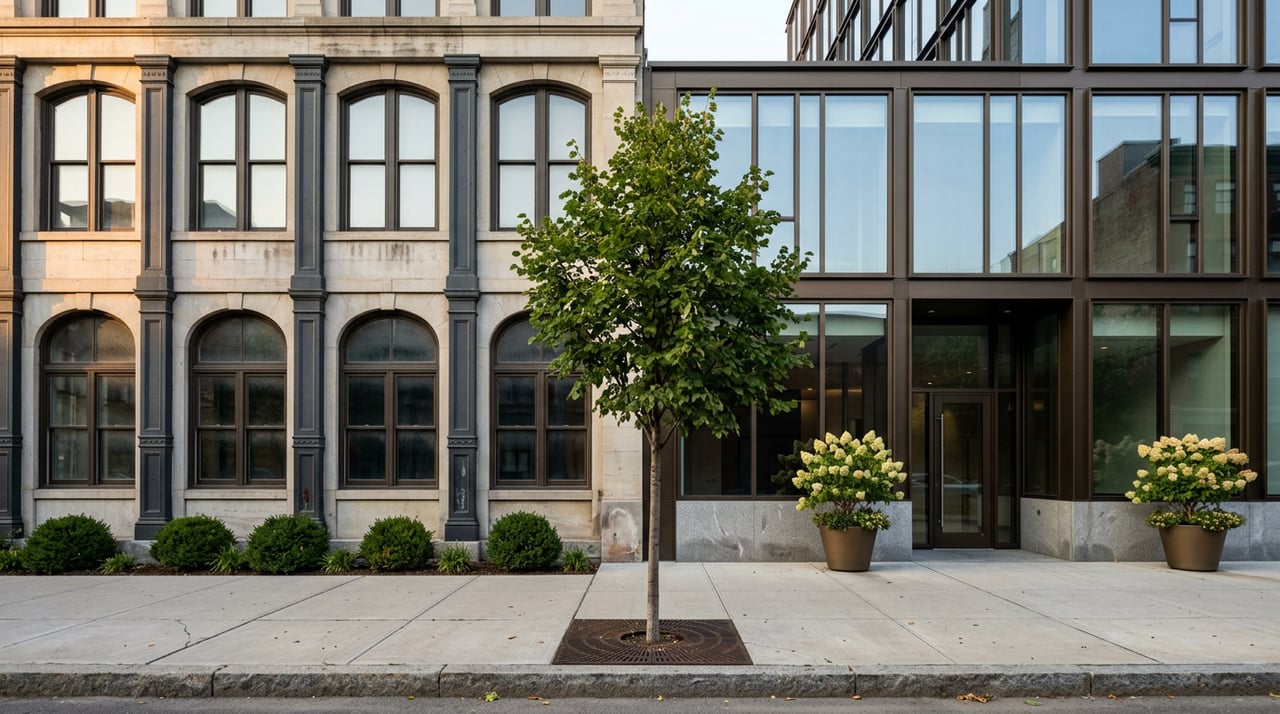
Chelsea stretches from 14th to 30th Streets, bordered by Sixth Avenue to the east and the Hudson River to the west. Somewhere around 9th Avenue, the neighborhood splits into two distinct real estate products.
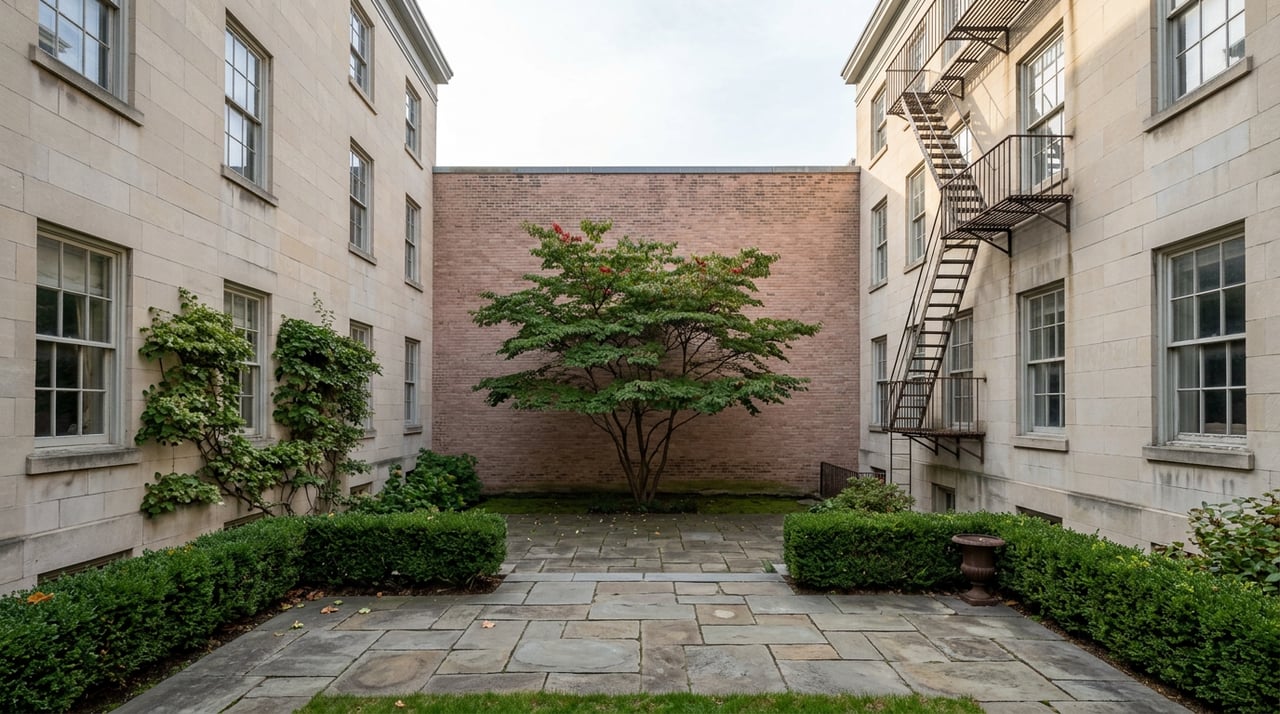
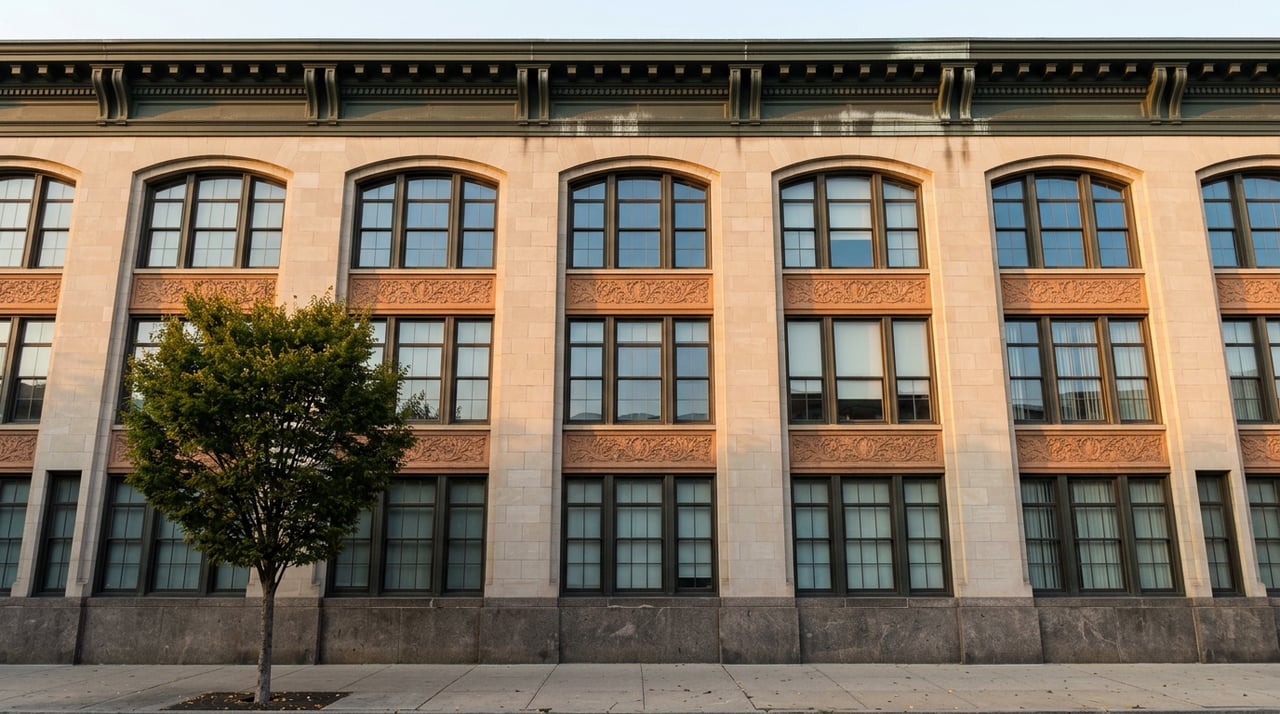
East of that line, the housing stock is dominated by pre-war co-ops and converted lofts in buildings like Walker Tower, Chelsea Mercantile, and London Terrace Gardens. These trade in the range of $1,400 to $2,200 per square foot. Buyers here are typically prioritizing prewar character, layout, and per-foot value over new construction finishes.
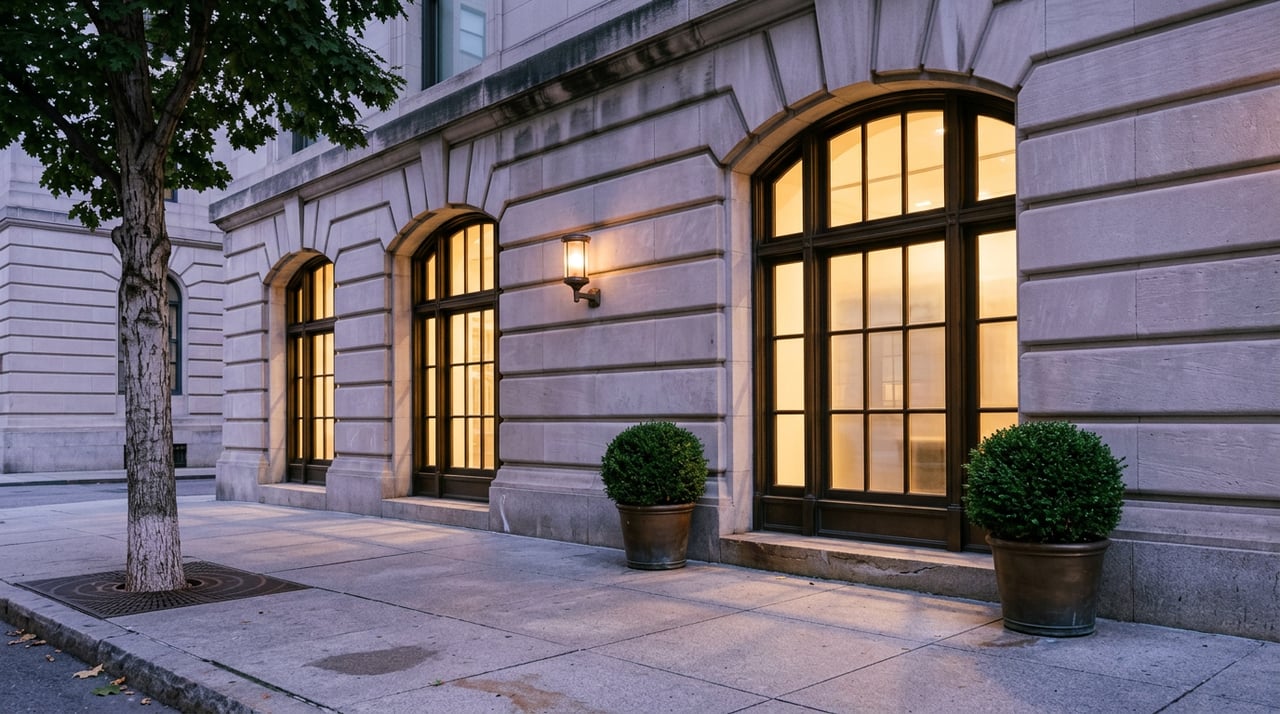
West of 9th Avenue, toward the High Line and the river, sits a different Chelsea entirely. This is the corridor of starchitect condominiums: 520 West 28th designed by Zaha Hadid, One High Line by Bjarke Ingels, Lantern House by Thomas Heatherwick, along with 100 Eleventh, 551 West 21st, HL23, The XI, and newer entrants like Linea at 428 West 19th. Pricing here runs $2,800 to $4,500 or more per square foot, with full-floor penthouses clearing $20 million to $60 million.
That's not a gradient. It's two separate products being reported under one neighborhood name.
What the median actually did
Here's where it gets interesting for anyone reading Chelsea's headline numbers as a single trend line.
Over the three months ending April 2026, Chelsea's median sale price rose 12.4% year over year to $1.9 million. Read on its own, that looks like straightforward appreciation. But over that same window, the median sale price per square foot in Chelsea fell 11.7%. Those two numbers should not move in opposite directions if you're looking at one coherent market. A rising median with a falling per-square-foot figure is usually a sign that the mix of what's selling has shifted, not that value is climbing.
Chelsea's sales volume backs this up. Only 112 homes sold in Chelsea in April 2026, down from 151 the year before. When a smaller, more concentrated set of transactions closes, and more of that volume skews toward the larger West Chelsea product, the median total price gets pulled up even while the actual value per foot softens. Separate condo and co-op data from the same period makes the split even starker: the median condo sale price in Chelsea in May 2026 came in around $2.9 million, while the median co-op sale price was roughly $838,000, a gap of better than three to one. These are single-month figures with real month-to-month noise, but the magnitude of that gap, not its precision, is the point. You cannot average a $2.9 million condo market with an $838,000 co-op market and get a number that tells you anything useful about either one.
If you're comparing Chelsea's median to, say, Tribeca's or the Financial District's, you're comparing a blended figure against numbers that may be far less bimodal in those neighborhoods. The comparison looks apples to apples. It isn't.
The premium has a name: proximity
The West Chelsea premium isn't random. Buildings within a block of the High Line trade meaningfully above otherwise comparable inventory just three blocks east, and that gap holds even when square footage, ceiling height, and finish level are similar. Part of what's being paid for is architectural pedigree. Part of it is the park itself, which functions as a private amenity for the buildings that front it. And part of it is proximity to the gallery corridor along 10th and 11th Avenues, where institutions like Gagosian and Gladstone Gallery keep West Chelsea culturally relevant in a way that supports resale demand at the top of the market.
Recent new development pricing shows how wide the entry points are within West Chelsea alone. When Linea launched sales at 428 West 19th Street, studios started at $1.295 million and one-bedrooms at $1.495 million, with three-bedrooms priced above $3.5 million. At the other end of the same corridor, a four-bedroom loft-style residence at Zaha Hadid's 520 West 28th listed near $10.5 million, and one full-floor penthouse at Bjarke Ingels' One High Line sold for $47 million after asking $52 million. That's the same half-mile stretch of West Chelsea, and the spread inside it is larger than the spread between many entire Manhattan neighborhoods.
The other friction: your closing timeline depends on what you're buying, not just where
Manhattan-wide, correctly priced condos in prime downtown locations, including West Chelsea, are signing contracts in 30 to 45 days. Co-ops borough-wide are averaging 90 to 120 days, and most of that gap comes down to the 4 to 8 week board approval cycle that condos simply don't have.
That distinction plays out inside Chelsea more than in most neighborhoods, because the neighborhood's co-op stock is concentrated east of 9th Avenue while its condo stock is concentrated west of it. A buyer comparing two "Chelsea" listings side by side, one in a co-op near 8th Avenue and one in a tower near the river, isn't just comparing price per foot. They're comparing a board package, financial disclosures, and an interview against a straightforward contract and closing. If your timeline matters, whether you're relocating for a job, coordinating a sale elsewhere, or working against a rate lock, that difference in process is often more consequential than the difference in price.
Chelsea's average days on market climbed to 144 days as of the three months ending April 2026, up from 67 days the year before. Some of that slowdown reflects the broader Manhattan cooling that showed up across the borough, where days on market for combined condos and co-ops sat near 110 in the first quarter of 2026. But some of it is structural: as more of Chelsea's transaction mix runs through board-reviewed co-ops rather than condos, the average time to close stretches out almost mechanically.
What this means if you're comparing Chelsea to somewhere else
If you're weighing Chelsea against another Manhattan neighborhood, the useful question isn't "what's the median price in Chelsea." It's which side of 9th Avenue you're actually shopping, because that answers what you're buying, how long it will take, and what kind of paperwork stands between you and a closed deal.
East Chelsea rewards buyers who want prewar character, established co-op buildings, and a lower entry point measured per square foot, in exchange for board approval and a longer runway. West Chelsea rewards buyers who want new construction, architectural authorship, and High Line proximity, and are prepared to pay a real premium for it, with a condo closing process that moves considerably faster.
Neither side is the "real" Chelsea market. They're two markets, and any comparison that treats them as one number is telling you less than it appears to.
FAQ
Why do some Chelsea listings show 30 to 45 days on market and others show 90 to 120? It usually comes down to property type rather than pricing strategy. Condos, concentrated in West Chelsea, don't require board approval and can move to contract quickly when priced correctly. Co-ops, more common east of 9th Avenue, go through a board application and interview process that typically adds four to eight weeks to the timeline even on a well-priced unit.
Is East Chelsea or West Chelsea the better long-term hold? That depends on what you're optimizing for. West Chelsea's premium is tied to scarcity of High Line-adjacent land and architectural authorship, which has historically supported resale demand at the top of the market. East Chelsea's co-op stock trades at a lower basis per square foot and appeals to a buyer pool less focused on new construction, which can mean a steadier but less dramatic appreciation curve. Neither pattern is guaranteed to continue, and any decision should weigh your own timeline and financing alongside the building's specific financials.
Does proximity to the High Line always command a premium? Generally yes, but the size of that premium varies by block, building age, and unit orientation. A unit with a direct, unobstructed view of the park commands more than a unit in the same building facing the street side. Walking the corridor between 14th and 30th Streets, ideally along the High Line itself, is the fastest way to understand where those premiums are concentrated block by block.
If you're trying to figure out which side of Chelsea actually fits what you're looking for, or how a specific building's board package and financials compare to a condo alternative a few blocks away, the Steven Cohen Team can walk through the pricing and timeline mechanics with you directly. Request a complimentary market valuation or schedule a private consultation to get a read on your specific situation before you make an offer.