Chelsea Neighborhood Guide
Historic New York meets contemporary Manhattan: brownstone blocks, landmark hotels, world-class galleries, the High Line and Hudson River sunsets.
Chelsea is one of those Manhattan neighborhoods where different versions of the city exist comfortably side by side. Historic rowhouses and prewar buildings sit a few blocks from converted warehouses, contemporary architecture and some of the world’s most influential art galleries, while the High Line cuts through the neighborhood on its way north.
It is creative without feeling chaotic and polished without losing its personality. Spend enough time here and you quickly find your own routine: coffee before walking the High Line, an afternoon wandering through galleries, dinner on Ninth Avenue, a performance at The Joyce or a walk toward the Hudson just before sunset.
What We Love About Chelsea
The contrast is what makes Chelsea interesting.
East of Tenth Avenue, tree-lined residential streets reveal rows of 19th-century houses, historic churches and apartment buildings that give parts of the neighborhood a surprisingly intimate character. Move west and the scale changes completely, with former industrial buildings, contemporary architecture, galleries and the elevated High Line defining West Chelsea.
Art is woven into the neighborhood more than almost anywhere else in Manhattan. Galleries are concentrated particularly around West 19th through West 25th Streets, making it possible to spend an afternoon moving between exhibitions without ever needing an itinerary.
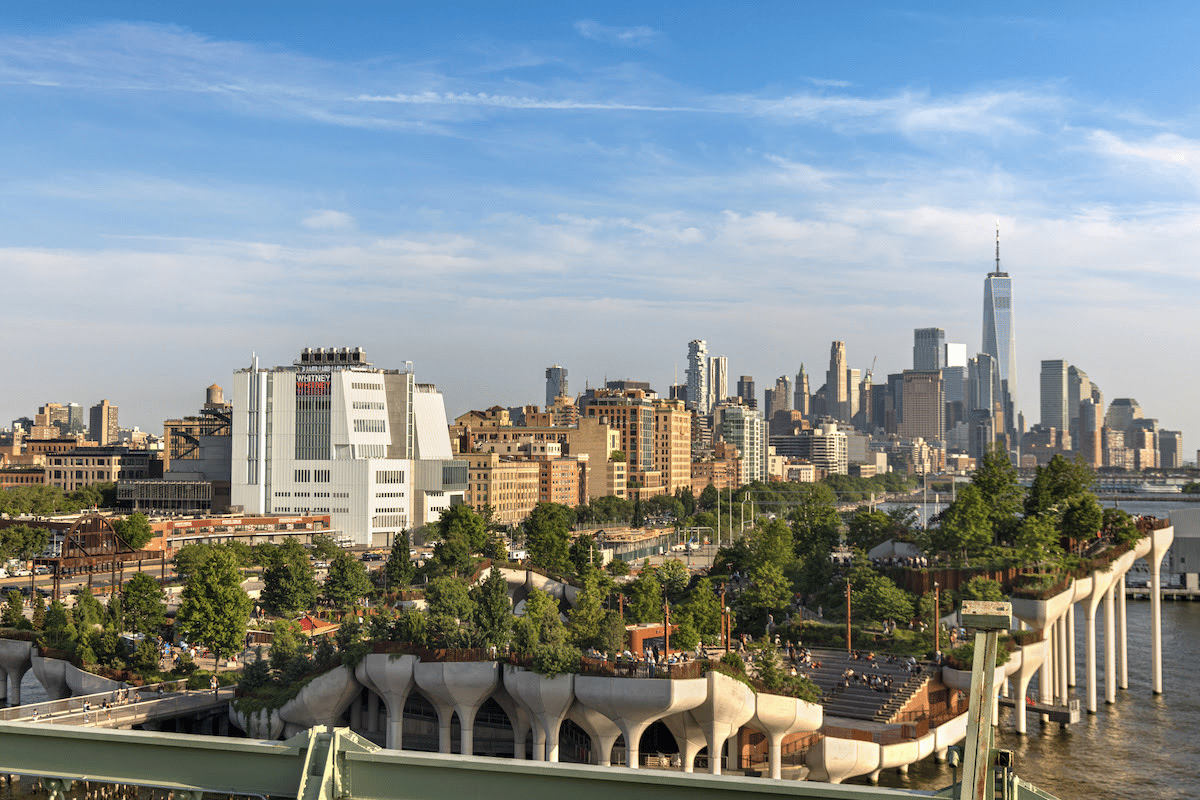
And then there is the waterfront. The Hudson River sits only a few blocks beyond the gallery district, giving Chelsea something increasingly valuable in Manhattan: easy access to art, restaurants, parks and open water within the same afternoon.
A Few of Our Favorite Places
Start at Chelsea Market
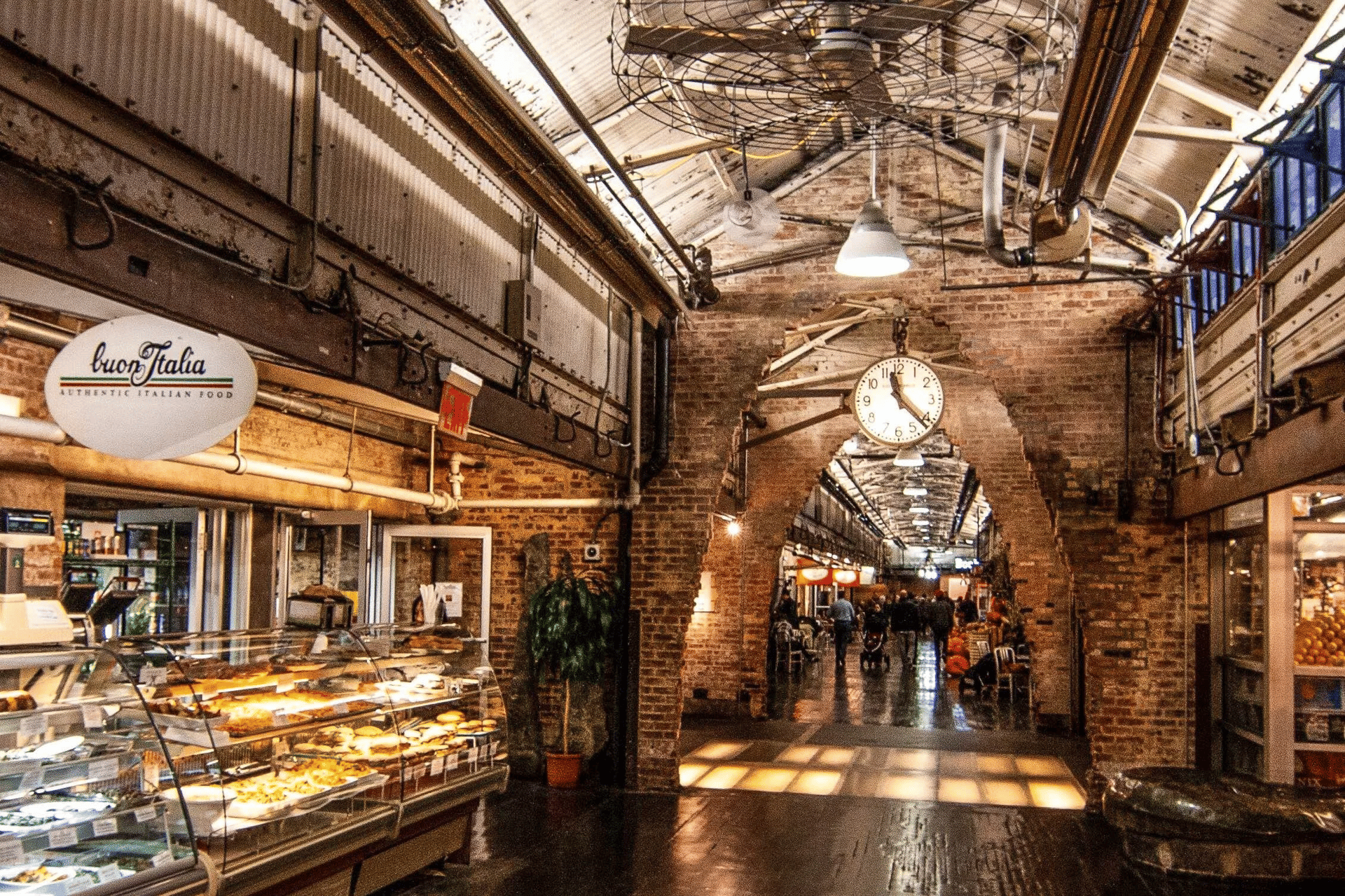
At the southern edge of the neighborhood, Chelsea Market is one of those places that works whether you have ten minutes or an entire afternoon.
Set inside the former National Biscuit Company complex, the market brings together food counters, specialty shops, groceries and independent retailers beneath the building’s original industrial architecture.
Come hungry, wander until something looks good and leave yourself enough time to explore rather than treating it as a single-stop destination.
Take in Hotel Chelsea
Few buildings are as connected to the artistic mythology of New York as Hotel Chelsea.
Its red-brick façade and wrought-iron balconies have been part of West 23rd Street for generations, while writers, musicians, artists and filmmakers helped turn the building into one of the city’s most recognizable cultural addresses.
Following its extensive restoration, the hotel once again feels like an active part of the neighborhood rather than simply a piece of its history, with restaurants, bars and public spaces bringing new life to an unmistakably old New York setting.
Where We Like to Eat
Chelsea’s restaurant scene reflects the neighborhood itself: polished but varied, with elegant hotel dining rooms, contemporary Italian cooking, lively Mediterranean restaurants and longtime neighborhood favorites all within walking distance.
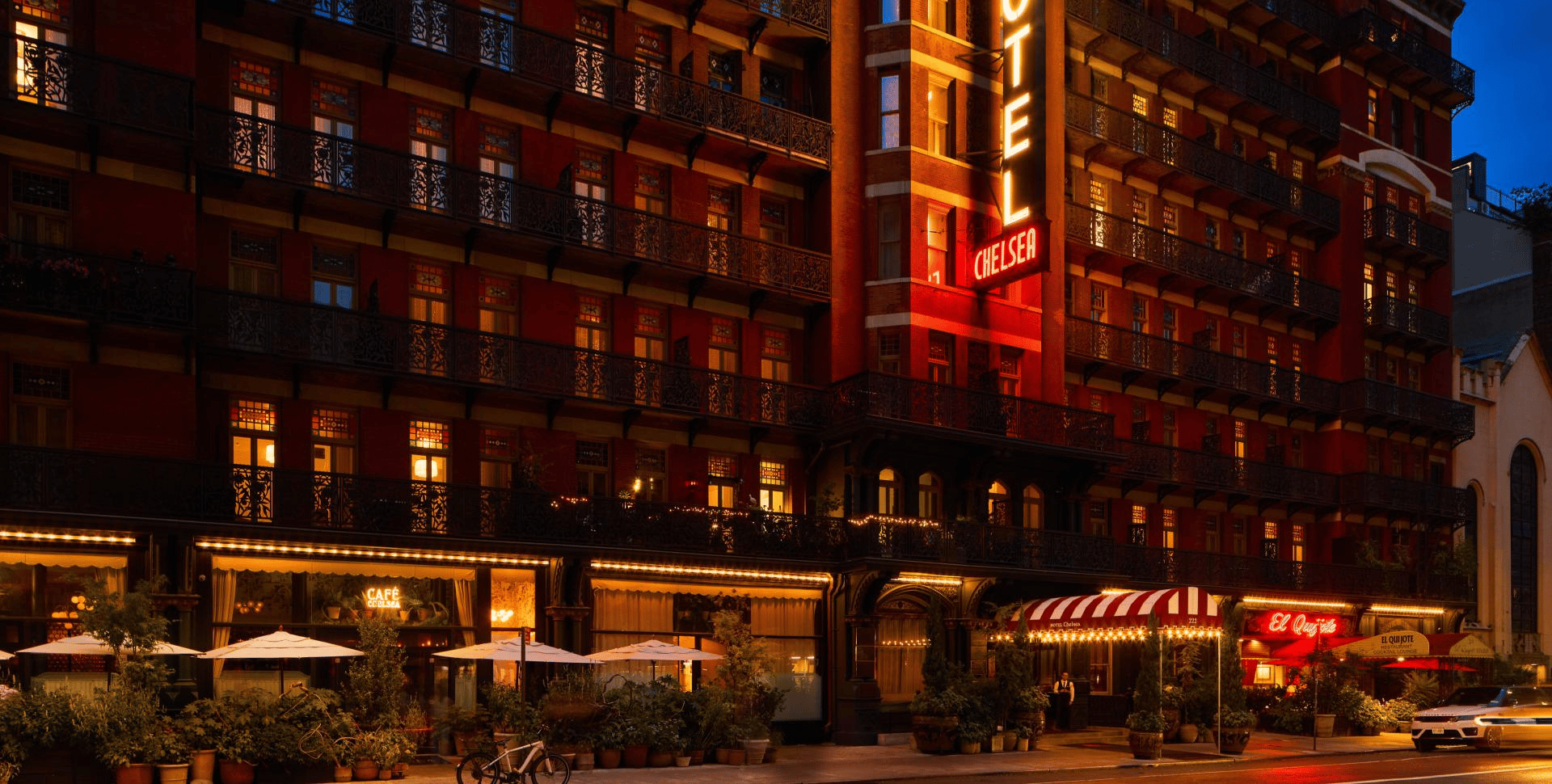
Café Chelsea
Inside the historic Hotel Chelsea, Café Chelsea feels especially appropriate for the neighborhood.
The French-American bistro serves everything from breakfast and weekend brunch to dinner and late-night drinks in a room that balances classic Parisian references with the artistic character of the hotel around it.
It works just as well for a leisurely lunch as it does for a proper dinner, but evening is when the room feels particularly special.
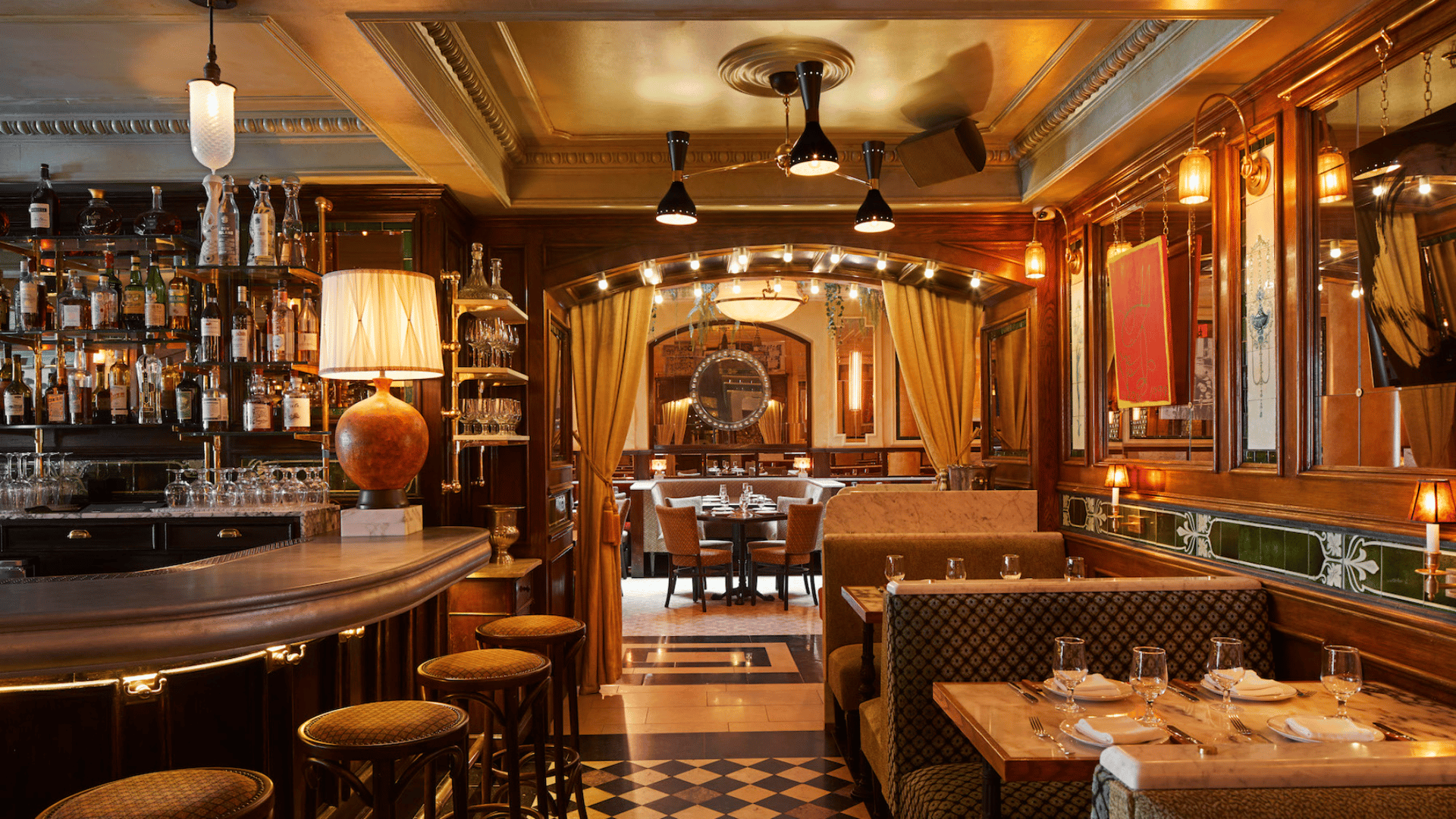
Portale
For Italian, Portale on West 18th Street brings chef Alfred Portale’s contemporary approach to a beautifully renovated carriage house.
The menu moves through seasonal vegetables, seafood, pastas and grilled meats with a refined but approachable sensibility, while the dining room feels sophisticated without becoming overly formal.
It is the kind of restaurant that works for a date night, a celebration or simply an evening when you want dinner to feel a little more considered.
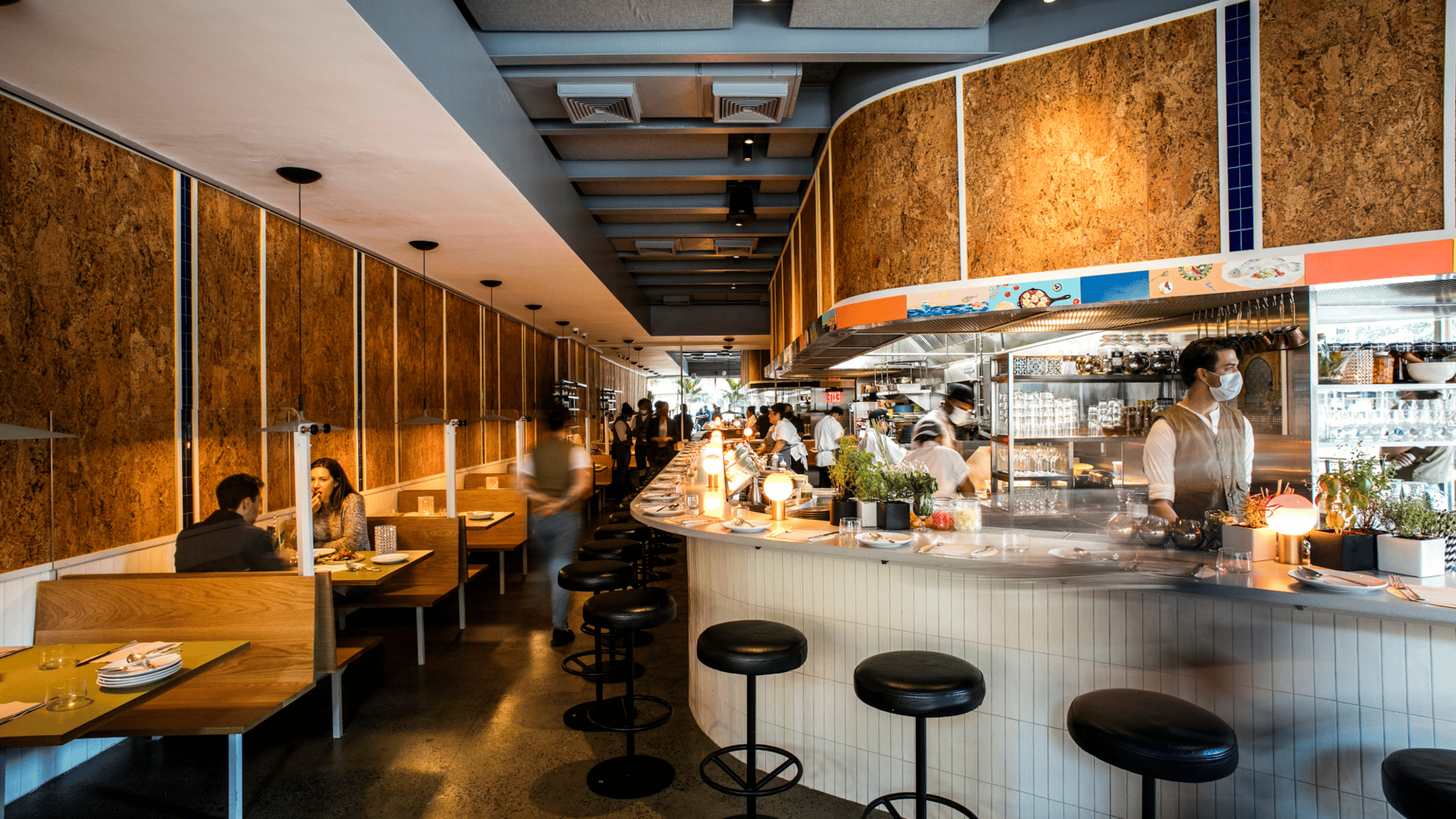
Shukette
Shukette on Ninth Avenue brings considerably more energy to dinner.
Chef Ayesha Nurdjaja’s menu draws inspiration from the cooking of the Levant, with house-made breads, dips, vegetables and dishes cooked over live fire designed to be shared across the table.
The open kitchen and lively dining room are part of the experience. Come with a few people, order generously and expect dinner to feel like the beginning of the evening rather than the end of it.
El Quijote
For something connected to Chelsea’s past, head back to Hotel Chelsea.
El Quijote has been part of the building since 1930, and its intimate dining room still feels wonderfully removed from the rest of Manhattan. The menu draws heavily on Spanish cooking, particularly the Basque Country, with tapas, seafood and dishes designed for sharing.
It is one of those New York restaurants where the room matters almost as much as what arrives at the table.
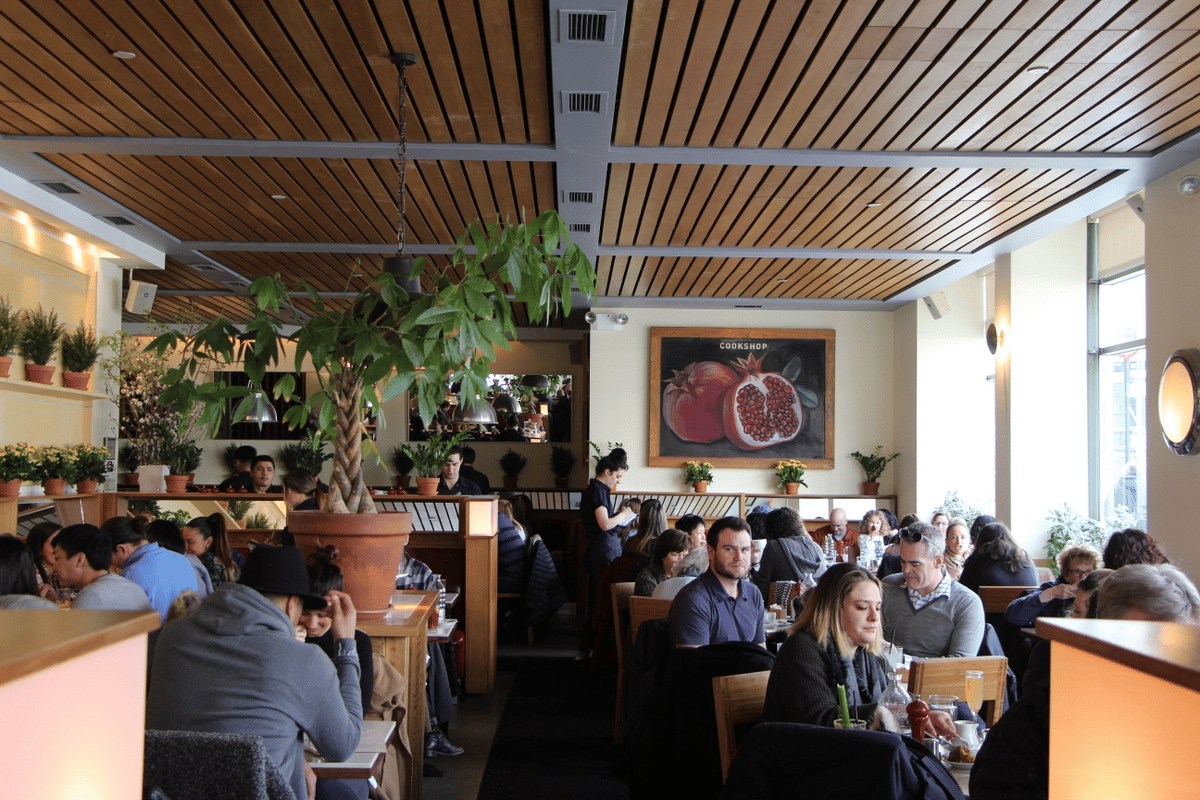
For something more relaxed: Cookshop
Across from the High Line on Tenth Avenue, Cookshop has the feel of a restaurant that genuinely belongs to its neighborhood.
The menu is built around seasonal American cooking and changes throughout the year, while the bright corner dining room and outdoor seating make it particularly good for lunch or weekend brunch.
It is polished enough to feel special but relaxed enough to become a regular stop.
Art and Culture in Chelsea
Few neighborhoods in New York make contemporary art this easy to experience.
You do not need a ticket or even much of a plan. Start walking west and entire afternoons can disappear between galleries, exhibitions, performance spaces and museums.
The West Chelsea Galleries
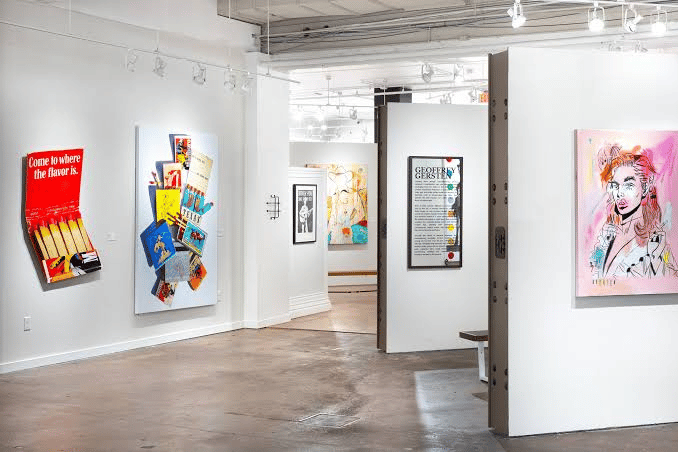
The blocks around West 19th, 20th, 21st, 22nd, 24th and 25th Streets form one of the world’s most significant concentrations of contemporary art galleries.
Former warehouses and industrial buildings have been transformed into vast exhibition spaces, while newer purpose-built galleries have added another architectural layer to the neighborhood.
The best approach is not to plan too much. Check what is showing, choose a few galleries and leave room to walk into whatever catches your attention along the way.
Dia Chelsea
Dia Chelsea on West 22nd Street is one of our favorite places for experiencing contemporary art at a slower pace.
Rather than trying to fill dozens of galleries, Dia often gives individual artists and installations the space to unfold over larger rooms and longer periods of time.
The industrial architecture, natural light and relatively calm atmosphere make it a particularly good counterpoint to a busy afternoon of gallery hopping.
Poster House
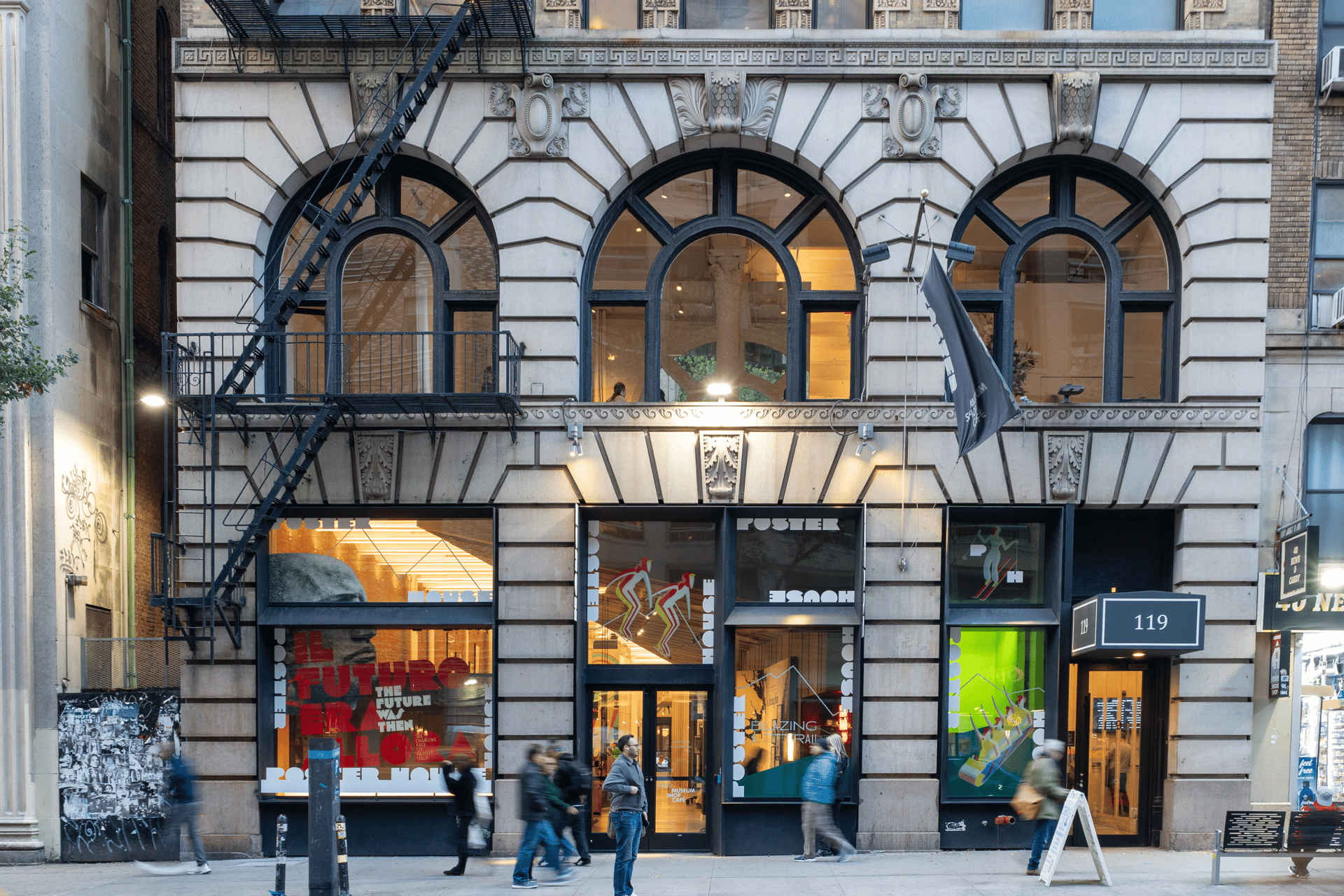
On West 23rd Street, Poster House is dedicated entirely to the art, history and cultural influence of posters.
Exhibitions can move between graphic design, advertising, politics, popular culture and visual communication, making it one of the neighborhood’s more unexpected museum experiences.
It is compact enough to combine easily with lunch, shopping or a longer walk through Chelsea.
The Joyce Theater
For dance, The Joyce Theater on Eighth Avenue remains one of New York’s essential performance spaces.
The intimate theater presents companies and choreographers working across contemporary dance, ballet and a wide range of international styles.
Its smaller scale makes performances feel particularly immediate — and makes it easy to build an entire Chelsea evening around dinner and a show.
When You Want a Drink
Raines Law Room
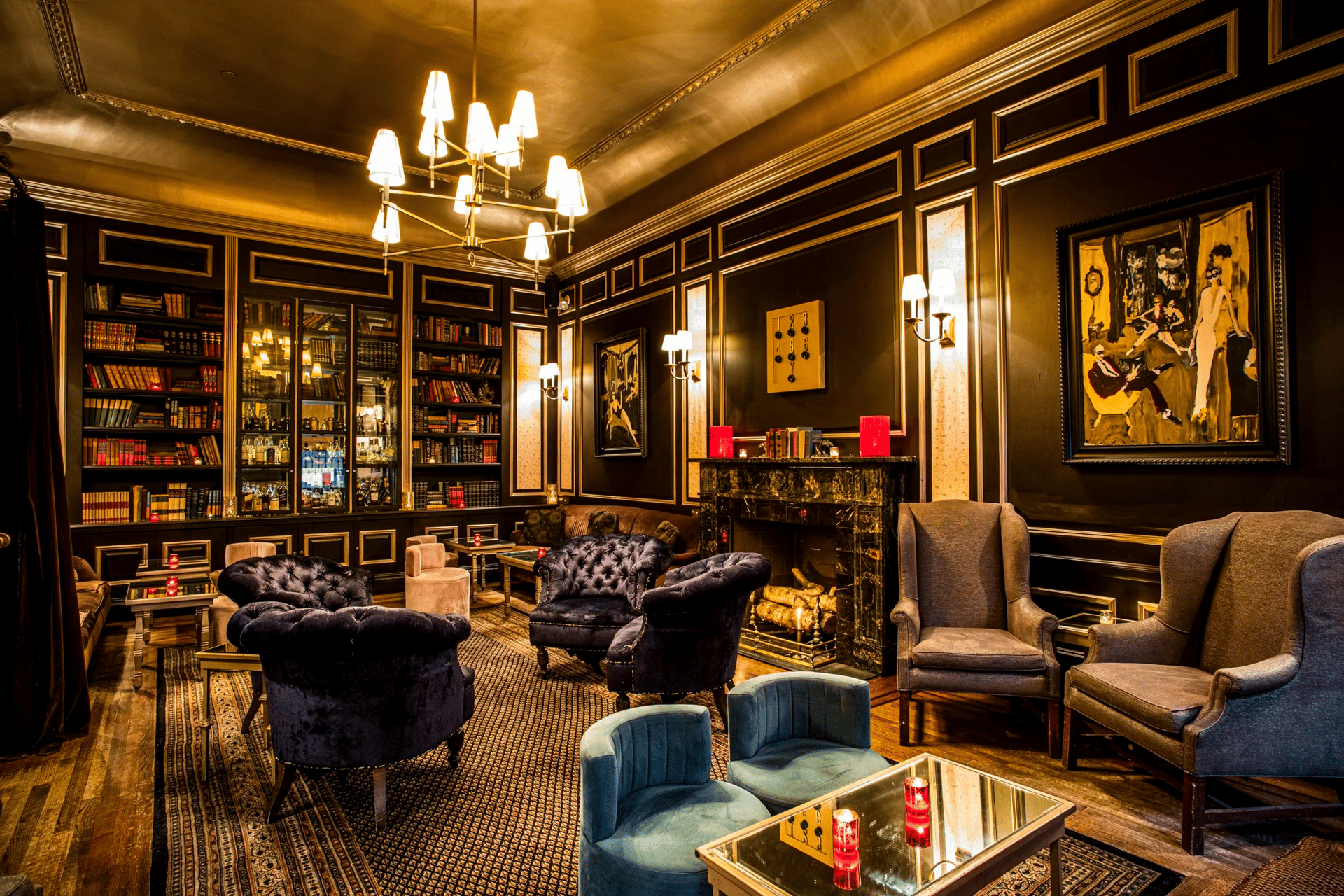
Hidden behind an understated entrance on West 17th Street, Raines Law Room is our pick for a proper Chelsea cocktail.
The room is dark, intimate and designed more like an elegant old apartment than a traditional bar, with plush seating, small corners and cocktails that remain the focus of the experience.
It works especially well for a drink before dinner or for somewhere quieter to end the night.
Get Outside
The High Line
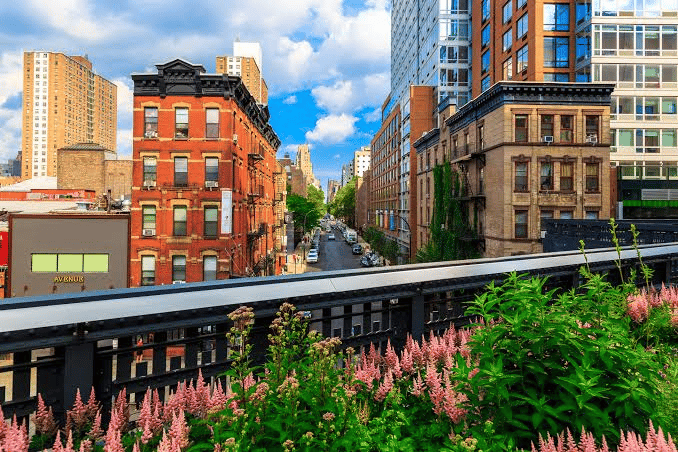
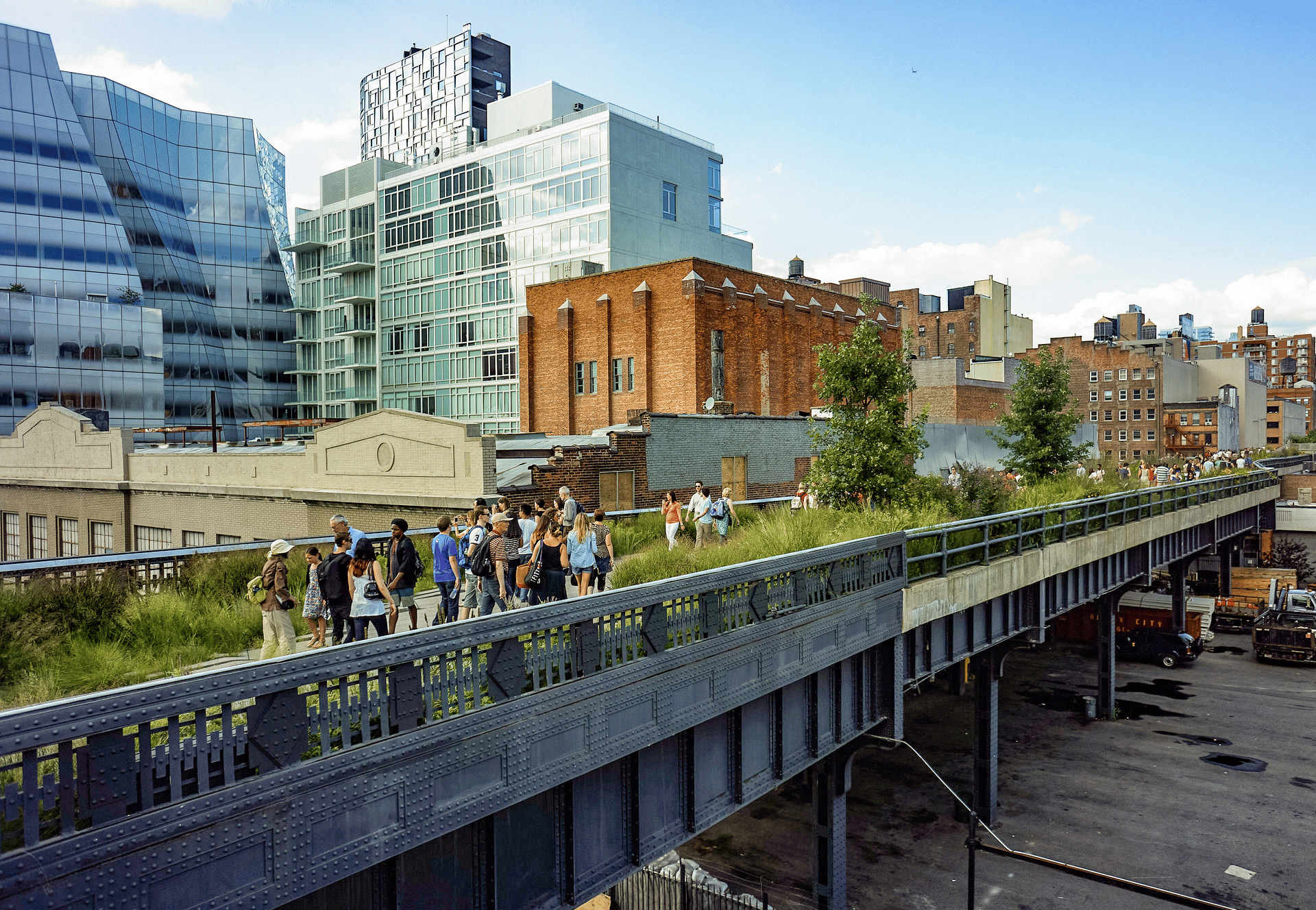
The High Line changed the way much of West Chelsea is experienced.
What was once an elevated freight rail line has become a landscaped public park running above the neighborhood, weaving between historic industrial buildings, new architecture, public art and gardens inspired by the wild landscape that once grew naturally along the abandoned tracks.
Enter around West 20th or 23rd Street and simply start walking.
The best part is the perspective: familiar Manhattan streets suddenly look completely different from a few stories above them.
The Hudson River Waterfront
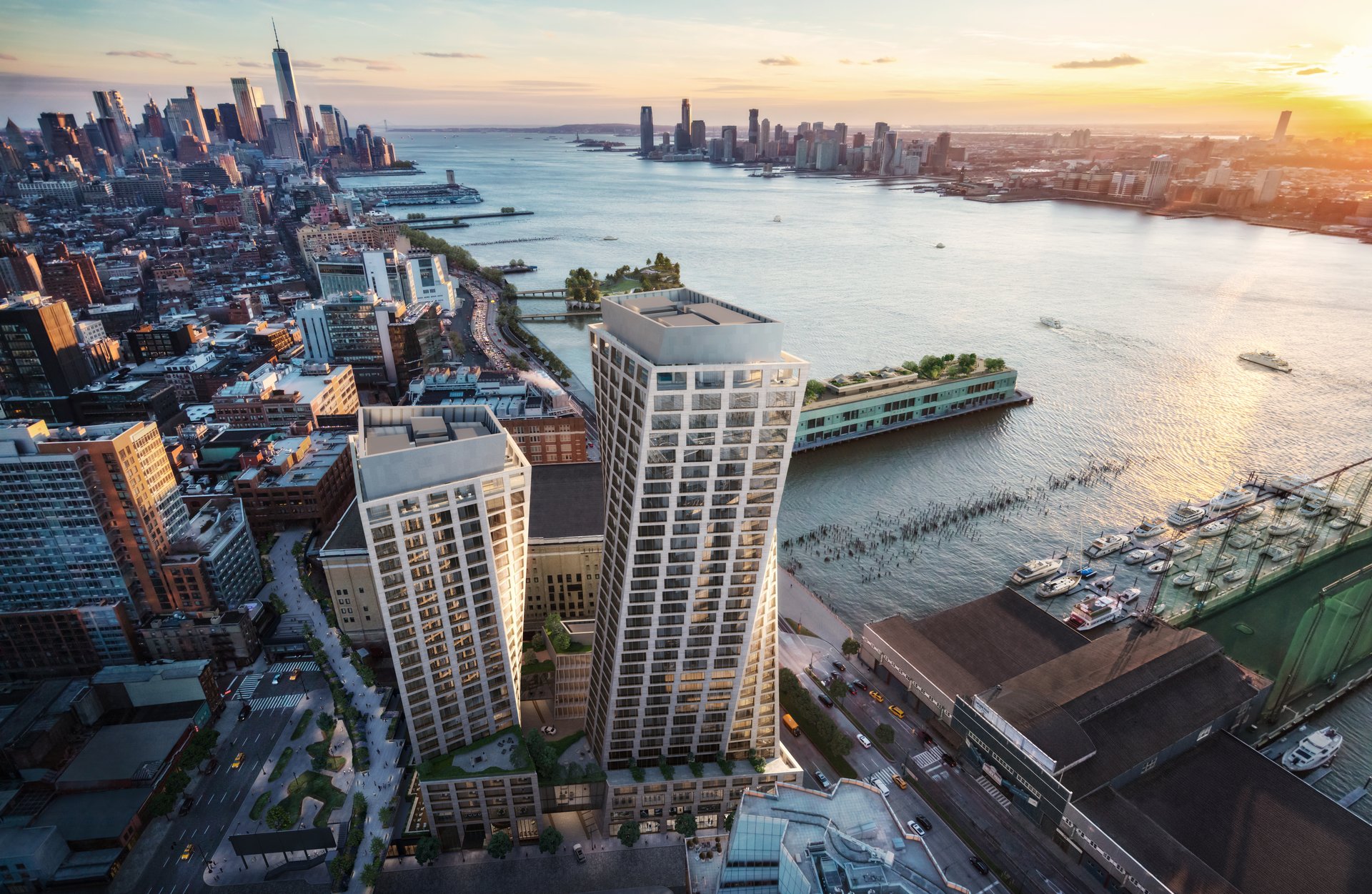
Keep heading west and Chelsea opens onto the Hudson.
Hudson River Park, Chelsea Waterside Park and the paths surrounding Chelsea Piers give the neighborhood a completely different feeling from its interior streets.
Walk or bike along the river, sit near the water or continue south as the skyline begins to catch the late-afternoon light.
For us, this is where you go for sunset.
Streets Worth Wandering
Some of Chelsea’s most beautiful blocks are away from its busiest destinations.
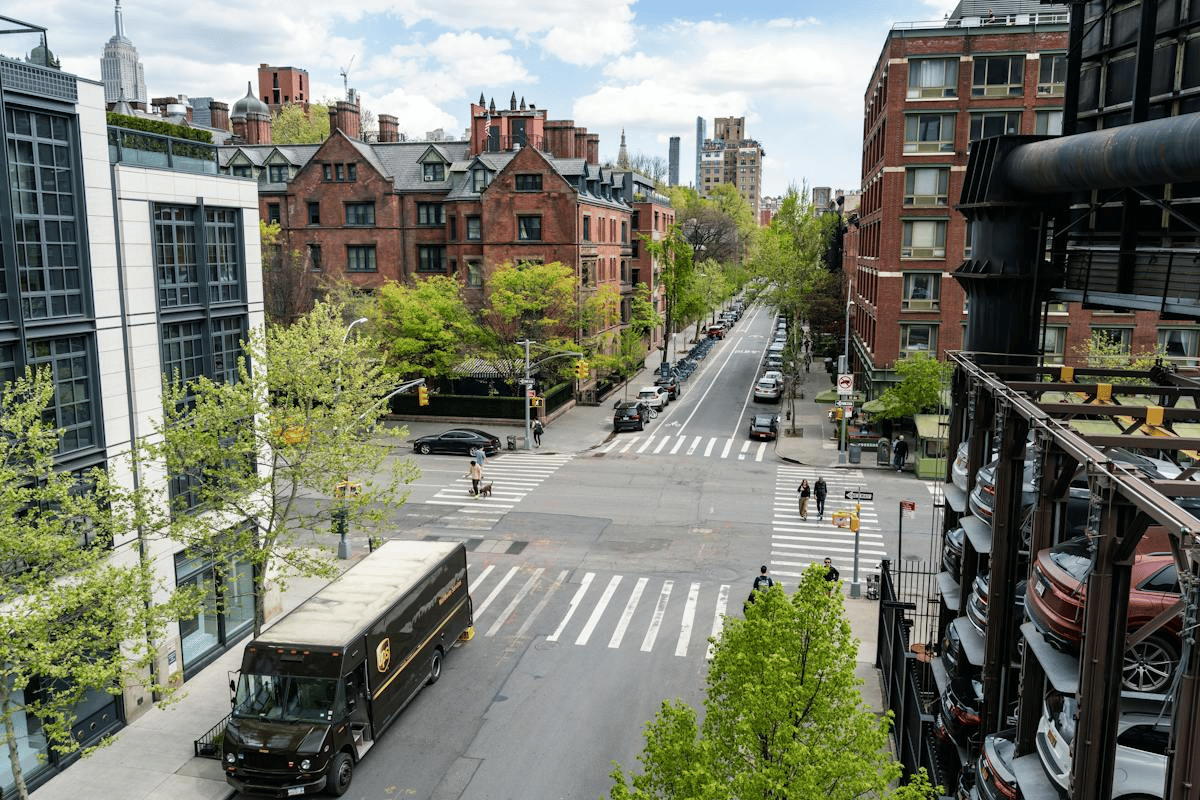
West 20th, 21st and 22nd Streets between Eighth and Tenth Avenues contain some of the neighborhood’s best preserved historic architecture, with rows of 19th-century houses creating an unexpectedly residential streetscape.
West 23rd Street tells another version of Chelsea, anchored by Hotel Chelsea and a mix of historic buildings, shops and restaurants stretching across the neighborhood.
Farther west, the blocks around Tenth Avenue and West 19th through 25th Streets become more industrial and contemporary, with galleries occupying former warehouses beside striking new residential buildings.
And when you reach Eleventh Avenue, the neighborhood opens toward the Hudson River and the architecture becomes larger, newer and increasingly dramatic.
Part of Chelsea’s appeal is how quickly one version of Manhattan turns into another.
Our Chelsea Shortlist
- For a neighborhood landmark: Hotel Chelsea
- For a special dinner: Café Chelsea
- For Italian: Portale
- For Mediterranean: Shukette
- For old New York: El Quijote
- For a relaxed brunch: Cookshop
- For a cocktail: Raines Law Room
- For contemporary art: the West Chelsea galleries
- For something quieter: Dia Chelsea
- For design: Poster House
- For dance: The Joyce Theater
- For food and shopping: Chelsea Market
- For a morning walk: the High Line
- For sunset: the Hudson River
Living in Chelsea
Residentially, Chelsea offers an unusual mix of historic Manhattan and contemporary downtown living.
The blocks within and around the Chelsea Historic District contain 19th-century rowhouses, brownstones and smaller residential buildings that give parts of the neighborhood an intimate scale.
Elsewhere, prewar apartment buildings and converted industrial properties introduce loft-style residences, higher ceilings and larger proportions associated with Chelsea’s manufacturing past.
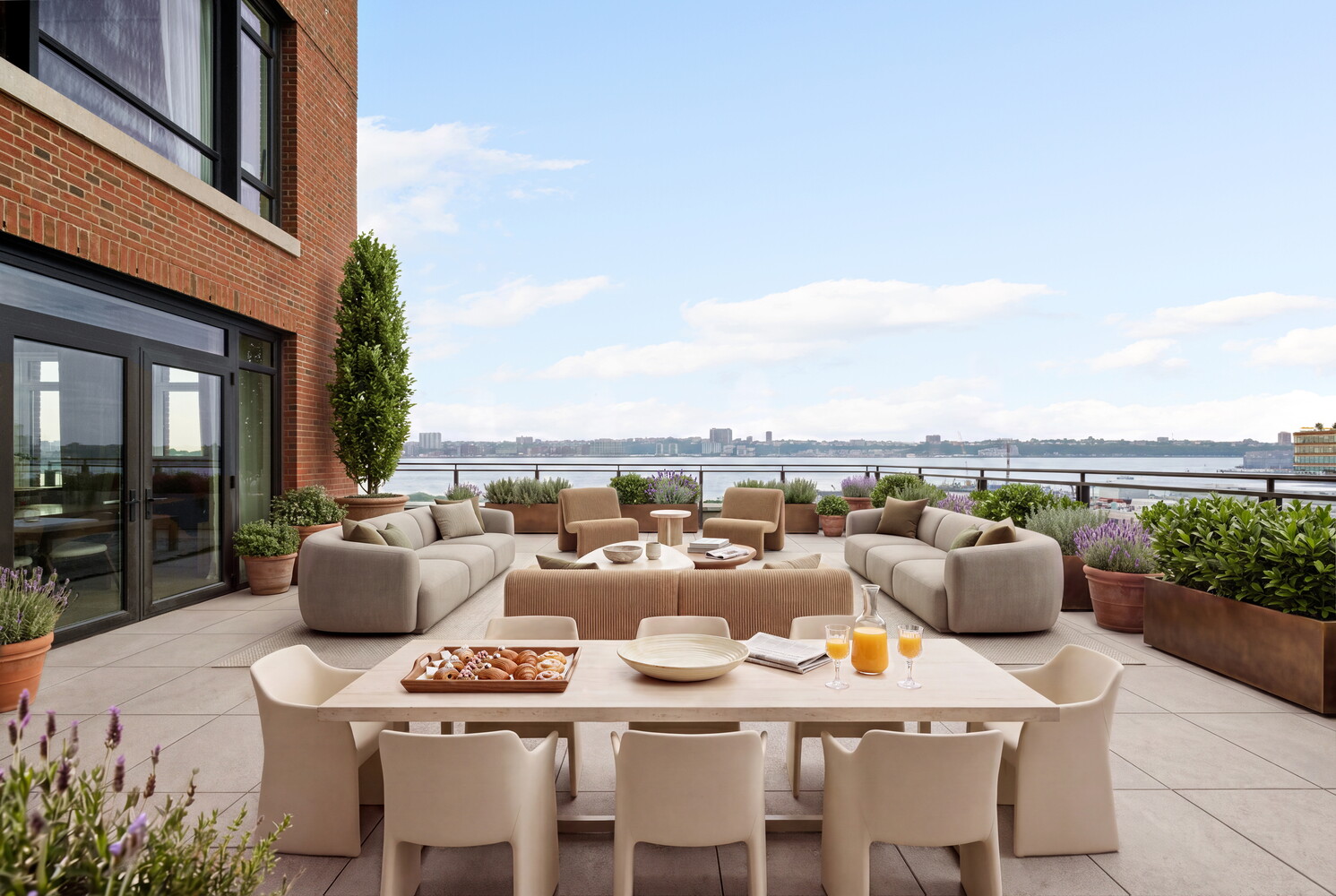
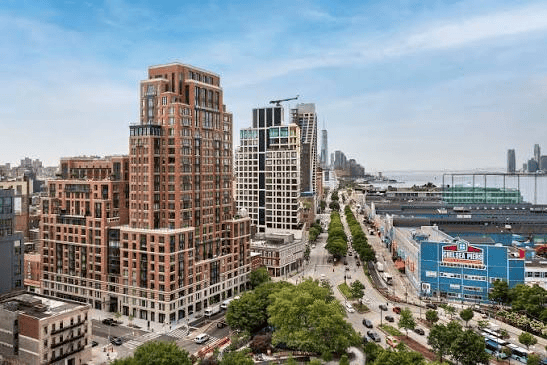
West Chelsea has added another layer entirely. Development around the High Line brought some of Manhattan’s most ambitious contemporary residential architecture to the neighborhood, with modern condominiums, floor-to-ceiling windows, private outdoor spaces and expansive views toward the Hudson River.
What connects these very different types of homes is the neighborhood around them: galleries, restaurants, the High Line, Chelsea Market, performance spaces and the waterfront are all close enough to become part of everyday life.
The Real Estate
Chelsea real estate is defined by variety.
In the historic heart of the neighborhood, townhouses and 19th-century rowhouses offer a more intimate form of Manhattan living, particularly on the residential streets between Eighth and Tenth Avenues.
Prewar cooperatives and condominium buildings add another traditional option throughout the neighborhood, ranging from smaller elevator buildings to larger full-service residences along the major avenues.
Chelsea is also known for loft living. Former commercial and industrial buildings have been converted into residences with larger rooms, high ceilings, oversized windows and layouts that often feel distinctly different from more conventional Manhattan apartments.
Farther west, contemporary condominium development has transformed the blocks surrounding the High Line. Many of these buildings emphasize architecture as much as interiors, with floor-to-ceiling glass, private terraces, full-service amenities and views over the park, city or Hudson River.
From historic townhouses and classic prewar apartments to authentic lofts and contemporary luxury condominiums, Chelsea offers one of downtown Manhattan’s most architecturally diverse residential landscapes.
Find a Home in Chelsea
Whether you are drawn to a historic townhouse on a quiet side street, a classic loft, a prewar residence or a contemporary condominium overlooking the High Line, explore what is currently available across Chelsea.