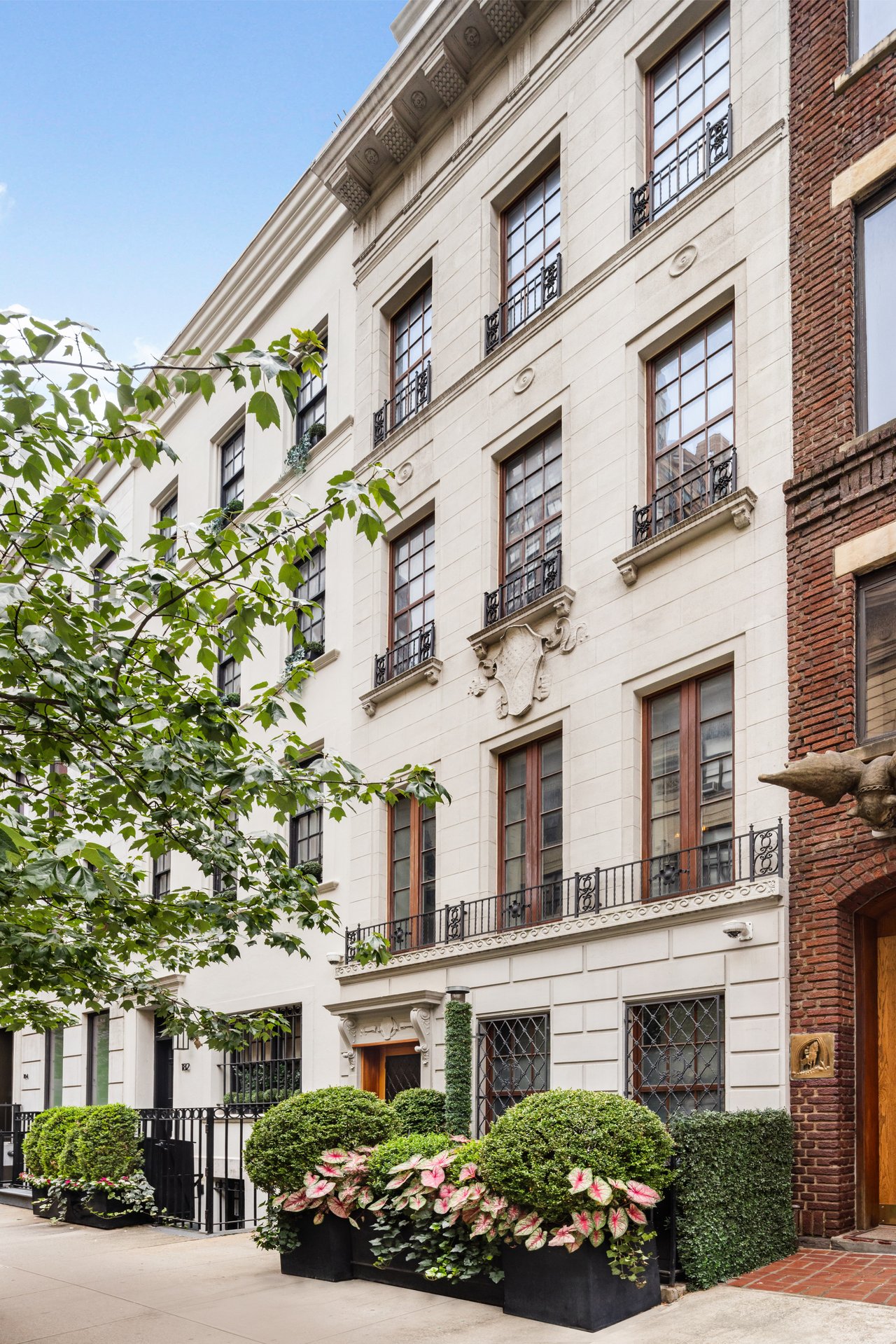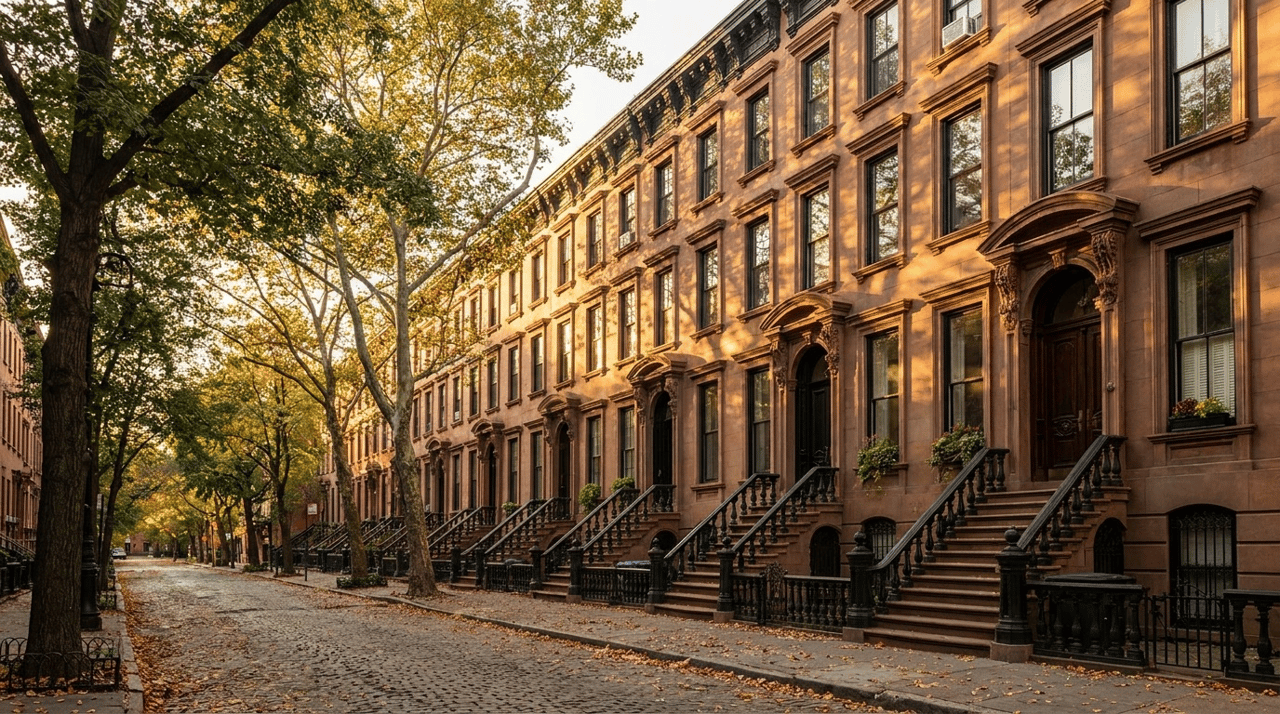
There's something special about having your own front door in Manhattan. No shared lobby, no elevator rides, just a beautiful townhouse, perhaps with a classic stoop, a private garden, and several floors to call your own.
On the Upper East Side, these homes are some of the city's most coveted properties. From historic brownstones on quiet, tree-lined streets to grand limestone mansions just steps from Central Park, townhouses offer a kind of privacy and independence that's increasingly hard to find in New York City.
But buying one is a little different from purchasing a condo or co-op. Location, building width, renovation history, and even which side of the block a home sits on can make a considerable difference.
As of November 5, 2026, a listing snapshot shows 65 townhouses available for purchase on the Upper East Side. For buyers considering this distinctive corner of the Manhattan real estate market, here's what to know before beginning the search.
Photo courtesy of @goodmanphoto
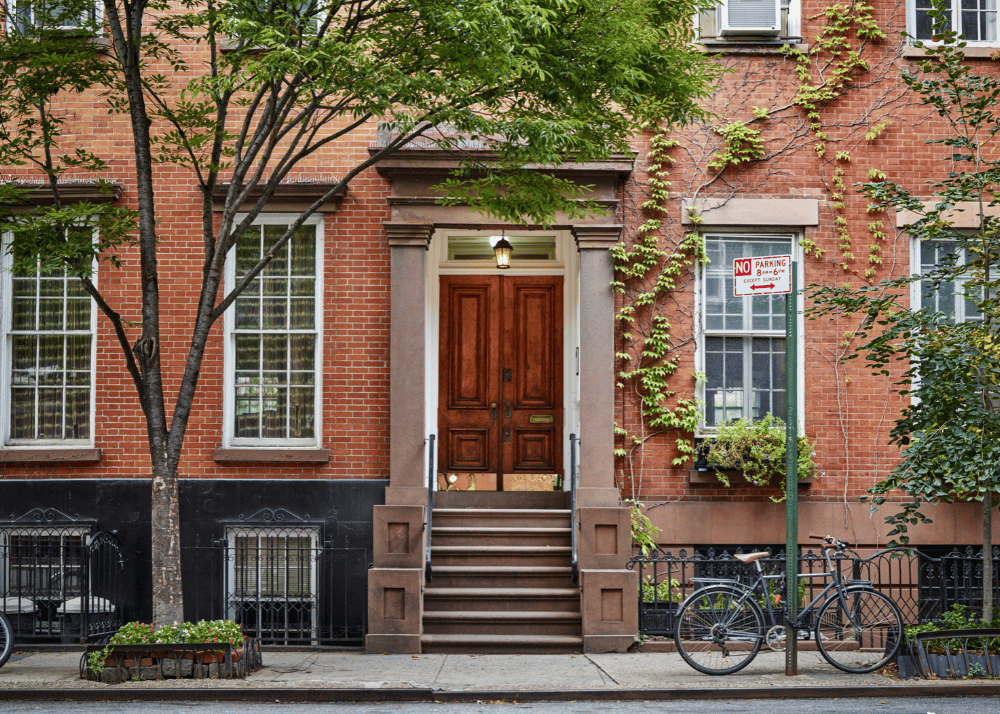
How Much Does an Upper East Side Townhouse Cost in 2026?
The short answer? It depends enormously on the property.
Unlike apartments, where buyers can often compare similar units within the same building, Manhattan townhouses are remarkably individual. Two homes on the same street can have entirely different layouts, architectural histories, renovation standards, and asking prices.
As of October 2026, publicly advertised Upper East Side houses range from the low $3 millions for smaller or less conventional properties to more than $50 million for exceptional mansions.
At the very top of the market, a nearly 16,000-square-foot mansion at 165 East 70th Street was listed for $80 million in October 2026, demonstrating just how extraordinary the neighborhood's most prestigious properties can be.
Most buyers, of course, are looking at a very different segment of the market.
A smaller townhouse farther east might be priced around $3 million to $6 million, while larger, beautifully renovated homes on established residential blocks can command $10 million, $15 million, or considerably more.
Recent sales also reflect the Upper East Side’s enduring appeal. According to a third-quarter 2026 Manhattan townhouse market report, the neighborhood led the borough with approximately $764.8 million in year-to-date townhouse sales.
Among the notable transactions were 160 East 81st Street, which sold for $23 million, and 34–36 East 70th Street, which sold for $20.72 million.
These numbers tell an interesting story: buyers continue to value the rarity, scale, and privacy that a Manhattan townhouse can provide.
Still, asking prices and completed sales are two different things. Understanding what comparable homes have actually sold for is essential when evaluating a particular property.
Photo courtesy of 6sqft
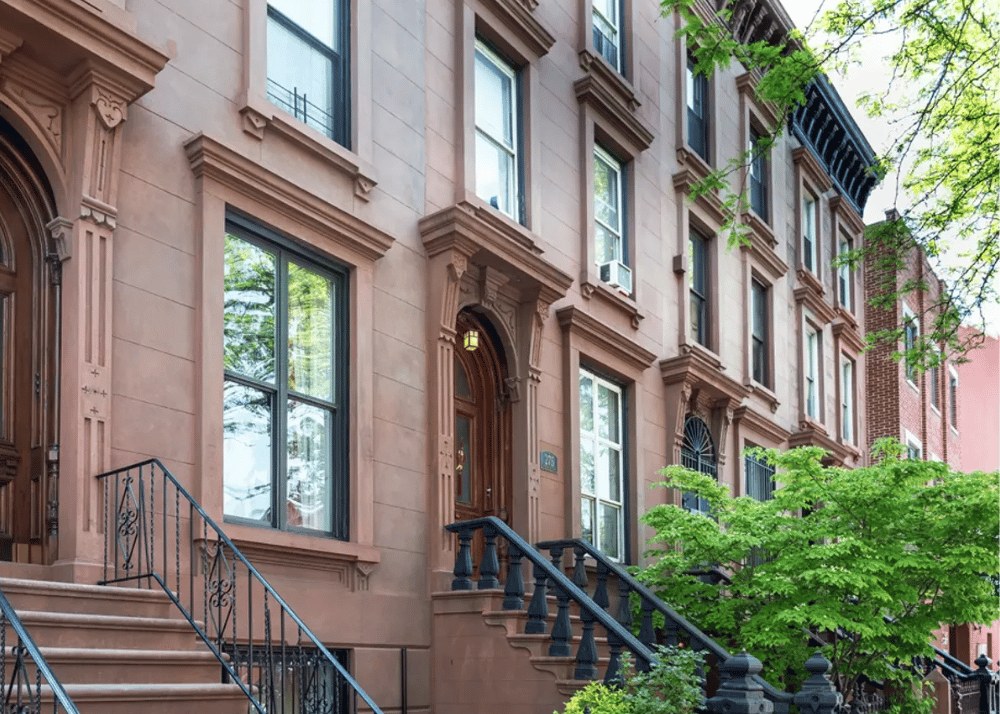
Which Upper East Side Blocks Are Best for Townhouse Buyers?
One of the pleasures of searching for an Upper East Side townhouse is discovering how much the neighborhood changes from one street to the next.
Broadly stretching from East 59th to East 96th Street, between Central Park and the East River, the Upper East Side contains several distinct residential areas, each offering its own architectural character and lifestyle.
East 60s and 70s: Classic Upper East Side Elegance
For buyers imagining the quintessential Upper East Side townhouse, the East 60s and 70s are a natural place to begin.
The side streets between Fifth Avenue, Madison Avenue, and Park Avenue are home to some of Manhattan's most impressive historic residences. Beautiful limestone facades, ornate entryways, tall windows, and grand entertaining floors are familiar sights.
East 62nd, 63rd, 70th, 72nd, and 74th Streets are among the streets worth exploring, particularly for buyers seeking proximity to Central Park, Madison Avenue shopping, and the neighborhood's cultural institutions.
These prestigious locations frequently command substantial premiums, especially for wide, fully renovated homes with private outdoor space.
Photo courtesy of Corcoran
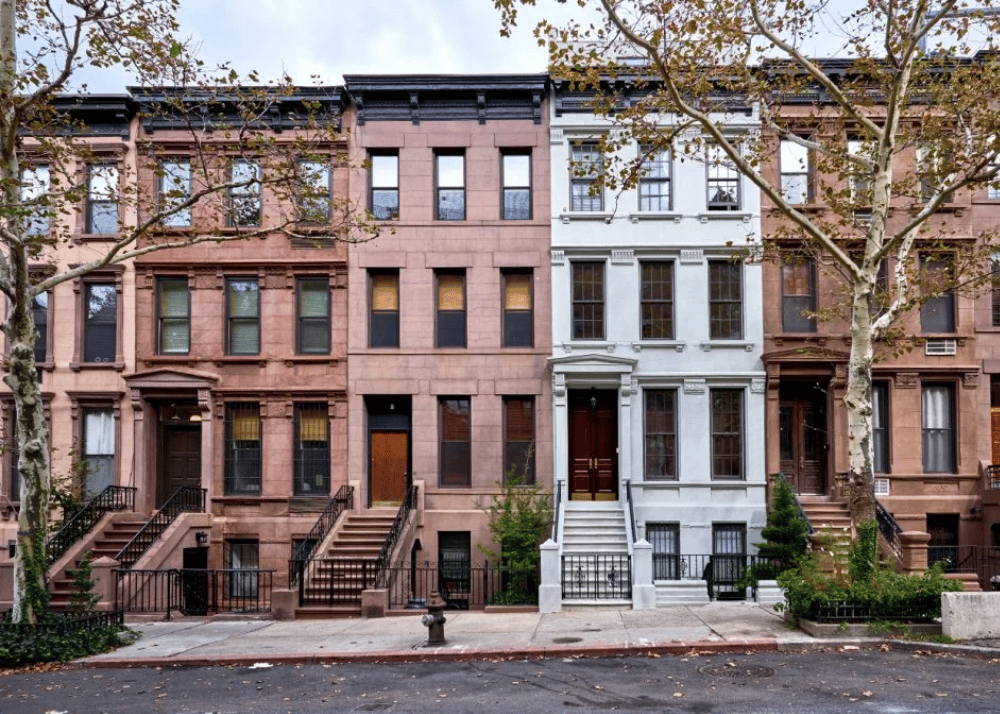
East 80s and 90s: The Charm of Carnegie Hill
Farther north, Carnegie Hill offers a slightly quieter residential atmosphere without sacrificing the elegance associated with the Upper East Side.
The neighborhood is especially appealing for its beautiful architecture, tree-lined blocks, and proximity to Central Park and Museum Mile.
East 88th, 90th, 91st, 92nd, and 94th Streets are excellent places to appreciate the area's historic townhouses, particularly around Madison and Park Avenues.
Here, buyers can discover everything from traditional brownstones to substantial limestone residences, often surrounded by some of Manhattan's most beautifully preserved architecture.
Yorkville: More Variety Farther East
For buyers open to looking beyond the traditional Park and Madison Avenue corridors, Yorkville deserves attention.
Located toward the eastern side of the Upper East Side, particularly in the East 80s and 90s, Yorkville offers a different residential experience.
Townhouses along streets such as East 84th, 87th, and 88th can provide appealing alternatives to properties closer to Central Park, sometimes at considerably different price points.
The neighborhood also benefits from its proximity to Carl Schurz Park, the East River waterfront, and the Second Avenue subway.
It's a wonderful reminder that buying on the Upper East Side doesn't necessarily mean choosing the most expensive block. Sometimes the right home is simply a few avenues farther east.
Photo courtesy of Milton Coste
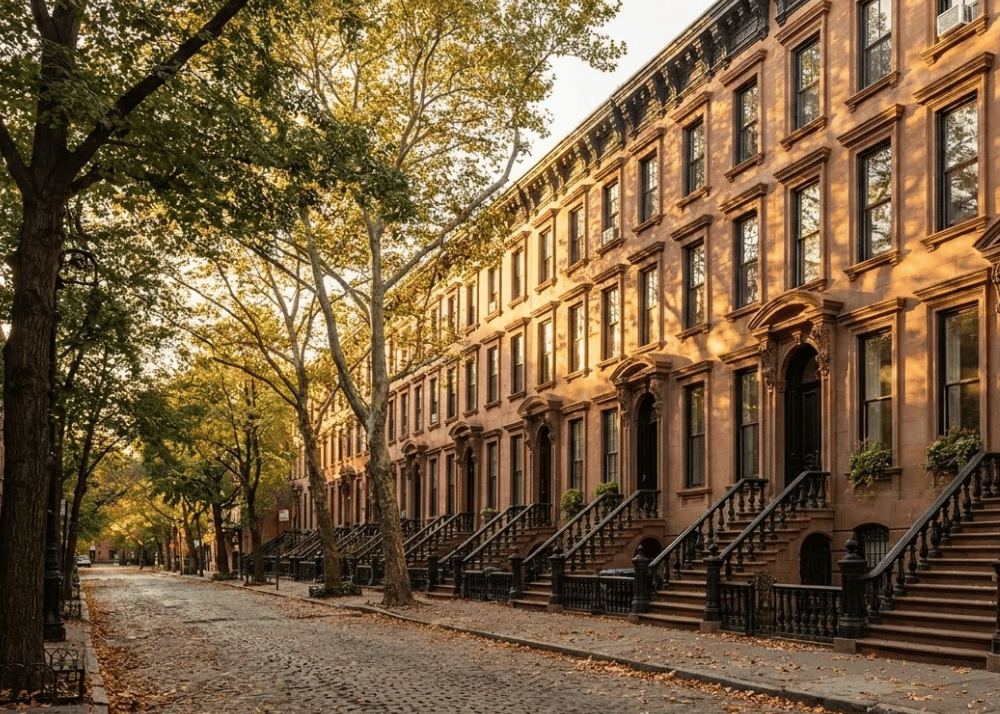
What Makes One Townhouse More Valuable Than Another?
A beautiful facade might be what first catches your attention, but several less obvious details can have an even greater influence on a townhouse's value.
Building width is one of the most important.
Manhattan townhouses are often built on relatively narrow lots, and even a few additional feet of frontage can dramatically change the interior experience. Wider homes may offer larger entertaining rooms, more flexible floor plans, and better separation between living spaces.
Natural light is another important consideration. Since traditional townhouses often share walls with neighboring buildings, windows are generally concentrated at the front and rear. The depth of the property, nearby buildings, and the orientation of the garden all influence how bright the rooms feel throughout the day.
Then there's outdoor space.
A landscaped garden, private terrace, or beautifully designed roof deck can be a tremendous asset in Manhattan, particularly when it connects naturally to the home's principal living areas.
Other features buyers often prioritize include ceiling heights, original architectural details, elevators, finished lower levels, and the overall quality of renovations.
And while location will always matter, a thoughtfully renovated townhouse on a slightly less prominent block may be more appealing to some buyers than a grander address requiring extensive work.
Photo courtesy of Oleg Davidoff
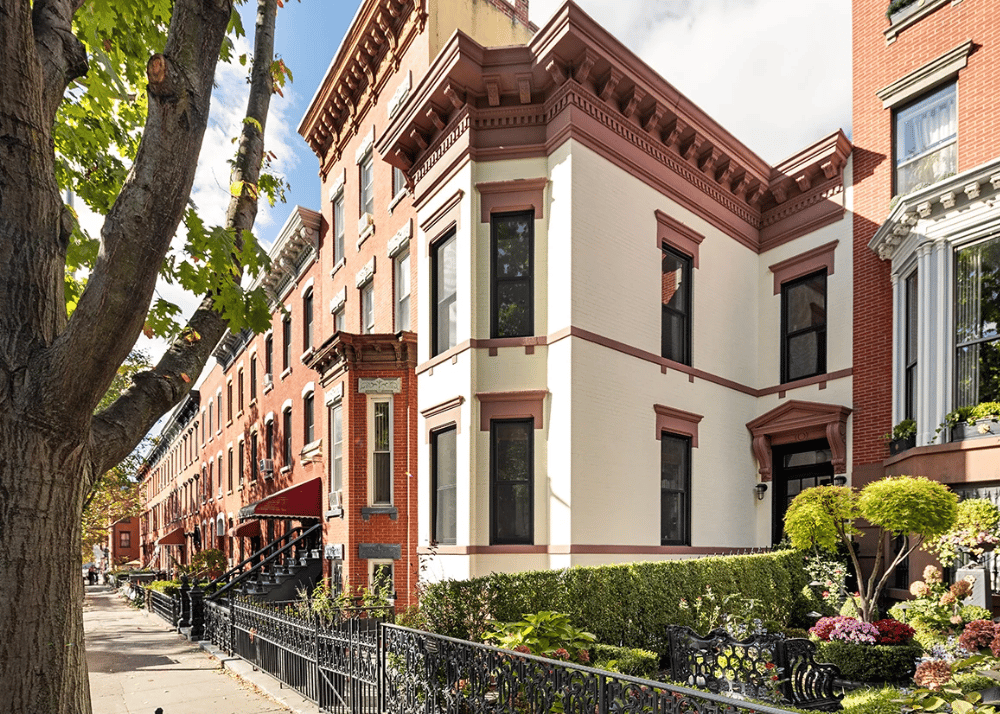
Is It Better to Buy a Renovated Townhouse or a Fixer-Upper?
This is one of the biggest decisions facing townhouse buyers.
A beautifully renovated property offers the obvious benefit of convenience. Updated mechanical systems, modern kitchens, contemporary bathrooms, and thoughtfully designed layouts can make moving in considerably easier.
But there's also something appealing about finding a historic home that hasn't yet been fully reimagined.
An unrenovated townhouse may offer an opportunity to create a completely personalized residence while preserving original details such as fireplaces, moldings, staircases, and decorative woodwork.
However, buyers should approach substantial renovation projects with realistic expectations.
Older buildings may require updates to plumbing, electrical systems, heating and cooling, waterproofing, roofs, and structural components. Excavating a cellar, adding an elevator, or reconfiguring multiple floors can introduce additional engineering, permitting, and construction challenges.
Before purchasing a property that needs extensive work, it's wise to consult an architect, contractor, and qualified building inspector familiar with historic New York City townhouses.
The goal is to understand not only what a renovation might cost, but also what's legally and physically possible.
Don't Forget About Historic District Restrictions
One of the reasons the Upper East Side remains so architecturally beautiful is that significant portions of the neighborhood are protected by landmark regulations.
The Upper East Side Historic District was designated in 1981, while Carnegie Hill contains its own designated historic districts.
If a townhouse is individually landmarked or located within a historic district, certain exterior changes require approval from the New York City Landmarks Preservation Commission.
That can include replacing windows or doors, altering masonry, changing a stoop, or constructing rooftop and rear additions.
This doesn't mean renovations are impossible. Many historic townhouses have been successfully modernized while retaining their architectural character.
It simply means buyers should investigate a property's landmark status early, particularly if their plans involve significant changes to the exterior.
A beautiful rooftop expansion might look wonderful in an architect's rendering, but its feasibility should never be assumed before reviewing the applicable regulations.
Photo courtesy of StreetEasy
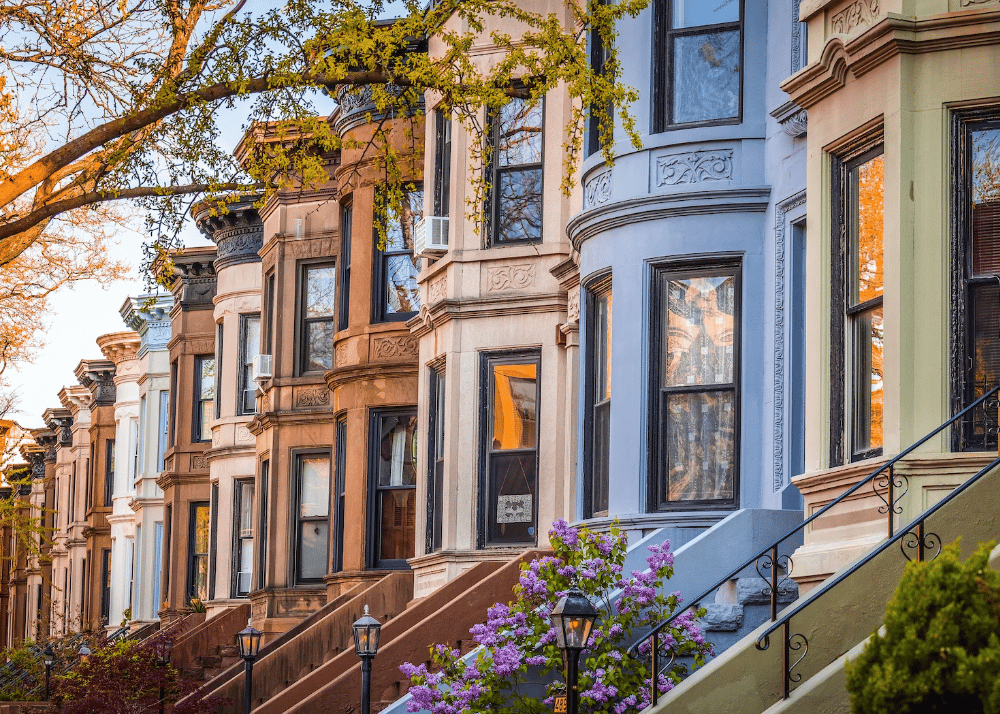
Single-Family or Multi-Family? Know What You're Buying
Not every Upper East Side townhouse is legally configured as a single-family residence.
Some properties contain two or three apartments, while others have been converted into offices, professional spaces, or larger multi-family buildings.
This distinction is particularly important for buyers hoping to transform an existing property into a single-family home.
Before closing, buyers should confirm the property's legal occupancy and investigate any previous alterations.
The New York City Department of Buildings maintains records that can help establish a building's permitted use, construction history, outstanding violations, and relevant permits.
One detail worth knowing: buildings constructed before 1938 may not have a Certificate of Occupancy unless subsequent alterations triggered that requirement. In some circumstances, a Letter of No Objection can help establish the building's legal use.
A qualified real estate attorney and architect can help identify potential issues before they become expensive surprises.
It's also worth confirming the ownership structure. A conventional fee-simple townhouse generally offers greater independence than a condo or co-op, but a property advertised as a townhouse-style residence may have a different legal arrangement.
Photo courtesy of Robb Report
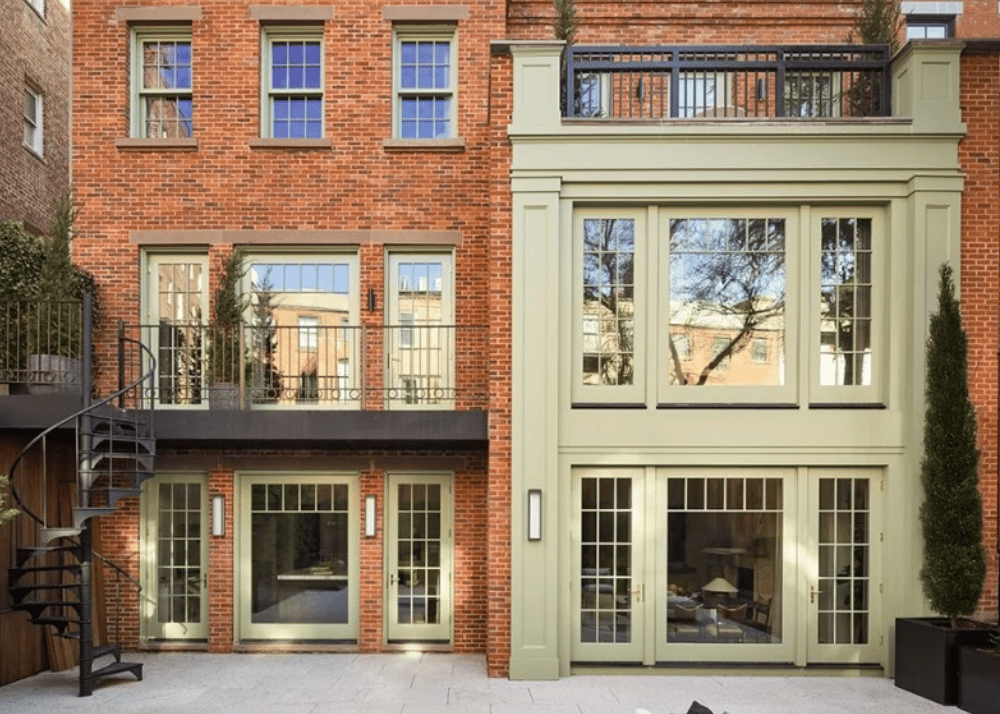
What Are the Hidden Costs of Owning an NYC Townhouse?
Buying a townhouse means taking responsibility for an entire building, and that comes with expenses beyond the purchase price.
Unlike most apartment owners, townhouse owners generally manage their own roof, facade, heating systems, plumbing, exterior maintenance, and repairs.
Property taxes are another major consideration.
In New York City, most one-, two-, and three-family homes are classified as Tax Class 1, while residential properties with four or more units generally fall under Tax Class 2. These classifications can produce significantly different tax calculations.
Buyers should review the actual property's tax bill and assessment history rather than estimating taxes from the asking price.
Closing costs also deserve careful planning.
New York State's mansion tax begins at 1% for residential purchases of $1 million or more, with additional supplemental rates applying to higher-priced NYC transactions. On a $5 million residential purchase, the buyer's combined mansion and supplemental taxes generally total $112,500, before other closing expenses.
Financed purchases can also involve mortgage recording taxes, lender fees, title expenses, and legal costs.
There's also an important new consideration for certain second-home buyers. New York City's 2026 non-primary residence surcharge can apply to qualifying one-, two-, and three-family properties with Department of Finance market values at or above the applicable $5 million threshold when they aren't used as a primary residence. Buyers planning a part-time residence should review the current rules and available exemptions with their attorney or tax adviser.
None of these costs should necessarily discourage a purchase. They simply belong in the financial picture from the beginning.
Photo courtesy of Scott Frances
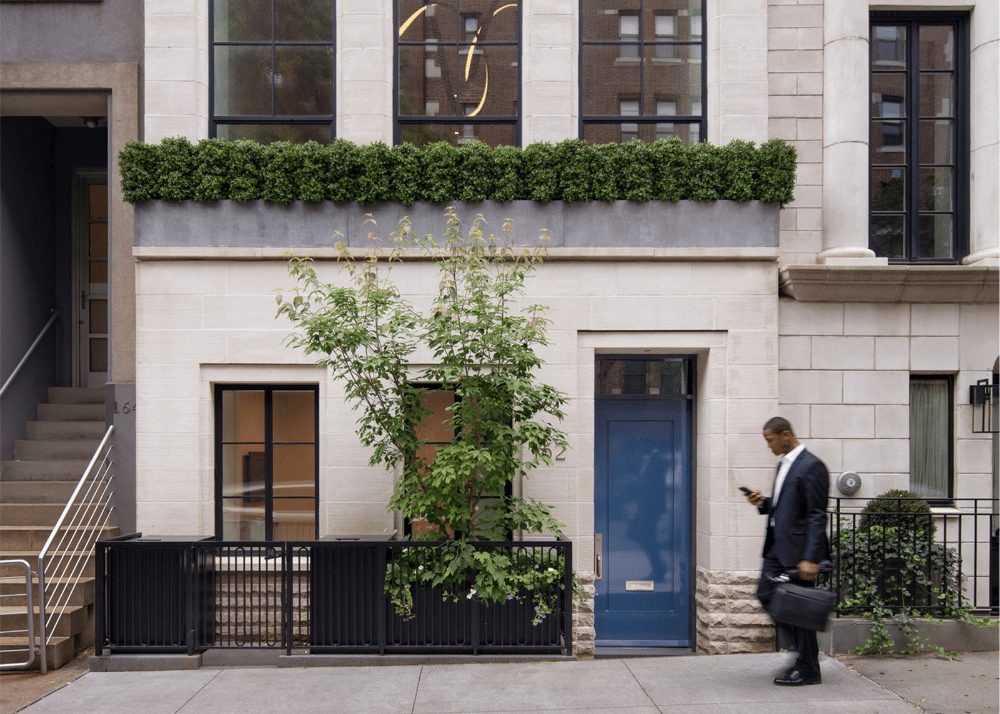
Is Buying an Upper East Side Townhouse Worth It?
For the right buyer, owning a townhouse on the Upper East Side offers something truly distinctive.
There's the freedom of having an entire building to yourself, the possibility of private outdoor space, and the pleasure of living in a neighborhood defined by generations of extraordinary architecture.
There are trade-offs, of course. Maintenance requires planning, renovations can be complex, and finding the right property may take patience.
But there's also a reason these homes continue to attract buyers year after year.
A townhouse isn't just about square footage or a prestigious address. It's about the experience of living in Manhattan with a little more privacy, a little more independence, and a front door that's entirely your own.
And on the Upper East Side, that combination is hard to replicate.
Frequently Asked Questions About Buying an Upper East Side Townhouse
1. How much does a townhouse cost on the Upper East Side in 2026?
Upper East Side townhouses vary significantly in price. As of October 2026, advertised properties include smaller homes in the low $3 millions, larger residences in the $5 million to $15 million range, and exceptional luxury mansions asking $25 million to $80 million. Location, building width, condition, outdoor space, and architectural significance all influence value.
2. What are the best streets to buy a townhouse on the Upper East Side?
Popular areas include the East 60s and 70s near Fifth, Madison, and Park Avenues, along with Carnegie Hill's beautiful residential blocks in the East 80s and 90s. Yorkville also offers attractive townhouse options farther east. The best street ultimately depends on a buyer's priorities, preferred lifestyle, and budget.
3. Can you renovate a landmarked Upper East Side townhouse?
Yes. Renovations are generally possible, but properties designated as individual landmarks or located in historic districts may require approval from the NYC Landmarks Preservation Commission for exterior alterations. Certain projects, including rooftop additions or significant facade changes, can involve more extensive review.
4. Are Upper East Side townhouses more expensive than condos?
Townhouses often have a much higher total purchase price than individual condo apartments because buyers are purchasing an entire building and, in a conventional fee-simple purchase, the underlying land. However, comparing price per square foot requires consideration of condition, location, layout, ownership structure, and the type of space being measured.
5. Do Upper East Side townhouses have monthly maintenance fees?
Most traditional fee-simple townhouses don't have co-op-style monthly maintenance charges or condo common charges. However, owners are responsible for property taxes, insurance, utilities, repairs, and ongoing building maintenance. Townhouse-style condominium properties may have common charges, so confirming the ownership structure is essential.