Trying to decide between a Gramercy Park townhouse and a family-sized apartment? You’re weighing space, school runs, park time and what daily life will actually feel like. In this guide, you’ll get a clear, practical comparison of lifestyle, costs, schools, park access and mobility so you can choose with confidence. Let’s dive in.
The Gramercy choice
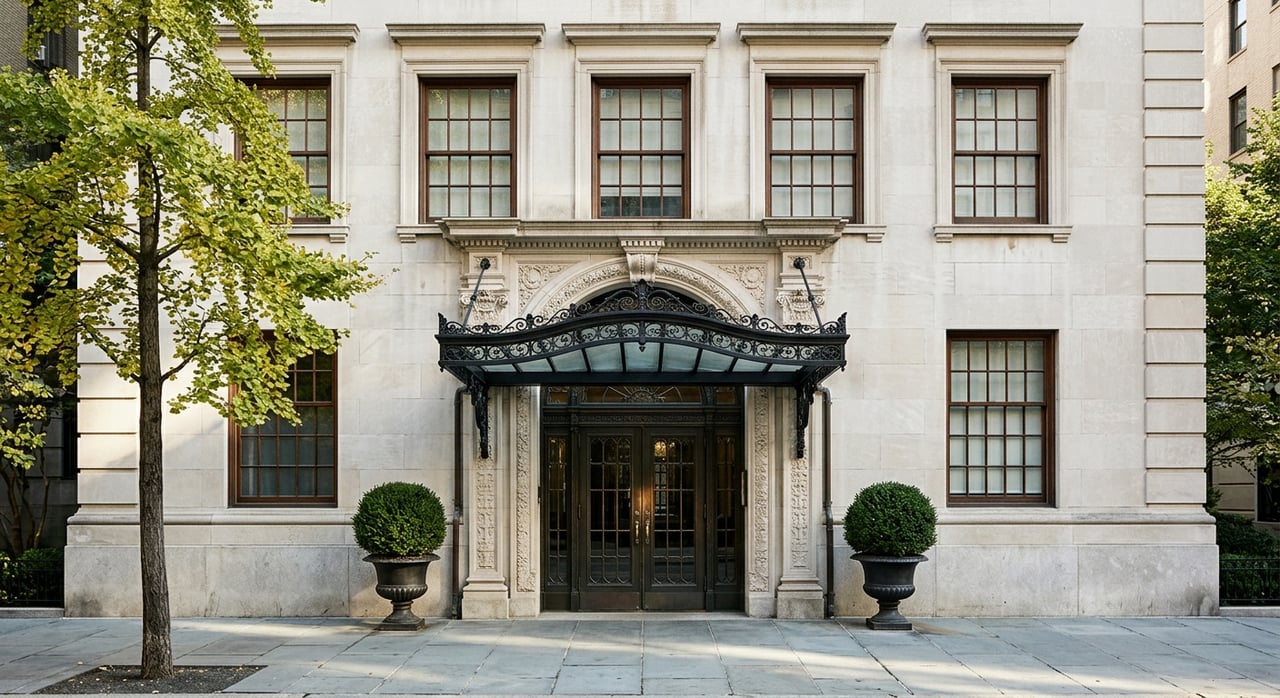
Set on tree-lined blocks around a privately fenced, roughly 2‑acre green, Gramercy Park reads quieter and more residential than many Manhattan neighborhoods, with prewar townhouses and boutique buildings framing the square. The park itself is private and accessible only to keyholders and certain institutions, a unique feature that shapes family routines for those with access. For context on the neighborhood and the park’s rules, see the overview of Gramercy Park.
At a high level, you’re choosing between two strong options:
- A townhouse: a vertical, house-like layout with a private entry, multiple floors and, at times, a garden or roof deck.
- A larger apartment: a prewar co-op or modern condo with an elevator, doorman and shared amenities that can stand in for private outdoor space.
Space and layout: how you live
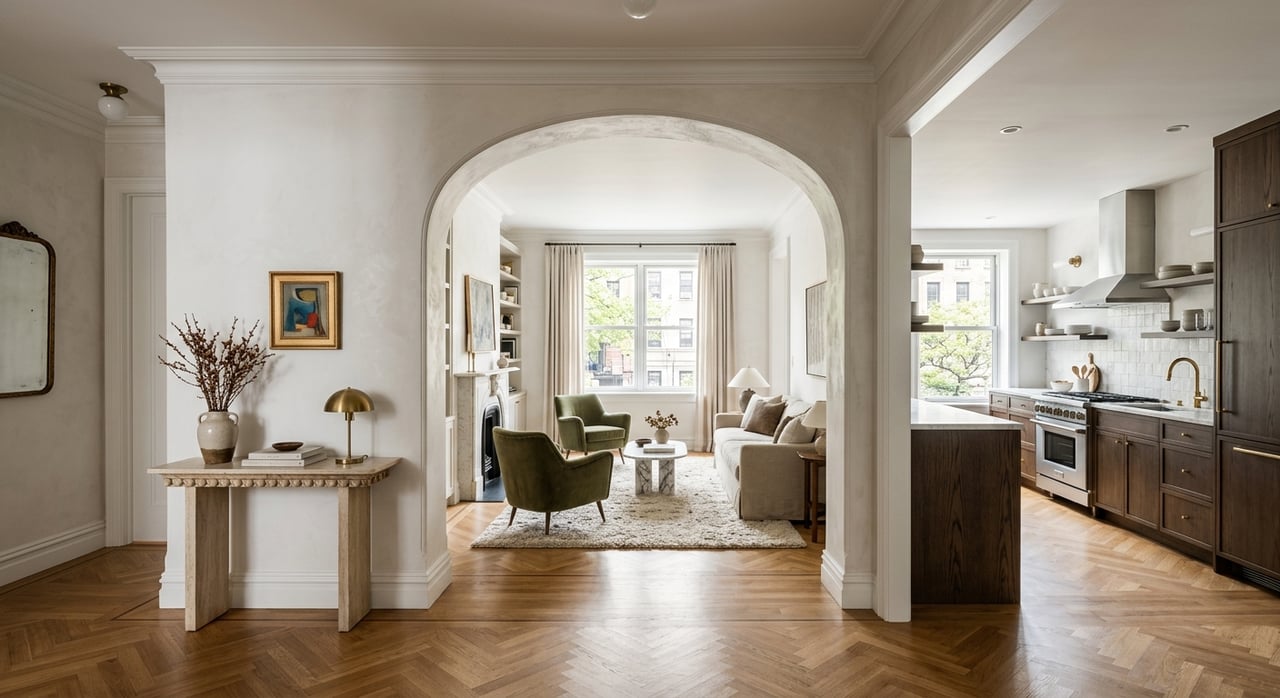
Townhouses give you separation of zones. Many families like a ground or parlor level for living and play, with bedrooms tucked on upper floors. Storage is typically more generous, and a private outdoor area can make strollers and bikes simpler. The daily tradeoff is stairs. If you have infants or toddlers, plan for safety gates and supervision as part of your routine, consistent with pediatric home-safety guidance on stair barriers and monitoring for young children (Bright Futures guidance).
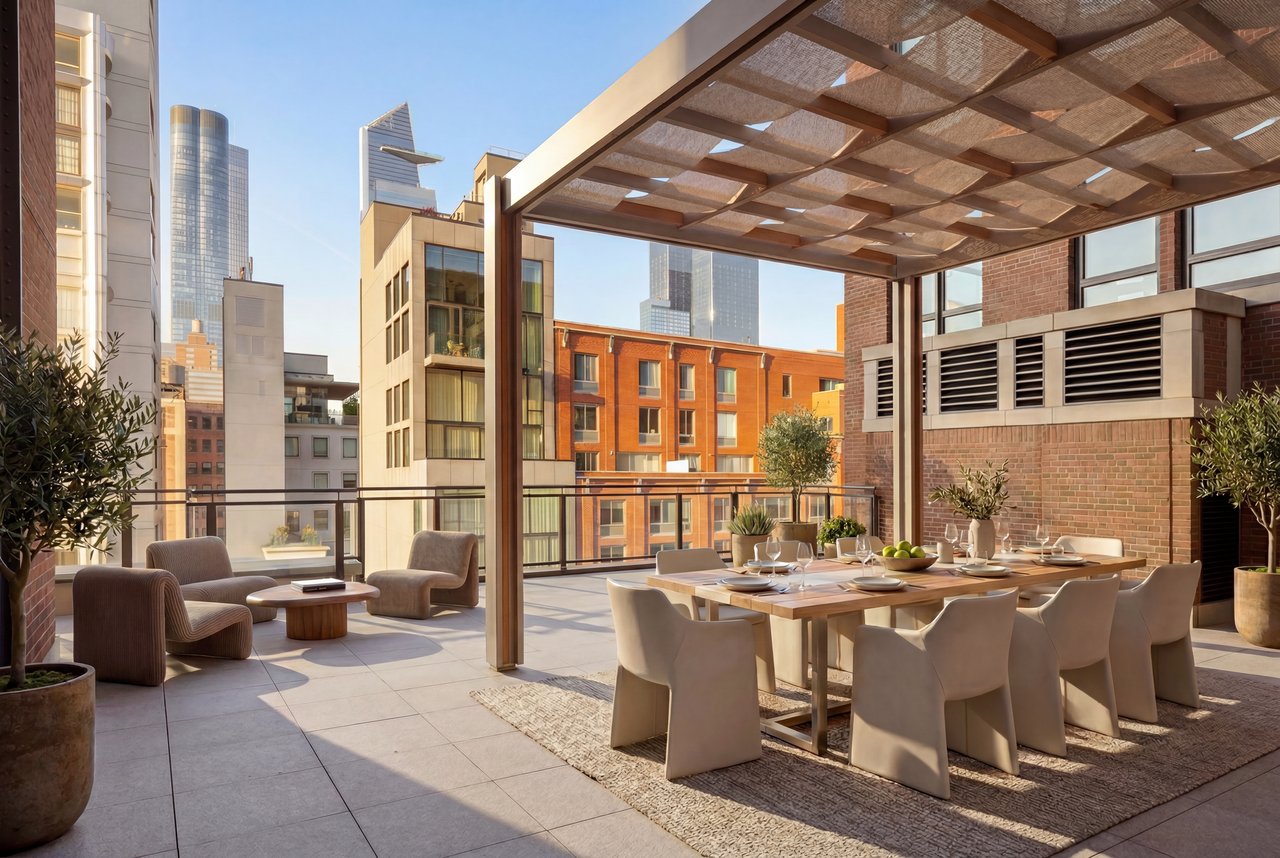
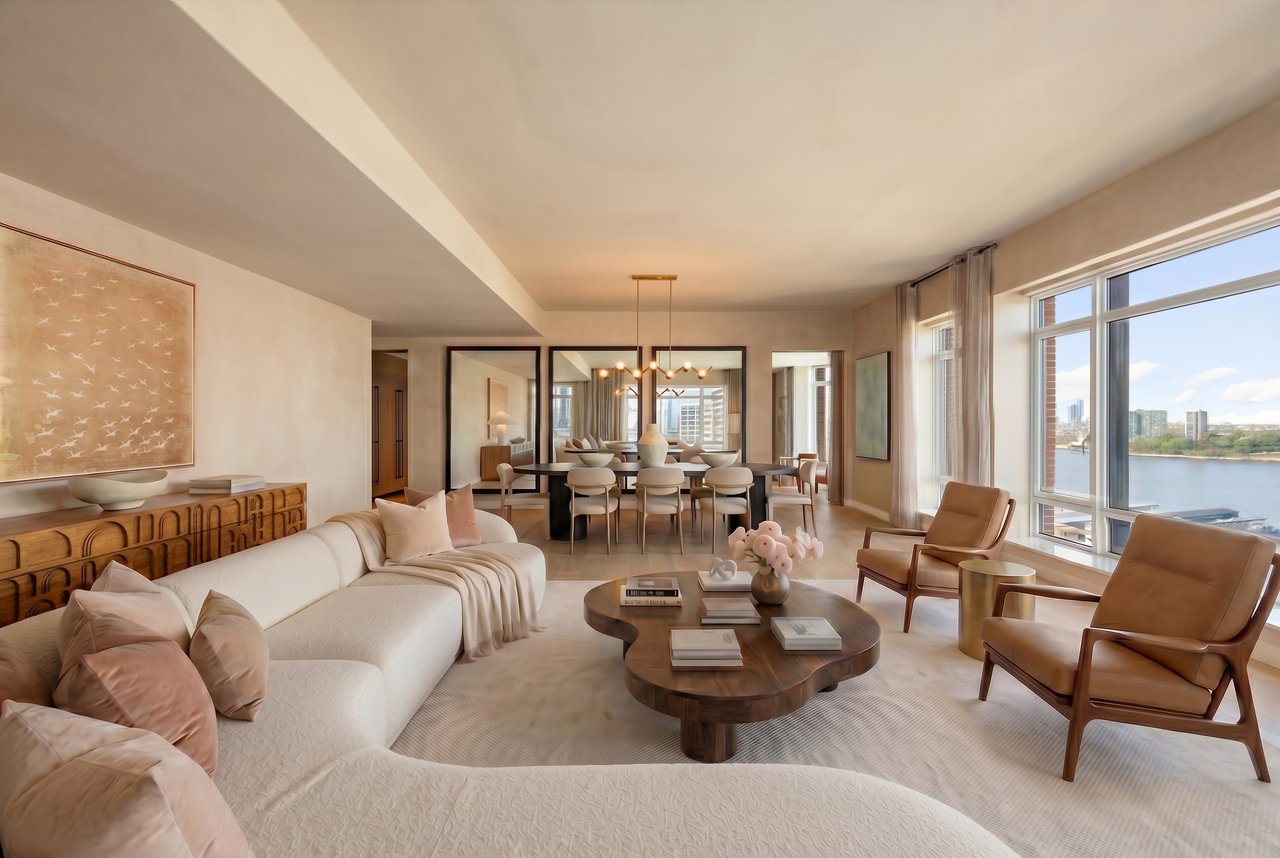
Apartments keep life on one level. Elevators simplify stroller runs, groceries and moves. In many Gramercy buildings, amenities like playrooms, landscaped roofs, courtyards or on-site staff help offset the lack of a private yard. If you prefer fewer interior stairs and a simpler daily flow, a single-floor layout can be a strong fit.
Play and privacy: park keys and building perks
For families, park access is a big line item. Gramercy Park access is limited to property owners on original lots and a small number of institutions and buildings granted key rights. Policies are specific, and not every address is eligible. You should confirm a property’s key status with building management, and you can reference this history and building access list as a starting point. The Gramercy Park overview also explains how access works.
If you do not have keys, you still have excellent nearby options. Within a short walk are Stuyvesant Square, Peter’s Field/Augustus Saint‑Gaudens Playground, Madison Square Park and Union Square. Many buildings add shared spaces like playrooms and terraces, which become extensions of home.
Privacy plays differently in each setting. Townhouses offer a private entry and no shared hallways. Larger buildings trade that for controlled access, package handling and doorman support. Your comfort with shared spaces versus independent entry is a key preference to note.
Schools and morning routines
For public elementary, families in and around Gramercy commonly look to P.S. 40 (Augustus Saint‑Gaudens), a Pre‑K–5 school on East 20th Street. Check current zoning lines and capacity, since they can shift. For middle school, nearby options include the Salk School of Science for grades 6–8 and other District 2 programs that may be accessible by a short walk or quick transit ride. The practical question is simple: do you prefer a short walk to elementary drop-off or close access to multiple after-school programs near Union Square and Flatiron?
For preschool and childcare, the broader Union Square/Flatiron corridor offers many private options, but availability can be competitive. Plan ahead and track application timelines.
Mobility and daily errands
Gramercy is a high-walk, high-transit neighborhood. The area sits within walking distance of the Union Square hub (4/5/6, L, N/Q/R/W) and local 6 service at 23rd Street, which helps coordinate work commutes and school trips. The neighborhood consistently ranks near the top for walkability and transit; see the Gramercy Park Walk Score for a snapshot. Boundaries often used are 14th Street to 23rd Street and Park Avenue South to First Avenue, with Union Square and Flatiron amenities close by, as noted in the neighborhood overview.
Money and upkeep: what to expect
Across recent neighborhood snapshots, the pricing pattern is consistent: co-op units tend to trade at lower median prices than condos, while townhouses occupy a higher, less frequently traded tier. For a current snapshot of local trends, review PropertyShark’s Gramercy Park market overview. Treat any price figures as directional and verify specific comps before making an offer.
Ownership structure affects both flexibility and monthly costs:
- Co-ops. You purchase shares and receive a proprietary lease. Boards review buyers, often with more extensive documentation and higher down-payment expectations. Monthly maintenance typically includes building operating costs and property-tax contributions. Policies around sublets and renovations are commonly more restrictive. See this plain-English guide to co-ops vs. condos for an overview.
- Condos. You own the unit as real property. Financing and resale can be more straightforward, and subletting rules are generally more flexible. Monthly common charges are separate from your property tax bill. House rules still apply, and due diligence matters.
If you are considering a townhouse, budget for whole-house systems and periodic exterior work. Heating, hot water, roof and façade maintenance fall to the owner. Many blocks sit within the Gramercy Park Historic District, where exterior changes typically require review. For guidance on permits and timelines, the NYC Landmarks Preservation Commission provides resources and applications on its LPC site.
Which fits your family: a quick guide
Choose a townhouse if you want:
- A private entry, multiple floors and a home-like feel.
- The option for a garden or roof deck and more private storage.
- Greater control over interior layout and finishes.
- A quieter comings-and-goings profile, with the tradeoff of stairs and full maintenance responsibility.
Choose an apartment if you want:
- Single-level living with elevator access for strollers and gear.
- Doorman support, on-site staff and shared amenities like playrooms or terraces.
- Potentially simpler daily logistics and fewer private maintenance tasks.
- The option to prioritize a building closer to schools, transit or after-school programs.
What to verify before you buy
Use this checklist while touring properties and reviewing documents:
- Gramercy Park key access. Is the building or address entitled to keys? Confirm the current policy with building management, and use this history and building-access list as a reference.
- School zoning. Does the address map to P.S. 40? Which middle and high school options does the address serve? Confirm with NYCDOE resources or the listing agent.
- Co-op/condo governance. Request board minutes, house rules, financials and transfer policies. Understand renovation hours, pet policies and sublet rules. See the co-op vs. condo overview for general differences.
- Monthly and ongoing costs. For apartments: maintenance or common charges, and whether taxes are included. For townhouses: ask for recent invoices and estimates for roof, boiler and façade work to budget realistically.
- Landmark implications. If the address sits inside the historic district, exterior changes may require LPC review. Plan timelines accordingly.
- Size and layout fit. Translate bedroom counts into real-world use. Where do strollers live? Is there a ground-level play area, in-unit laundry, and enough closets? Do elevators or stoops change your morning routine?
The bottom line
Both choices can deliver an exceptional family life in Gramercy Park. A townhouse offers independence, volume and the feeling of a private home. A larger co-op or condo provides single-level ease, amenities and building support. The right answer rests in how you prioritize space, park access, school logistics, board policies and the cadence of your day.
If you want a tailored, data-backed path to the right address, schedule a private consultation with the Steven Cohen Team. We’ll help you weigh tradeoffs, access the best opportunities and navigate boards or due diligence with confidence.
FAQs
Do all Gramercy Park buildings include private-park key access?
- No. Only certain properties and institutions are eligible for keys; confirm a building’s status with management and review this history and access list as a reference.
How do monthly costs differ in Gramercy co-ops and condos?
- Co-op maintenance often bundles operating expenses and property taxes, while condos separate common charges from your tax bill; boards also set rules that affect renovations and subletting, as outlined in this co-op vs. condo guide.
What is the local public elementary school for Gramercy addresses?
- Many addresses map to P.S. 40 (Augustus Saint‑Gaudens) on East 20th Street for Pre‑K–5; always verify current zoning and capacity with official resources.
If I buy a townhouse in the historic district, do I need approval to change the façade?
- Likely yes. Exterior work in landmarked areas usually requires review by the NYC Landmarks Preservation Commission; see the LPC site for guidance.
How walkable and transit-connected is Gramercy Park for families?
- Very. The neighborhood scores high for walk and transit access, with the Union Square hub nearby; see the Gramercy Park Walk Score for details.