In New York City’s luxury housing market, the choice between a condominium and a cooperative apartment is rarely just about ownership structure. It reflects a broader set of priorities: value, long-term stability, architectural quality, and the type of residential environment a buyer wants to live in.
While condominiums are often associated with flexibility and global investment, co-ops remain the defining ownership model of Manhattan’s most established residential buildings. For many buyers, particularly those focused on long-term living rather than short-term liquidity, co-op ownership continues to offer compelling advantages.
Access to Prime Manhattan Addresses
One of the most consistent dynamics in the New York City market is the pricing gap between co-ops and condominiums. Comparable apartments in similar locations often trade at a meaningful discount in co-op buildings.
That pricing difference allows buyers to access prime neighborhoods such as the Upper East Side, Upper West Side, and Park Avenue corridors at a level that might otherwise be out of reach. In practical terms, it can mean purchasing a larger apartment, securing a more prestigious address, or living in a building with architectural pedigree that would command a premium in the condominium market.
For many buyers, this pricing dynamic is less about saving money and more about unlocking access to New York’s most iconic residential buildings.
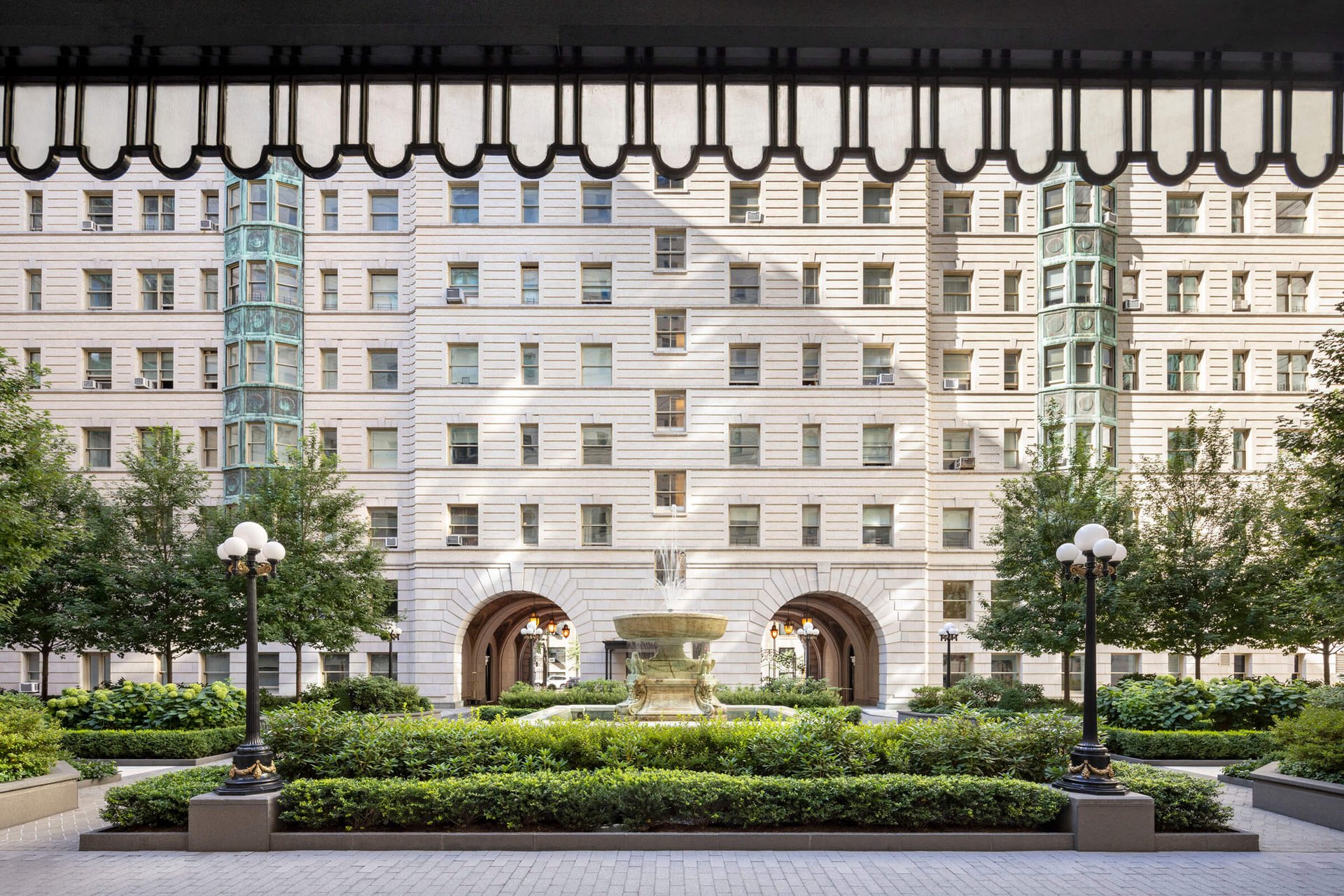
Photo courtesy of Ramsa
A Market That Tends to Move Differently
Condominium pricing in New York is often influenced by broader cycles: new development launches, amenity trends, and the global investment market.
Co-ops tend to behave differently.
Because they are typically owner-occupied and governed by long-standing boards, co-op buildings often exhibit more measured pricing patterns over time. Financial oversight, consistent ownership, and limited investor activity contribute to a market environment that many long-term buyers view as more stable.
In a city where residential real estate can sometimes feel cyclical, co-ops often represent a quieter, more durable segment of the market.
Architecture That Defines New York Living
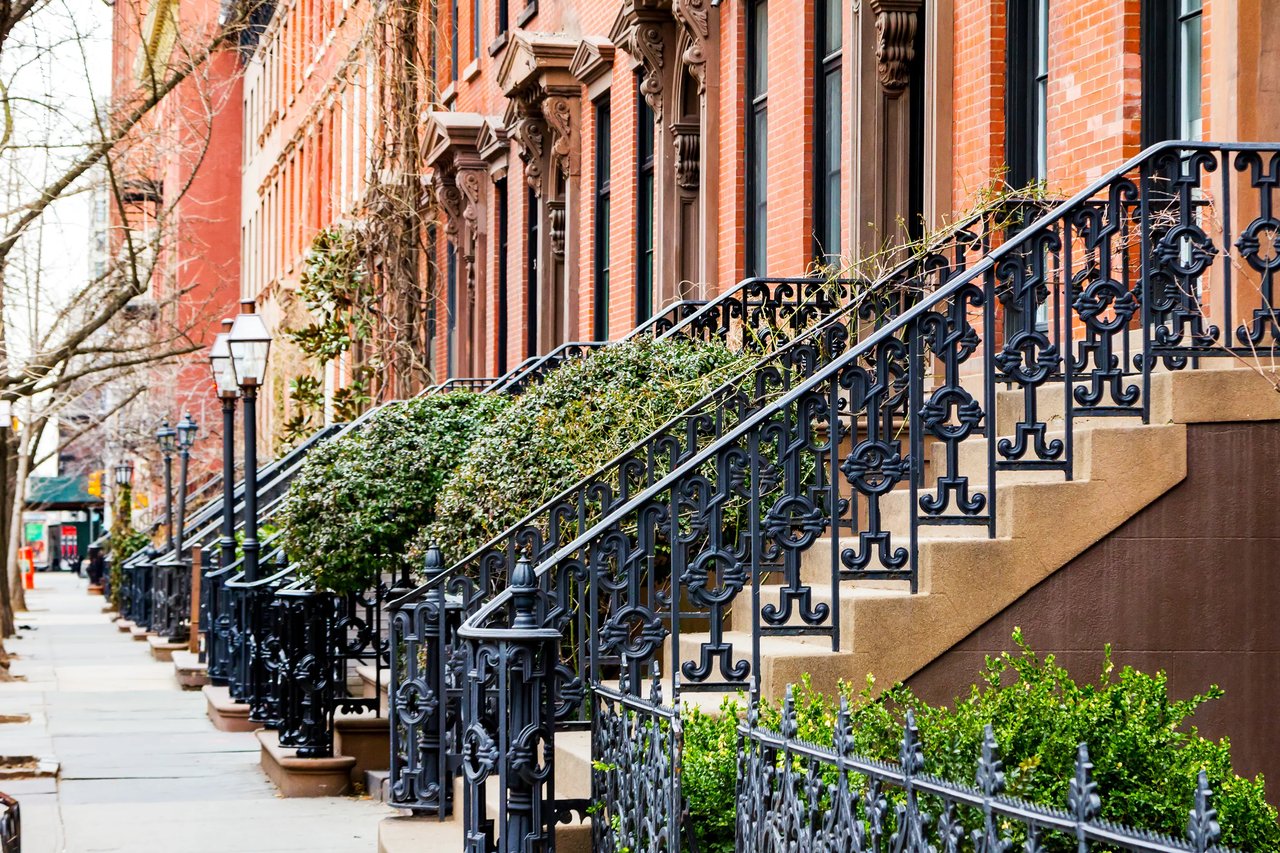
A significant portion of Manhattan’s co-op inventory is rooted in prewar construction, particularly buildings developed during the early twentieth century along avenues such as Park Avenue, Fifth Avenue, and Central Park West.
These buildings were designed with a level of scale and craftsmanship that remains difficult to replicate today. High ceilings, generous room proportions, formal galleries, and enduring materials create apartments that feel distinctly New York.
While modern condominium buildings often prioritize amenities, prewar co-ops prioritize space, proportion, and architectural character — qualities that continue to resonate with buyers across generations.

Photo courtesy of Corcoran Group
Buildings With History and Reputation
Many of the city’s most recognizable residential addresses operate as co-ops. From classic Emery Roth buildings along Central Park West to historic Park Avenue cooperatives, these properties are defined by decades of consistent ownership and carefully maintained standards.
Ownership in these buildings is often viewed less as a short-term transaction and more as a long-term residential investment. Apartments frequently remain within families or ownership groups for many years, contributing to the sense of continuity that distinguishes these buildings.
For buyers who value history, discretion, and architectural legacy, co-op buildings remain central to New York’s residential identity.
Greater Transparency for Buyers
Because many co-ops have operated for decades, buyers benefit from a long track record of financial performance and building management. Financial statements, capital improvement histories, and reserve levels are often well documented.
This transparency allows buyers and their advisors to evaluate a building with a level of clarity that can be harder to achieve in newer developments.
In practical terms, it means purchasing into a structure that has already been tested over time.

Photo courtesy of City Realty
Iconic Views and Irreplaceable Locations
Some of New York City’s most celebrated residential views are found in co-op buildings.
Apartments overlooking Central Park, Riverside Park, and the Hudson River are often located in buildings that were positioned intentionally to maximize these outlooks. Many of these buildings predate zoning changes and modern development constraints, giving them vantage points that would be difficult to recreate today.
These are the kinds of views that have defined New York living for generations.
The Advantage of a Larger Inventory
Co-ops represent the majority of Manhattan’s housing stock, which translates into a wider range of architectural styles, layouts, and price points.
From classic six-room apartments to sprawling prewar residences, the breadth of the co-op market gives buyers more opportunities to find an apartment that truly fits how they live.
For buyers searching across Manhattan’s established neighborhoods, this depth of inventory is one of the market’s most practical advantages.

Photo courtesy of Cooperator
A Residential Environment Designed for Longevity
The co-op board approval process is often perceived as an obstacle. In reality, it reflects a philosophy that prioritizes financial stability, long-term ownership, and responsible stewardship of the building.
The result is typically a residential environment with lower turnover, greater privacy, and a strong sense of continuity among residents.
For many buyers, that sense of stability becomes one of the most valuable aspects of co-op ownership.

Photo courtesy of Woodslaw
The Takeaway
In a city where housing options range from global investment condominiums to historic residential cooperatives, co-ops continue to offer a distinct value proposition.
They combine architectural character, prime Manhattan locations, established financial structures, and a long-term residential focus.
For buyers seeking stability, space, and access to some of New York’s most iconic buildings, co-op ownership remains one of the most compelling ways to live in New York City.