If you own a classic six on the Upper West Side, pricing it can feel deceptively simple. These homes are rare, highly sought after, and often full of prewar charm, but the market does not reward every classic six the same way. To price well, you need to understand how buyers weigh location, line, condition, and monthly carrying costs so you can launch with confidence and avoid leaving money on the table. Let’s dive in.
What makes a classic six different
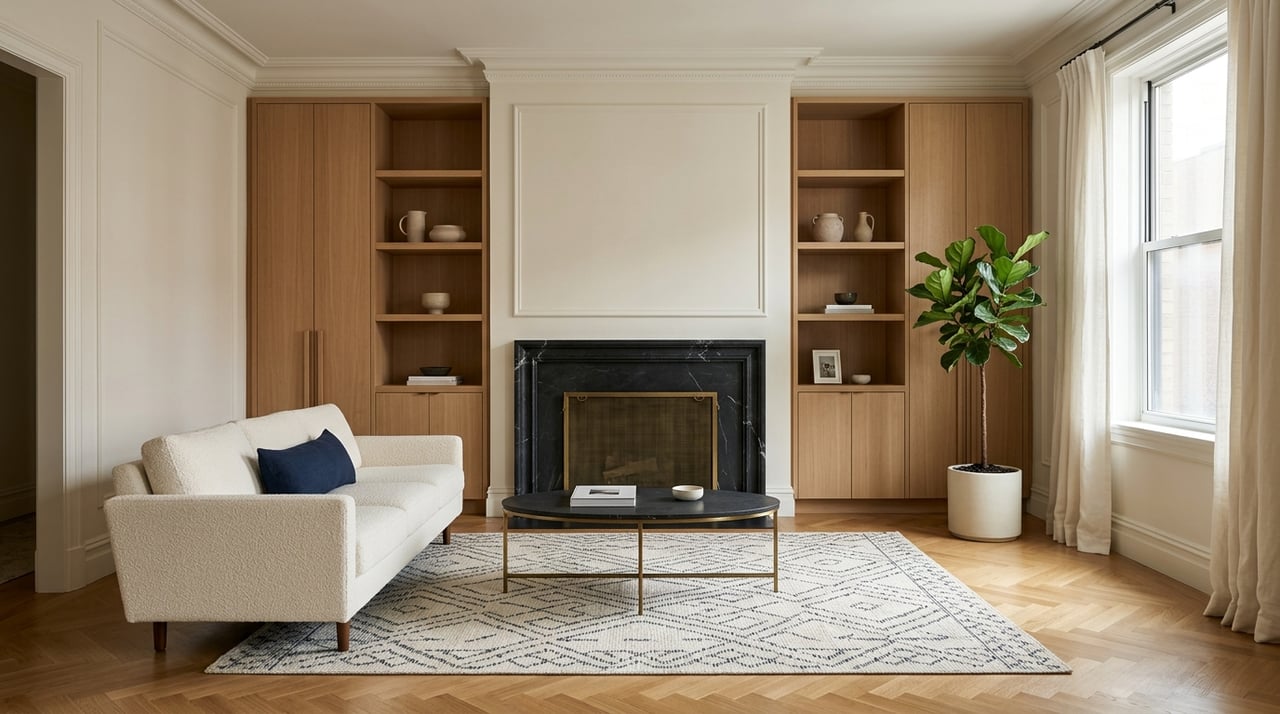
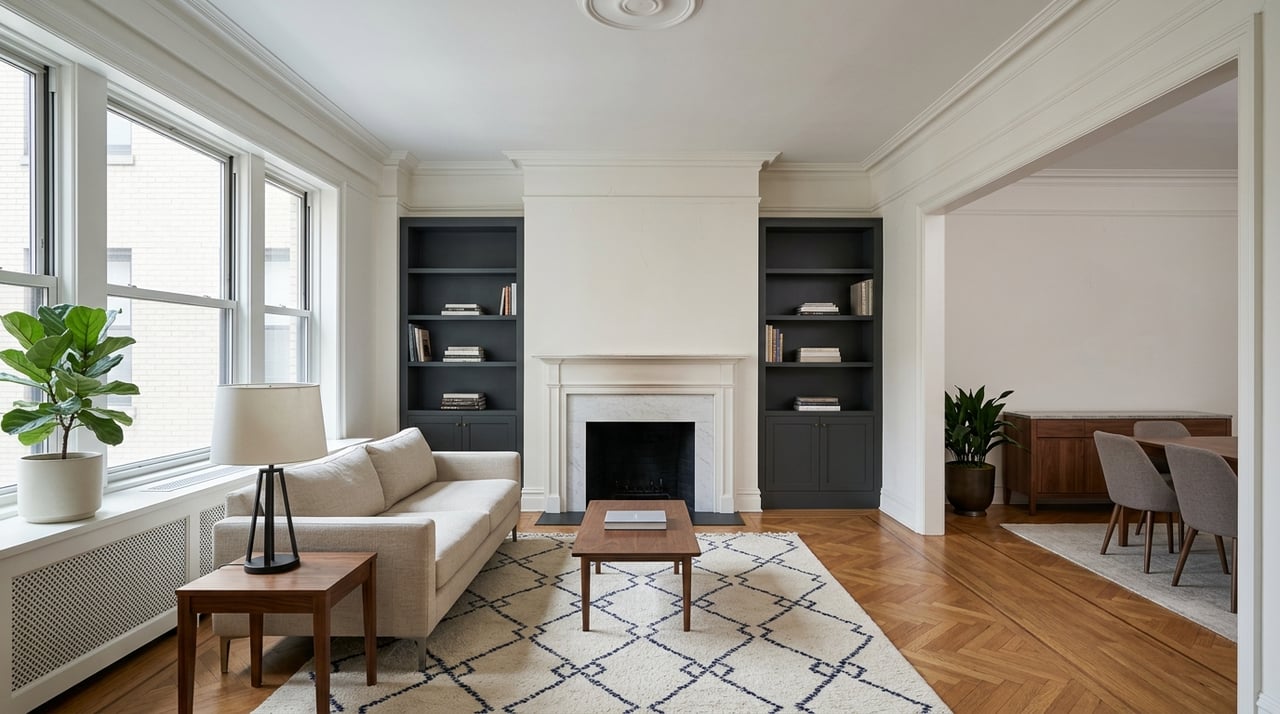
A classic six is generally a prewar six-room apartment with a living room, formal dining room, kitchen, two full bedrooms, and a smaller staff room or third bedroom. Many are in co-op buildings and often retain high ceilings and original prewar details.
On the Upper West Side, that matters because the neighborhood still has a deep inventory of large prewar buildings, especially in areas near Central Park, Riverside Drive, and West End Avenue. Even within this market, though, prices can vary widely depending on the exact apartment and building.
Why Upper West Side pricing is nuanced
StreetEasy currently shows a median sale price of $1.2 million on the Upper West Side, with median days on market at 52. That gives useful neighborhood context, but it does not tell you where a classic six should trade.
In Manhattan overall, co-ops had a median sales price of $825,000 in Q4 2025, average maintenance of $2,938 per month, 6.5 months of supply, and a 5.2% listing discount. A classic six on the Upper West Side usually trades well above that borough-wide co-op median because it offers a larger prewar layout in a limited-supply segment.
Current active Upper West Side classic-six listings also show how broad the range can be. StreetEasy shows asking prices from about $1.75 million to $7.9 million, including listings on Riverside Drive, West 94th Street, and West 81st Street. That spread is your first reminder that category alone does not determine value.
Start with the apartment’s exact line
When buyers compare classic sixes, they are not just comparing room count. They are comparing the specific line within the building, the floor level, the light, and whether the apartment has open exposures or notable views.
Recent sales show a clear premium for park-facing or river-facing homes and for higher floors with stronger light. At 299 Riverside Drive #4D, an original classic six with park and seasonal river views and 9-foot-7-inch ceilings sold for $2.075 million. At 315 West 106th Street #11C, a high-floor classic six with Hudson River views from every room sold for $2.3 million.
That pattern also appears closer to Central Park. At 336 Central Park West #16F, a roughly 2,000-square-foot classic six directly across from Central Park sold for $2.125 million. In each case, the line and exposure helped support pricing.
By contrast, a classic six at 875 West End Avenue #6E sold for $1.635 million after 138 days on market. That sale is a useful reminder that even a respected Upper West Side address does not automatically create a top-tier result if the line, outlook, or finish does not compete with stronger alternatives.
Condition still drives the final number
Prewar character has real appeal, but buyers still place a premium on usability and finish. A classic six that feels move-in ready and functions well for modern living will often support a stronger price than one that needs work, even if both have similar footprints.
That is especially true when the smaller staff room works as a true third bedroom, office, or den. Buyers value flexibility in older layouts, and that extra function can have a meaningful impact on pricing.
A fully renovated classic six at 252 West 85th Street #6B sold for $1.999 million after just 31 days on market. At 315 West 106th Street #11C, the apartment was marketed with a maid’s room that could function as a third bedroom, den, or office, highlighting how much optionality matters.
Another example is 895 West End Avenue #3B, which sold for $2.0 million as a six-room, three-bed, three-bath classic six, but only after 219 days on market and a 12% price cut. The takeaway is not simply that renovated homes do better. It is that buyers are highly selective, and pricing has to reflect both the apartment’s strengths and any friction points.
Building finances affect buyer response
For Upper West Side classic sixes, the apartment is only part of the story. In a co-op, building financials and carrying costs can shape demand just as much as finishes or square footage.
Fannie Mae’s co-op appraisal guidance says appraisers must account for monthly maintenance, special assessments, ground rent, tax abatements, and the unit’s share of blanket mortgage debt when valuing a co-op interest. The guidance also requires recent operating budgets or audited financials showing adequate cash flow and reserves, with no more than 15% of owners more than 60 days delinquent, including special assessments.
In practical terms, buyers can hesitate when maintenance is high, an assessment is looming, or reserves appear thin. Even a beautiful apartment may face resistance if the carrying costs feel out of line with competing options.
The sale at 895 West End Avenue #3B helps illustrate this point. The apartment carried monthly maintenance of $4,132 and took 219 days to sell before closing at $2.0 million. While every sale has multiple variables, carrying costs are an important part of the pricing conversation for this property type.
How to build a realistic pricing band
For a classic six, smart pricing is less about finding a single perfect number and more about creating a defensible range. That range should be based on the best available evidence, then adjusted for what makes your apartment more or less competitive.
Use same-building sales first
If your building has recent resale activity, that should usually be your starting point. Fannie Mae says comparable sales from within the same co-op project should be used when the project has resale activity, and for established projects it recommends two closed sales from the subject project plus one sale from a competing project when available.
This matters on the Upper West Side because building differences can be substantial. A classic six in one prewar co-op may have very different maintenance, financials, ceiling heights, lobby quality, or buyer perception than a similar apartment a block away.
Add in-contract and active competition
Closed sales are essential, but they are not the full picture in a changing market. Freddie Mac says appraisers should analyze closed sales and active listings within the market area, and that market-condition adjustments should be based on the contract date rather than the settlement date.
For sellers, that means you should look at what buyers can choose today, not just what they bought months ago. Active classic-six listings help define the ceiling of current buyer expectations, while in-contract activity can show where serious demand is forming.
Normalize the differences
No two classic sixes are truly identical. Before you settle on a launch price, every comparable should be adjusted mentally for the features that most often move value on the Upper West Side.
Key variables include:
- Floor and natural light
- Park or river exposure
- Ceiling height
- Renovation level
- Layout utility of the third room
- Monthly maintenance and any assessments
- Building financial strength
This is where pricing often goes wrong. Sellers sometimes compare their apartment only to the highest sale they have seen, without accounting for whether that home had a superior view, a better line, or lower carrying costs.
What a sensible range can look like
A practical pricing band for an Upper West Side classic six often starts with the lower end supported by closer, less dramatic comps, then tests the upper end against stronger line and view evidence. In the examples provided, 875 West End Avenue #6E at $1.635 million and 252 West 85th Street #6B at $1.999 million help frame one part of the range.
On the stronger side, 299 Riverside Drive #4D at $2.075 million, 315 West 106th Street #11C at $2.3 million, and 336 Central Park West #16F at $2.125 million show what buyers may pay for better exposure, better light, or stronger positioning. Your apartment’s likely value sits somewhere inside, above, or below that spectrum depending on its specific strengths.
The goal is not to chase the highest comp. The goal is to choose a launch price that feels credible, competitive, and well supported from day one.
Common pricing mistakes to avoid
Even in a strong micro-market, classic six sellers can lose momentum by overpricing at launch. Because buyers in this segment are informed and comparison-driven, an ambitious ask without clear support can lead to longer market time and later price cuts.
A few common mistakes include:
- Relying on neighborhood median prices instead of classic-six comparables
- Ignoring line, exposure, and floor differences
- Underestimating the impact of maintenance or assessments
- Assuming all prewar charm commands a premium regardless of condition
- Pricing from emotion instead of current competition
When the first price is disciplined, marketing tends to work harder. When the first price is too aggressive, even an exceptional apartment can lose urgency.
Why precision matters for Upper West Side sellers
Classic sixes attract a specific buyer. These buyers often understand the Upper West Side well, know the major co-op buildings, and can quickly distinguish between a good apartment and a special one.
That is why pricing should be both analytical and strategic. You want to account for the hard data, but you also need to position the apartment properly within its building, its block, and the current field of competing listings.
For sellers, that kind of precision can shape everything that follows, from showing activity to negotiation leverage. A thoughtful pricing strategy does more than generate interest. It sets the tone for the entire sale.
If you are considering selling a classic six on the Upper West Side, the right guidance can help you translate building data, recent sales, and buyer behavior into a pricing strategy that is both measured and market-facing. For a discreet, data-driven valuation and white-glove selling strategy, connect with the Steven Cohen Team.
FAQs
How is a classic six apartment priced on the Upper West Side?
- A classic six is usually priced by comparing same-building sales first, then reviewing competing Upper West Side co-op sales and active listings while adjusting for line, floor, views, condition, layout utility, and monthly maintenance.
Why do Upper West Side classic sixes often sell above the neighborhood median?
- These homes typically offer larger prewar layouts, a usable third room, and in some cases park or river views, which can place them in a higher pricing tier than the broader Upper West Side median sale price.
Do all Upper West Side classic sixes appraise the same way?
- No. Appraisal guidance emphasizes project-specific sales, market-area analysis, and current market conditions, so similar apartments can value differently based on building finances, carrying costs, condition, line, and timing.
Can co-op maintenance affect the price of a classic six?
- Yes. Monthly maintenance, special assessments, and building financial strength can affect buyer demand and appraised value, especially when buyers are comparing similar apartments across nearby co-op buildings.
What are the most important features that raise value for an Upper West Side classic six?
- The features that most often support stronger pricing are park or river exposure, higher floors, better light, strong ceiling height, a renovated interior, and a third room that works well as a bedroom, office, or den.