Wondering how to sell a Gramercy Park apartment without losing the very qualities that make it special? In this part of Manhattan, historic charm is not just a nice detail. It is often a major part of what buyers are paying for. If you want to position your apartment well, you need more than beautiful photos and a high asking price. You need a clear story, smart pricing, and the right documentation. Let’s dive in.
Why historic charm matters in Gramercy Park
Gramercy Park stands apart because of its private gated park, low-rise residential blocks, and preserved architectural character. The neighborhood is widely known for its quieter feel, tree-lined streets, and a streetscape shaped by early Manhattan planning.
That setting gives historic apartments a built-in advantage, but only when the charm is presented as value. In Gramercy Park, preserved details are not background texture. They are part of the reason buyers choose the neighborhood in the first place.
The historic district is notable for retaining much of its original character, including fine ironwork, handsome exterior details, and mid-19th-century townhouse fabric. If your apartment sits within that context, buyers are often responding to both the residence and the neighborhood story around it.
Sell the difference, not just the apartment
A Gramercy Park sale usually performs best when you explain what makes the home scarce. That means looking beyond square footage and room count.
Buyers in this area tend to value privacy, historic character, and a direct connection to the neighborhood’s identity. A polished marketing strategy should show how your apartment reflects those priorities in a specific, credible way.
Highlight original details clearly
If your building or apartment retains original exterior character, that should be framed as a strength. Preserved stoops, ironwork, façade materials, and proportional window openings can signal authenticity and long-term appeal.
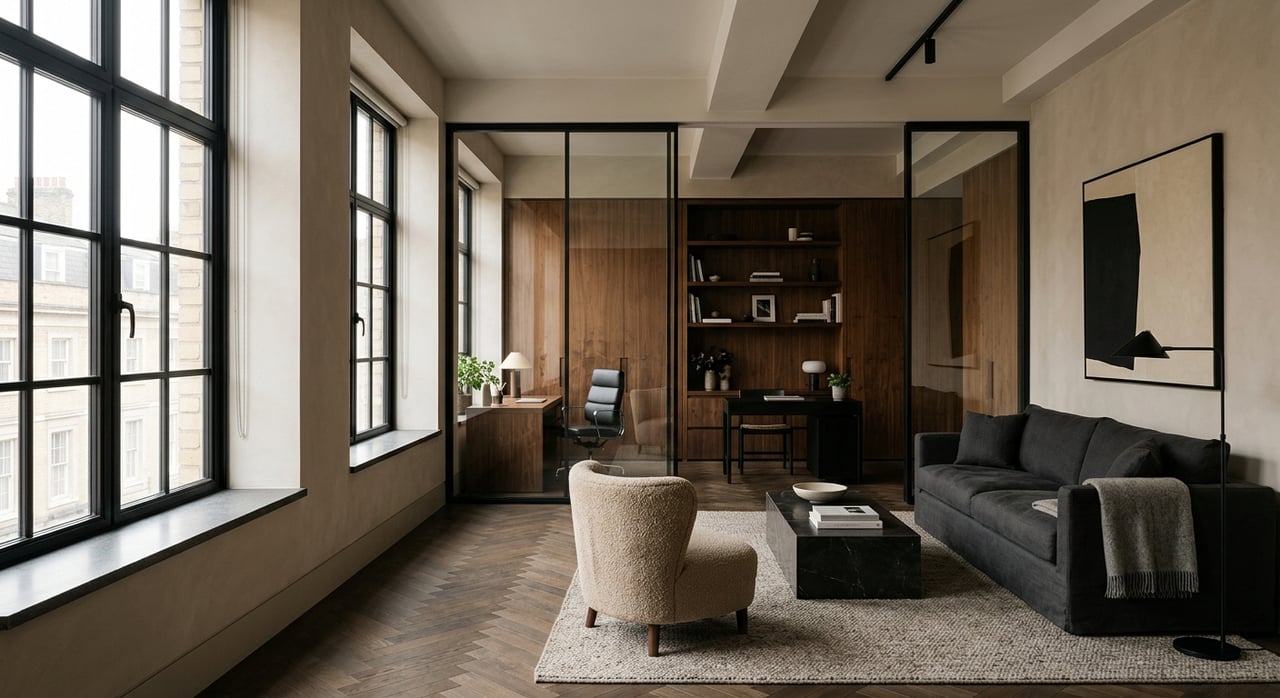
Inside the apartment, the same principle applies. If the home has period features that connect naturally to the building’s age and style, those details should support the overall property story rather than feel incidental.
Be precise about park access
This is one of the most important points in Gramercy Park. A Gramercy address is not the same thing as park-key ownership.
Only residents on the park’s perimeter have keys to the private park. If your apartment includes actual park access, that should be stated clearly and accurately because it can be a meaningful differentiator. If it does not, the marketing should focus on proximity, setting, and architectural context without implying something the property does not offer.
Price with building-level discipline
Gramercy Park is a premium neighborhood, but pricing can vary widely depending on building type, frontage, views, and park access. Neighborhood median sales figures offer useful context, but they do not tell the whole story.
Recent public estimates show a broad range, from about $915,000 to $1.36 million depending on source and reporting window. StreetEasy shows a $1.0 million median sale and 56 median days on market, while PropertyShark reported March 2026 medians of $1.6 million for condos and $712,000 for co-ops.
That spread matters. It shows why a historic apartment should be priced against the most relevant comparables available, especially same-building, same-line, and same-view sales whenever possible.
Why broad neighborhood averages can mislead
Two apartments in Gramercy Park can have very different value even if they are close to each other. A perimeter building with park-key access may compete in a very different tier than a non-perimeter co-op. A condo may also attract a different buyer pool than a co-op.
That is why disciplined pricing matters from day one. In April 2026, Manhattan homes sold for a median of 97.9% of their latest asking price, which reinforces the value of entering the market with a realistic and well-supported number.
Timing still influences results
Seasonality can shape your launch strategy. StreetEasy’s market research points to late winter and spring as the main selling window in New York City, with early fall as a secondary opportunity.
May tends to bring the most inventory, while open houses often peak in June and again in October. If you are planning to sell, this can affect when your apartment enters the market and how much competition it faces.
Prepare the apartment before you list
Historic charm can help a sale, but only if the property feels well cared for and easy to understand. Buyers looking in Gramercy Park often expect a high level of presentation and a clean paper trail.
Before listing, it helps to review both visual presentation and property records. In a historic district, those two pieces often work together.
Check exterior work and permit history
Because Gramercy Park is in a designated historic district, exterior work is regulated by the Landmarks Preservation Commission. Permits are required for restoration, in-kind replacement, alteration, reconstruction, demolition, or new construction that affects the exterior of a building in the district, including some work not visible from the street.
Ordinary repairs like replacing broken glass or repainting to match an existing color generally do not require LPC approval. Still, if you are considering pre-listing work involving windows, railings, façade elements, or a roof deck, it is worth confirming permit requirements before starting.
Organize records before buyers ask
Documentation can reduce friction and help buyers feel more confident. The LPC notes that work done without the required permit can lead to violations, and even prior unauthorized work can become the current owner’s responsibility.
That is why it is smart to gather permit history, alteration approvals, and contractor records in advance. For co-op and condo sellers, it also helps to organize maintenance records and information on the building’s physical components, since buyers are often reviewing the condition of façades, roofs, windows, HVAC, plumbing, and elevators during due diligence.
Build a property story around proof
In Gramercy Park, the strongest listing narratives combine emotion with evidence. Buyers may love the idea of old-world character, but they still want facts that support value.
A compelling sale strategy usually brings together several pieces:
- Verified park access, if applicable
- Landmark district context
- Preserved original details
- Relevant building-specific comparables
- Clear records for prior work and upkeep
This approach helps your apartment stand out as more than simply charming. It presents the home as scarce, credible, and well-positioned within one of Manhattan’s most distinctive residential settings.
What buyers are really responding to
The appeal of Gramercy Park is often about restraint rather than flash. Buyers drawn to this area are often looking for quiet blocks, pre-war character, and a sense of privacy that feels hard to find elsewhere in Manhattan.
That means the selling message should feel tailored and confident, not overly generic. Instead of treating historic features as old-fashioned or purely decorative, position them as part of a preserved residential experience that is increasingly rare.
When available, direct park connection can strengthen that message even further. When it is not, authenticity, architecture, and documentation become even more important.
Why execution matters in a niche market
Selling a historic Gramercy Park apartment calls for more than broad Manhattan experience. The details matter here, from accurate pricing to thoughtful positioning to the way a listing explains the difference between neighborhood prestige and property-specific value.
In a market where building type, frontage, and park access can influence results so sharply, disciplined execution helps protect both pricing power and buyer trust. That is especially true for luxury resale, co-op, and condo transactions where presentation and process often move together.
If you are thinking about selling, a tailored strategy can help you capture what makes your apartment special while avoiding the common mistake of relying on charm alone. For a private consultation or complimentary market valuation, connect with the Steven Cohen Team.
FAQs
What makes historic charm valuable in a Gramercy Park apartment sale?
- In Gramercy Park, historic charm often supports value because buyers are drawn to preserved architectural details, a quieter residential setting, and the neighborhood’s long-standing character.
How should you price a Gramercy Park co-op or condo?
- The best approach is to use building-specific and line-specific comparables whenever possible, since neighborhood medians can vary widely by building type, views, frontage, and park access.
Does every Gramercy Park apartment come with park access?
- No. Only residents on the park’s perimeter have keys, so a Gramercy Park address alone should not be described as private park access.
Do historic district rules affect selling a Gramercy Park apartment?
- Yes. Exterior work in the historic district may require Landmarks Preservation Commission review, so sellers should confirm permit history and check whether any past work needed approval.
What documents should sellers gather before listing a Gramercy Park apartment?
- Sellers should prepare permit history, alteration approvals, contractor records, maintenance records, and helpful building information so buyers can evaluate the apartment and building with more confidence.