Ever walked into a Flatiron loft and felt the room itself do the talking? The volume, the window lines, and the mix of old New York character with modern living can be hard to match anywhere else in Manhattan. If you are considering buying or selling in Flatiron, understanding how architecture shapes light, layout, and long-term appeal can help you make a smarter decision. Let’s dive in.
Why Flatiron lofts feel different
Flatiron loft living starts with the neighborhood’s history. The area grew out of the late-19th- and early-20th-century Ladies’ Mile shopping corridor, then evolved into a mixed-use district with hotels, apartment buildings, loft structures, and later high-rise commercial buildings. That layered history is a big reason the neighborhood still feels both established and adaptable today.
The Madison Square North Historic District reflects that evolution clearly. The district includes buildings tied to the city’s commercial history from the 1870s through the 1930s, showing a shift from entertainment to mercantile uses and then to office and loft structures. For you as a buyer or seller, that means Flatiron lofts are part of a broader architectural story, not a one-note product type.
It is also worth noting that residential life in the area is older than many people assume. The Stevens House, commissioned in 1870, shows that upscale apartment living existed here before later office and showroom uses took over. That earlier residential precedent helps explain why the district has transitioned back into a compelling place to live.
Flatiron architecture and loft design
Open floor plates
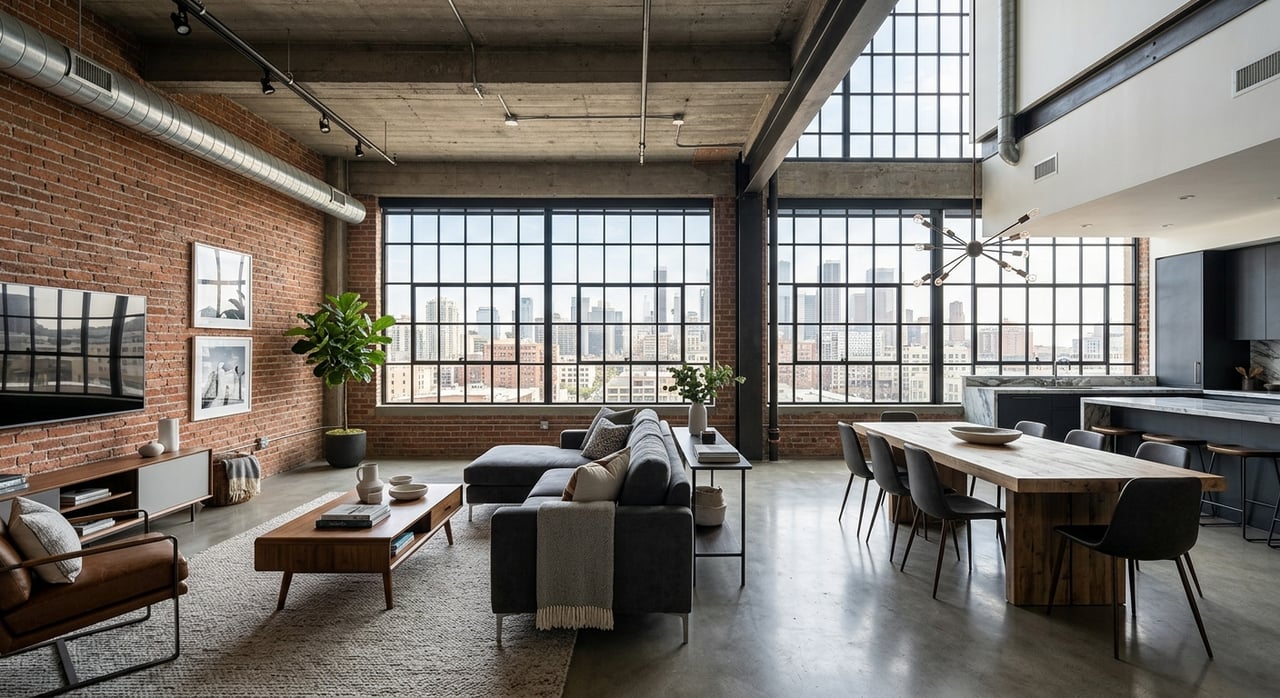
Many Flatiron lofts began as commercial or manufacturing spaces rather than purpose-built apartments. Classic loft buildings were designed with broad, unpartitioned floors supported by columns, making them useful for light manufacturing, storage, or showrooms. Today, that same structure is what gives many loft homes their signature openness.
That openness can be dramatic, but it is not identical from one building to the next. Some authentic New York lofts have living areas that run 30 to 50 feet deep, which creates impressive scale. At the same time, the depth of the floor plate can shape how easily you can define sleeping areas, work zones, or formal entertaining space.
Ceiling height and volume
Ceiling height is one of the biggest reasons loft living feels so distinct. True lofts often have ceilings above 12 feet, and some go even higher. That vertical space changes how a home lives day to day, making room for larger art, taller millwork, dramatic lighting, or even mezzanine-style solutions in some layouts.
For sellers, volume can be just as important as square footage in how a property is perceived. Buyers often respond emotionally to airiness and scale before they start measuring room counts. In Flatiron, that sense of volume is often part of the home’s strongest appeal.
Windows and natural light
Large industrial-style windows are another defining feature. These buildings were originally designed to bring daylight deep into working interiors, and that legacy still shapes residential living today. In a neighborhood like Flatiron, light is not just a design feature. It is part of the architecture.
Corner buildings often have an advantage because extra facades can create more natural light and more flexibility in planning. By contrast, deeper mid-block lofts can still be beautiful, but they often require more careful layout decisions to balance openness with privacy and daylight. If you are evaluating a loft, the number of exposures and the distance from the window wall into the interior matter more than many first-time loft buyers expect.
How old buildings shape modern layouts
A Flatiron loft may feel flexible, but the original shell still sets the rules. Column spacing, building core placement, and window positions all influence whether a home is best suited to an open one-bedroom plan, a two-bedroom configuration, or a full-floor layout centered on entertaining space. In other words, freedom exists, but it is not unlimited.
That is especially important in older conversions. The Flatiron and NoMad office-to-residential study found representative buildings operating at about 75 to 80 percent efficiency, compared with about 83 percent often cited for ideal new construction. So while historic lofts can feel expansive, not every square foot functions in the same tidy way you might expect in a new development.
For buyers, this means you should look beyond headline square footage. For sellers, it means presentation matters. A well-planned layout that shows how volume, circulation, and daylight work together can make a major difference in how your loft is understood.
Why light and space affect resale
In loft living, resale value often comes down to a few core elements:
- Ceiling height and overall volume
- Number of exposures
- Window size and placement
- Ease of defining rooms without losing light
- Floor plate depth and circulation
- Building character and conversion quality
Corner lofts and shallower floor plates generally offer more planning flexibility. Deep lofts can still be stunning, especially for buyers who love open entertaining space, but they often need a more thoughtful balance between private rooms and natural light. That distinction matters in a market where buyers are often comparing character-rich resale product with more standardized newer inventory.
Flatiron also benefits from an ongoing reuse cycle that keeps the district feeling current. As of March 2025, a Flatiron/NoMad study estimated that 57 percent of office square footage in the BID had high feasibility for conversion, with a projected conversion rate of 10 to 20 percent after accounting for ownership, debt, and other building-specific factors. That steady evolution helps support the neighborhood’s appeal for buyers who want historic architecture with modern residential use.
Landmark context in Flatiron
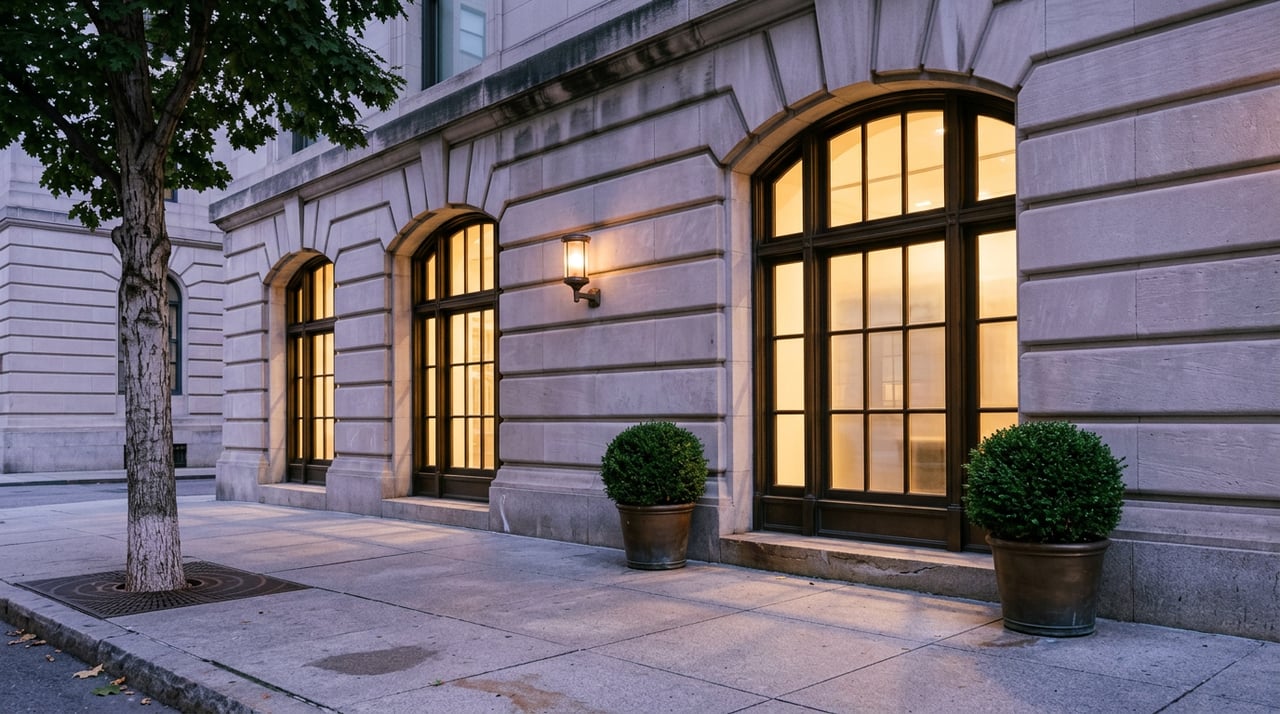
If you are considering a landmarked building or a home within a historic district, exterior changes often face more oversight than interior reconfiguration. In New York City, owners generally need approval before making most alterations that affect designated buildings or district properties, particularly visible features such as façades, windows, and storefronts.
That said, landmark status does not mean a building is frozen in time. The same Flatiron/NoMad conversion study noted that the area’s historic districts mainly govern street-visible features and are not a major obstacle to conversion feasibility. For you, that means a building can retain its historic presence while still functioning as a comfortable modern residence.
Due diligence for older loft conversions
Not every older loft building has the same occupancy history, so due diligence matters. In New York City, the Loft Board regulates certain former commercial or manufacturing buildings that were illegally used as residences and must be legalized as Interim Multiple Dwellings. This does not apply to every Flatiron loft, but it is an important point to review in older conversions or buildings with a more complex history.
For buyers, this is where experienced guidance can help you ask the right questions early. For sellers, having building information organized and ready can reduce friction and support a more confident transaction process.
Flatiron buildings that tell the story
Several buildings help illustrate the range of loft living in Flatiron.
141 Fifth Avenue
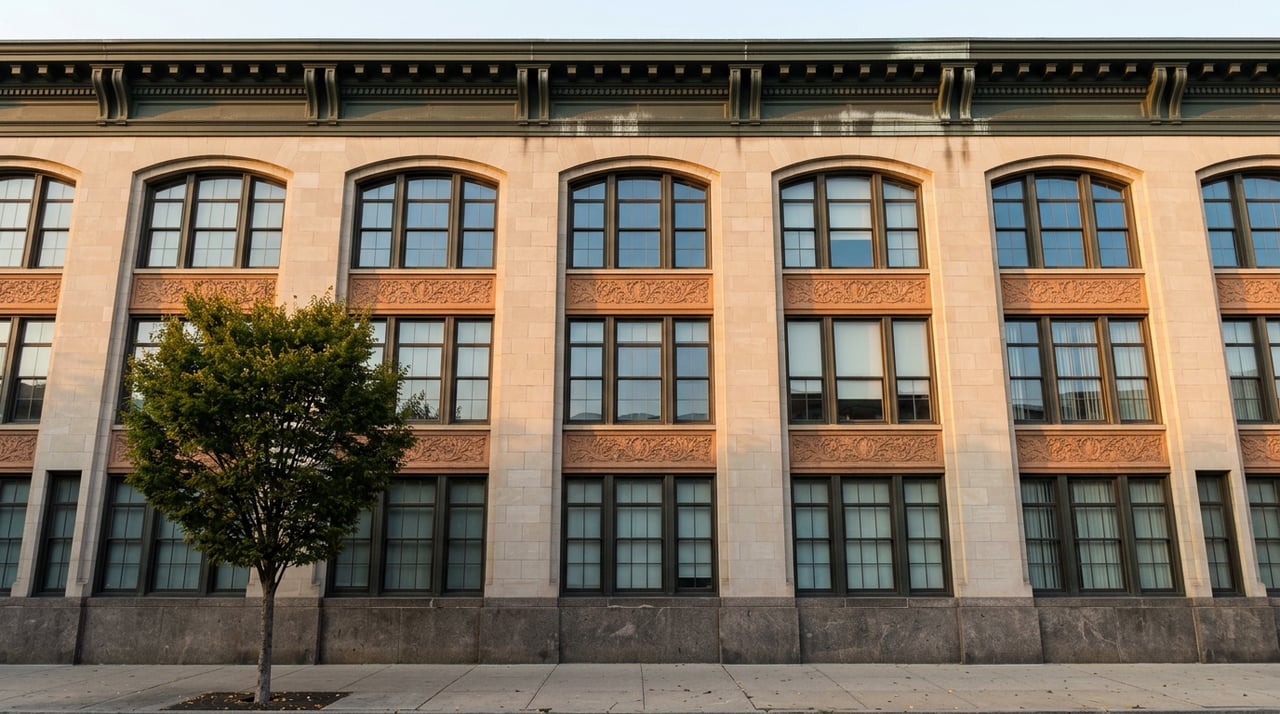
At the southeast corner of 21st Street, 141 Fifth Avenue is a landmarked store-and-loft building later renovated into 38 condominiums. Its Beaux Arts terra-cotta façade, rounded corner, white brick, and banded columns make it a standout example of how historic architectural detail can pair with residential conversion. It captures the classic Flatiron idea of heritage outside and modern living within.
212 Fifth Avenue
At 26th Street, 212 Fifth Avenue offers a different expression of scale. Built in 1912 and 1913, this 20-story neo-Medieval building used a steel frame and was promoted with unobstructed, column-free floor plans. Its later conversion into a 48-unit condominium shows how early commercial design could translate into highly desirable residential space.
186 Fifth Avenue
The Western Union Building at 186 Fifth Avenue is one of Fifth Avenue’s earliest commercial structures, dating to 1883. Five of its seven floors were later converted into loft condominiums. It is a useful example of how commercial heritage and residential adaptation intersect in this part of Manhattan.
170 Fifth Avenue
The Sohmer Building at 170 Fifth Avenue is smaller in scale but memorable for how it uses light. Built in 1897 and converted to residential condominiums in 2000, its cupola duplex uses clerestory and tall windows to capture light and views. It shows how even a compact building can deliver a powerful loft experience when architecture and daylight work together.
Streets that define the loft experience
When people picture Flatiron, they often think first of Broadway and Fifth Avenue around 23rd Street. The Flatiron plazas at 23rd Street, Fifth Avenue, and Broadway, next to Madison Square Park, help anchor the district’s identity. The side streets around lower Fifth Avenue and the park also carry much of the neighborhood’s architectural texture.
For buyers, these streets help frame not just where a loft is located, but how it feels to arrive home. For sellers, proximity to these recognizable spatial anchors can strengthen a property’s story when paired with the right positioning and marketing.
What buyers and sellers should watch for
If you are buying a Flatiron loft, focus on the features that drive both everyday enjoyment and future marketability:
- Look at light across different times of day
- Count exposures, not just windows
- Assess ceiling height and room volume
- Study floor plate depth and column placement
- Ask about building history and conversion details
- Review any landmark or occupancy considerations
If you are selling, the goal is to present the loft in a way that clarifies how it lives. Buyers need help reading open volume, understanding layout possibilities, and seeing the value of architectural details that may not fit a standard apartment checklist. In a nuanced micro-market like Flatiron, that often takes polished storytelling, accurate positioning, and disciplined transaction execution.
Flatiron lofts are never just about square footage. They are about architecture, light, and the quality of space you can feel the moment you walk in. If you are considering a purchase, preparing a sale, or simply weighing what makes one loft outperform another, the right guidance can help you read the details that matter most. For a private consultation or complimentary market valuation, connect with the Steven Cohen Team.
FAQs
What defines a true loft in Flatiron?
- In Flatiron, a true loft often comes from a former commercial or manufacturing building and typically features open floor plates, high ceilings, large windows, and structural elements like columns that shape the layout.
Why does natural light matter in a Flatiron loft?
- Natural light matters because large windows and multiple exposures can make deep spaces feel more livable, improve layout flexibility, and strengthen long-term buyer appeal.
How do historic districts affect Flatiron loft owners?
- In Flatiron historic districts, changes to visible exterior elements such as façades and windows often require approval, while interior reconfiguration is generally less constrained.
What should buyers check in an older Flatiron loft conversion?
- Buyers should review the building’s conversion history, occupancy status, layout efficiency, and whether any Loft Board issues or other building-specific due diligence points may apply.
Which Flatiron buildings are useful examples of loft living?
- Useful examples include 141 Fifth Avenue, 212 Fifth Avenue, 186 Fifth Avenue, and 170 Fifth Avenue, each showing a different mix of historic architecture, conversion strategy, and light-filled residential design.