In Manhattan, value is rarely about the apartment alone. It is about the building that surrounds it, and just as often about the confidence that building inspires in the buyer who comes next.
Two residences can offer nearly identical square footage, light, and finishes and still diverge sharply in how they hold value over time. One continues to attract serious buyers through every kind of market. The other, for reasons not always obvious at first glance, never quite commands the same conviction.
The difference tends to come down to a small set of qualities that discerning buyers have learned to trust: architecture, location, service, scarcity, reputation, floor-plan quality, and the long-term financial strength of the building itself. Each matters on its own. Together, they are what separate a residence that merely sells from one that endures.
The short version: Manhattan buildings hold their value best when timeless architecture, a proven location, and genuinely attentive service meet real scarcity, a trusted reputation, gracious floor plans, and disciplined finances. Buildings that combine most of these qualities tend to remain desirable across market cycles. Those missing several rarely do.
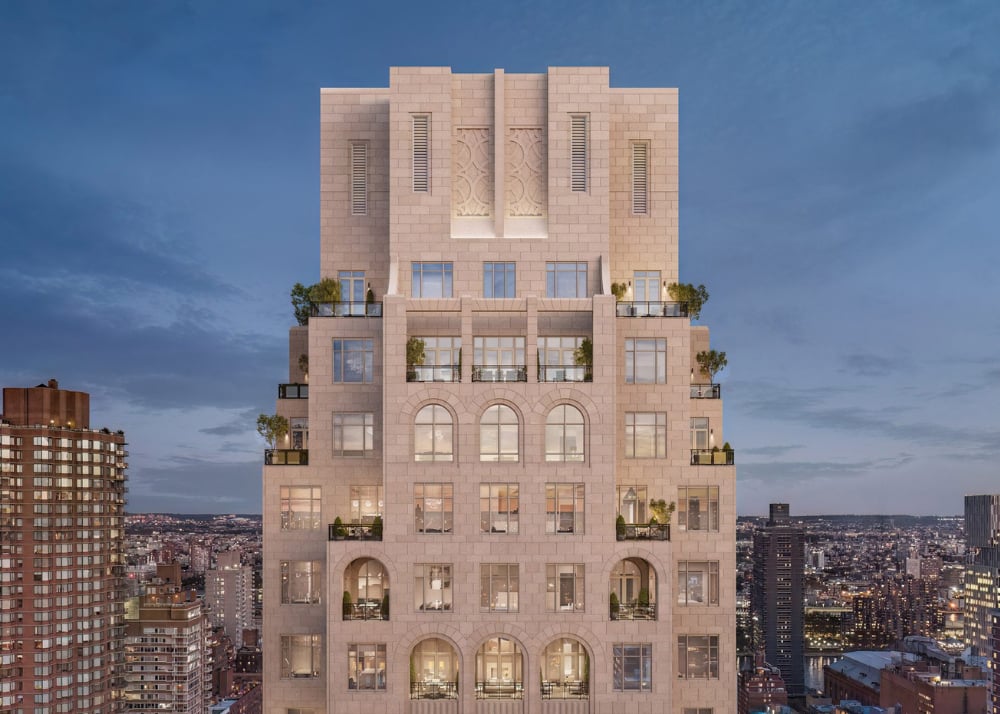
The seven qualities that most reliably protect value:
Architecture built to last, not merely to impress at launch
A location that proves itself block by block
Service that makes daily life effortless
Scarcity that cannot be manufactured
A reputation buyers trust before they arrive
Floor plans that live gracefully
Financial strength and disciplined governance
1. Architecture that lasts
Architecture is often the first thing that protects a building’s value, and the hardest to replicate.
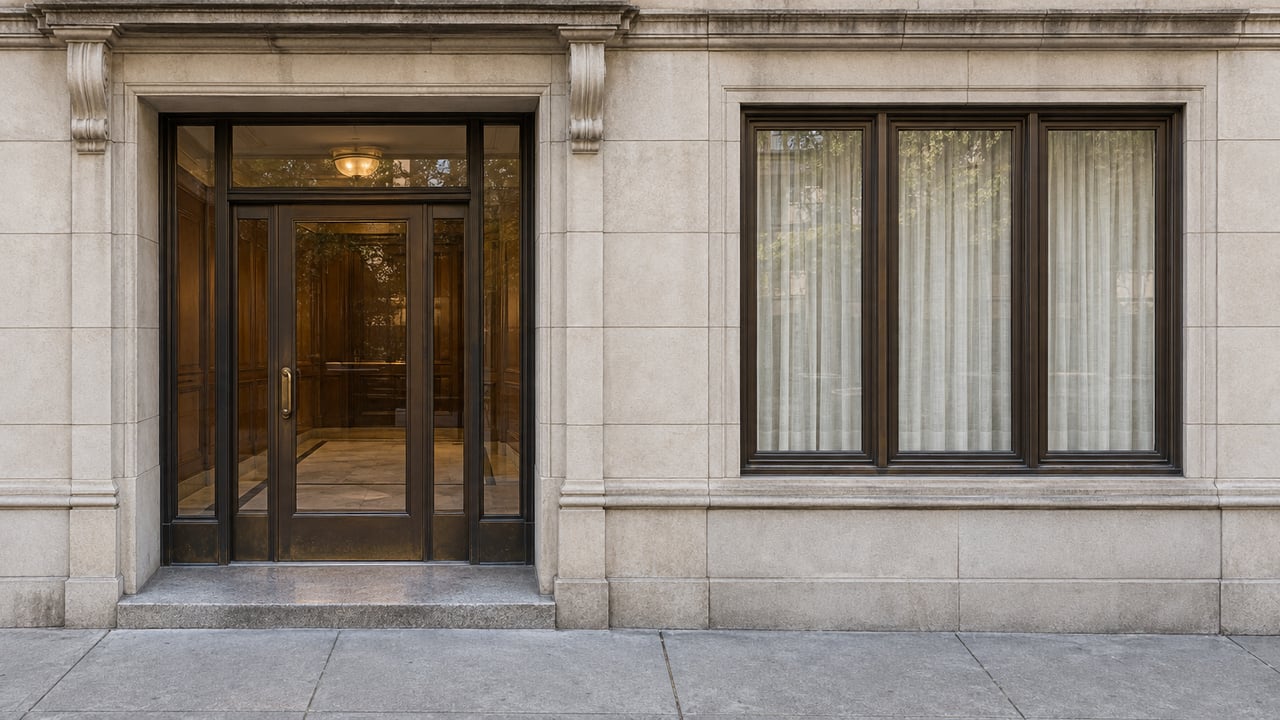
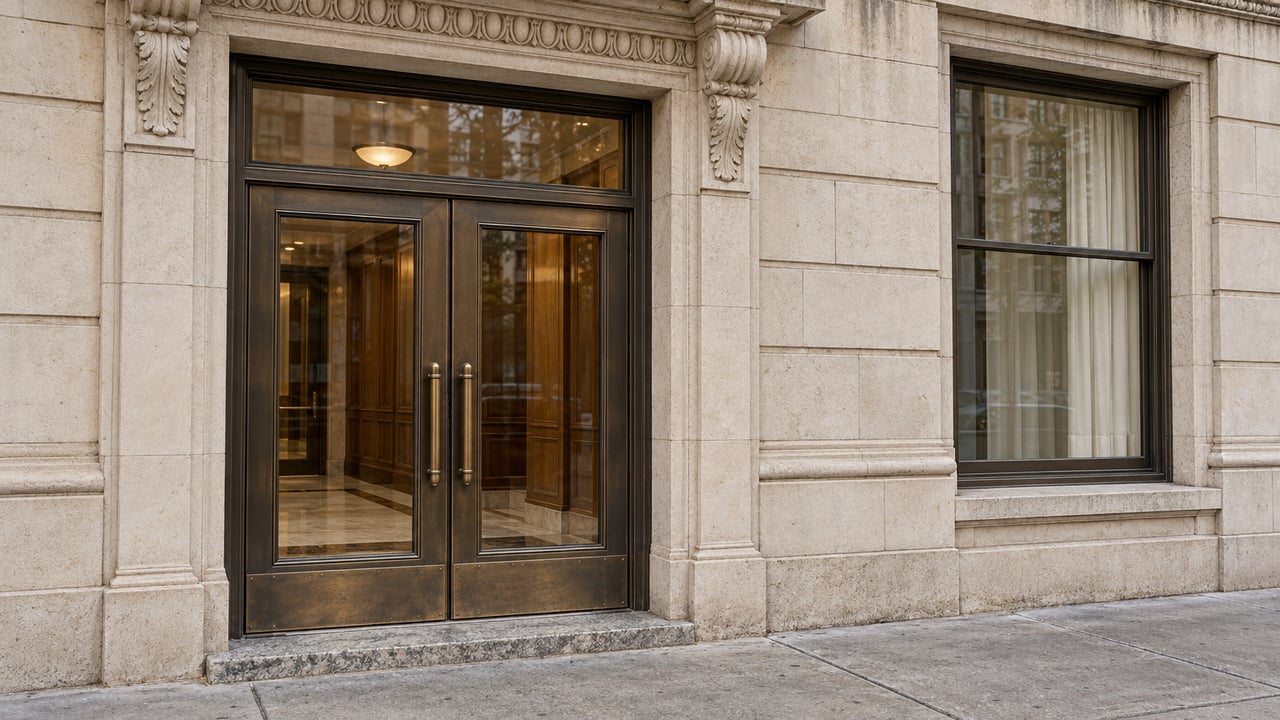
A gracious façade, generous proportions, considered materials, high ceilings, and detailing done by hand all contribute to an appeal that does not fade. It is one reason Manhattan’s finest prewar buildings remain so sought after: their scale, craftsmanship, and sense of permanence are nearly impossible to reproduce at today’s costs. A limestone base, a well-drawn cornice line, the way afternoon light falls through a properly sized window: these are quiet signals of quality that buyers register even when they cannot name them.
Architecture need not be old to be enduring. The strongest modern buildings understand proportion, light, materials, and flow just as well; they are designed to age, not simply to photograph well on opening day. Timeless design tends to outlast design built around a trend, because the qualities that make a building beautiful in its first year are the same ones that keep it desirable in its thirtieth.
2. Location that keeps proving itself
Location remains the single most durable driver of value in Manhattan, but the location that matters is measured in blocks, not neighborhoods.
Beyond the name on the map lies the detail that actually shapes daily life: the exact block, the frontage on a park, protected views that will not be built out, proximity to good retail and transit, the quality of the light, and the calm of a quiet street. A residence on a beautiful park block, a serene stretch of the Upper East Side, or a coveted downtown corner carries value because a buyer understands it the moment they arrive.
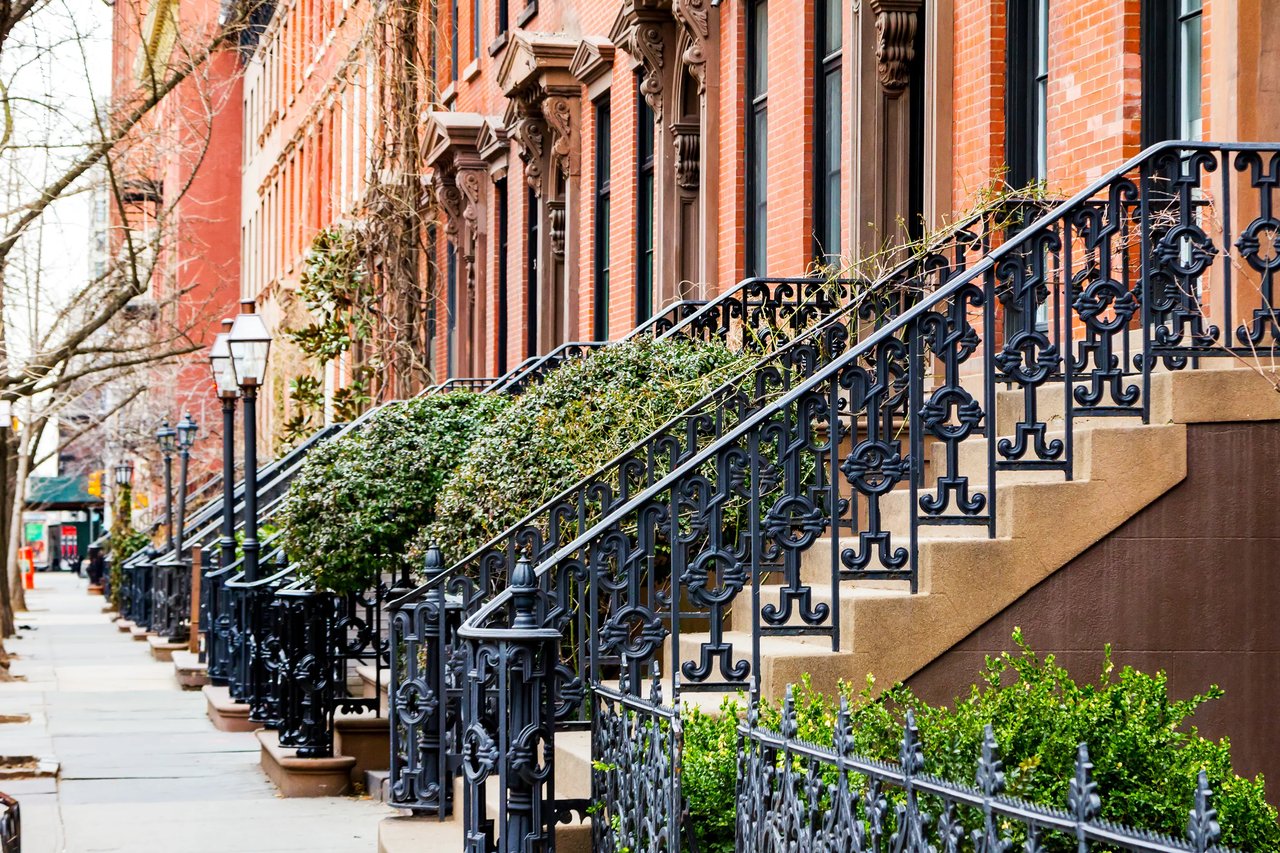
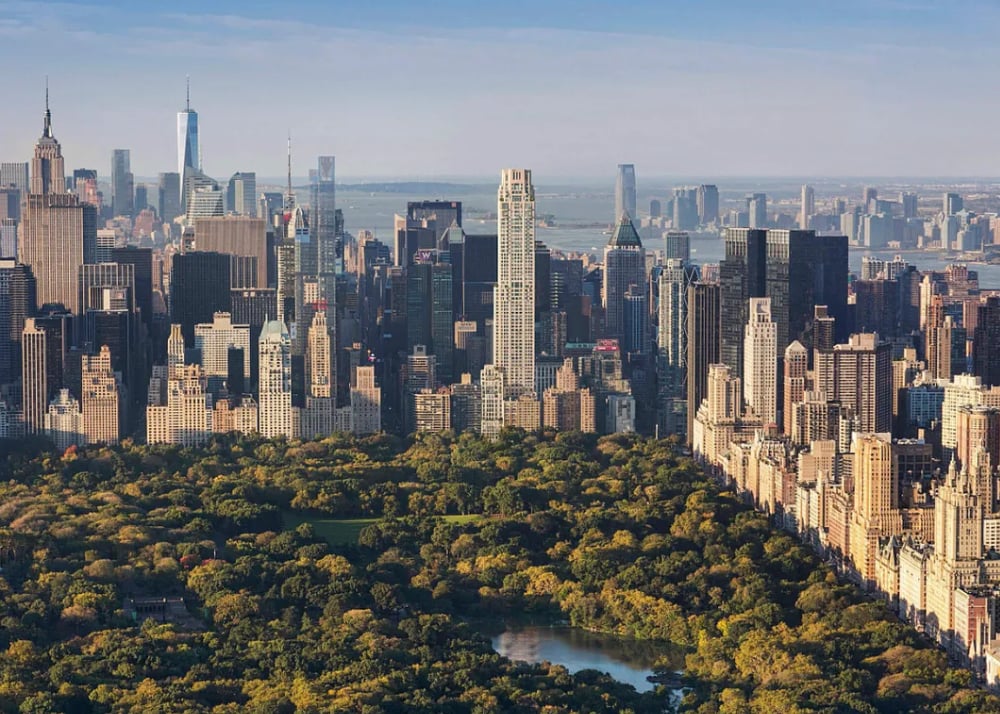
Central Park and Riverside Park, Madison, Fifth, and Park Avenues, the West Village, Tribeca, Carnegie Hill, and Lincoln Square continue to draw buyers for the same reasons they always have: history, convenience, lifestyle, and limited supply. The best buildings benefit from location in a way that feels self-evident: the kind of address that requires no explanation.
Photo courtesy of Forbes

3. Service that feels effortless
At the top of the market, service is not an amenity. It is part of the asset.
A well-run building creates a form of trust that compounds over time. It shows in an experienced resident manager, staff who stay for years and know residents by name, immaculate common areas, seamless handling of deliveries, and management that responds before it is asked. Buyers at this level are not only acquiring an apartment; they are buying into a daily experience, and they notice everything: how they are greeted, how secure the lobby feels, how quietly the building simply works.
That attention matters more, not less, as the price rises. Strong service makes a building easier to live in today and more desirable to the next buyer tomorrow. It is also remarkably difficult to fake.
4. Scarcity protects value
Scarcity is the quiet engine beneath many of Manhattan’s most resilient values.
A grand prewar co-op on Park Avenue cannot be built again. A residence with protected Central Park views is limited by definition. A boutique condominium in a prime downtown location may hold only a handful of homes, and a building with rare scale, private outdoor space, or exceptional architecture may have almost no true peer. When something is genuinely scarce, a buyer rarely needs to be persuaded of why it matters.
Manhattan will always have inventory. It will not always have this. Best-in-class homes in best-in-class buildings are far harder to find than the market’s raw supply suggests, and that scarcity does much of the quiet work of holding value over time.
5. Reputation creates confidence
Some buildings are trusted before a buyer ever walks through the door.
That reputation may rest on architecture, history, discretion, financial strength, board discipline, or decades of steady resale performance. In Manhattan, word travels quickly among buyers and the brokers who advise them, and a respected building makes the decision to pay a premium feel less like a risk and more like good judgment. The reverse is equally true: questions around finances, management, litigation, high carrying costs, or special assessments can shadow an otherwise beautiful apartment.
The most discerning buyers are asking two questions, not one. Not simply, “Do I like the apartment?” but “Do I believe in the building?” The finest addresses answer both before the conversation begins.
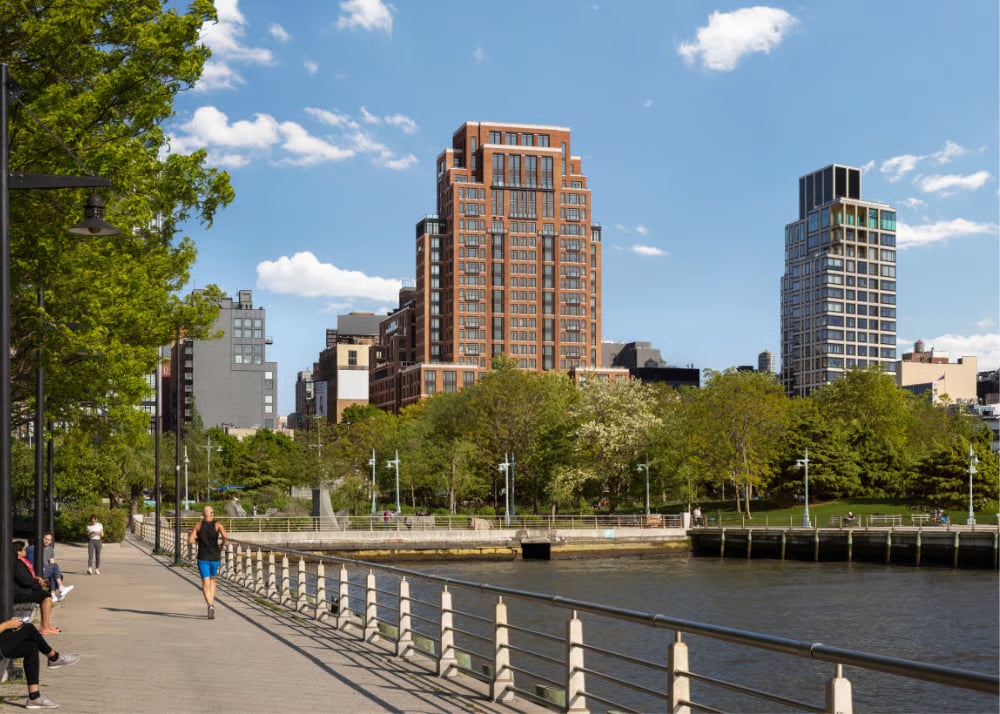
Photo courtesy of The Cortland
6. Floor plans that live well
A distinguished building can only do so much if the apartment itself does not live well.
Floor-plan quality is among the most underrated drivers of value in Manhattan. Buyers respond, often instinctively, to a proper entry, a gracious gallery, split bedrooms, natural light on more than one exposure, a dining room that genuinely seats a table, generous closets, a windowed kitchen, and rooms drawn to real proportion. These are the details that make a home feel effortless before anyone can explain why.
Awkward layouts are difficult to overcome. Even within a prestigious building, a home with poor flow, wasted space, limited light, or compromised room sizes will work harder to hold its value. A strong floor plan is quiet value: felt immediately, articulated rarely, and rewarded every time the apartment returns to market.
7. The strongest buildings earn trust
Ultimately, the Manhattan buildings that hold their value best are the ones buyers continue to trust: the location, the architecture, the service, the finances, and the way the apartments actually live. That trust is what supports value through every kind of market.
The strongest buildings are not always the newest, the tallest, or the most talked about. They are the ones that remain desirable across cycles because buyers understand their quality, their scarcity, and their staying power. In a market this deep, that understanding is precisely what endures.
Whether a building will hold its value is not always visible from the listing. It shows in the financials and the board minutes, in the tenure of the staff, in the light at four o’clock, and in the reputation an address carries among the brokers who know it best. Reading those signals well is the work of a trusted advisor, and it is where the right guidance quietly pays for itself.
Steven has advised discerning buyers on Manhattan's most established buildings for more than two decades, with particular depth in prewar co-ops and new development. To discuss which Manhattan buildings are best positioned to hold their value, arrange a private, no-obligation consultation. Email us at [email protected].
Prewar co-ops versus new developments
Prewar co-ops and new developments hold their value by different rules, and understanding the distinction is central to buying well.
Prewar co-ops remain some of Manhattan’s most admired buildings because they offer what is increasingly rare: scale, craftsmanship, elegance, and architectural depth. High ceilings, grand living rooms, formal dining rooms, semi-private landings, thick walls, proper foyers, and beautiful moldings still matter enormously to buyers who want a home with permanence and character. Yet not every prewar co-op holds value equally. The strongest pair that architecture with sound financials, thoughtful board policies, diligent maintenance, realistic monthly costs, and a reputation for quality.
New developments answer a different brief. Buyers are drawn to modern finishes, amenities, turnkey condition, wellness features, private outdoor space, generous storage, and full-service convenience. But new does not automatically mean better. The new developments that endure are those built on genuine architecture, quality construction, intelligent layouts, a desirable location, appropriately scaled amenities, and a clear sense of identity. A successful new building is not the one that dazzles on opening day. It is the one still desirable years later, when the launch is long forgotten and only the quality remains.
Frequently asked questions
What makes a Manhattan building hold its value over time?
Manhattan buildings hold their value when several qualities align: enduring architecture, a proven block-by-block location, attentive service, genuine scarcity, a trusted reputation, gracious floor plans, and disciplined finances. No single factor guarantees value retention, but buildings that combine most of them tend to stay desirable through changing markets.
Do prewar co-ops hold their value better than new condos in Manhattan?
Often, but not always. The strongest prewar co-ops pair irreplaceable architecture and scale with sound finances and a solid reputation. The best new developments hold value through quality construction, intelligent layouts, and a clear identity. What matters is a building’s overall quality and governance, not simply its age.
Does the building matter more than the apartment itself?
Both matter, and the best outcomes require both. A distinguished building supports value, but a poorly laid-out apartment within it can still underperform. A gracious floor plan in a troubled building is held back by weak finances or reputation. Value is strongest where a well-designed home meets a well-run building.
Which Manhattan neighborhoods tend to hold their value best?
Established, supply-constrained areas have historically shown resilience: the Upper East Side around Carnegie Hill, the blocks bordering Central Park and Riverside Park, and prime downtown pockets such as the West Village and Tribeca. Within any neighborhood, the exact block, views, and light matter as much as the name itself.
How much does a building’s reputation affect resale value?
A great deal. Reputation, shaped by architecture, history, service, financial strength, and board discipline, travels quickly among Manhattan buyers and brokers. A trusted building can support a premium and sell more readily, while concerns over litigation, high carrying costs, or special assessments can weigh on price and slow a sale.
Why do some luxury buildings lose value faster than others?
Usually because of factors beneath the surface: weak finances, deferred maintenance, special assessments, a land lease, inconsistent management, or an awkward mix of apartments. Striking design at launch does not protect a building that proves expensive to run or difficult to trust years later.
Does an apartment’s floor plan really affect its value?
Yes, more than many buyers expect. Gracious entries, split bedrooms, good light, windowed kitchens, and well-proportioned rooms make a home easier to live in and to resell. Awkward layouts, wasted space, and poor light are difficult to overcome, even within a prestigious building.