Trying to choose between a classic six and a condo on the Upper West Side? You are not alone. Many buyers here are weighing two very different kinds of homes that can both work beautifully, but for very different reasons. If you understand how layout, ownership, monthly costs, and long-term flexibility differ, you can make a much clearer decision. Let’s dive in.
Why this choice matters on the Upper West Side
The Upper West Side has a distinct housing mix shaped by its history, building stock, and residential feel. The neighborhood generally spans from 59th to 110th Streets between Central Park and the Hudson River, and it remains known for green space, strong transit access, and a deeply residential character.
That setting helps explain why classic prewar apartments and newer condos continue to coexist here. At the same time, new condo development is more limited than in many other parts of Manhattan, in part because historic districts constrain the pace of new construction. In simple terms, both options exist on the Upper West Side, but they are not equally common.
What a classic six usually means
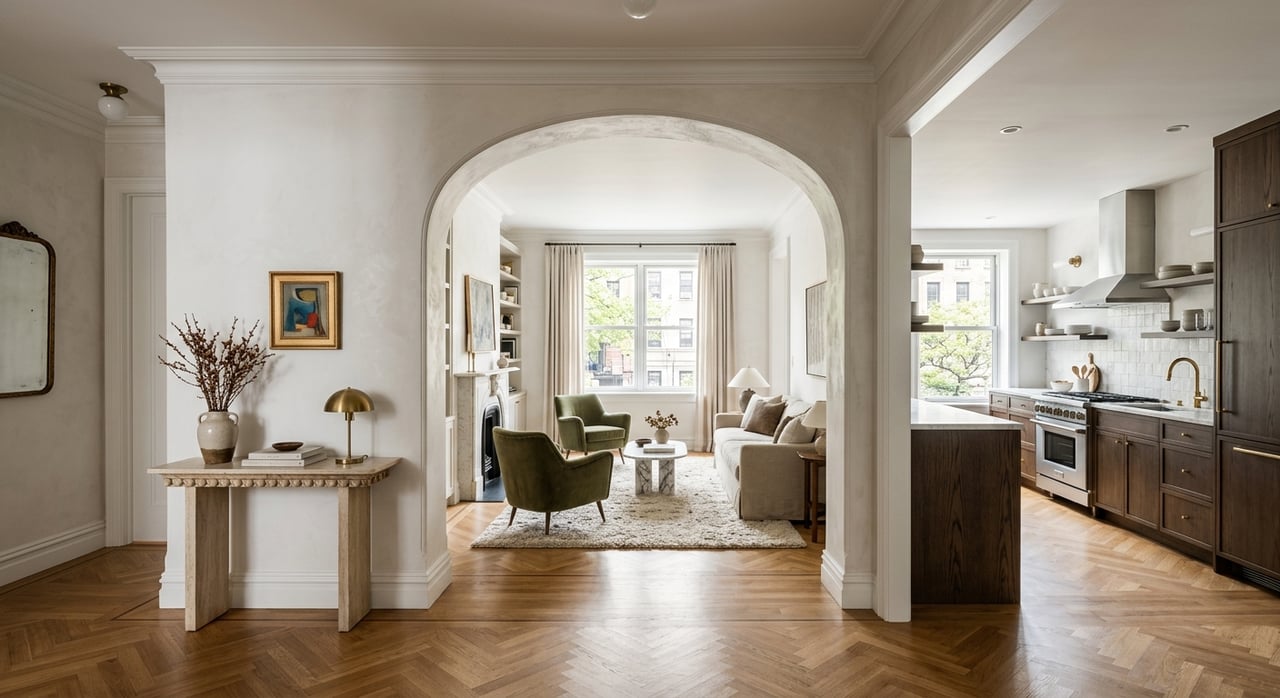
A classic six is a traditional prewar floor plan with six main rooms. That usually includes a living room, formal dining room, kitchen, two bedrooms, and a maid’s room near the kitchen, often with its own bath.
In many cases, these homes also include generous closets and pantry space that may not be reflected in the advertised room count. That can make the apartment feel even more usable day to day, especially if you value storage and separation between rooms.
On the Upper West Side, classic sixes often appeal to buyers who want architectural character and a more traditional layout. Instead of one large open space, you typically get clearly defined rooms that support different uses and a more formal sense of structure.
Why buyers still love classic six layouts
The biggest advantage is often flexibility within a traditional footprint. The formal dining room or former staff room may serve as an office, guest room, nursery, or hobby space, depending on your needs.
That flexibility matters if your lifestyle changes over time. You may want space to work from home now, host overnight guests later, or create a separate quiet room without giving up your main living areas.
What the classic six lifestyle feels like
A classic six often feels private and composed. You move from room to room with a clearer sense of purpose, which many buyers prefer over an open-plan layout.
That experience fits the Upper West Side especially well because the neighborhood is still strongly associated with older residential buildings. If you are drawn to prewar detail, room separation, and established building character, a classic six may feel like a natural match.
What makes a condo different
A condo differs from a co-op in the ownership structure itself. In a condominium, you own your individual unit plus an undivided interest in the common elements. In a co-op, you purchase shares in a corporation and receive a proprietary lease.
That distinction is more than legal wording. It affects monthly costs, closing costs, governance, and how you may think about long-term use of the property.
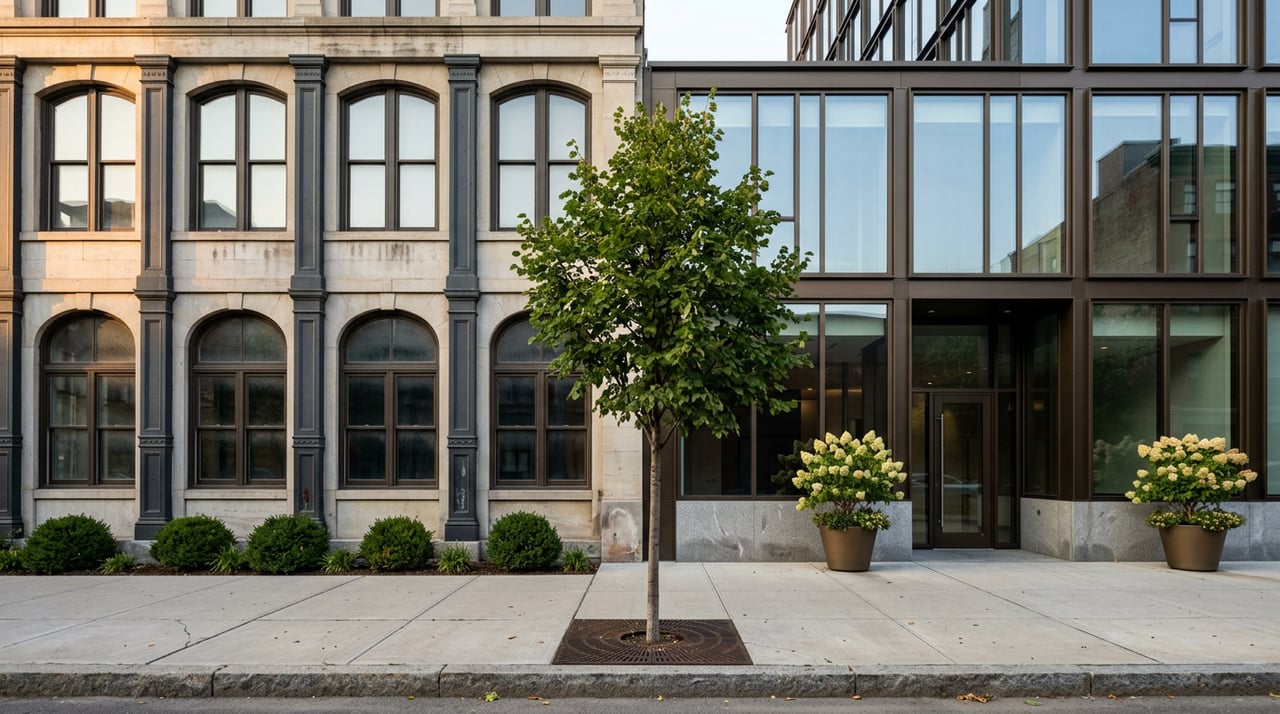
On the Upper West Side, condos also tend to represent the more modern side of the market. Recent projects may include amenities such as fitness centers, playrooms, terraces, private storage, and full-service arrival features.
Why condos stand out on the Upper West Side
Condo supply on the Upper West Side remains relatively limited. Because new development has not expanded here at the pace seen in some other neighborhoods, modern condo product tends to feel scarcer.
That scarcity is one reason condos often command a premium. PropertyShark reported an April 2026 median sale price of $2.4 million for Upper West Side condos, compared with $1.4 million for co-ops. That does not mean every condo costs more than every co-op, but it does show that the condo segment is pricier on average.
What condo living often offers
For many buyers, the appeal is direct ownership paired with a more modern building environment. If you value amenities, newer finishes, and a structure that may offer more flexibility over time, a condo can be very attractive.
That is especially true if you want a home that feels more contemporary than the classic prewar inventory that defines much of the neighborhood. On the Upper West Side, condos often represent the newer, more amenity-driven side of residential living.
Classic six vs condo: the real tradeoffs
The right choice usually comes down to what you value most. On the Upper West Side, buyers are often balancing space and character against flexibility and modern convenience.
Here is a simple side-by-side view:
| Feature | Classic Six | Condo |
|---|---|---|
| Typical feel | Prewar, traditional, room-by-room | Modern, streamlined, amenity-oriented |
| Layout | Separate rooms, formal dining, flexible extra spaces | Often more contemporary and open in feel |
| Ownership | Commonly co-op structure | Direct real property ownership |
| Monthly charges | Maintenance based on share allocation | Common charges and separate real estate taxes |
| Building culture | Board governance under bylaws, lease, and house rules | Board of managers with condo governing documents |
| Market position on UWS | More aligned with neighborhood’s historic housing stock | Scarcer and generally pricier segment |
Monthly costs and closing costs to understand
Monthly expenses work differently in co-ops and condos. In a co-op, maintenance charges are tied to the number of shares allocated to the apartment. In a condo, projected monthly common charges are separate from projected real estate taxes, and each unit is taxed as its own tax lot.
That difference can also affect your closing costs. New York City applies its real property transfer tax to both individual co-op apartment transfers and individual condo transfers under the same residential rate schedule. But mortgage recording tax applies to recorded mortgages, and cooperative apartments are excluded.
In practice, that means a financed condo purchase can carry higher closing costs than a similarly priced co-op purchase. If you are comparing two homes that already feel close on price, this is an important point to model carefully.
A note on tax abatements
For primary residences, both co-op and condo owners may be eligible for New York City’s cooperative and condominium property tax abatement. The building management, board, or managing agent applies for it.
This does not erase the structural differences between co-op and condo ownership, but it is still a useful benefit to ask about during your search.
Board culture and long-term flexibility
On the Upper West Side, this may be the most important difference of all. In a co-op, shareholders elect the board, and the board operates under governing documents that can include bylaws, the proprietary lease, the certificate of incorporation, and house rules, including sublet provisions.
The New York Attorney General notes that co-op board members are usually shareholder neighbors serving without pay, and that they must act as a body. Condo boards also have legal obligations and must make governing documents available for inspection, but the owner’s interest remains direct real property ownership.
For many buyers, that translates into a practical lifestyle distinction. A classic six co-op may offer more space and prewar character, while a condo may offer more long-term flexibility in how you hold and use the property.
Which option may fit you best?
If you are trying to simplify the decision, it helps to start with your priorities instead of the listing photos. The better fit is often the home that matches how you actually want to live, not just what looks best on paper.
A classic six may fit better if you want:
- More interior square footage
- A traditional room layout
- Prewar character and separation between spaces
- A home that reflects the Upper West Side’s established co-op tradition
- A long-term primary residence with a more formal residential feel
A condo may fit better if you want:
- Direct real property ownership
- A more modern building environment
- Amenities such as fitness space, storage, terraces, or playrooms
- Scarcer newer product on the Upper West Side
- Greater long-term flexibility potential compared with a traditional co-op setting
Why Upper West Side nuance matters
This is not a generic Manhattan question. On the Upper West Side, the choice carries extra weight because the neighborhood has such a strong prewar identity, while condo inventory is more limited and often more expensive.
That means you are not just comparing two ownership types. You are often choosing between two very different versions of Upper West Side living: one rooted in classic architecture and established co-op culture, and another tied to newer, scarcer, more modern product.
The smartest approach is to compare not only price and size, but also governance, monthly carrying costs, closing costs, and how you want the apartment to function over the next several years. That is where the right answer usually becomes clear.
If you are weighing a classic six against a condo on the Upper West Side, the right guidance can save time and prevent expensive missteps. The Steven Cohen Team offers discreet, data-driven advice for Manhattan buyers who want thoughtful strategy, board-savvy support, and white-glove execution.
FAQs
What is a classic six apartment on the Upper West Side?
- A classic six is typically a prewar six-room layout with a living room, formal dining room, kitchen, two bedrooms, and a maid’s room, often near the kitchen and sometimes with its own bath.
How is a condo different from a co-op on the Upper West Side?
- In a condo, you own the unit plus an interest in the common elements; in a co-op, you buy shares in a corporation and receive a proprietary lease.
Are Upper West Side condos more expensive than co-ops?
- On average, yes. PropertyShark reported an April 2026 median sale price of $2.4 million for Upper West Side condos versus $1.4 million for co-ops.
Do classic six apartments usually offer more flexible room use?
- They often can, because spaces like the formal dining room or maid’s room may be adapted for uses such as an office, guest space, or nursery depending on the layout.
Do condo and co-op monthly costs work the same way in New York City?
- No. Co-op maintenance is based on share allocation, while condo ownership typically involves separate monthly common charges and separate real estate taxes.
Can financed condo purchases have higher closing costs than co-op purchases in NYC?
- Yes. A financed condo purchase can have a heavier closing cost burden because mortgage recording tax applies to recorded mortgages, while cooperative apartments are excluded.
Are Upper West Side condos easy to find compared with classic co-ops?
- Generally, no. New condo supply is relatively limited on the Upper West Side, while older apartment buildings remain a defining part of the neighborhood’s housing stock.
Which is better on the Upper West Side: a classic six or a condo?
- The better choice depends on your priorities. A classic six may suit you if you want space, character, and a traditional layout, while a condo may suit you if you want direct ownership, amenities, and more modern flexibility.