Brooklyn's apartment market in 2025 was not one unified market. It was a collection of distinct micro-markets, each moving at its own pace, shaped by housing stock, inventory, and buyer behavior. Across the borough, 4,207 apartments went into contract. Understanding where those contracts happened, and why, is what separates informed decision-making from guesswork.
Whether you are buying or selling in Brooklyn in 2025 or 2026, neighborhood-level data is the only data that matters.
Williamsburg: Brooklyn's Most Active Apartment Market
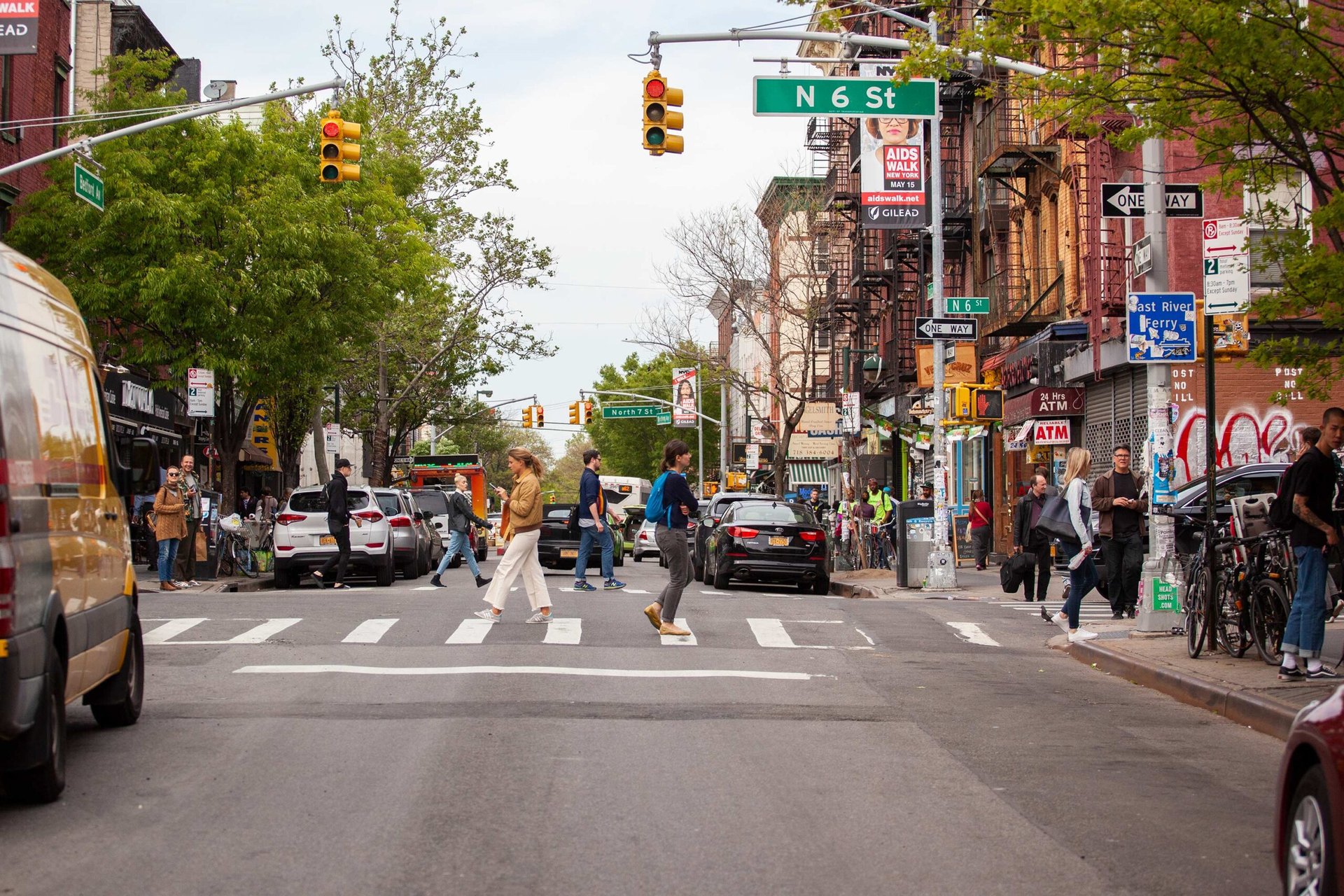
Apartments in contract: 443
Williamsburg led every Brooklyn neighborhood by a significant margin, accounting for more than 10% of all apartment contracts borough-wide. The drivers are structural rather than cyclical: a high concentration of condominiums, ongoing waterfront development, consistent new inventory delivery, and transit accessibility that serves both end-users and investors.
Williamsburg functions as Brooklyn's most liquid apartment submarket. Inventory replenishes regularly, and absorption remains steady across price tiers. For buyers, that liquidity creates clear pricing benchmarks. For sellers, it creates visibility, though visibility alone does not guarantee pricing power.
Park Slope: Consistent Family Demand in a Co-Op Market
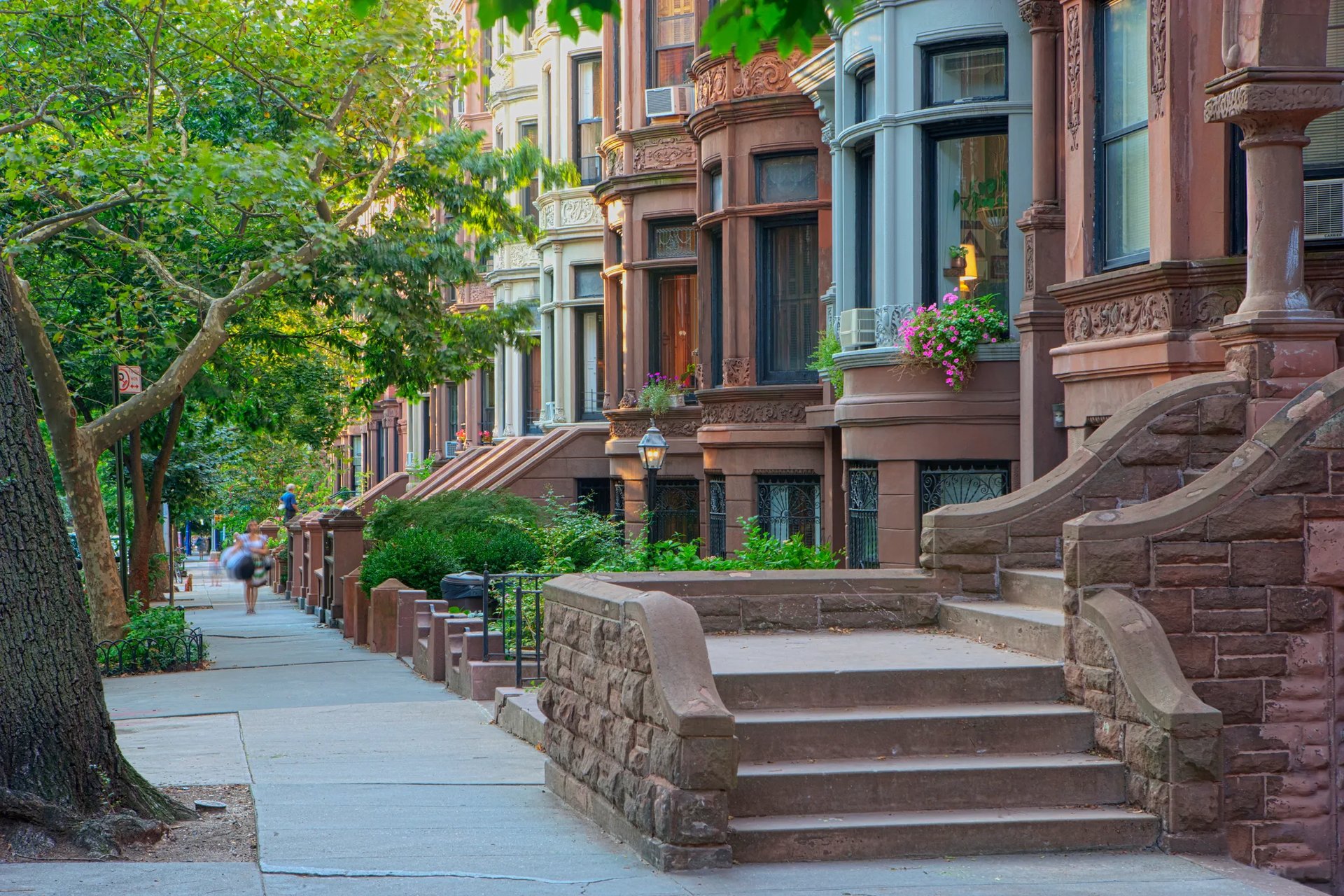
Apartments in contract: 309
Park Slope ranked second borough-wide, and its character is distinct from Williamsburg's. Activity here is not driven by new construction but by long-established co-op and condominium stock. Proximity to Prospect Park, school zoning stability, and strong owner-occupancy patterns sustain demand that is persistent, family-oriented, and price-sensitive.
Turnover is lower than in new-development corridors, but when inventory becomes available, it moves.
The High-Activity Tier: 185 to 213 Contracts
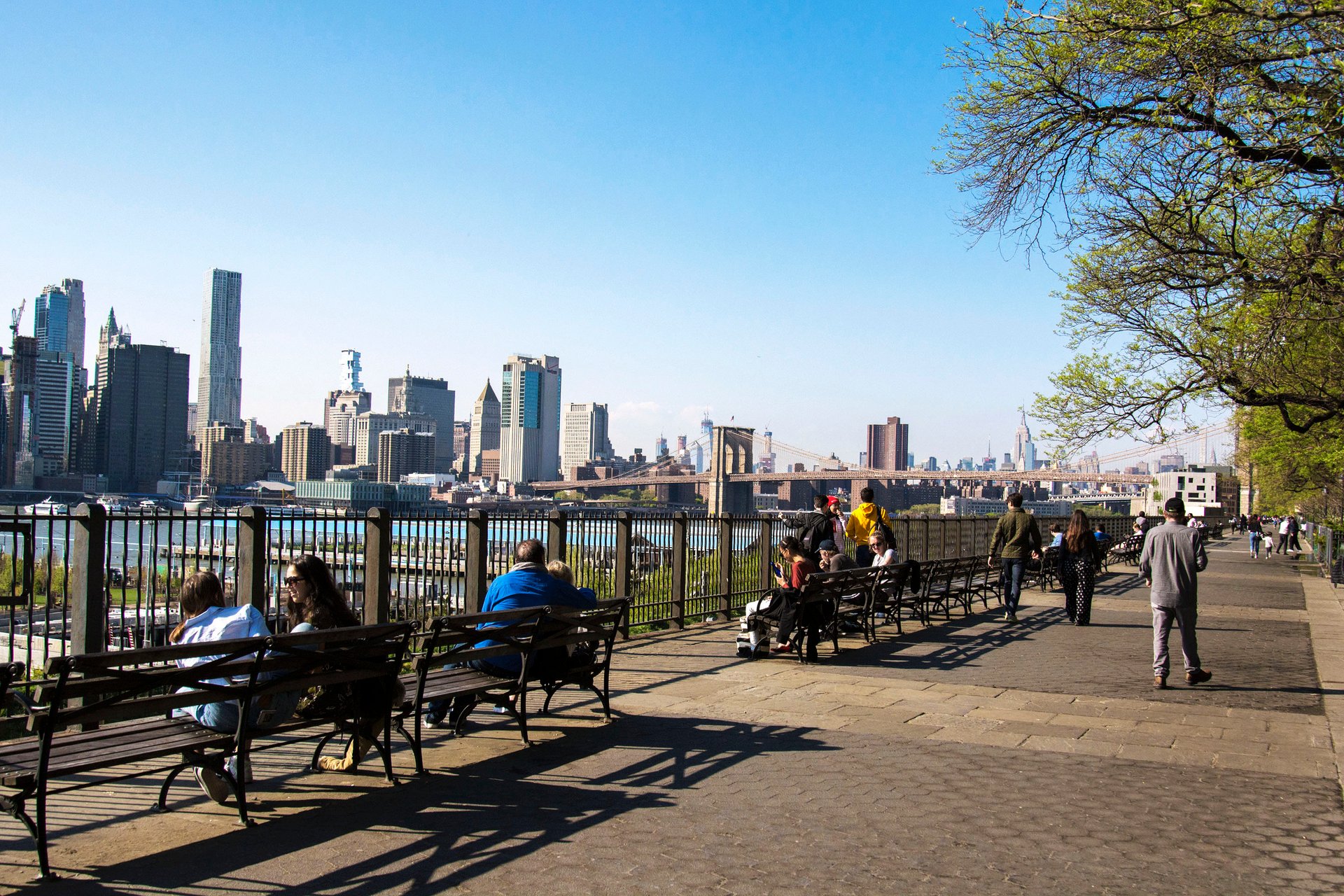
Several Brooklyn neighborhoods recorded between 185 and 213 apartment contracts in 2025, each with its own market character.
-
Brooklyn Heights (213 contracts): Limited inventory, high-end co-op concentration, and strong pricing discipline define this market. Buyers are serious and well-capitalized. Sellers benefit from scarcity but must be precise.
-
Sheepshead Bay (200 contracts): Larger layouts at comparatively moderate price points draw a consistent buyer pool. Value relative to size is the primary driver.
-
Bay Ridge (190 contracts): Mid-market co-op demand and a steady local buyer base have made Bay Ridge one of Brooklyn's more dependable mid-borough markets.
-
Bedford-Stuyvesant (187 contracts): Brownstone conversions and boutique condominium activity continue to attract buyers seeking character and relative value within a changing neighborhood.
-
Downtown Brooklyn (185 contracts): Condominium supply and consistent turnover make this one of Brooklyn's more transactional markets, appealing to buyers who prioritize new construction and building amenities.
Clinton Hill and Greenpoint: Residential Character with Real Liquidity
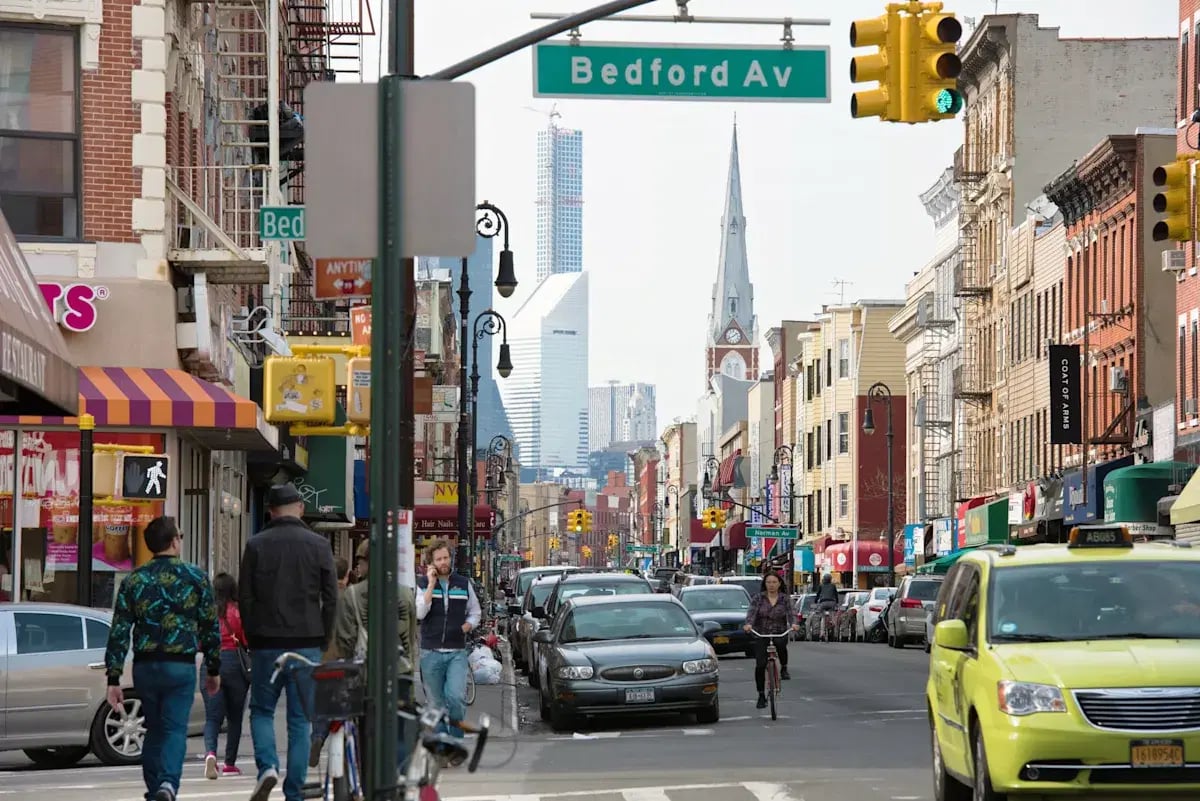
Clinton Hill: 178 contracts | Greenpoint: 161 contracts
Both neighborhoods benefit from proximity to high-demand corridors while maintaining a more residential scale. Transaction activity reflects balanced condominium supply alongside established co-op stock. These are markets where buyers often find more considered competition than in Williamsburg, without sacrificing access.
The Stable Mid-Market: 100 to 150 Contracts
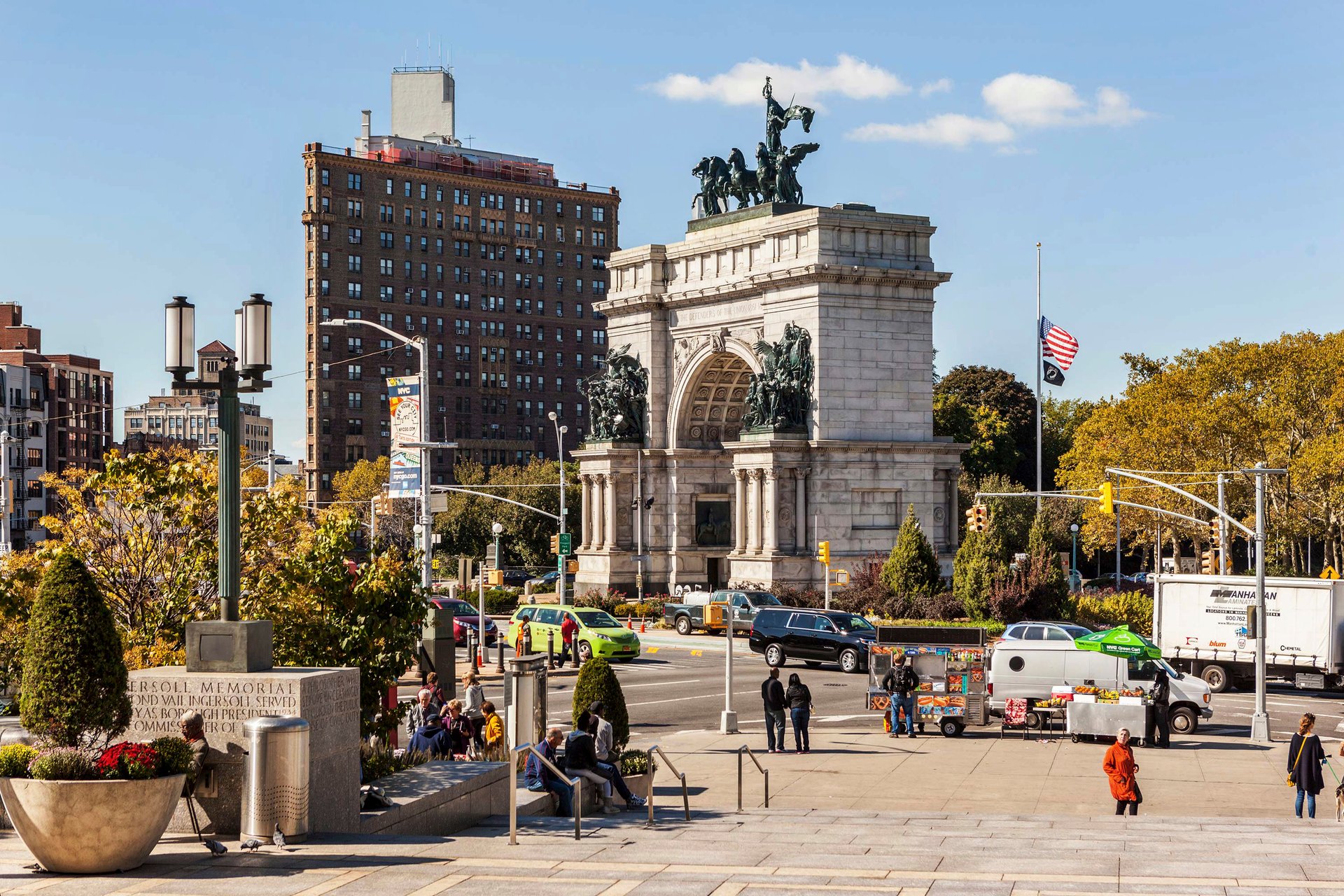
A broad tier of Brooklyn neighborhoods recorded steady contract volume in the 100 to 150 range:
-
Kensington (134)
-
Prospect Heights (133)
-
Crown Heights (131)
-
Boerum Hill (131)
-
South Slope (130)
-
Bushwick (120)
-
Midwood (119)
-
DUMBO (115)
These neighborhoods represent consistent demand without the scale of the borough's top markets. Buyer decisions here are often price-driven, layout-sensitive, and influenced by building type. Condominium-heavy areas tend to see more predictable turnover. Co-op-dominant neighborhoods often show tighter inventory cycles, which can work in a seller's favor when positioned correctly.
Moderate Activity Markets: 50 to 100 Contracts
-
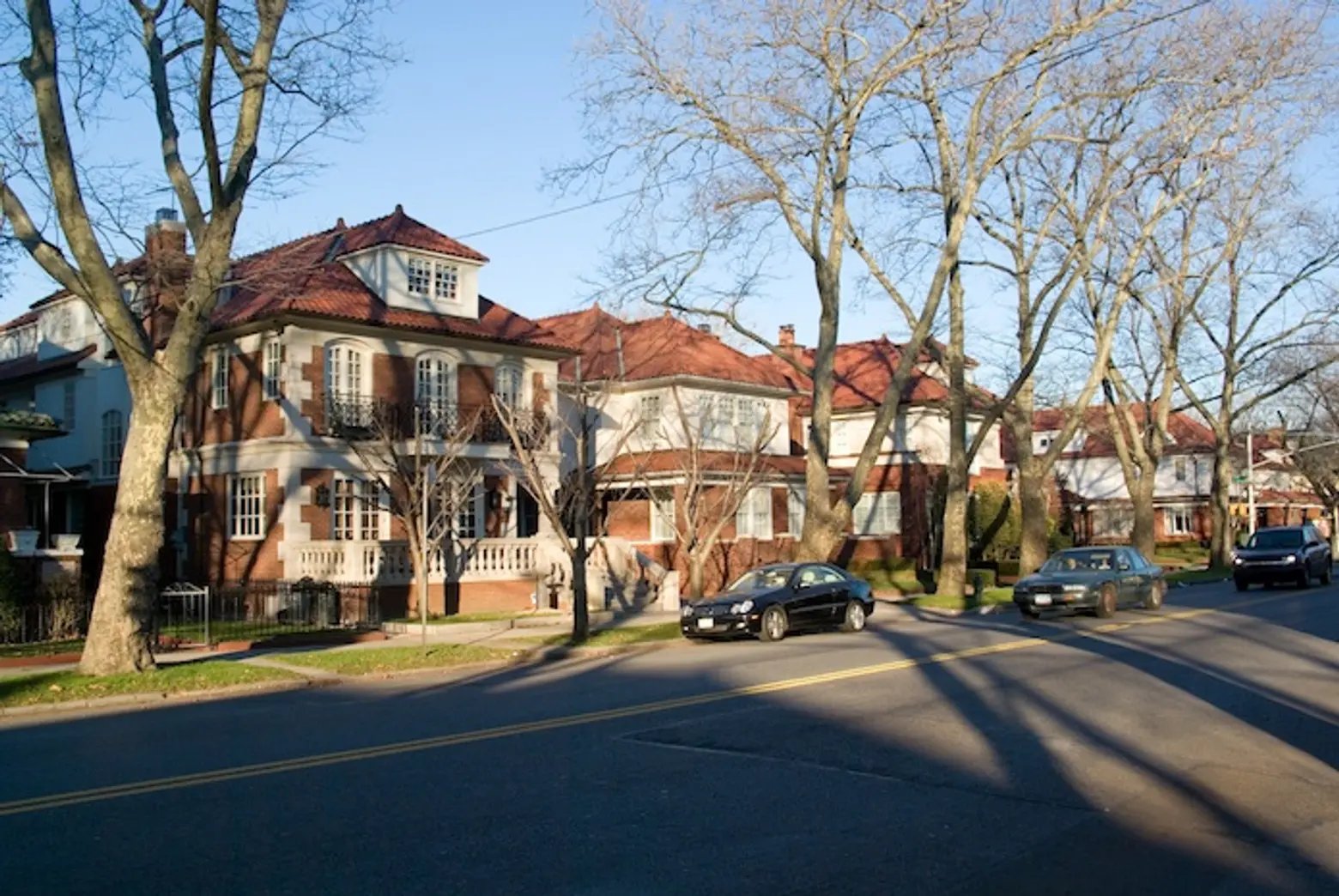
Gravesend (87)
-
Fort Greene (83)
-
Carroll Gardens (76)
-
Brighton Beach (74)
-
Windsor Terrace (72)
-
Cobble Hill (68)
-
Prospect Lefferts Gardens (66)
-
Flatbush (61)
-
Greenwood Heights (58)
-
Coney Island (52)
-
Sunset Park (49)
-
Bensonhurst (48)
-
East Flatbush (47)
These neighborhoods show healthy activity but reward precision. Pricing strategy and timing matter more in markets where comparable sales are limited and inventory rotation is slower.
Lower-Volume Neighborhoods: A Question of Supply, Not Demand
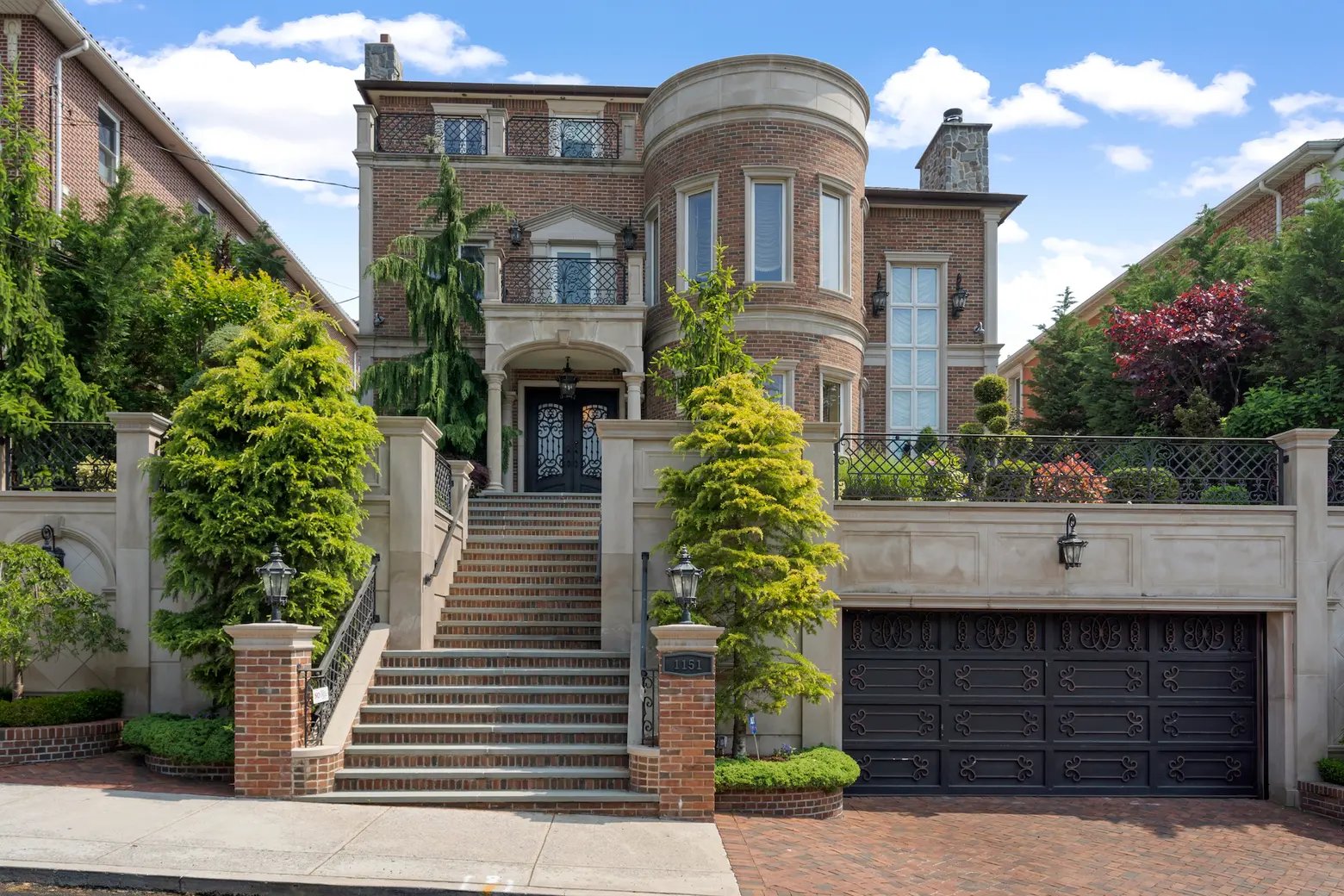
Several Brooklyn neighborhoods recorded fewer than 40 apartment contracts in 2025, including:
-
Ditmas Park (40)
-
Gowanus (31)
-
Dyker Heights (30)
-
Red Hook (9)
-
Manhattan Beach (5)
In most cases, low contract volume does not indicate weak demand. It reflects limited apartment density, higher concentrations of single-family homes, and minimal resale inventory. These are supply-constrained markets, not demand-constrained ones. That distinction matters significantly for buyers and sellers evaluating entry points.
What Brooklyn's 2025 Data Tells Us
Contract volume in Brooklyn closely correlates with condominium density and development scale. Williamsburg led by a wide margin. Park Slope maintained durable family-driven demand. Brooklyn Heights and Sheepshead Bay formed the second-highest activity tier. And in lower-volume neighborhoods, structural supply limitations, not buyer disinterest, explain the numbers.
For sellers, high contract activity creates exposure but not automatic leverage. Buyers in Brooklyn's most active neighborhoods compare building-specific sales, monthly carrying costs, renovation requirements, and competing inventory with discipline. Positioning within your immediate submarket, not borough-wide averages, determines outcome.
For buyers, liquidity creates clarity. High-velocity neighborhoods offer cleaner pricing benchmarks and more predictable negotiation ranges. In lower-volume markets, pricing can be less transparent, which cuts both ways.
Thinking About Buying or Selling in Brooklyn?
Brooklyn in 2025 rewarded those who understood the micro-market, not just the borough. If you would like a neighborhood-specific analysis of contract trends, absorption rates, or pricing dynamics within your building type, the data is there. It simply needs to be interpreted correctly.
A data-driven assessment can help clarify your position in the 2026 market before you make your next move.