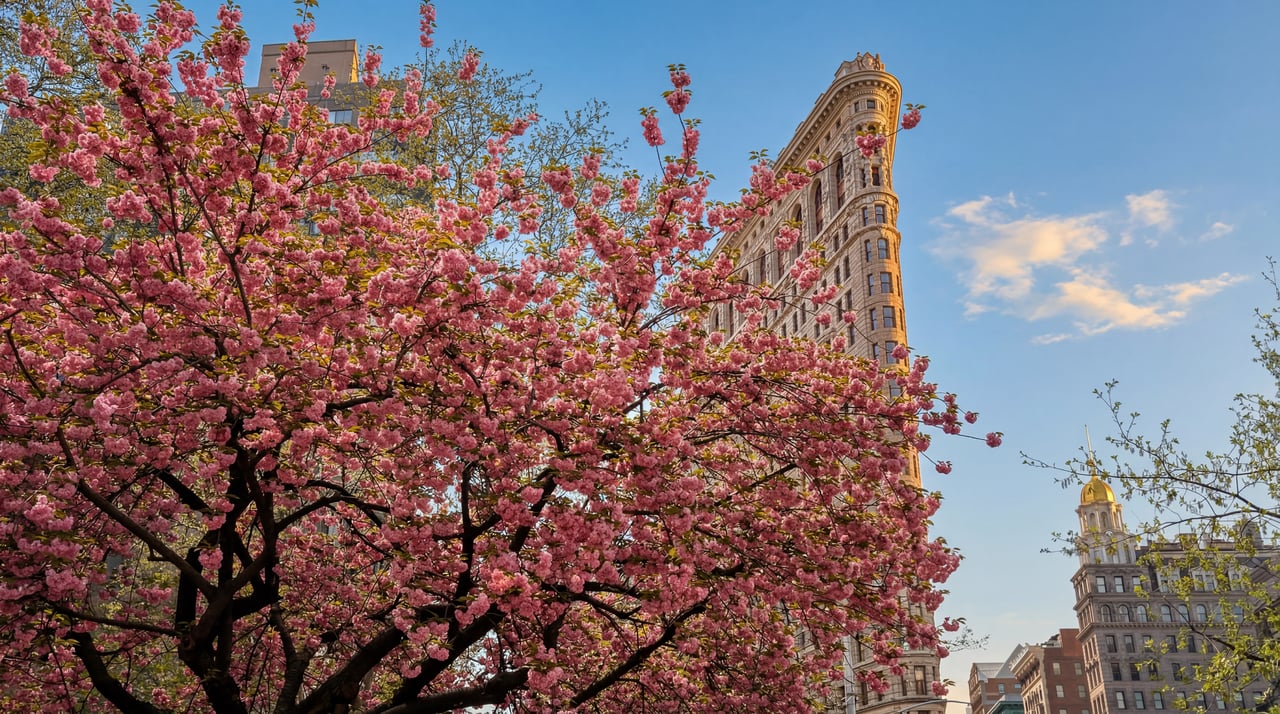
The Shift Reshaping Manhattan Real Estate
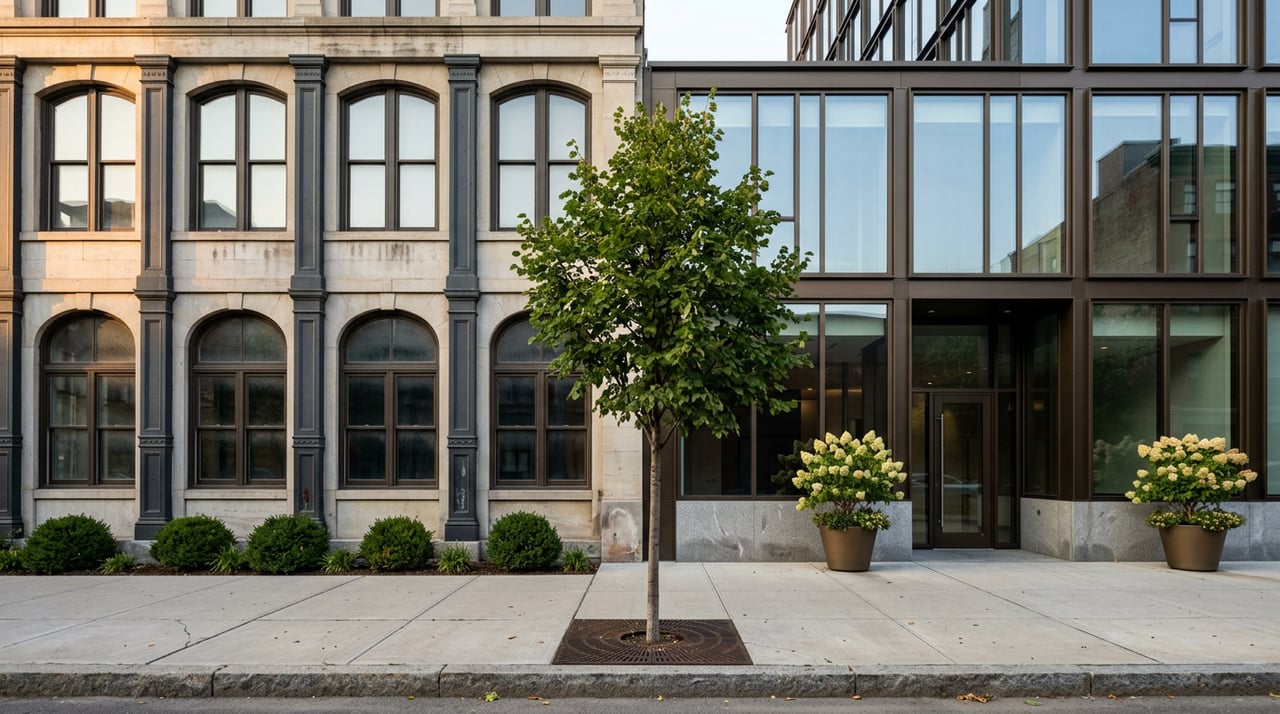
In Manhattan, some of the most important residential projects are no longer being built from the ground up. They are being carved out of the city’s existing office towers.
As office demand continues to evolve and housing supply remains limited, office-to-residential conversions have become one of the most closely watched trends in New York City real estate.
These conversions do more than add apartments. They preserve architecture, reactivate commercial corridors, and bring residential life into buildings originally designed for a very different version of New York.
Why Office-to-Residential Conversions Matter in Manhattan
Manhattan has always adapted. Former factories became lofts. Warehouses became luxury condominiums. Financial headquarters became full-service residences.
Today, office-to-residential conversions are continuing that pattern.
The trend is especially visible in Lower Manhattan, where older office buildings often have strong transit access, historic architecture, and locations that already support a mixed-use lifestyle.
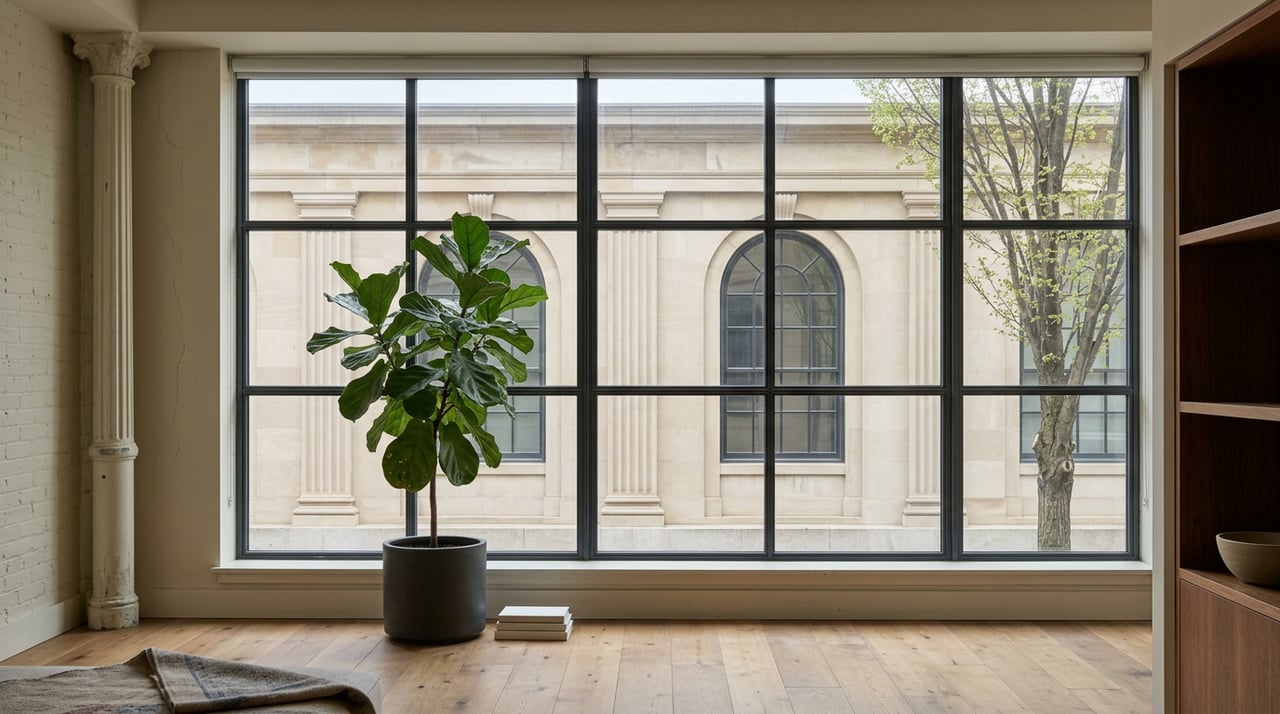
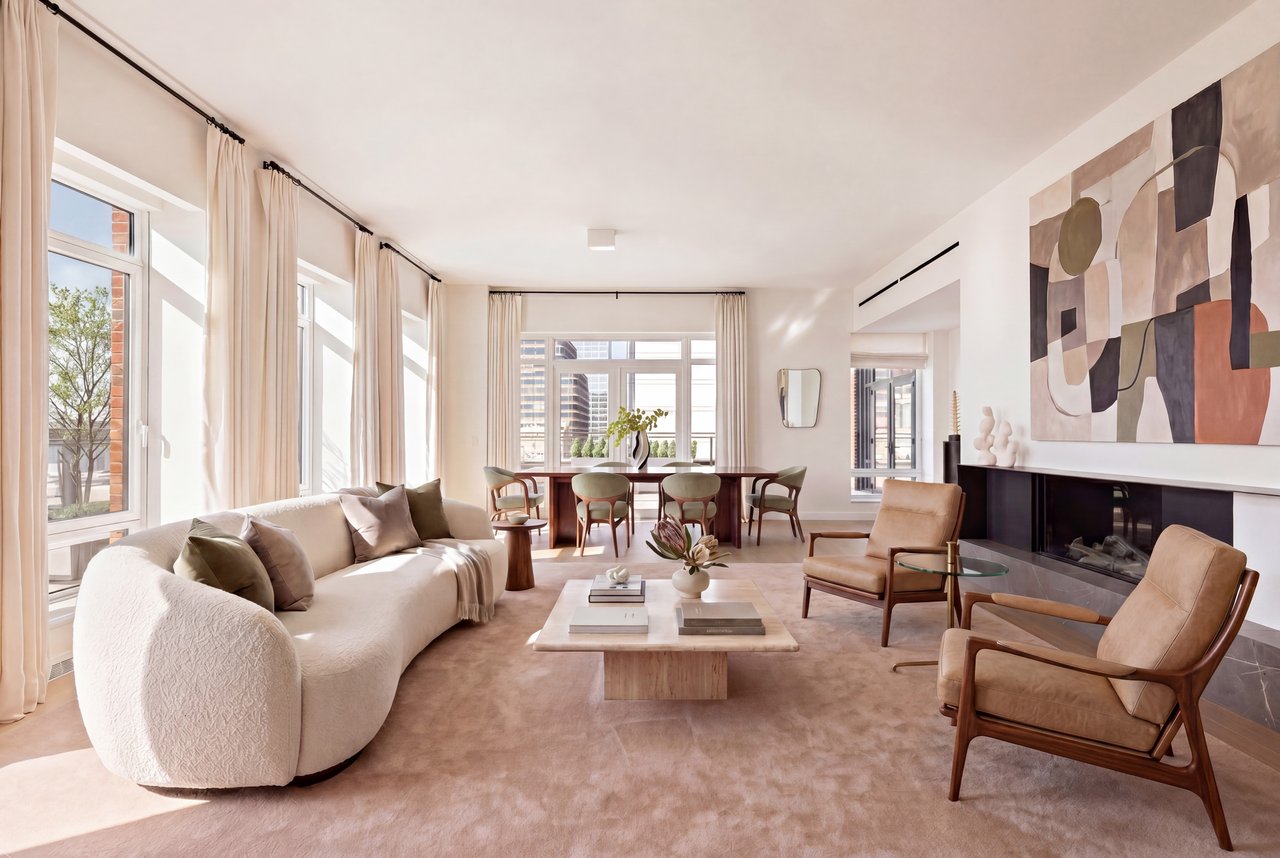
For buyers and renters, the appeal is clear. Many converted buildings offer scale, ceiling height, architectural character, and central locations that would be difficult to recreate in new construction.
What Defines a Successful Conversion
Not every office building can become a successful residential property. The best conversions solve three key challenges: light, layout, and livability.
Office floor plates are often deep, which can make it difficult to create apartments with natural light and practical room proportions. Successful projects address this through reworked layouts, new windows, added floors, redesigned cores, and strong amenity planning.
The strongest conversions also respect the original architecture. They do not erase the building’s past. They use it as part of the value.
The Most Notable Office-to-Residential Conversions in Manhattan
The Flatiron Building, 175 Fifth Avenue — Flatiron District
Photo courtesy of Corcoran
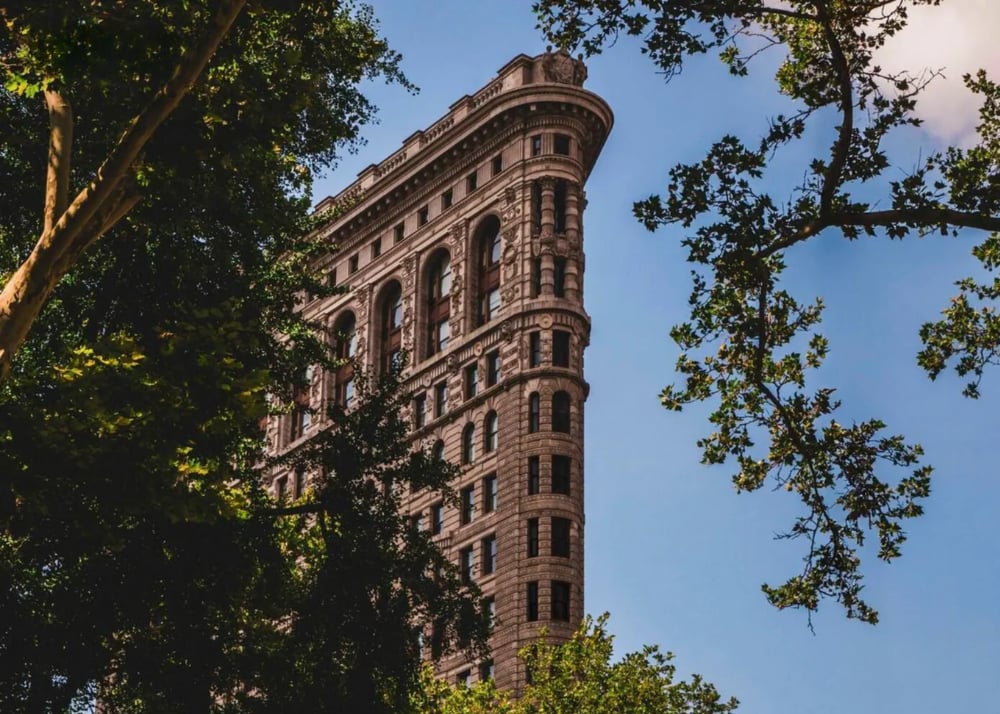
The Flatiron Building is one of Manhattan’s most iconic examples of adaptive reuse, with the landmark office building now being converted into luxury condominiums. Its transformation captures the larger shift happening across New York City, where historic commercial properties are being reimagined for residential life.
Price Range: Approximately $10.95 million to $58.5 million
Year Converted: Expected 2026
One Wall Street — Financial District
Photo courtesy of CityRealty
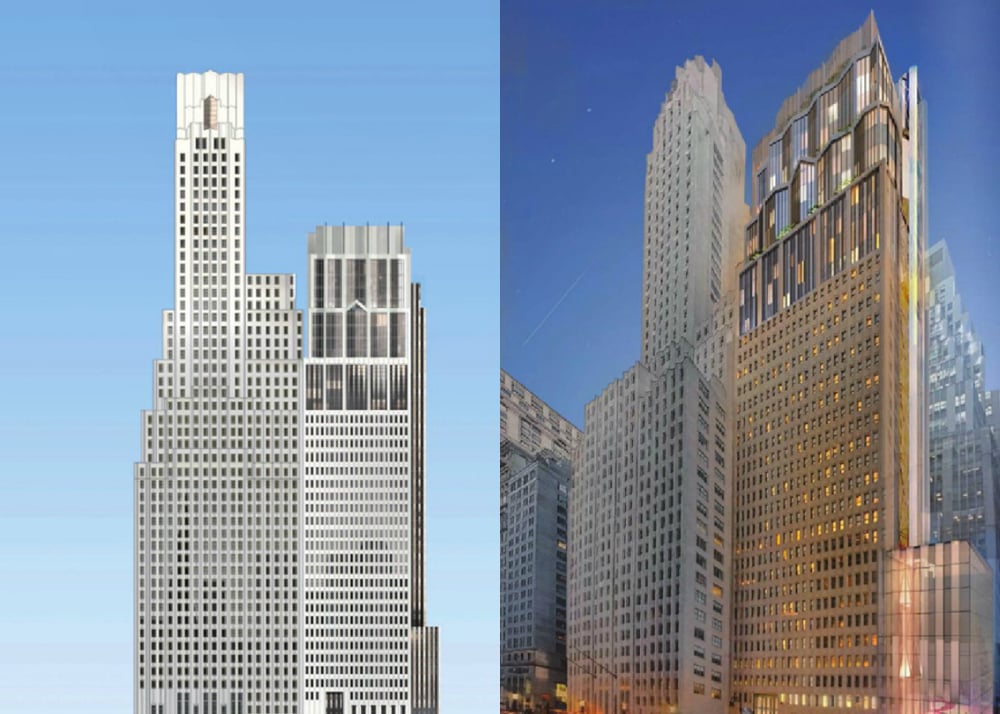
One Wall Street transformed the former Irving Trust headquarters into 566 luxury residences, making it one of Manhattan’s most important office-to-residential conversions. The Art Deco landmark shows how major commercial buildings can be adapted for modern living while preserving architectural character.
Price Range: Generally under $1 million to more than $10 million
Year Converted: Completed in 2023
SoMA at 25 Water Street — Financial District
Photo courtesy of SomaNYC
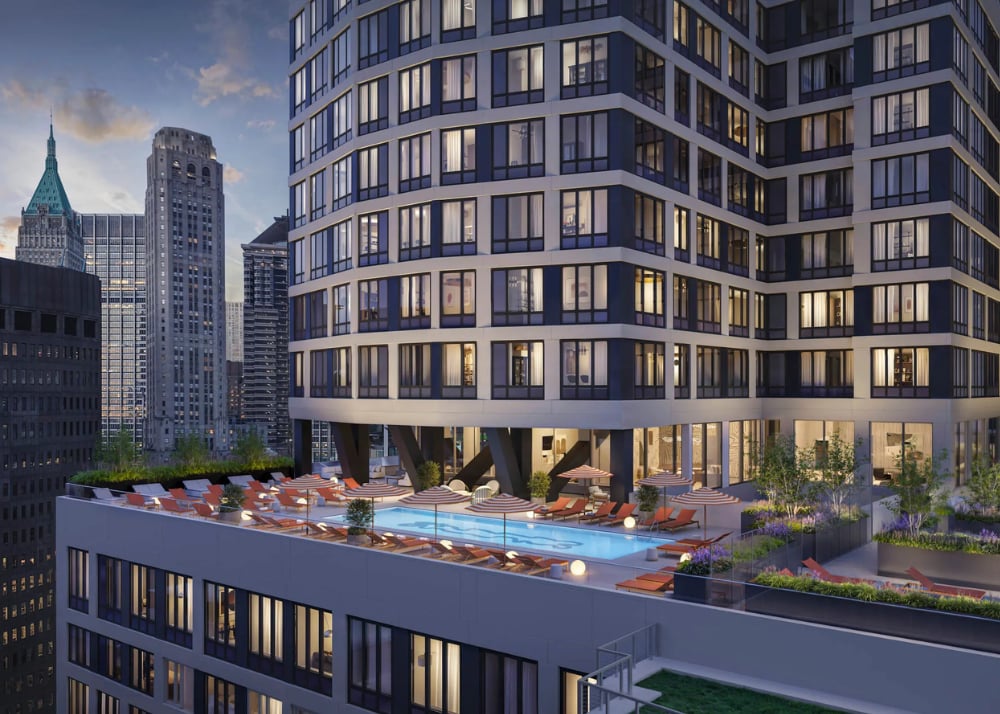
SoMA at 25 Water Street is one of the largest office-to-residential conversions in the country, bringing 1,320 rental apartments to the Financial District. Its scale makes it a defining example of how underused office buildings can become major new residential communities.
Price Range: Rental building, not available for individual purchase
Year Converted: Launched in 2025
160 Water Street — Pearl House — Financial District
Photo courtesy of Compass
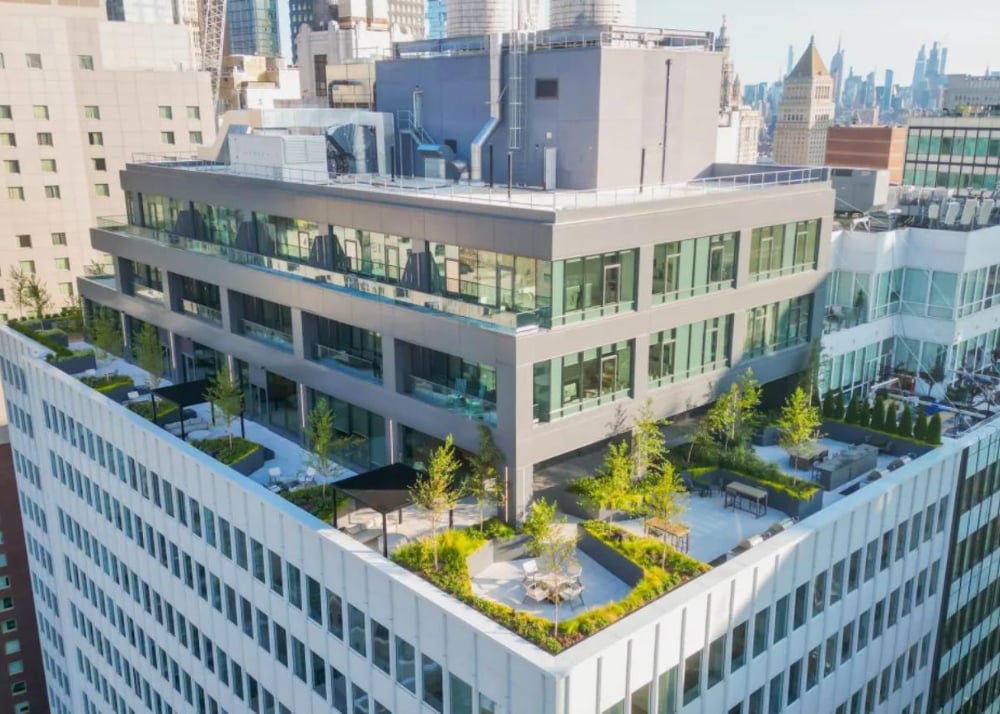
Pearl House converted an aging office building into 588 apartments with extensive amenity space. The project shows how a practical, well-located downtown office tower can be repositioned into modern housing without needing to be a landmark icon.
Price Range: Rental building, not available for individual purchase
Year Converted: Opened in 2023, completed in 2025
55 Broad Street — Financial District
Photo courtesy of StreetEasy
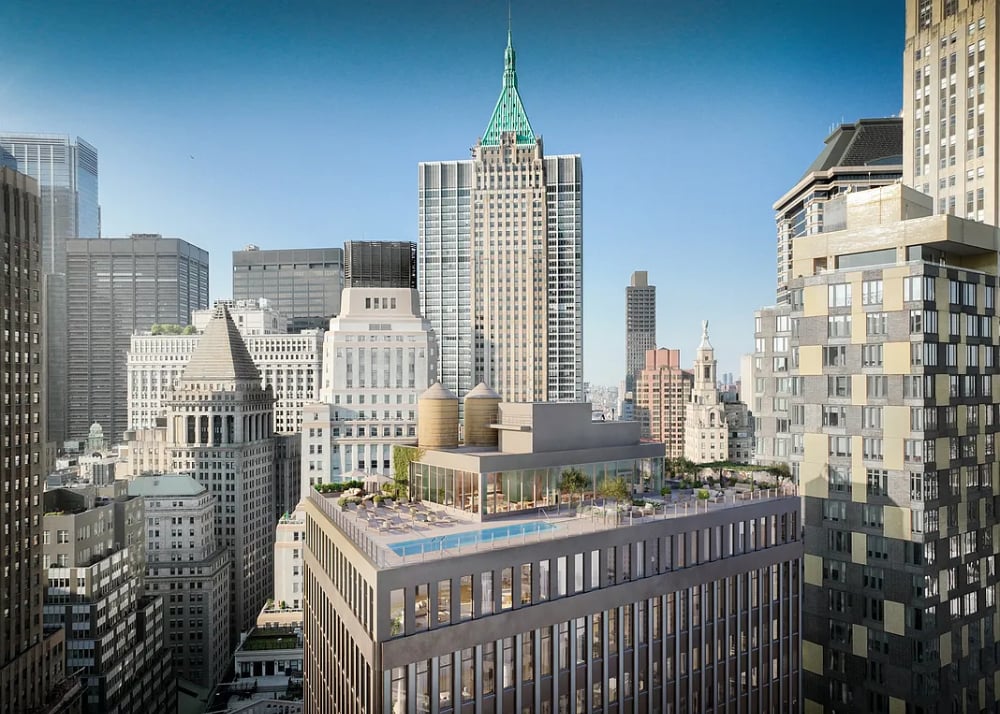
55 Broad Street transformed a former office building associated with Goldman Sachs into 571 rental apartments. The conversion adds another major residential address to a Financial District corridor that continues to shift from office-only to mixed-use living.
Price Range: Rental building, not available for individual purchase
Year Converted: Launched in 2024
100 Barclay Street — Tribeca / Financial District
Photo courtesy of Compass
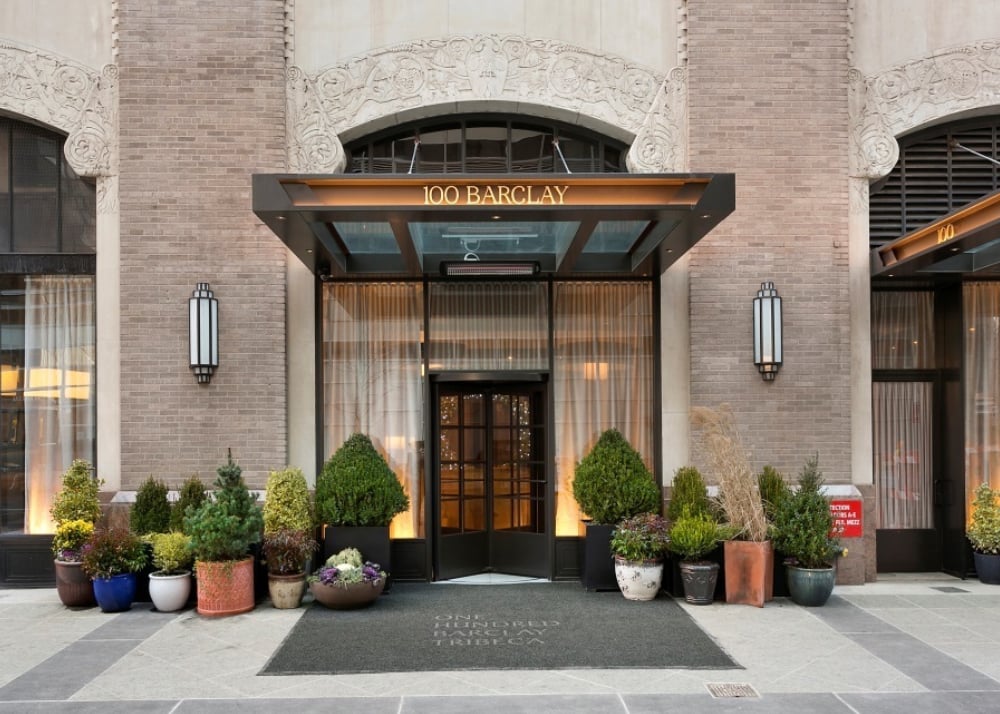
100 Barclay is a strong example of a partial office-to-residential conversion, with the upper floors of the former New York Telephone Company Building adapted into luxury condominiums. The project balances historic architecture with modern residential use, giving the building a layered identity.
Price Range: Originally approximately $3.2 million to $11.5 million, with current availability extending into the $20 million-plus range
Year Converted: Launched in 2015
70 Pine Street — Financial District
Photo courtesy of Buildings DB
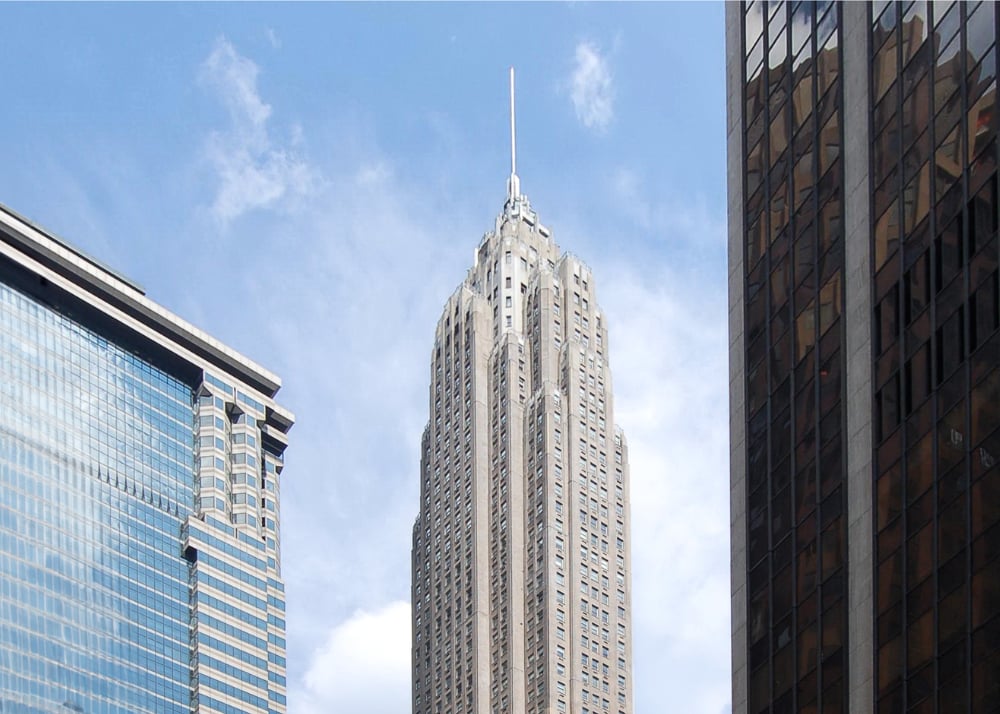
70 Pine Street turned a major prewar office tower into a mixed-use residential property with rental apartments, hospitality, retail, and amenity spaces. Its conversion helped prove that Lower Manhattan’s historic office buildings could become desirable full-service residential addresses.
Price Range: Rental building, not available for individual purchase
Year Converted: Converted in 2016
108 Leonard — Tribeca
Photo courtesy of 108Leonard
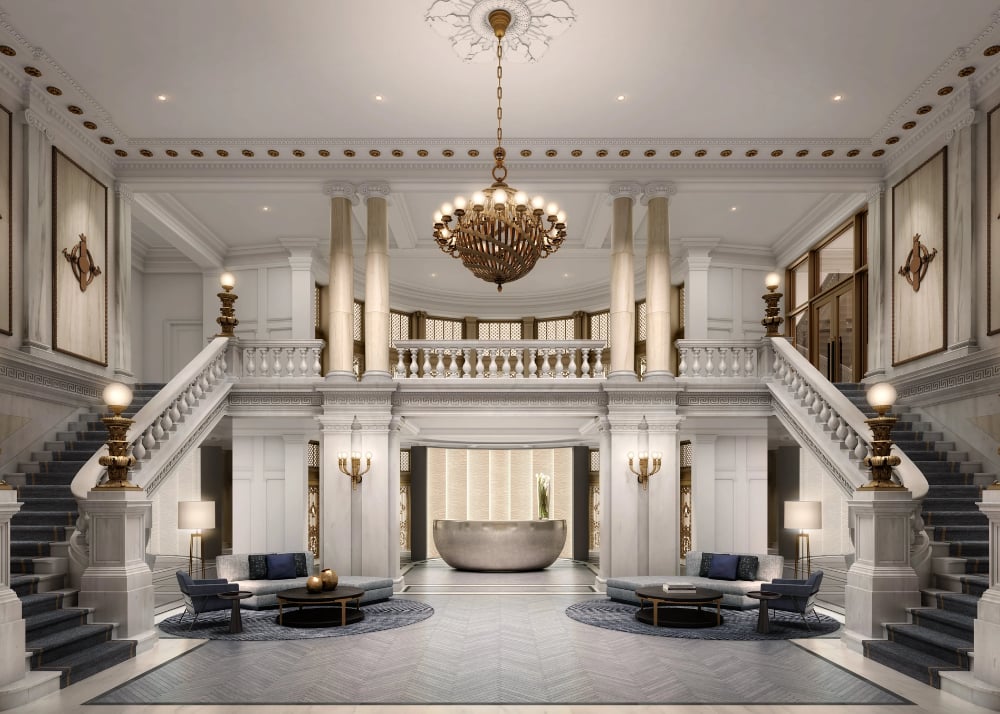
108 Leonard brought the former New York Life Insurance Company Building into residential use as a luxury condominium. With its landmark architecture and Clock Tower identity, the conversion feels less like a standard redevelopment and more like a preservation-driven reinvention.
Price Range: Approximately $1.4 million to more than $19 million
Year Converted: Converted in 2018
49 Chambers Street
Photo courtesy of Compass
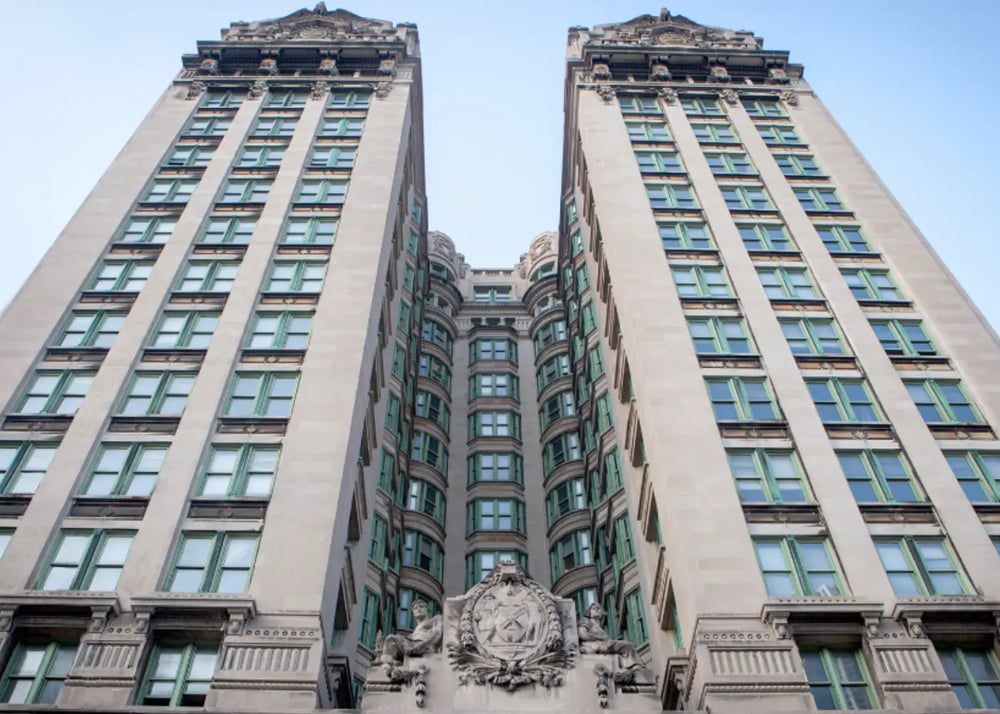
49 Chambers converted the former Emigrant Industrial Savings Bank building into luxury condominiums while preserving its Beaux-Arts presence near City Hall Park. The building’s history and scale give the conversion a sense of permanence that is difficult to recreate in new construction.
Price Range: Generally approximately $2 million to $12 million
Year Converted: Converted in 2017
212 Fifth Avenue — NoMad / Flatiron
Photo courtesy of Streeteasy
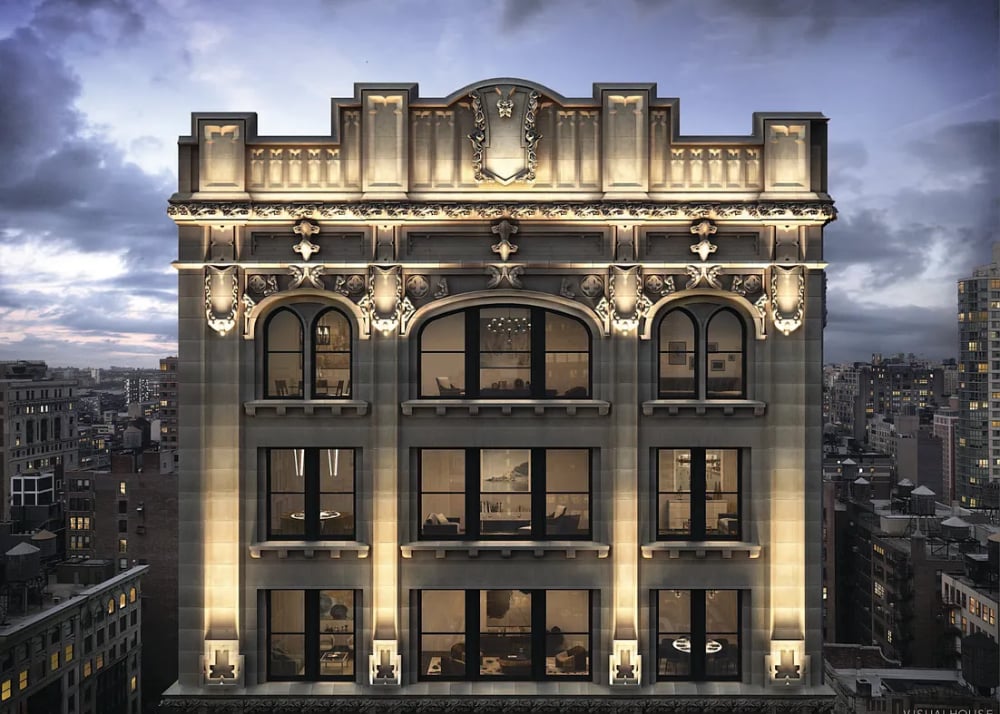
212 Fifth Avenue converted a former commercial building near Madison Square Park into 48 luxury condominiums. The project reflects the appeal of residential conversions in NoMad and Flatiron, where historic architecture, large windows, and central locations remain major advantages.
Price Range: Originally approximately $3.9 million to $16.1 million, with select larger residences and penthouses later reaching significantly higher price points
Year Converted: Developed in 2016
Why This Matters for Manhattan
Office-to-residential conversions are not just a response to office vacancy. They are reshaping how Manhattan uses its existing buildings.
When former office towers become homes, the surrounding streets change. Restaurants see more evening traffic. Retail becomes more local. Neighborhoods that once depended heavily on daytime office populations begin to function more like complete residential communities.
This is especially visible in the Financial District, where years of conversion activity have helped turn Lower Manhattan into one of the city’s most active residential markets.
The Takeaway
Office-to-residential conversions are transforming Manhattan by giving older commercial buildings a new residential purpose.
The best examples preserve what makes New York architecture valuable while adapting those buildings for the way people live today. From the Flatiron Building to One Wall Street, 25 Water Street, and 70 Pine Street, these projects show how Manhattan can evolve without starting from scratch.
As housing demand remains high and older office buildings continue to search for new relevance, office-to-residential conversions will remain one of the most important forces shaping Manhattan real estate.
Key Takeaways
Office-to-residential conversions are reshaping Manhattan’s real estate market.
Lower Manhattan has become a leading center for major office conversions.
The strongest projects combine historic architecture with modern residential function.
Converted buildings can add housing while preserving the character of existing architecture.
The Flatiron Building, One Wall Street, 25 Water Street, and 70 Pine Street are among the most important examples of this trend.