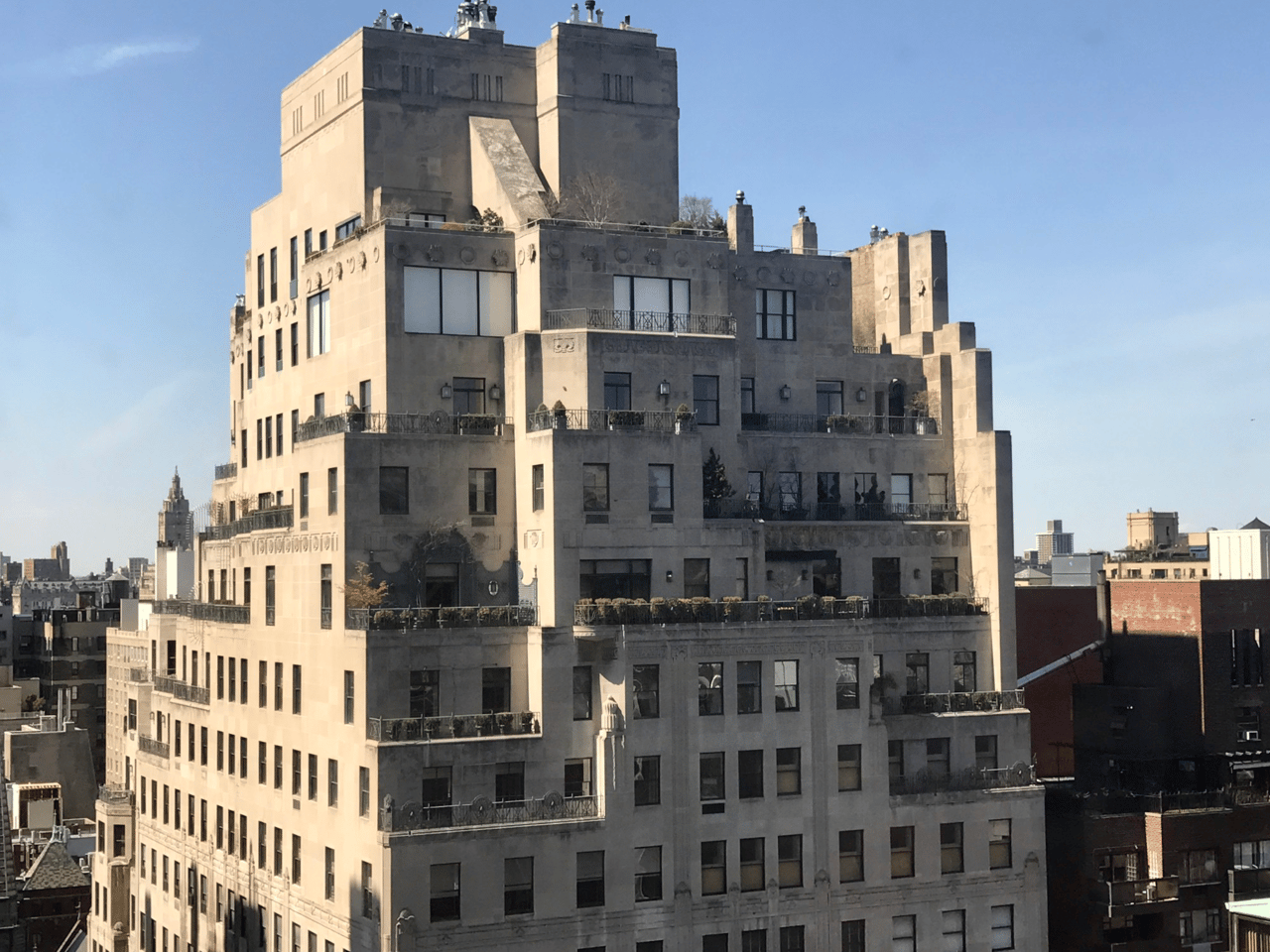
Introduction
Few architects are as closely tied to the language of Manhattan prewar luxury as Rosario Candela. His buildings helped shape the residential identity of Park Avenue, Fifth Avenue, Sutton Place, Central Park West, and Greenwich Village, creating a standard of apartment living that still influences New York real estate today.
Sicilian-born and Columbia-trained, Candela became one of the defining apartment house architects of the 1920s and 1930s. Working primarily in Manhattan, he designed or co-designed roughly 75 apartment buildings, many of which remain among the city’s most prestigious cooperative addresses.
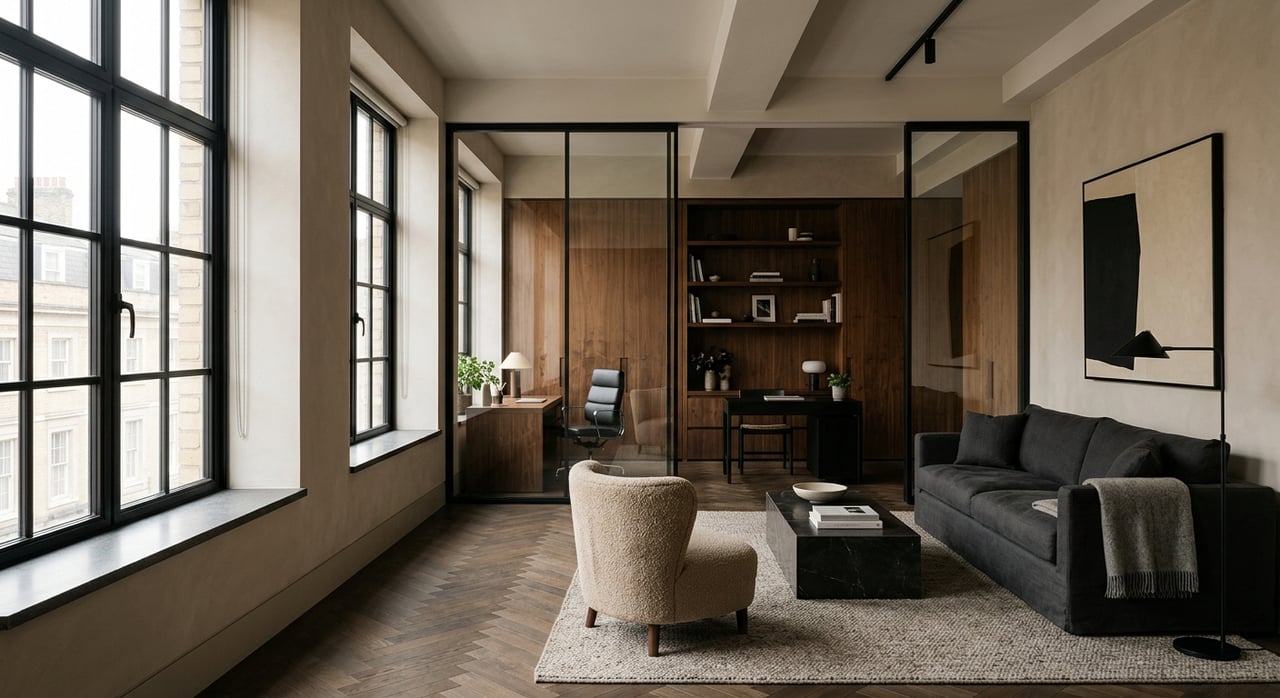
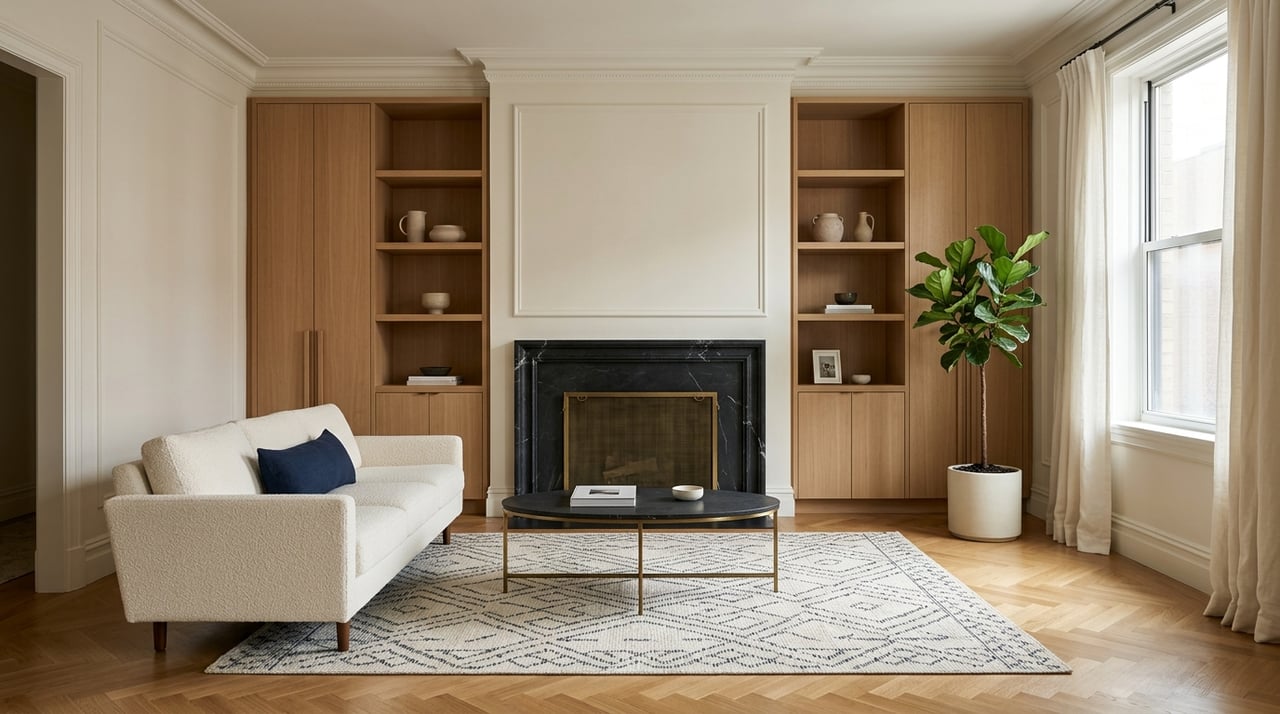
What made Candela exceptional was not only how his buildings looked from the street, but how they lived inside. His apartments were known for gracious galleries, formal entertaining rooms, private bedroom wings, service areas, fireplaces, high ceilings, and carefully sequenced layouts that gave apartment living the scale and privacy of a townhouse.
This guide highlights 15 of Rosario Candela’s most iconic Manhattan buildings, from 740 Park Avenue and 834 Fifth Avenue to One Sutton Place South, 75 Central Park West, and 41 Fifth Avenue.
Why Rosario Candela Buildings Matter
Rosario Candela helped define what luxury apartment living meant in New York. At a time when many affluent New Yorkers were moving from private mansions into apartment houses, his buildings offered a new kind of elegance, one that combined privacy, proportion, service, and architectural distinction.
His best buildings remain highly desirable because they were designed with both beauty and function in mind. Large entertaining rooms, separate service areas, private bedroom corridors, generous ceiling heights, and balanced layouts continue to make Candela apartments feel relevant nearly a century later.
740 Park Avenue
Photo courtesy of Vanity Fair
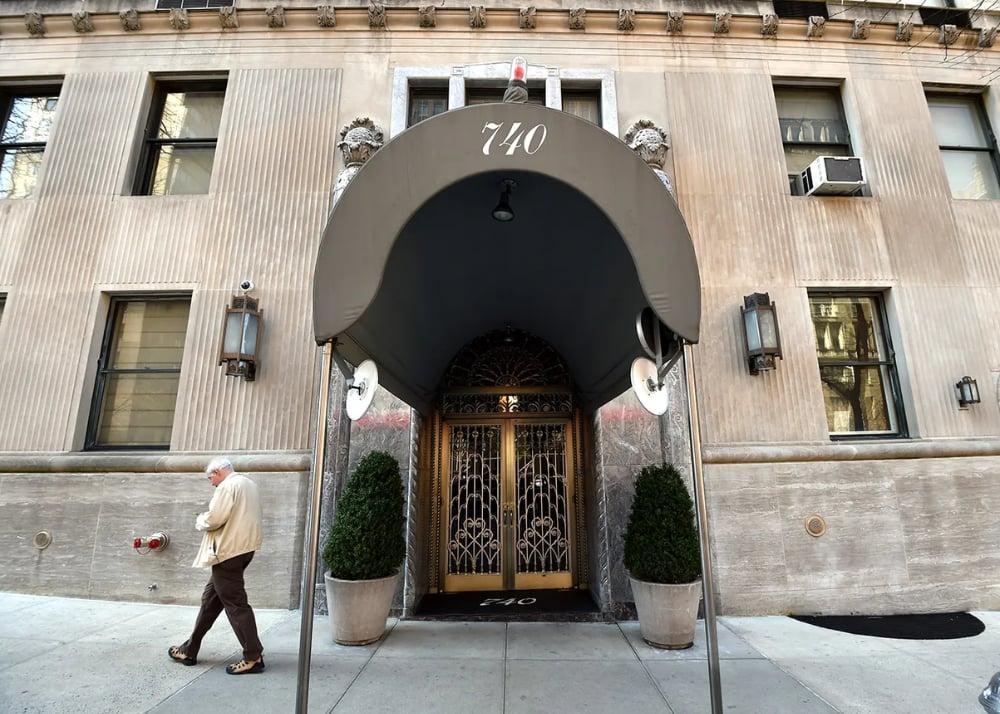
740 Park Avenue is arguably Rosario Candela’s most famous building and one of the most prestigious cooperative addresses in New York City. Completed in 1930 and designed with Arthur Loomis Harmon, the building is known for its limestone facade, duplex residences, grand layouts, and long association with some of Manhattan’s most prominent residents.
834 Fifth Avenue
Photo courtesy of The New York Times
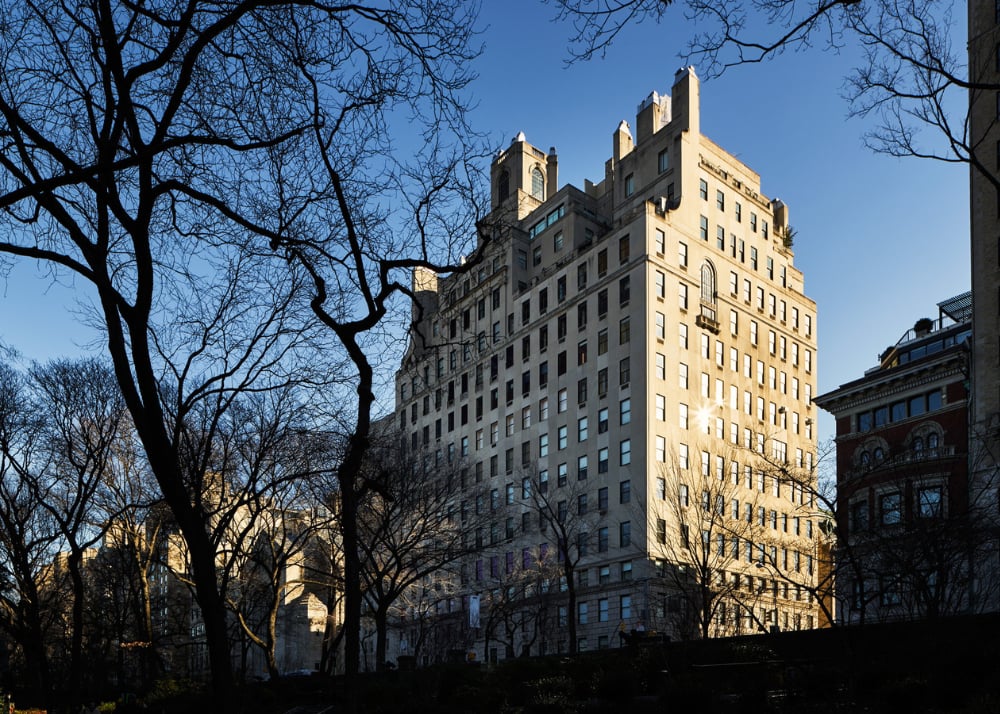
834 Fifth Avenue is widely considered one of Candela’s finest luxury apartment houses. Completed in 1931, the building is prized for its Central Park views, limited number of residences, private courtyard garden, grand proportions, high ceilings, fireplaces, and extraordinary sense of privacy.
960 Fifth Avenue
Photo courtesy of Juris Mardwig
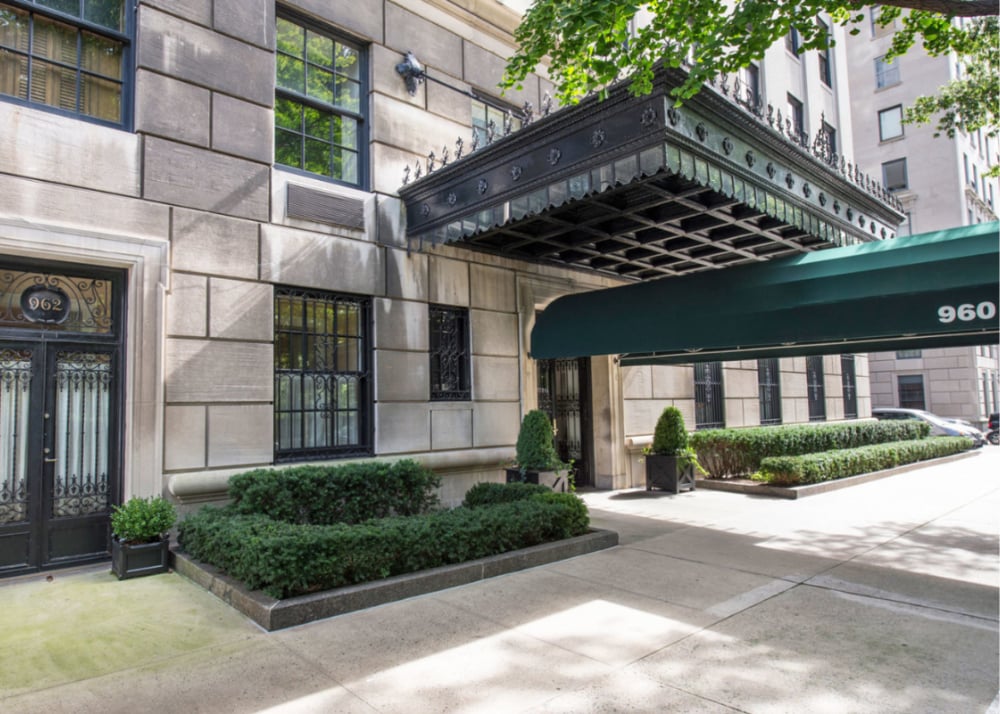
960 Fifth Avenue is one of Candela’s most refined Fifth Avenue buildings and was designed with Warren & Wetmore, the firm also associated with Grand Central Terminal. Completed in the late 1920s, the limestone co-op replaced the former William A. Clark mansion and remains one of the great symbols of Fifth Avenue’s transformation from private mansions to luxury apartment houses.
1040 Fifth Avenue
Photo courtesy of CoreNYC
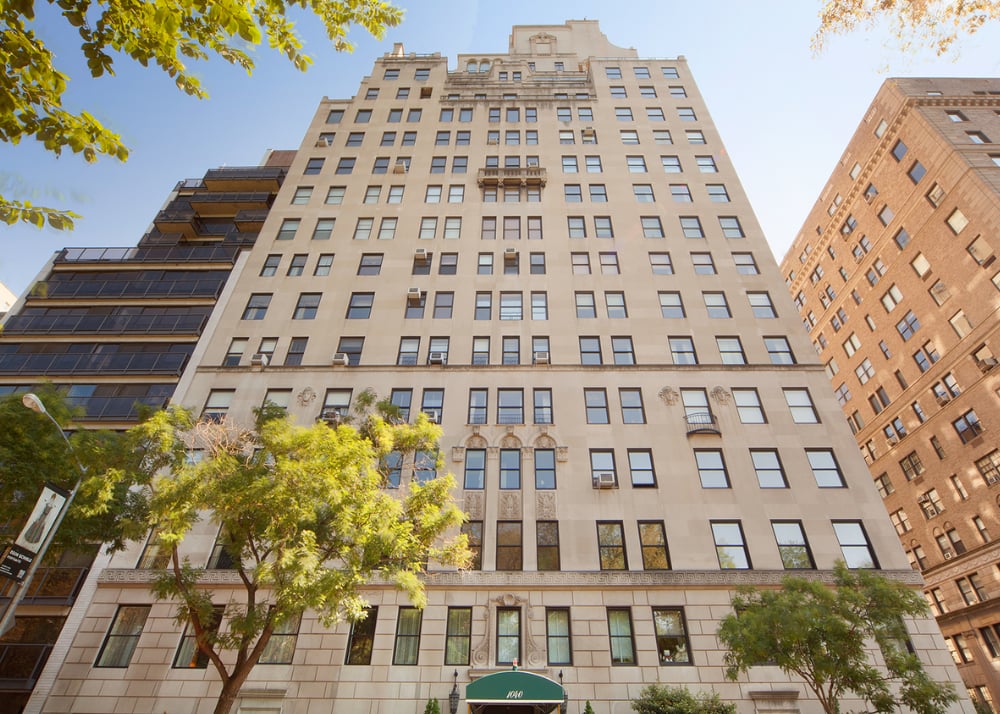
1040 Fifth Avenue is one of Candela’s most admired parkside co-ops and one of the defining residential buildings of the Upper East Side. Completed around 1930 and developed by Anthony Paterno, the building is celebrated for its Central Park views, gracious room scale, formal layouts, fireplaces, and classic prewar elegance.
720 Park Avenue
Photo courtesy of apartments.com
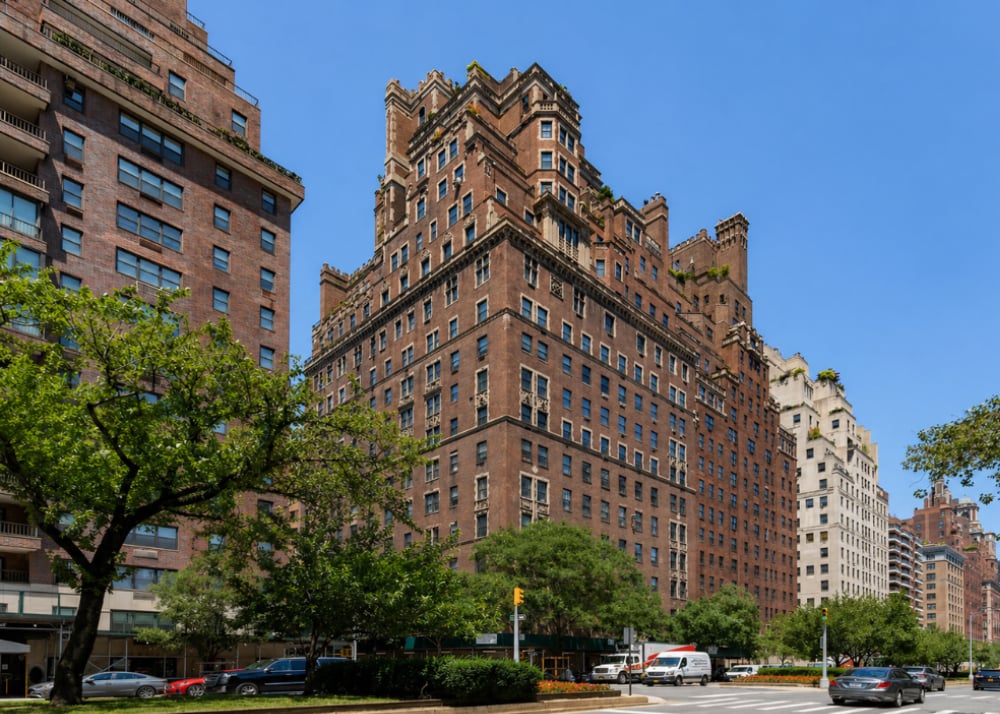
720 Park Avenue was completed in 1928 and designed by Rosario Candela in collaboration with Cross & Cross. The full-block Neo-Georgian building is one of Park Avenue’s great prewar co-ops, known for its exclusivity, elegant detailing, fireplaces, grand interiors, and unusually gracious apartment layouts.
778 Park Avenue
Photo courtesy of ramsa.com
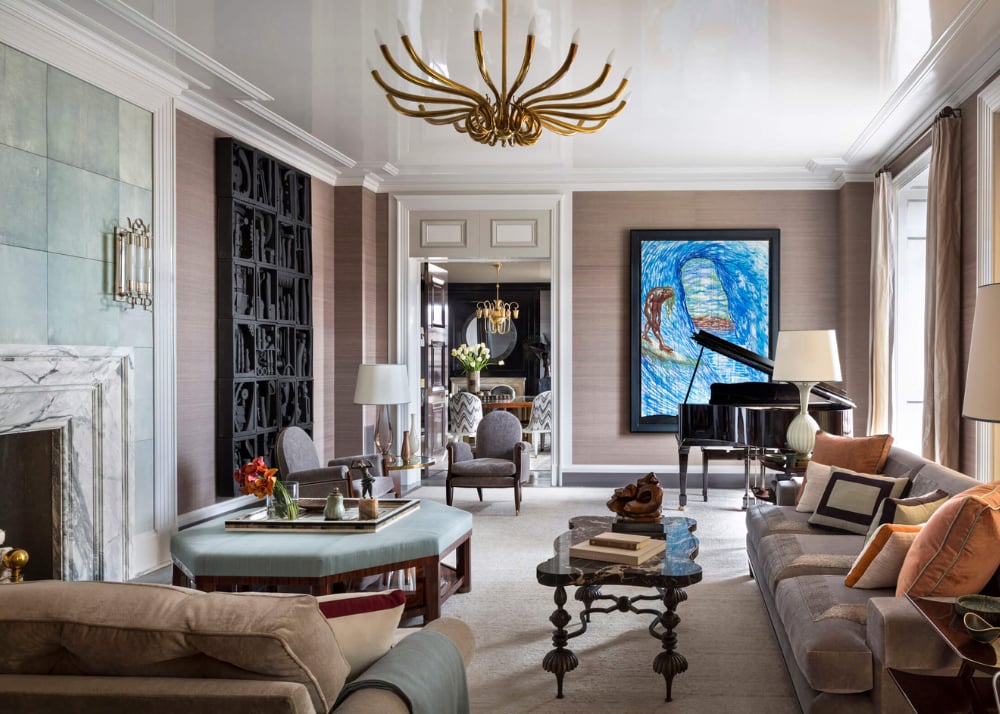
778 Park Avenue is one of Candela’s most celebrated Park Avenue addresses and one of the great examples of prewar apartment house design. Completed in 1931, the building is known for its large residences, formal layouts, high ceilings, wood-burning fireplaces, multiple exposures, and commanding presence on the avenue.
770 Park Avenue
Photo courtesy of Kenneth Grant / Alamy Stock Photo
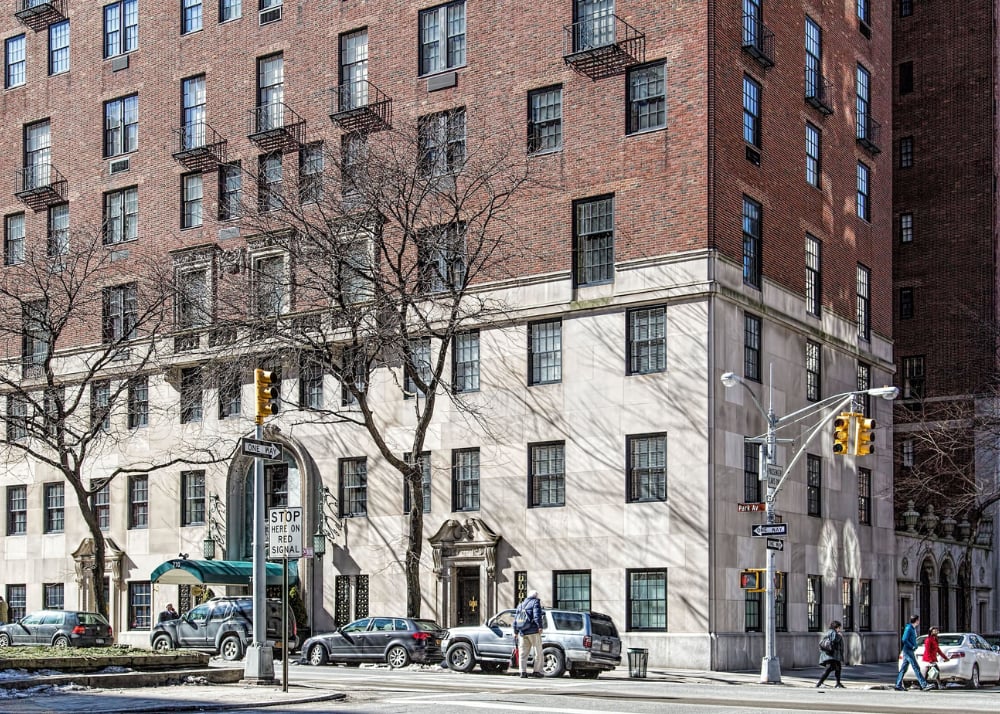
770 Park Avenue, also known as The Sonora, is another essential Candela building and a major example of his Park Avenue work. Completed around 1930, the building is known for its Georgian-inspired architecture, duplex apartments, dramatic staircases, herringbone floors, fireplaces, and the sense of arrival that defines classic prewar luxury.
One Sutton Place South
Photo courtesy of CityRealty
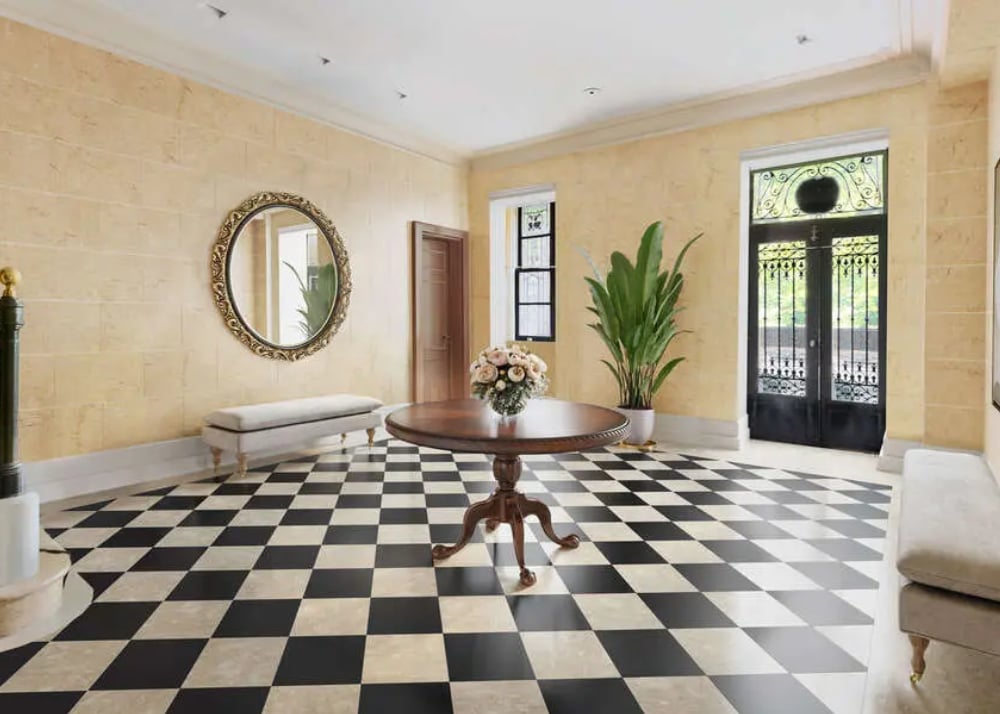
One Sutton Place South is one of Candela’s most important buildings outside the Park and Fifth Avenue corridors. Completed in 1927 and designed with Cross & Cross, it helped establish Sutton Place as a serious luxury residential enclave, with a private entrance court, riverfront setting, garden, and grand residences overlooking the East River.
2 East 67th Street
Photo courtesy of Streeteasy
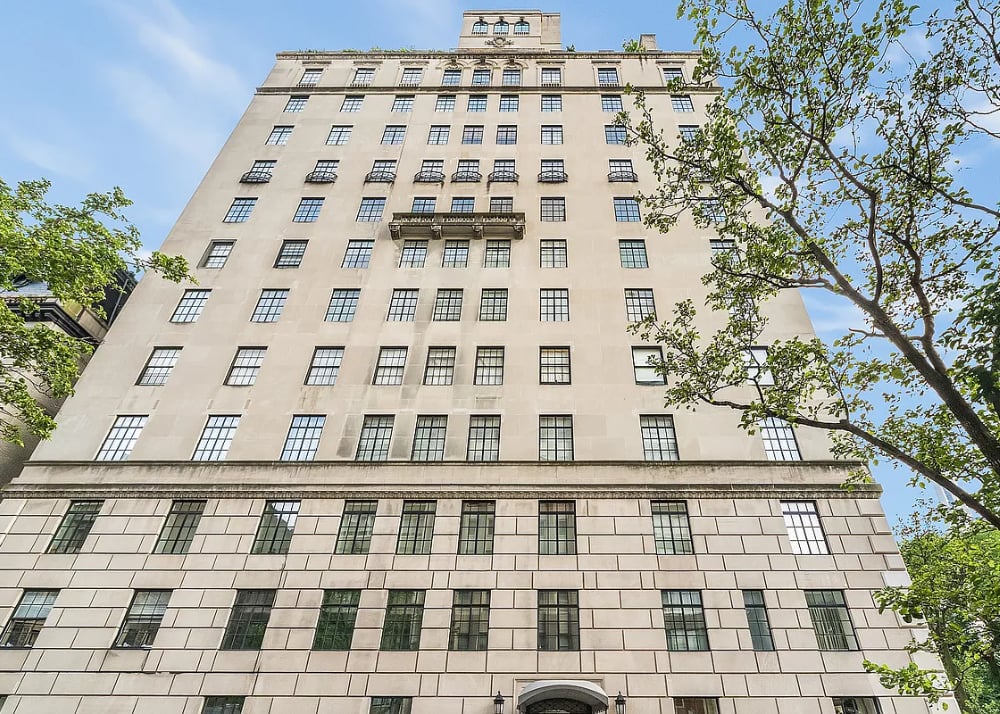
2 East 67th Street is one of Candela’s most exclusive Upper East Side co-ops, located just off Fifth Avenue near Central Park. Completed in the late 1920s, the building is admired for its palazzo-like presence, limited number of residences, grand proportions, and discreet old New York character.
19 East 72nd Street
Photo courtesy of Compass
19 East 72nd Street was designed by Rosario Candela with Mott B. Schmidt and completed in 1937. Located at Madison Avenue, the limestone building replaced the former Tiffany mansion site and is known for its refined Art Deco influence, sculptural detailing, and exceptional Upper East Side location.
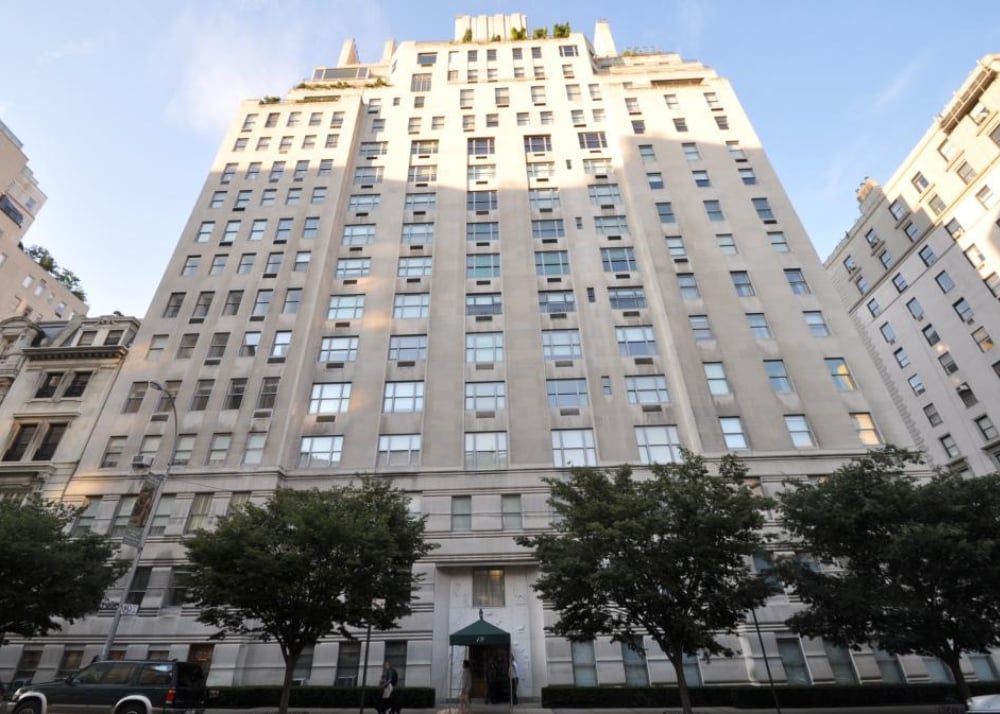
133 East 80th Street
Photo courtesy of Compass
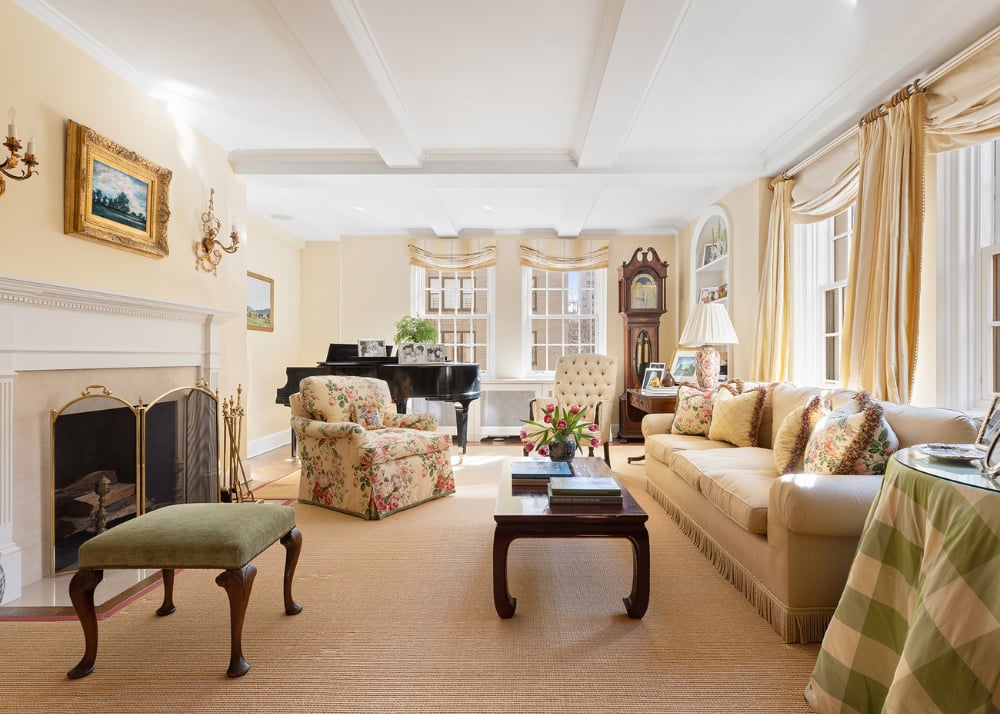
133 East 80th Street is one of Candela’s most distinctive side-street buildings and a Carnegie Hill favorite. Completed around 1930, the co-op is known for its Gothic-inspired details, prominent gargoyles, handsome rooftop treatment, grand windows, fireplaces, and stronger architectural personality than many of Candela’s more understated avenue buildings.
41 Fifth Avenue
Photo courtesy of Homes.com
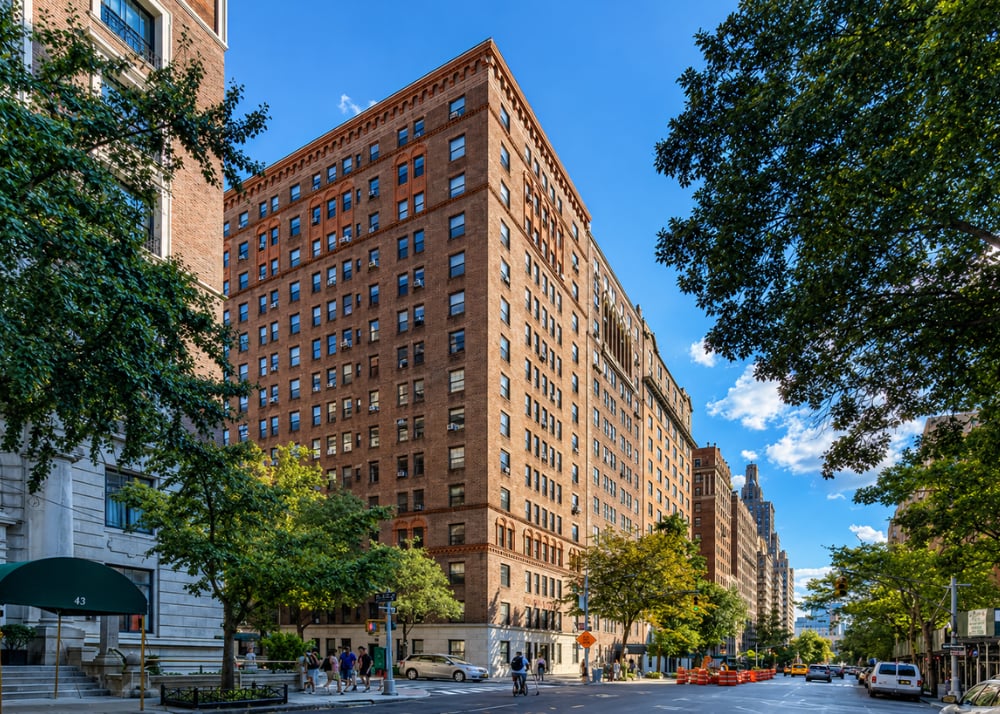
41 Fifth Avenue brings Candela’s prewar sensibility downtown to Greenwich Village’s Gold Coast. Designed in 1929, the building sits at Fifth Avenue and East 11th Street and is known for its dark brick facade, limestone base, discreet entrance, village setting, and elegant cooperative character.
75 Central Park West
Photo courtesy of Apartments.com
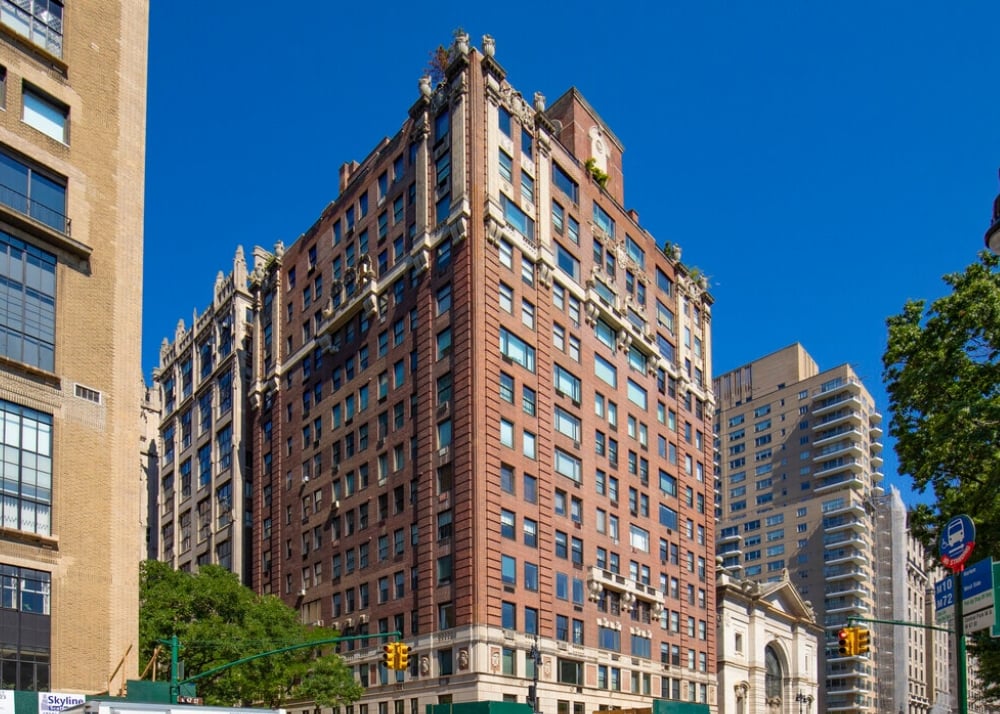
75 Central Park West, also known as The Chatham Court, is one of Candela’s most important West Side buildings. Completed in 1929, the prewar co-op sits at Central Park West and 67th Street, offering park proximity, classic architecture, and a different expression of Candela’s work outside his better-known East Side addresses.
995 Fifth Avenue, The Stanhope
Photo courtesy of Tim Davis
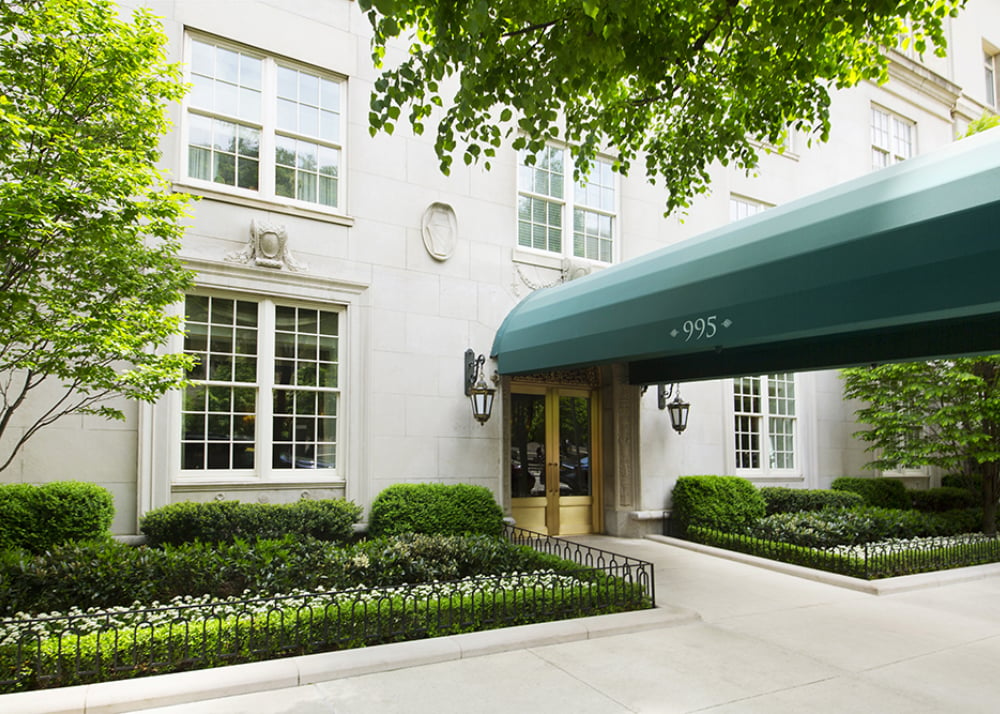
995 Fifth Avenue, formerly The Stanhope, was originally designed by Rosario Candela as a luxury apartment hotel. Later converted into residences, the building occupies a prime Museum Mile location across from The Metropolitan Museum of Art and combines Candela pedigree with a more modern residential history.
2 East 70th Street
Photo courtesy of Samaki
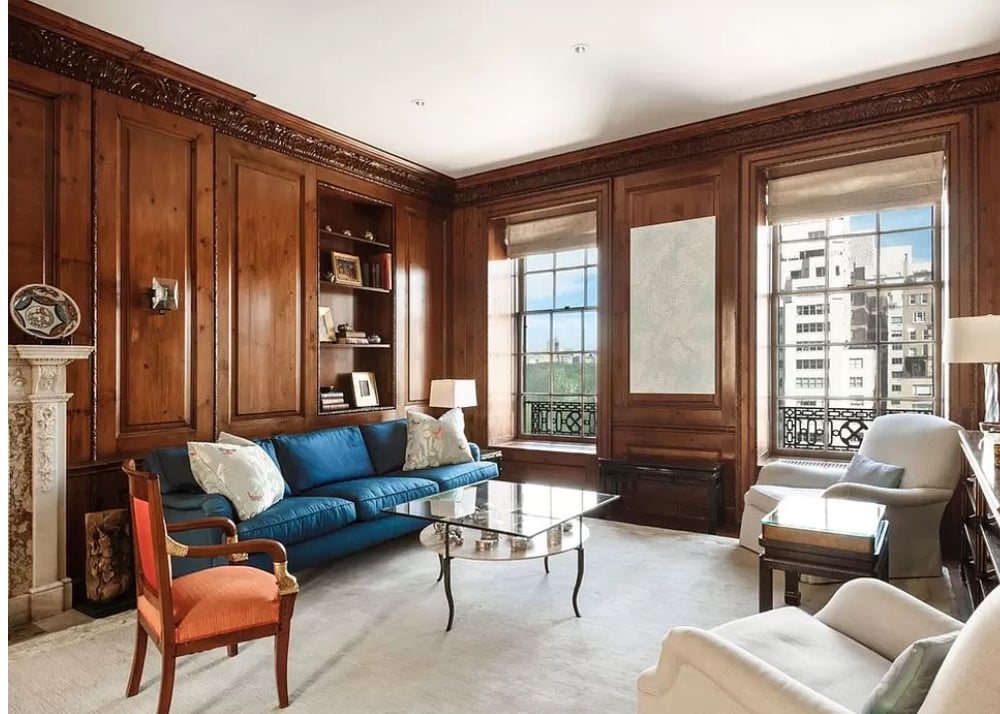
2 East 70th Street is a rare and highly desirable Candela building at the corner of Fifth Avenue and East 70th Street, directly across from Central Park and near The Frick Collection. Completed in the late 1920s, the intimate co-op is known for its limited number of apartments, fireplaces, elegant detailing, exceptional light, and classic Fifth Avenue prestige.
The Signature Candela Floor Plan
A Rosario Candela apartment is often recognized from the inside out. His layouts typically created a sense of arrival through a formal gallery, followed by a clear separation between public entertaining rooms, private bedroom areas, and service spaces.
That organization is one of the reasons Candela apartments remain so desirable today. They feel grand without being inefficient, formal without feeling obsolete, and private in a way that many contemporary layouts struggle to replicate.
The Lasting Value of a Candela Address
Nearly a century after many of these buildings were completed, the Rosario Candela name still carries real market power. Brokers mention it, buyers recognize it, and the best apartments in his buildings continue to command attention because they represent a very specific kind of Manhattan luxury.
For buyers, a Candela building often signals more than prewar charm. It suggests architectural pedigree, long-term desirability, scarcity, and a level of planning that continues to outperform many newer luxury layouts.
Final Takeaway
Rosario Candela’s buildings remain central to the story of Manhattan real estate. From 740 Park Avenue and 834 Fifth Avenue to One Sutton Place South, 75 Central Park West, and 41 Fifth Avenue, his work continues to shape how New York defines a truly great apartment.
Candela did not simply design apartment buildings. He helped create the blueprint for old New York elegance, giving Manhattan residences the scale, privacy, and ceremony of a townhouse within the framework of a luxury cooperative.
For anyone studying Manhattan’s most prestigious prewar co-ops, understanding Rosario Candela is essential. His buildings are not just beautiful addresses. They are some of the clearest examples of why prewar architecture remains one of New York real estate’s most enduring markers of value.