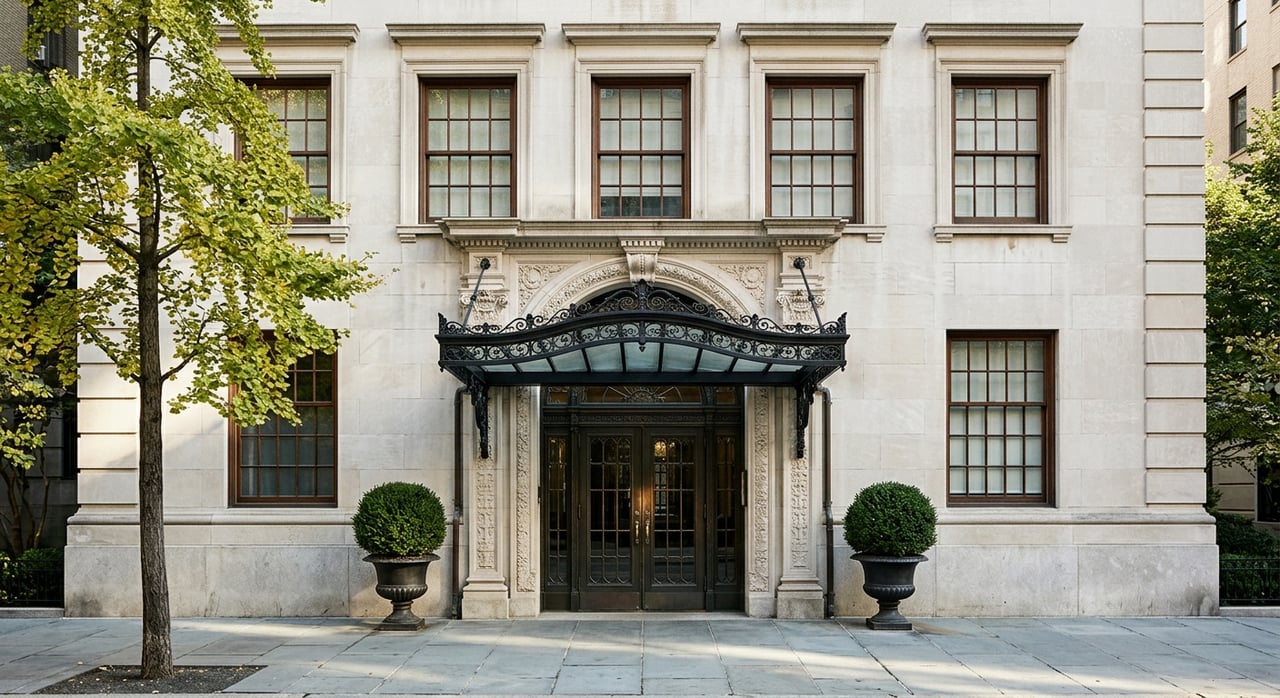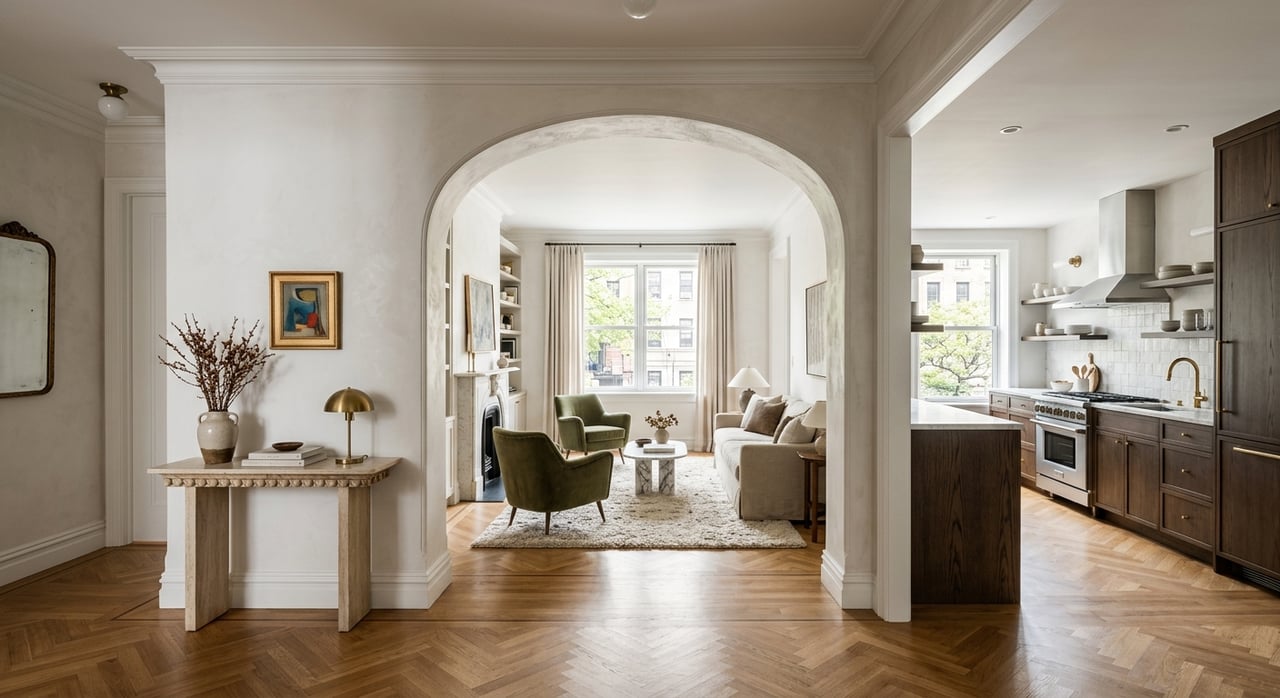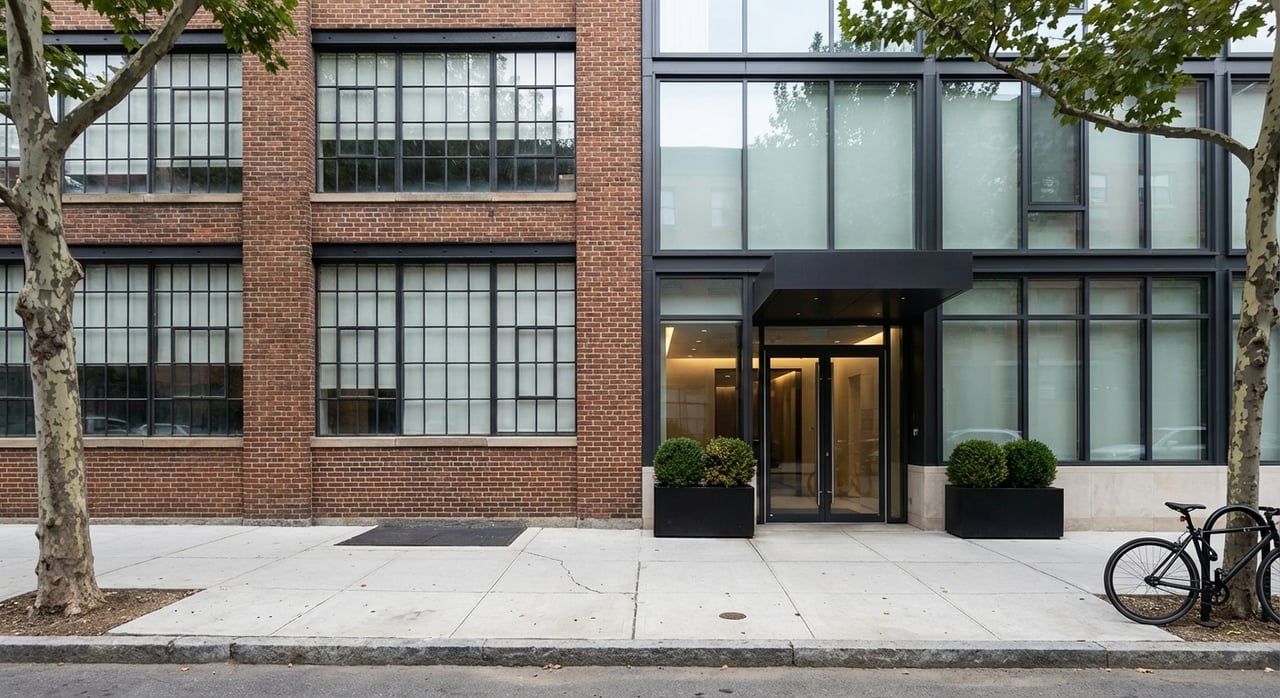
Are you picturing cast‑iron columns and 14‑foot ceilings, or skyline views with a full‑service staff downstairs? In Tribeca, both visions are real, and both can be right. The choice between a classic loft and a modern condo is about lifestyle, but it is also about systems, approvals, and long‑term costs. In this guide, you’ll compare layouts, amenities, carrying costs, and board expectations, with real Tribeca examples and a practical due‑diligence checklist. Let’s dive in.
What “loft” and “condo” mean in Tribeca
Tribeca’s built fabric blends 19th‑ and early‑20th‑century industrial buildings with newer residential towers. Classic “hard” lofts are former factories or warehouses converted to homes, often with high ceilings, big windows, and open floor plates. For a quick primer on what defines a loft, see this overview of loft characteristics from Architectural Digest. Architectural Digest explains what a loft is.
Much of Tribeca lies within historic districts, so exterior work and some window or rooftop changes can require Landmarks Preservation Commission review. That can affect renovation scope and timelines. You can see how this review process appears in the City Record. City Record entries illustrate LPC oversight in Tribeca.
Some older residential occupancies first began in commercial buildings. In certain cases, New York’s Loft Law (Article 7‑C) and the Loft Board’s rules still matter. If you are evaluating an older conversion, confirm certificate of occupancy status and whether Loft Law coverage applies because that can affect occupancy and renovation plans. A recent Court of Appeals case offers Loft Law context.
Layout and finishes: space vs turnkey
Classic loft interiors
You can expect volume and character: 10 to 20‑plus foot ceilings, exposed beams or brick, and large industrial windows. Floor plates can run 2,000 to 4,000 square feet or more on a single level, which favors art collections and entertaining. The trade‑off is that open plans may have fewer built‑in closets, less sound separation, and legacy plumbing or electrical runs to assess. For a visual of how a top conversion balances character with polish, 443 Greenwich is often cited for restored beams and arched windows paired with high‑end finishes and services. CityRealty spotlights major New York conversions, including 443 Greenwich.
New condo interiors
Modern towers usually deliver consistent, move‑in‑ready systems. Think sealed multi‑zone HVAC, engineered sound insulation, full‑height windows, integrated appliance packages, and multiple en‑suite baths. Floor plans are more regular, with defined bedrooms and efficient service cores. If you prefer immediate comfort, predictable finishes, and minimal renovation, new condos tend to align with that priority.
Amenities and services
Newer condo buildings in Tribeca often offer full‑service lobbies with 24/7 staff, concierge services, fitness centers, pools, playrooms, lounges, and sometimes screening rooms and parking. Properties like 111 Murray and similar developments illustrate how expansive these programs can be. Elliman Magazine highlights amenity‑rich Tribeca developments.
Not all loft conversions are minimal on services. Some, like 443 Greenwich, pair historic character with high‑touch amenities, including an indoor pool and a staffed environment. The key is to confirm the actual staffing model, amenity scope, and operating budget in each building. CityRealty profiles conversions that blend character with amenities.
Carrying costs: how to compare apples to apples
Monthly costs look different on paper depending on ownership type. In co‑ops, maintenance usually bundles your share of property taxes, building insurance, staff, common utilities, reserves, and sometimes a share of the building’s underlying mortgage. In condos, you will see common charges plus a separate property tax bill. The true comparison is your net monthly outlay, not any single line item.
Older loft buildings can face periodic repair programs, especially facade work required by Local Law 11, also known as the Facade Inspection and Safety Program. These cycles can lead to multi‑year projects and special assessments. It pays to ask where a building stands in its current FISP cycle. NYC’s official FISP resource explains the inspection and repair requirements.
On tax treatment, owners of condos generally deduct property taxes and mortgage interest directly. Co‑op shareholders typically claim their allocable share of the co‑op’s property taxes and mortgage interest. Always confirm current rules with a CPA because the math can vary by building and by owner. A CPA’s overview explains common co‑op tax deduction mechanics.
Board approvals and financing
Co‑op boards in Manhattan
Co‑op boards usually require a full application package, personal and professional references, financial documentation, and an interview. Many also expect post‑closing liquidity that covers a set number of months of maintenance and housing costs. Timelines vary by building, so you should plan for a detailed review.
Condo boards
Condo boards typically perform an administrative review. They focus on registration, building policies, and financing verification. Personal interviews are less common, and approval timelines are often shorter than co‑ops.
Cash vs financing at the high end
At the luxury level, a significant share of buyers pay cash, which can simplify financing steps. Even so, board policies still apply in both co‑ops and condos. If you finance, confirm that your lender is comfortable with the building type and that the building permits your loan structure.
Which fits your lifestyle?
- Choose a classic loft if you value volume, character, and flexible space for art or entertaining, and you are comfortable verifying building systems, soundproofing, and any landmark or Loft Law constraints.
- Choose a modern condo if you want turnkey comfort, consistent systems, comprehensive amenity access, and usually a simpler approval path and broader financing options.
Both options exist on the same blocks in Tribeca. The deciding factor is often not just design, but how you want to live day to day and what level of building oversight and services you prefer.
Real Tribeca examples to explore
- 443 Greenwich. A celebrated conversion with historic bones and high‑end services. See CityRealty’s feature on noteworthy conversions.
- 108 Leonard. A landmark conversion with dramatic interiors and varied floor plates. Read more about 108 Leonard’s history.
- One Hundred Barclay (100 Barclay). An Art Deco giant turned condominium with an extensive amenity suite. CityRealty reviews the building.
- 111 Murray. A tower known for wellness and family‑friendly spaces. Elliman Magazine showcases these amenity programs.
- 70 Vestry. A limestone‑clad, Robert A.M. Stern design with a private porte‑cochère and tailored amenities. CityRealty covers RAMSA’s condo designs, including this style.
When you are ready to compare specific listings, use current offering plans and building financials for exact ceiling heights, amenity lists, and monthly costs.
Your Tribeca due‑diligence checklist
Use this list for showings and pre‑offer research:
- Ownership and legal status. Confirm deed or co‑op shares, certificate of occupancy, and any Loft Law coverage. This Court of Appeals decision offers Loft Law context.
- Historic district impact. For exterior changes, anticipate Landmarks oversight and plan your renovation timeline. City Record entries illustrate LPC review.
- Monthly cost apples to apples. Add condo common charges plus monthly property tax and compare to co‑op maintenance. Ask for the current budget, reserves, and any pending or recent assessments.
- FISP and facade work. Check where the building is in its facade inspection cycle to gauge near‑term capital needs. NYC’s FISP guide explains the program.
- Systems and finishes. Note HVAC type, window glazing, electrical capacity, plumbing locations, and in‑unit laundry rules.
- Amenity and staffing quality. Confirm hours, 24/7 coverage, third‑party amenity partners, storage, bike rooms, and parking or EV charging.
- Resale and flexibility. Review rental policies, sublet or pied‑à‑terre rules, and recent closed sales for marketability.
Work with a trusted Tribeca advisor
Choosing between a loft and a condo in Tribeca is a lifestyle decision supported by careful due diligence. If you want help aligning spaces, services, and costs with how you live, we can guide you through the details and the board process from start to finish. Connect with the Steven Cohen Team to schedule a private consultation.
FAQs
What defines a classic Tribeca loft compared with a new condo?
- A classic loft is a historic industrial building converted to residences, often with high ceilings, open plans, and large windows. New condos are purpose‑built with standardized layouts and modern systems. Architectural Digest’s guide to lofts offers an overview.
How do condo and co‑op carrying costs compare in Tribeca?
- Condos show common charges plus a separate property tax bill. Co‑op maintenance often bundles taxes, insurance, staff, and sometimes building mortgage costs. Always compare net monthly outlay and ask about reserves and assessments. NYC’s facade program can affect assessments.
What should I know about renovating in Tribeca’s historic districts?
- Many projects that change exteriors, windows, or rooftops require Landmarks Preservation Commission review, which can extend timelines. Plan your scope and schedule with that in mind. See an example of LPC review in the City Record.
How do co‑op and condo board approvals differ in Manhattan?
- Co‑ops typically require full applications, interviews, and post‑closing liquidity standards. Condos usually complete administrative reviews without interviews, which can be quicker.
Are condo amenities worth the premium in Tribeca?
- If you value 24/7 staff, wellness facilities, pools, playrooms, and onsite services, amenities can justify higher common charges. If you prefer privacy and low communal spaces, a loft with limited services may suit you better.
Which has better resale liquidity in Tribeca, a loft or a condo?
- Condos usually offer broader buyer pools and more flexible policies, which can support liquidity. Unique, well‑located lofts can also command strong demand. Your building’s rules, reserves, and recent sales history will shape resale outcomes.