A Neighborhood-by-Neighborhood Guide to One of NYC’s Tightest Housing Segments
Three-bedroom apartments in Manhattan occupy a very specific part of the housing market.
Unlike studios or one-bedrooms, this segment is not driven by flexibility. It is driven by permanence. Buyers here are planning long-term: growing families, dedicated home offices, multi-generational living, or a full return from suburban housing back into New York City.
And the defining characteristic of the market is simple:
There are very few of them.
As of today, Manhattan has approximately 1,008 active three-bedroom listings out of roughly 5,600+ apartments on the market.
That means only about 1 in 6 available homes is a true three-bedroom.
Because supply is structurally limited, properly priced three-bedroom homes tend to attract attention quickly, even in slower markets.
Below is a data-driven look at where buyers are most likely to actually find three-bedroom inventory across Manhattan in 2026.
Downtown Manhattan: The Largest Selection of 3-Bedroom Apartments

Active three-bedroom listings: ~294
Downtown Manhattan contains the deepest pool of three-bedroom inventory in the borough. This is largely a function of building type.
Neighborhoods with the most availability:
Chelsea: 46
Flatiron: 45
Tribeca: 38
Financial District: 34
Lower East Side: 33
Greenwich Village: 17
Gramercy: 16
SoHo: 14
Battery Park City: 14
Why Downtown Leads
Downtown has a high concentration of condominium buildings and newer construction. Larger floor plates make three-bedroom layouts feasible, and turnover is more consistent than in traditional prewar co-ops.
For buyers relocating from suburban homes, this is often the most straightforward entry point into Manhattan living: modern buildings, amenities, and predictable layouts.
Upper East Side: Traditional Family Apartments

Active three-bedroom listings: ~195
The Upper East Side ranks second, but the reason is very different from Downtown.
Here, inventory comes from scale and history, not new construction.
Leading areas:
Lenox Hill: 110
Yorkville: 35
Carnegie Hill: 24
Upper East Side (core): 24
What Makes the Upper East Side Unique
The neighborhood has one of the largest co-op housing stocks in the city, much of it built between 1910 and 1940. These buildings were originally designed for full-time family occupancy, meaning true three-bedroom layouts are common.
Buyers frequently find:
Larger room proportions
Formal dining rooms
Lower price-per-square-foot than new condos
This is often the first area families moving within Manhattan search.
Midtown Manhattan: Wide Price Range, Consistent Turnover

Active three-bedroom listings: ~165
Midtown’s advantage is diversity of housing stock.
Key locations:
Sutton Place: 42
Central Park South: 23
Turtle Bay: 21
Midtown East: 15
Murray Hill: 15
Hell’s Kitchen: 15
Hudson Yards: 8
Why Midtown Works for Buyers
Midtown offers the broadest pricing spectrum in the three-bedroom market. Buyers can encounter everything from postwar co-ops to ultra-luxury condominium towers within a few blocks of each other.
Because buildings are numerous, inventory replenishes more regularly here than in other family-oriented neighborhoods.
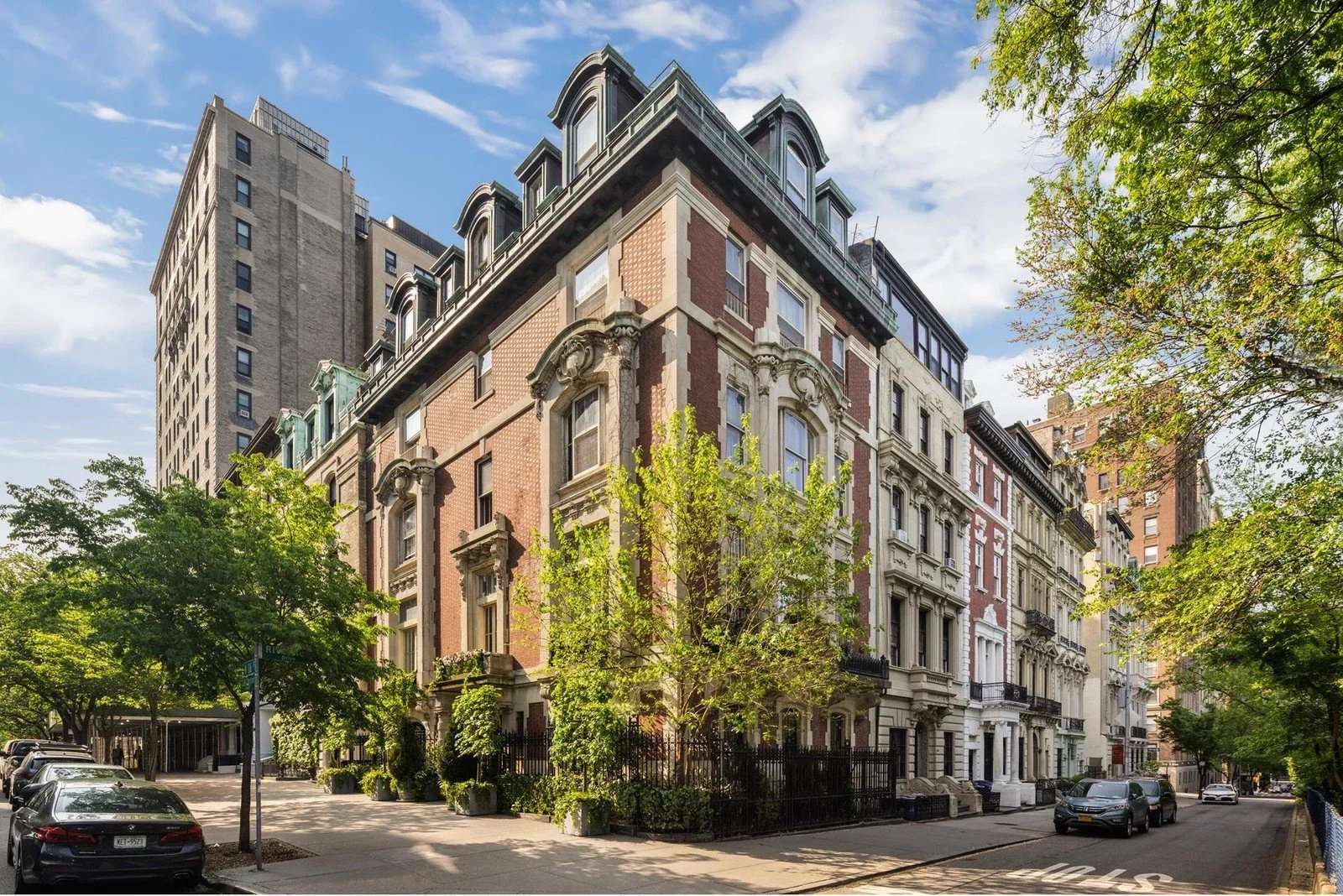
Upper West Side: High Demand, Limited Supply
Active three-bedroom listings: ~128
Despite being one of Manhattan’s most family-oriented neighborhoods, the Upper West Side has relatively limited availability.
Inventory concentration:
Upper West Side: 77
Lincoln Square: 48
Manhattan Valley: 3
Why Supply Is Tight
Turnover is the defining factor. Families who purchase three-bedroom homes here often remain for many years. When well-proportioned prewar layouts come to market, competition can be immediate.
This is one of the few areas where demand consistently exceeds supply.
Upper Manhattan: Space-Focused Buyers

Active three-bedroom listings: ~91
Neighborhood distribution:
Central Harlem: 47
Washington Heights: 15
Hamilton Heights: 11
Morningside Heights: 9
East Harlem: 5
Why Buyers Look Here
Upper Manhattan offers significantly larger average square footage at lower entry prices than neighborhoods further south. Buyers prioritizing space over location often begin their search here.
For many households, this is where a true family-sized Manhattan home becomes financially achievable.
Key Takeaways About Manhattan’s 3-Bedroom Market
Only about 15–18% of Manhattan inventory consists of three-bedroom homes
Downtown has the largest concentration due to condominium construction
The Upper East Side provides the most traditional family layouts
Midtown offers the widest pricing spectrum
The Upper West Side remains demand-driven with low turnover
Upper Manhattan offers the most space for the price
In 2026, the three-bedroom segment is defined primarily by inventory availability rather than demand conditions.
Seller Guidance: Positioning Matters More Than Ever
For owners, scarcity alone does not guarantee a premium result.
Buyers in this segment are highly selective. They evaluate:
layout efficiency
building quality
monthly carrying costs
renovation requirements
long-term value
Because the buyer pool is smaller but more serious, pricing accuracy and presentation materially influence timing and outcome.
Understanding how your apartment compares within your immediate neighborhood — not borough-wide averages — is critical when bringing a three-bedroom to market.
Buyer Guidance: Preparation Beats Urgency
For buyers, the key challenge is not demand competition, but timing.
Three-bedroom apartments appear irregularly, and the best layouts rarely stay available long once properly priced. Buyers who succeed in this segment typically:
monitor inventory consistently
understand building types
evaluate layouts quickly
act decisively when alignment occurs
We help clients interpret live inventory conditions and identify opportunities as they emerge rather than after they become competitive.
Looking for a 3-Bedroom in Manhattan?
If you would like a real-time overview of current three-bedroom availability, upcoming listings, or neighborhood comparisons, our team can provide a data-driven assessment tailored to your search criteria.