Prewar apartments in Manhattan continue to command a premium, even as new development dominates the skyline.
The reason is not nostalgia. It is structure.
From ceiling height to layout and materials, prewar apartments offer a fundamentally different living experience. For many buyers, that difference is immediately felt and directly valued.
What Is a Prewar Apartment in NYC
In New York City real estate, prewar apartments typically refer to buildings constructed before World War II, most commonly between 1900 and 1939.
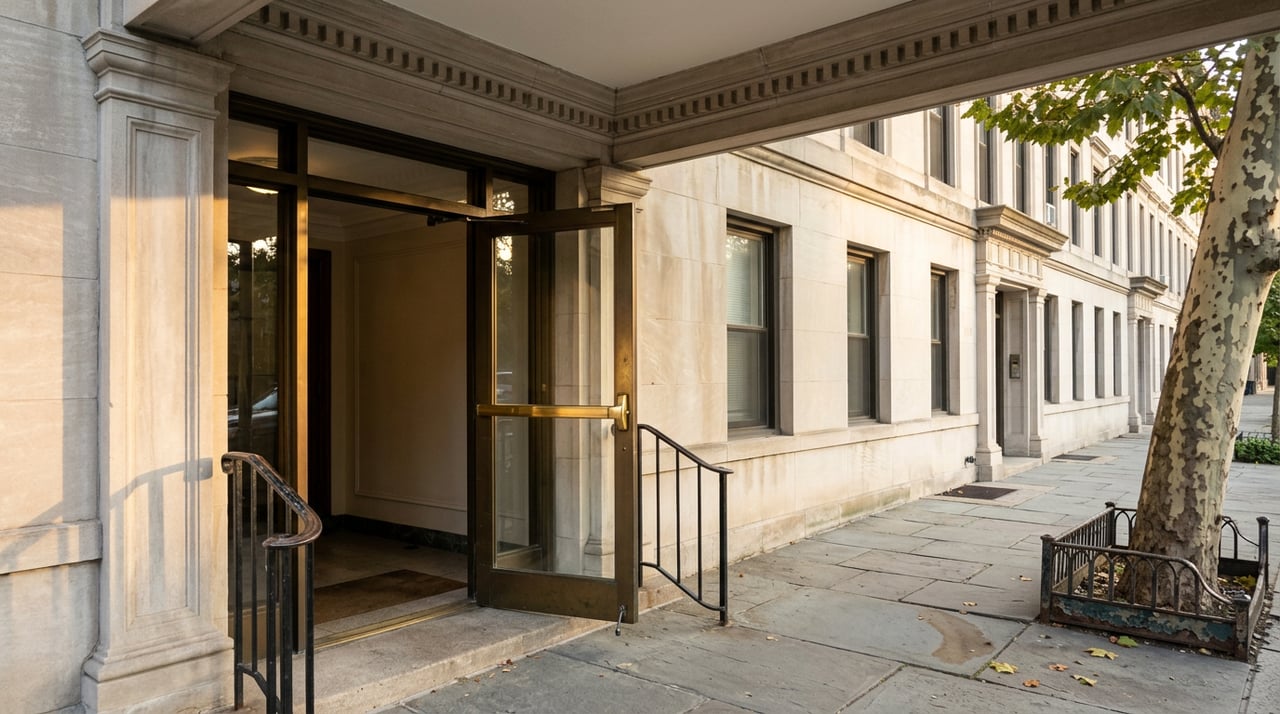
These buildings define neighborhoods such as the Upper West Side and Upper East Side. They were designed with a focus on proportion, craftsmanship, and long term durability.
That foundation continues to shape how these homes feel today.
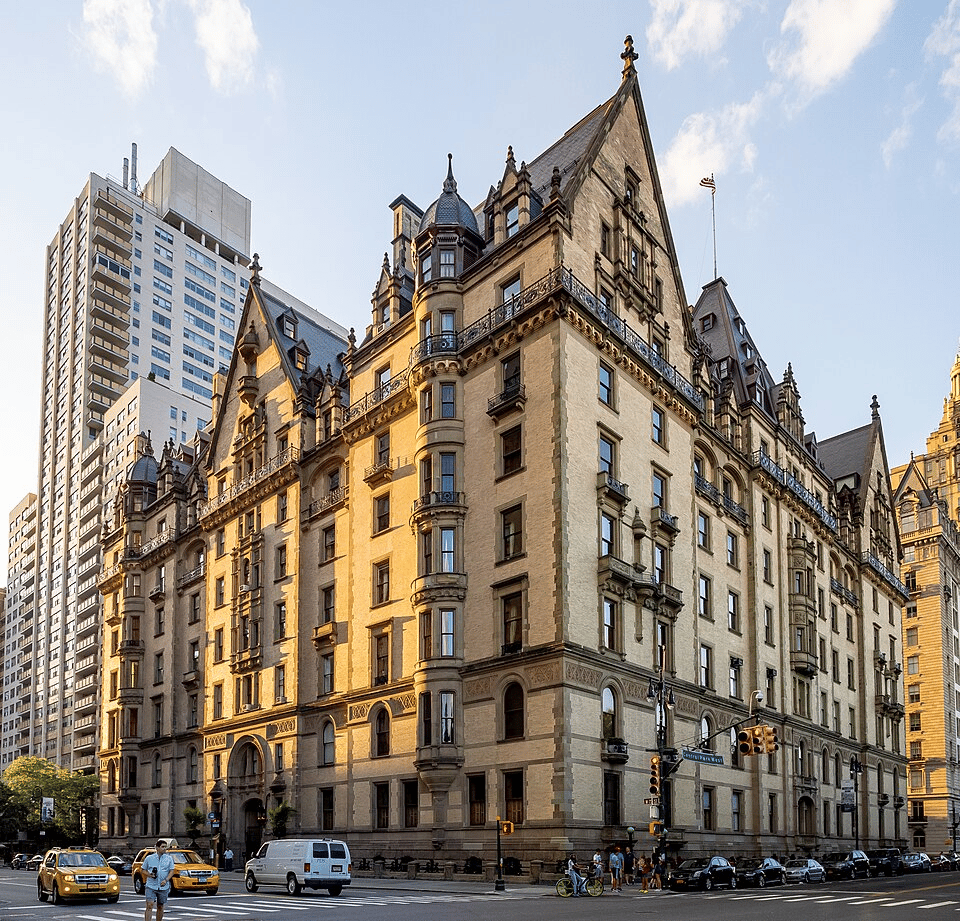
Photo courtesy of Ajay Suresh
Higher Ceilings And Greater Volume
One of the defining features of prewar apartments is ceiling height.
Many prewar units offer ceilings of ten feet or more, compared to eight or nine feet in newer buildings.
This added volume changes how space is perceived. Rooms feel larger, light travels further, and the apartment feels more open without additional square footage.
This is one of the first things buyers notice.
Layouts With Clear Separation
Prewar apartment layouts prioritize structure.
Foyers, dining rooms, and defined living spaces create a natural flow throughout the home. Each room has a clear purpose.
In contrast, many new developments favor open layouts and efficiency.
The result is a different experience. Prewar apartments feel more organized and intentional, while newer units feel more flexible.
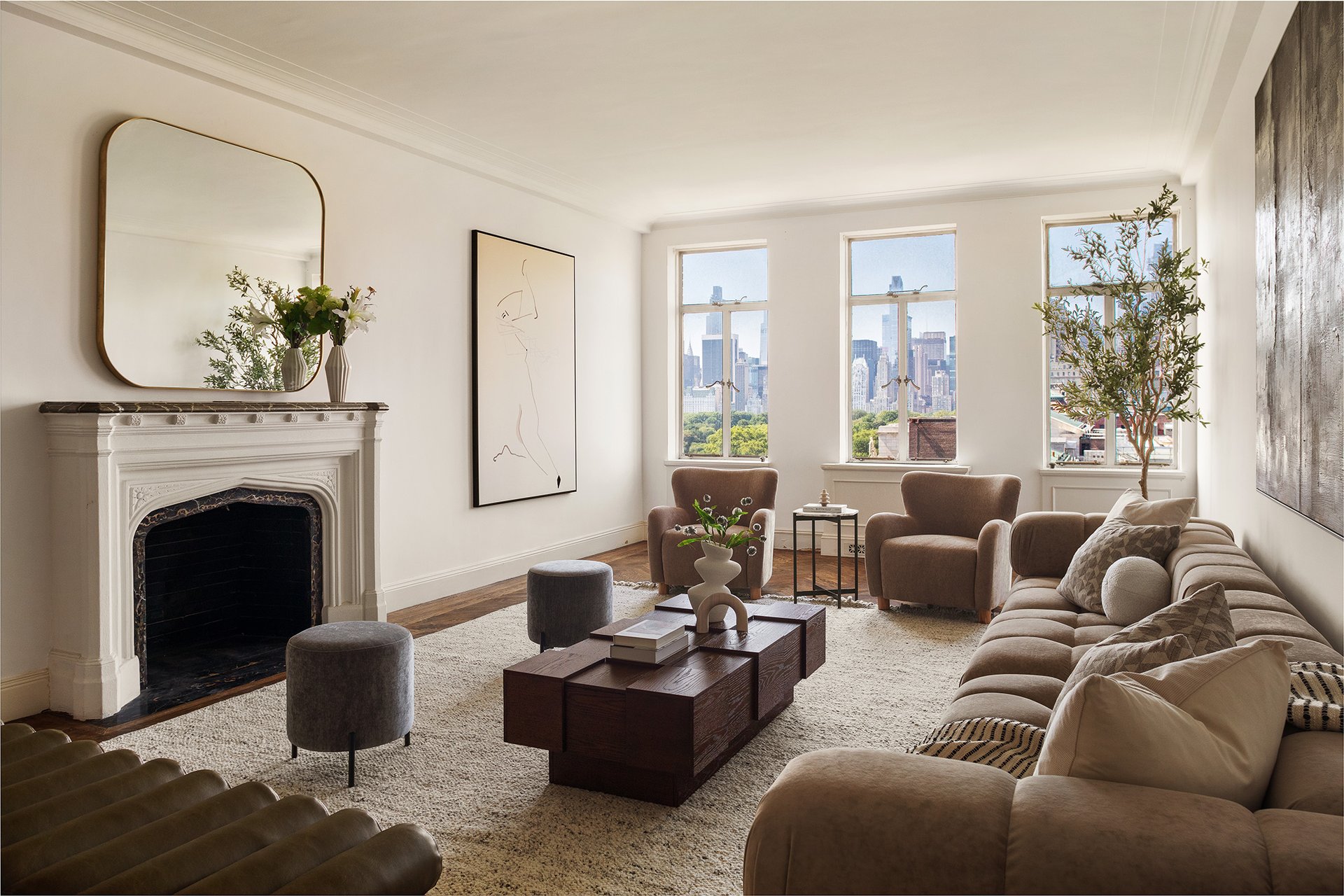
Photo courtesy of The Steven Cohen Team at Corcoran
Solid Construction And Better Acoustics
Prewar buildings are known for thicker walls and heavier materials.
This often results in better sound insulation, greater durability, and a quieter living environment.
These qualities are not always visible, but they are noticeable in everyday living.
Original Detail And Craftsmanship
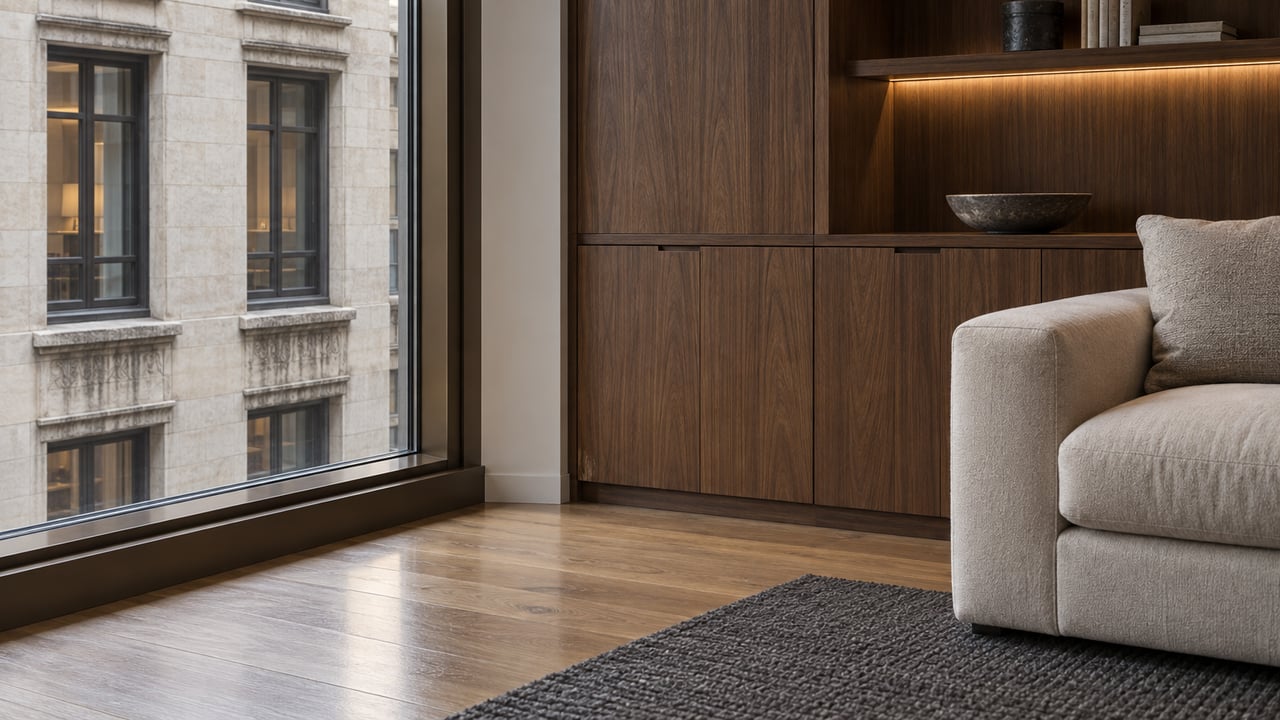
Architectural detail is a key reason buyers are drawn to prewar apartments.
Crown moldings, plasterwork, and built-ins were part of the original design, not upgrades.
These elements add depth and character, and they are increasingly rare in modern construction.
Photo courtesy of Corcoran Group

Proportions That Feel More Spacious
Beyond ceiling height, prewar apartments benefit from strong proportions.
Rooms are often wider, windows are larger, and layouts feel balanced.
Even at similar square footage, prewar apartments often feel larger because of how the space is distributed.
Limited Supply And Long Term Value
There is no new prewar inventory.
These buildings are finite and located in some of Manhattan’s most established neighborhoods.
This limited supply supports long term value, especially compared to new development, which can expand with market cycles.
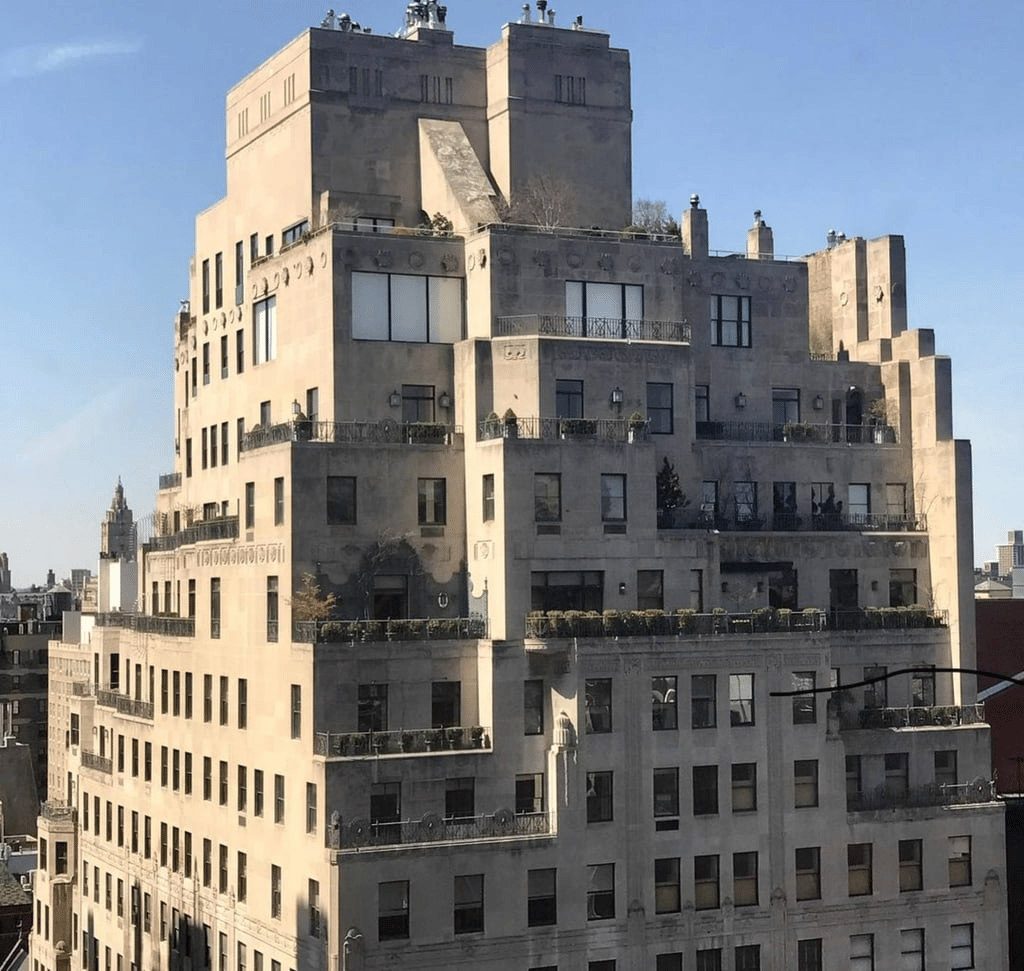
Photo courtesy of elikarealestate
Prewar Luxury And Status
Prewar luxury is defined by architecture rather than amenities.
These apartments were designed with scale, proportion, and formal layouts that reflect a higher standard of living.
That distinction still matters today.
A well proportioned prewar apartment signals long term thinking and an appreciation for design.
Unlike modern amenities, these qualities cannot be easily replicated.
Cultural Recognition And Global Appeal
Prewar buildings also carry global recognition.
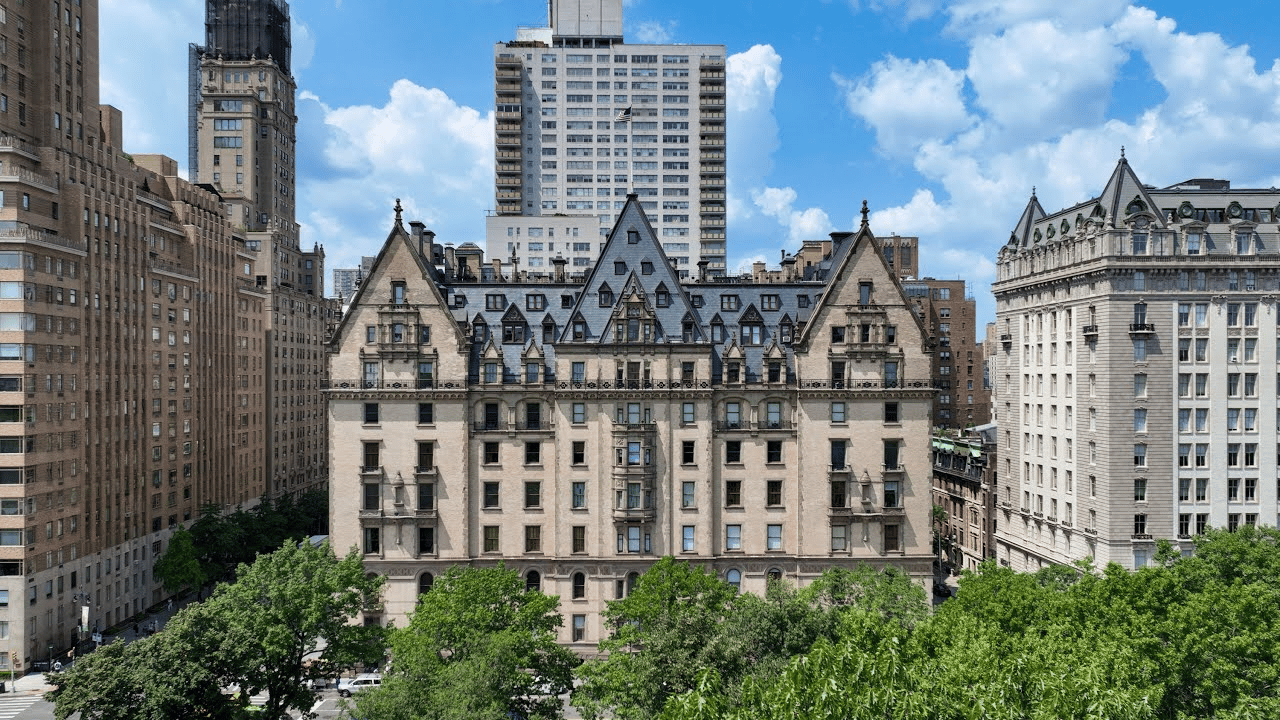
Landmark residences such as The Dakota and The San Remo are associated with figures like Yoko Ono, John Lennon, and Bono.
These connections reinforce prewar apartments as legacy properties tied to history, architecture, and long term desirability.
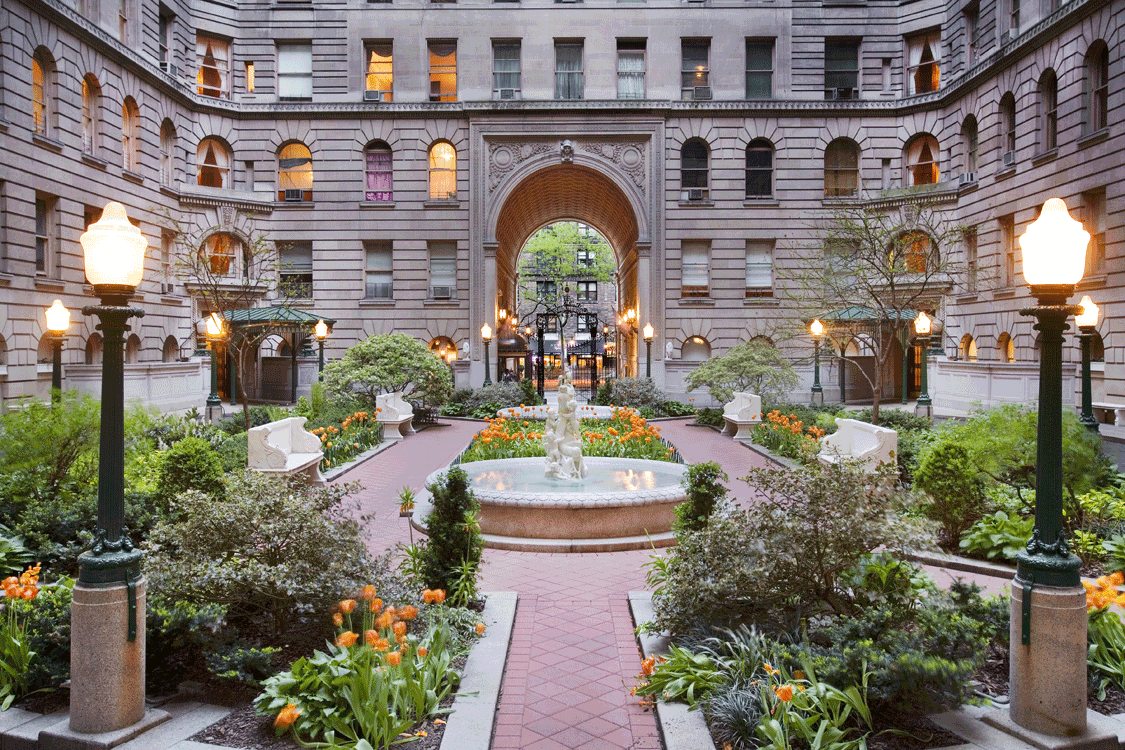
Photo courtesy of John Simpson Architects
Trade Offs To Consider
Prewar apartments may require upgrades and often lack features like central air or extensive amenities.
For some buyers, this is a limitation.
For others, it is secondary to the quality of space and design.
Why Buyers Still Pay For Prewar Apartments
Buyers are not paying for convenience.
They are paying for ceiling height, layout, materials, and architectural detail that are difficult to recreate today.
Prewar apartments offer a different product in the Manhattan real estate market.
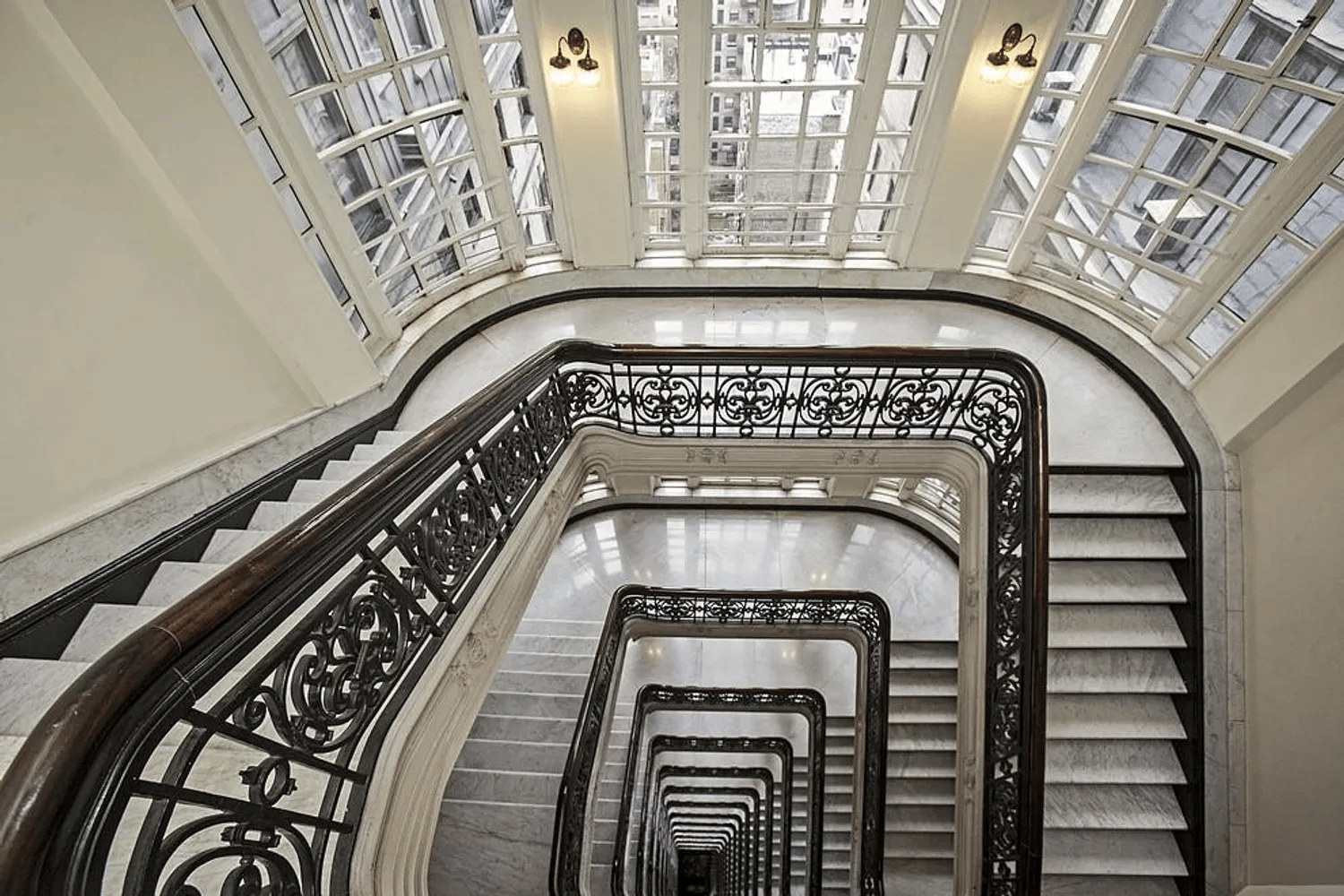
Photo courtesy of Corcoran Group
Final Takeaway
Prewar apartments feel different because they are different.
They reflect a time when buildings were designed for proportion, craftsmanship, and longevity.
For buyers who value those qualities, the premium is not about price.
It is about choosing a space that delivers something newer buildings often cannot.