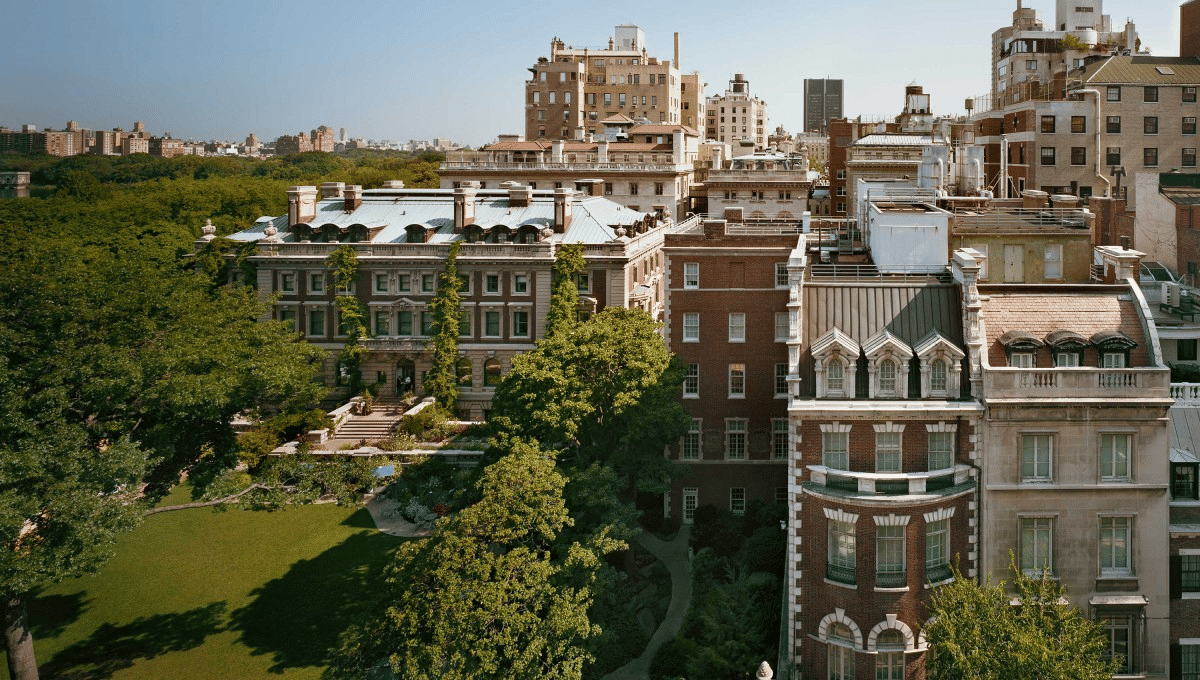
Old New York at its most quietly distinguished: limestone townhouses, grand prewar residences, world-class museums, intimate restaurants and Central Park just across Fifth Avenue.
Carnegie Hill has an elegance that feels unusually effortless, even by Upper East Side standards. Historic mansions and townhouses line tree-shaded streets, handsome apartment buildings rise along Fifth and Park Avenues, and some of Manhattan’s most important cultural institutions are only a short walk apart.
The neighborhood takes its name from Andrew Carnegie, whose extraordinary mansion at Fifth Avenue and East 91st Street helped establish the area as one of Manhattan’s most desirable residential enclaves at the beginning of the 20th century. Today, that mansion houses the Cooper Hewitt, Smithsonian Design Museum, while the surrounding blocks retain much of their original architectural character.
Spend enough time here and you quickly find your own routine: coffee and cake at Café Sabarsky, a walk through the quiet streets around East 92nd, an afternoon at the Guggenheim or Cooper Hewitt, dinner on Madison Avenue and an evening stroll beside the Central Park Reservoir.
It is classic Upper East Side living, but with a distinctly more intimate atmosphere.
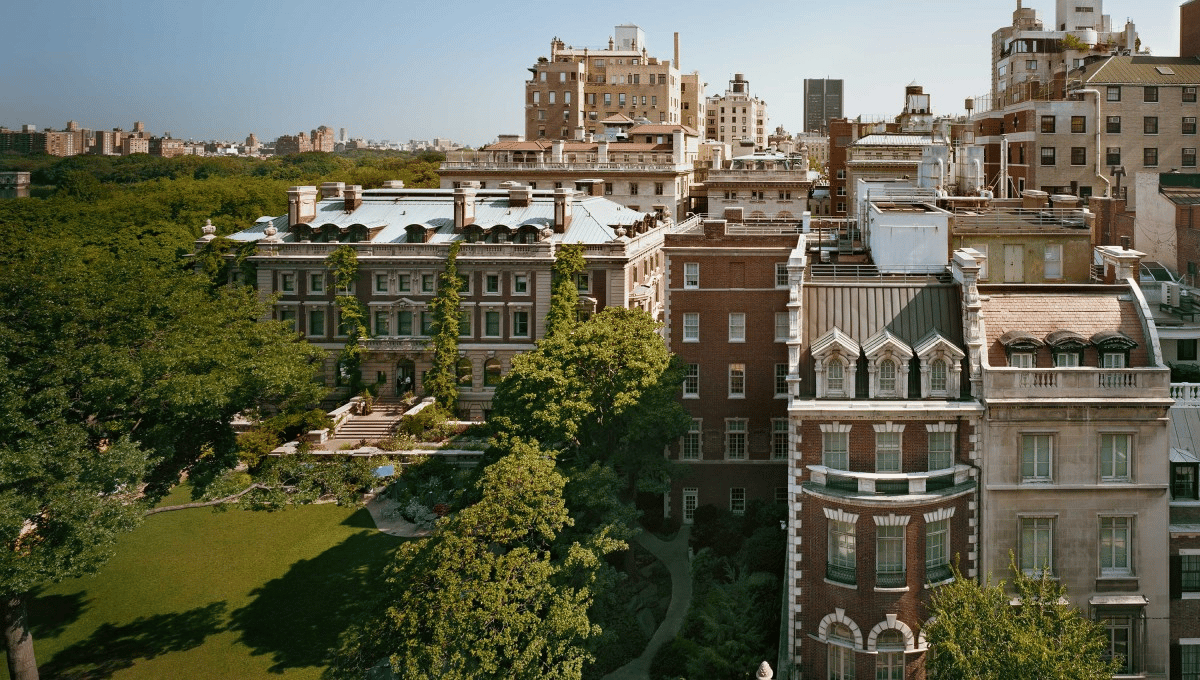
The architecture is an obvious place to start.
Carnegie Hill has one of Manhattan’s most remarkable collections of historic townhouses, mansions and prewar apartment buildings. Limestone façades, elaborate ironwork, beautifully maintained entrances and mature street trees create residential blocks that feel almost untouched by the pace of the city around them.
Fifth Avenue brings the grandeur, with substantial prewar residences overlooking Central Park, while Madison Avenue feels more intimate, lined with independent shops, restaurants and neighborhood businesses.
Then there are the side streets.
East 90th through 95th Streets contain some of the neighborhood’s most beautiful architecture, ranging from richly detailed townhouses to elegant early-20th-century apartment buildings.
Cultural life is equally important. The Guggenheim, Cooper Hewitt, Jewish Museum, Neue Galerie and 92NY all sit within a remarkably compact area.
For a neighborhood known for its quiet, Carnegie Hill has an extraordinary amount happening behind its doors.
Café Sabarsky is one of the most beautiful places to begin a morning on the Upper East Side.
Set inside the Neue Galerie at Fifth Avenue and East 86th Street, the café takes its inspiration from the grand coffeehouses of Vienna, complete with dark wood, upholstered banquettes, historic furnishings and an atmosphere that feels considerably removed from contemporary Manhattan.
Order a Viennese coffee and something from the pastry selection — Sachertorte or apple strudel would be difficult to pass up.
The room encourages you to stay longer than planned.
Afterward, walk north along Fifth Avenue, past the Guggenheim and toward the Carnegie Mansion.
Few Manhattan mornings feel quite as elegant.
At Madison Avenue and East 93rd Street, The Corner Bookstore is exactly the kind of independent business that gives Carnegie Hill its character.
Opened in 1978, the small shop occupies a beautiful corner storefront and has become a neighborhood institution for generations of readers.
The selection is carefully curated, with fiction, history, biographies, art books, children’s literature and new releases sharing a space that feels wonderfully personal.
Stop in without a particular title in mind.
Browse for a while, find something unexpected and continue down Madison Avenue.
It is a small pleasure, but one that captures Carnegie Hill particularly well.
Carnegie Hill’s restaurant scene is quieter than the dining destinations farther downtown, but that is part of its appeal.
Instead of restaurants built around constant attention, the neighborhood is filled with established dining rooms that have developed loyal followings over years — and sometimes decades.
Italian cooking, intimate French bistros, Mediterranean seafood and polished American classics all feel particularly appropriate here.
These are restaurants to return to, not simply visit once.
For a special dinner, Sfoglia is one of our favorite choices.
The intimate Lexington Avenue trattoria brings rustic Italian cooking into a warmly lit dining room filled with farmhouse tables, fresh flowers and an atmosphere that feels almost residential.
The menu changes with the seasons, but handmade pasta, beautifully sourced ingredients and familiar Italian preparations remain central to the experience.
Pappardelle Bolognese and chicken al mattone are among the restaurant’s longtime favorites.
The room is romantic without being overly formal.
It is exactly the kind of place where dinner begins with a glass of wine and ends considerably later than expected.
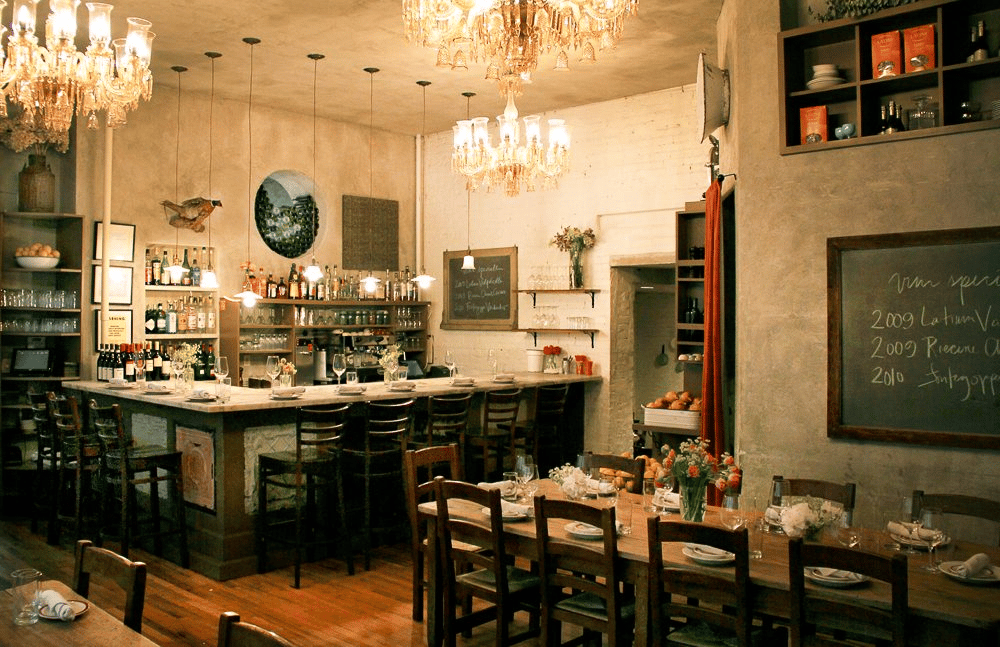
Paola’s on Madison Avenue offers a more polished interpretation of traditional Italian dining.
The family-owned restaurant traces its roots to 1983 and takes inspiration primarily from Roman cooking, with handmade pasta, seafood, seasonal vegetables and familiar Italian classics forming the heart of the menu.
The dining room feels elegant but comfortable, striking the balance between a neighborhood restaurant and somewhere appropriate for a special occasion.
Its location near the museums also makes it particularly appealing for lunch after an exhibition or dinner before heading home.
For Italian in Carnegie Hill, Paola’s belongs near the top of the list.
Pascalou feels like a little piece of Paris on Madison Avenue.
The intimate French bistro occupies a charming storefront near East 93rd Street and has the relaxed atmosphere of a restaurant that knows its regulars.
Chef-owner Pascal Bonhomme’s background in classical French cooking is reflected in a menu that includes familiar bistro preparations, seafood, salads and seasonal dishes.
The room is small, warm and refreshingly unpretentious.
It is especially good for a long lunch, a quiet dinner or an evening when you want excellent food without the ceremony of a larger restaurant.
Carnegie Hill does understated dining particularly well, and Pascalou is a perfect example.
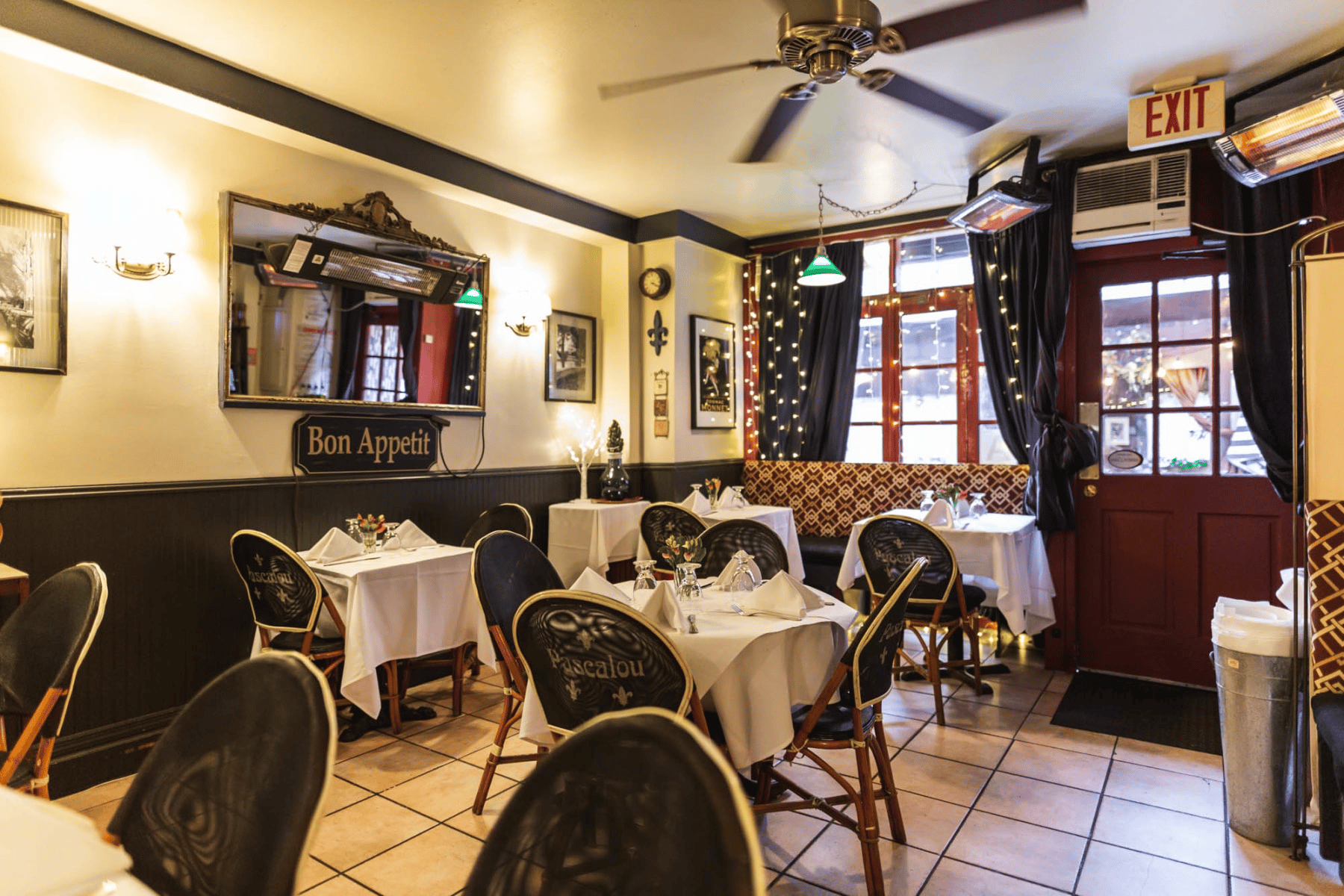
Island has been part of Carnegie Hill since 1986 and remains one of Madison Avenue’s most established neighborhood restaurants.
The American bistro combines familiar favorites with a coastal sensibility, moving between salads, seafood, seasonal pasta, fish specials and its popular burger.
The dining room is inspired by the relaxed atmosphere of a seaside club, with nautical artwork, woven chairs and soft colors giving it a personality very different from the more traditional restaurants nearby.
It works particularly well for lunch with friends, weekend brunch or an easy dinner at the bar.
The best neighborhood restaurants become part of people's routines.
Island has been doing that for four decades.
At the eastern edge of Carnegie Hill on Third Avenue, Korali offers a taste of the Greek islands.
The restaurant focuses on traditional Greek and Mediterranean cooking, with fresh seafood, grilled fish, meze, vegetables and familiar Greek preparations forming the center of the menu.
The atmosphere is warm and inviting, with a polished dining room that works equally well for a relaxed dinner or a small celebration.
Order several starters for the table and something from the grill.
It is a welcome alternative to the Italian and French restaurants that dominate much of the surrounding neighborhood.
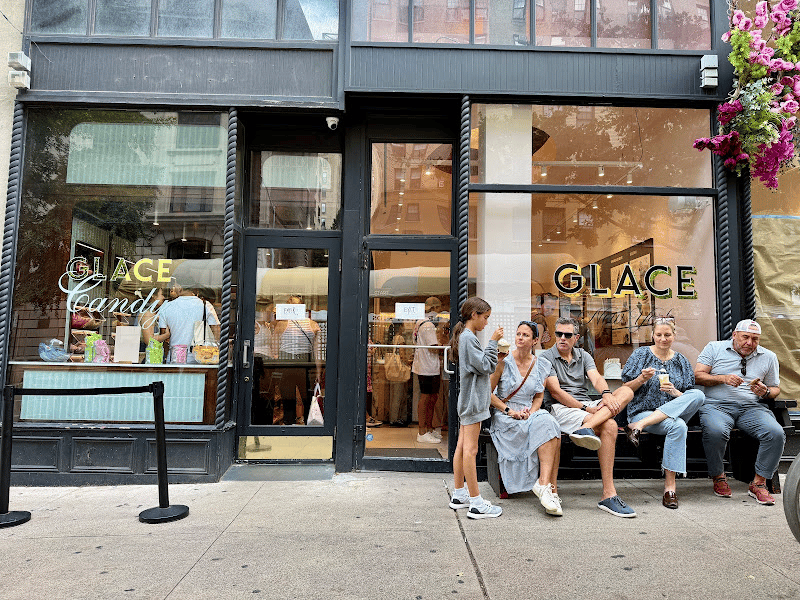
GLACE on Madison Avenue is one of our favorite stops when the plan is something sweet rather than another full meal.
The dessert shop is known for its inventive ice cream, beautifully presented sundaes and indulgent hot chocolate, particularly popular during colder months.
The flavors change, and part of the fun is seeing what is available.
Stop in after walking through Central Park or spending an afternoon at the museums.
It is playful, a little indulgent and a nice contrast to Carnegie Hill’s otherwise restrained atmosphere.
Few residential neighborhoods in Manhattan have this much culture within walking distance.
Carnegie Hill occupies one of the most important stretches of Museum Mile, with landmark buildings and major institutions appearing almost continuously along Fifth Avenue.
Art, design, architecture and performance are part of the neighborhood’s everyday identity.
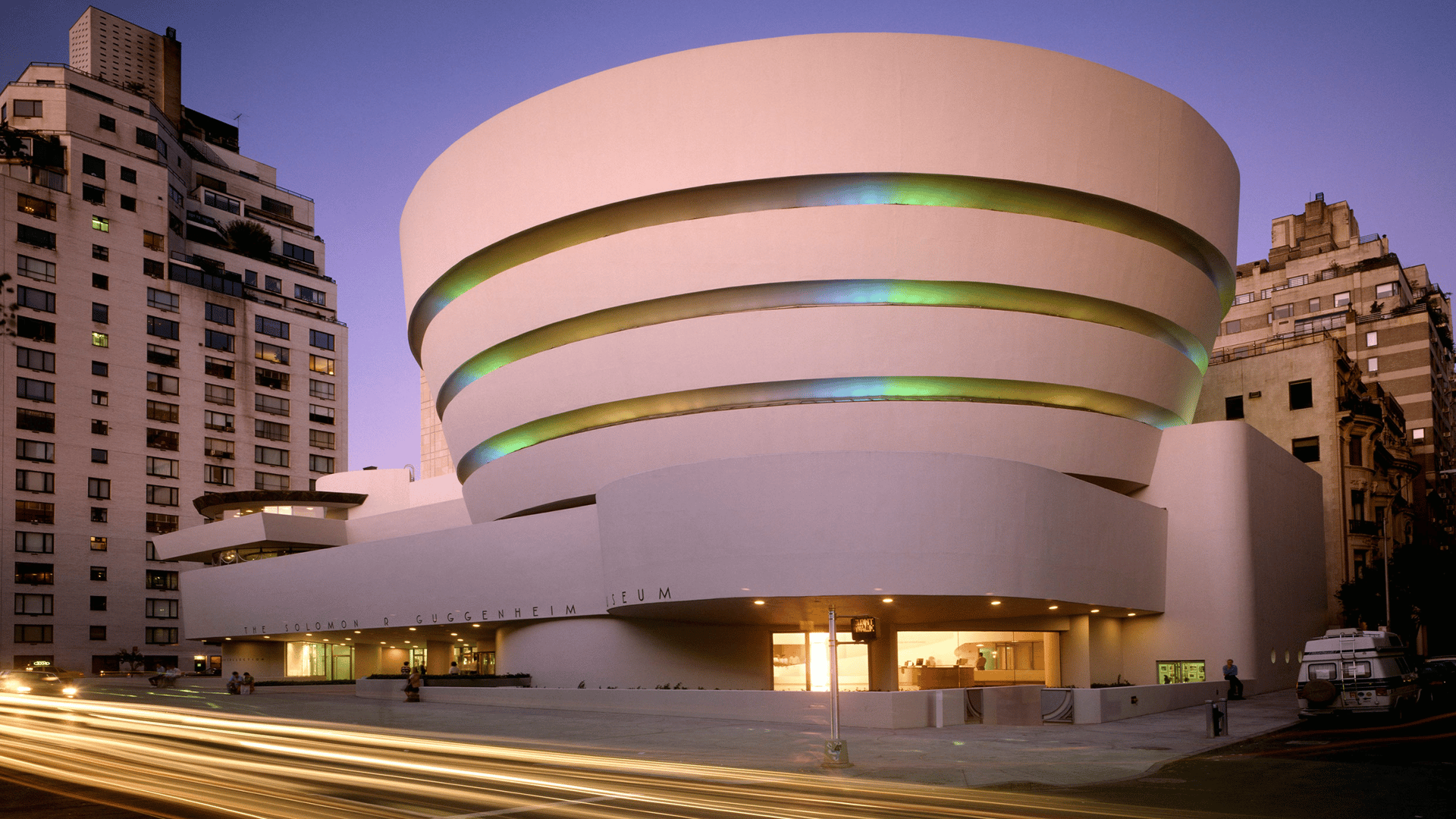
The Guggenheim is one of New York’s most recognizable buildings — and one of Carnegie Hill’s defining landmarks.
Designed by Frank Lloyd Wright and opened in 1959, the museum is celebrated for its extraordinary spiral architecture, which offers an entirely different way of experiencing art.
Rather than moving through a conventional sequence of galleries, visitors can follow the museum’s sweeping interior ramp as exhibitions unfold around the central rotunda.
The collection and programming span modern and contemporary art, but the building itself is always part of the experience.
Even from across Fifth Avenue, its white curves create a striking contrast with the surrounding prewar architecture.
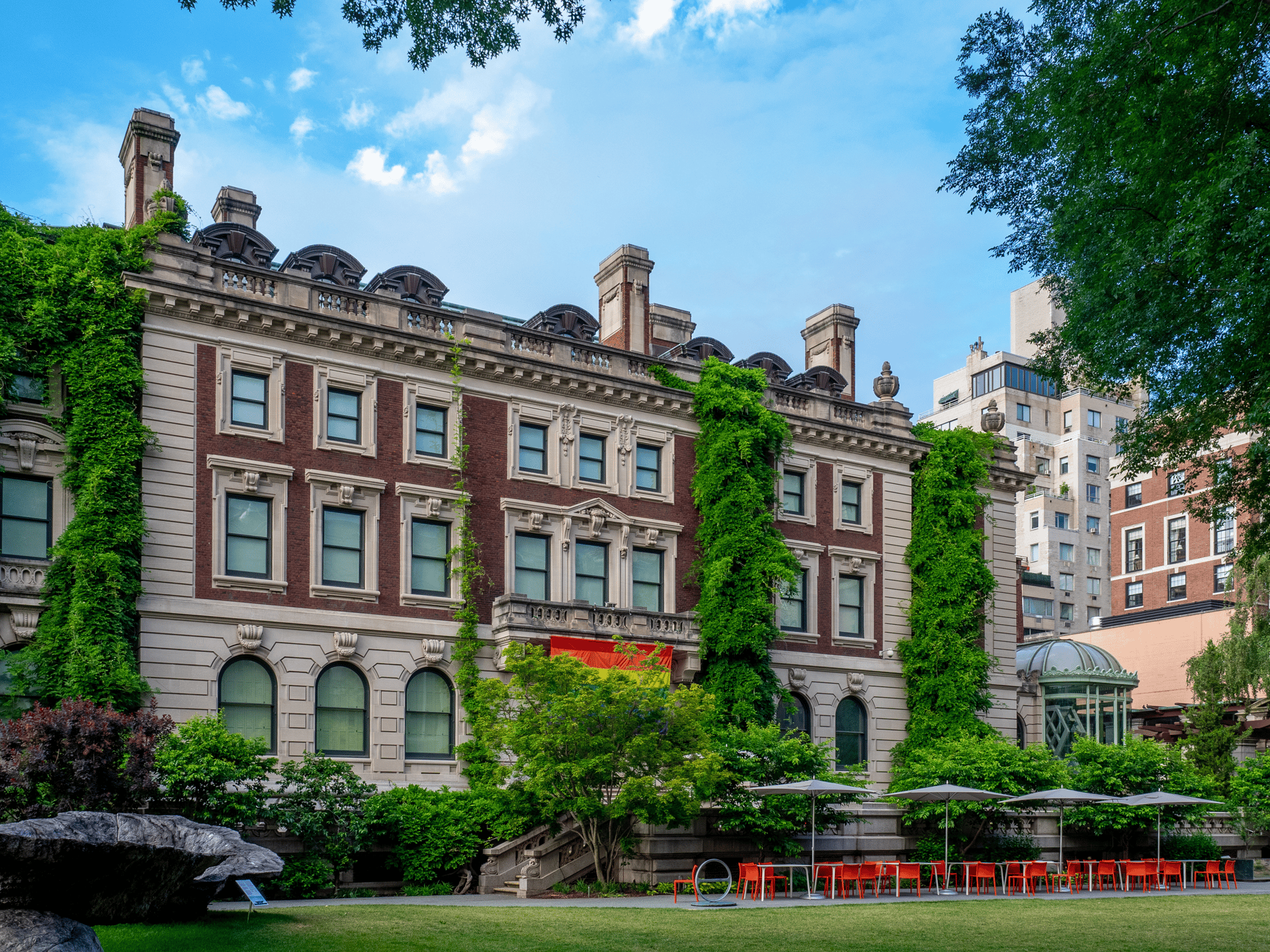
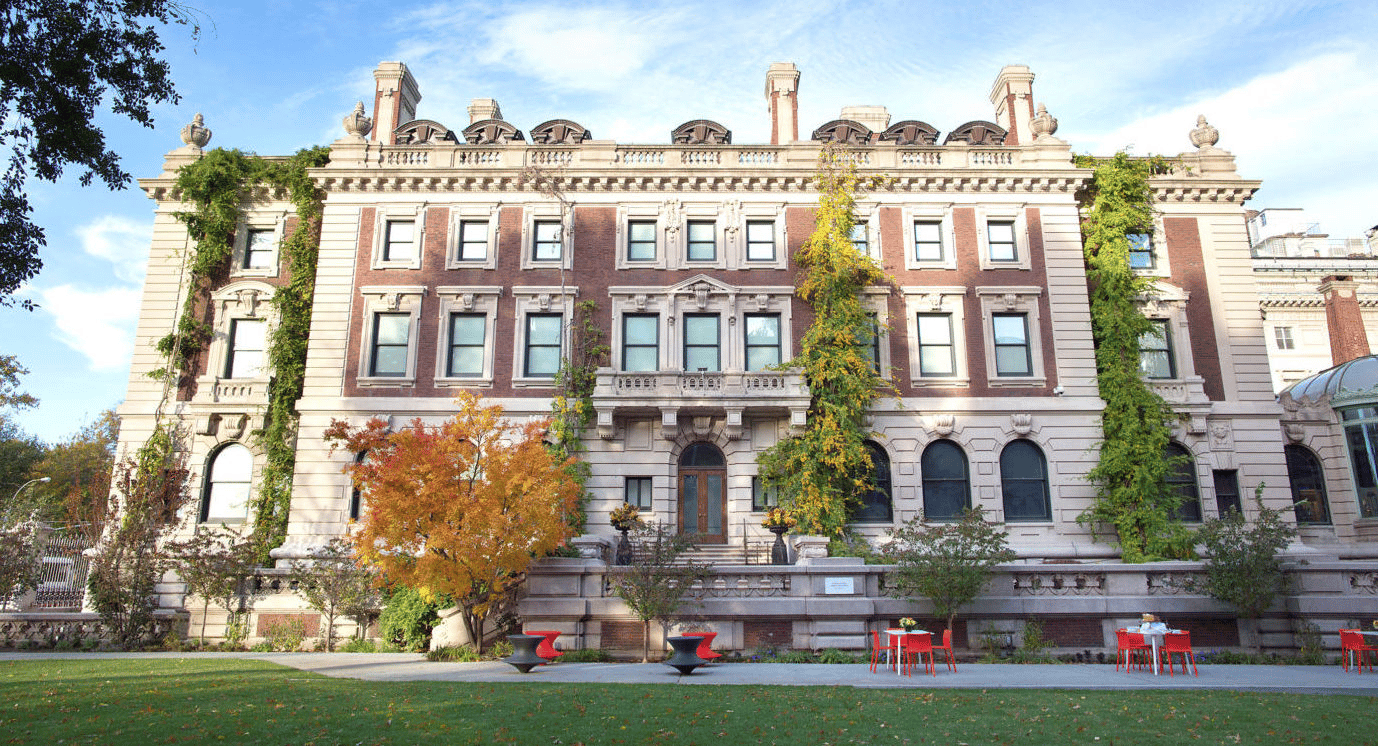
At East 91st Street, Cooper Hewitt occupies the former home of Andrew Carnegie — the mansion that gave the neighborhood its name.
Completed in 1902, the grand Georgian-style residence was designed by Babb, Cook & Willard and surrounded by landscaped grounds at a time when this stretch of Fifth Avenue was still developing.
Today, the museum explores historic and contemporary design across furniture, textiles, graphic design, decorative arts, technology and the objects that shape everyday life.
The mansion’s interiors and garden are attractions in their own right.
A visit offers the unusual opportunity to experience both a major design museum and one of Manhattan’s great historic private residences.
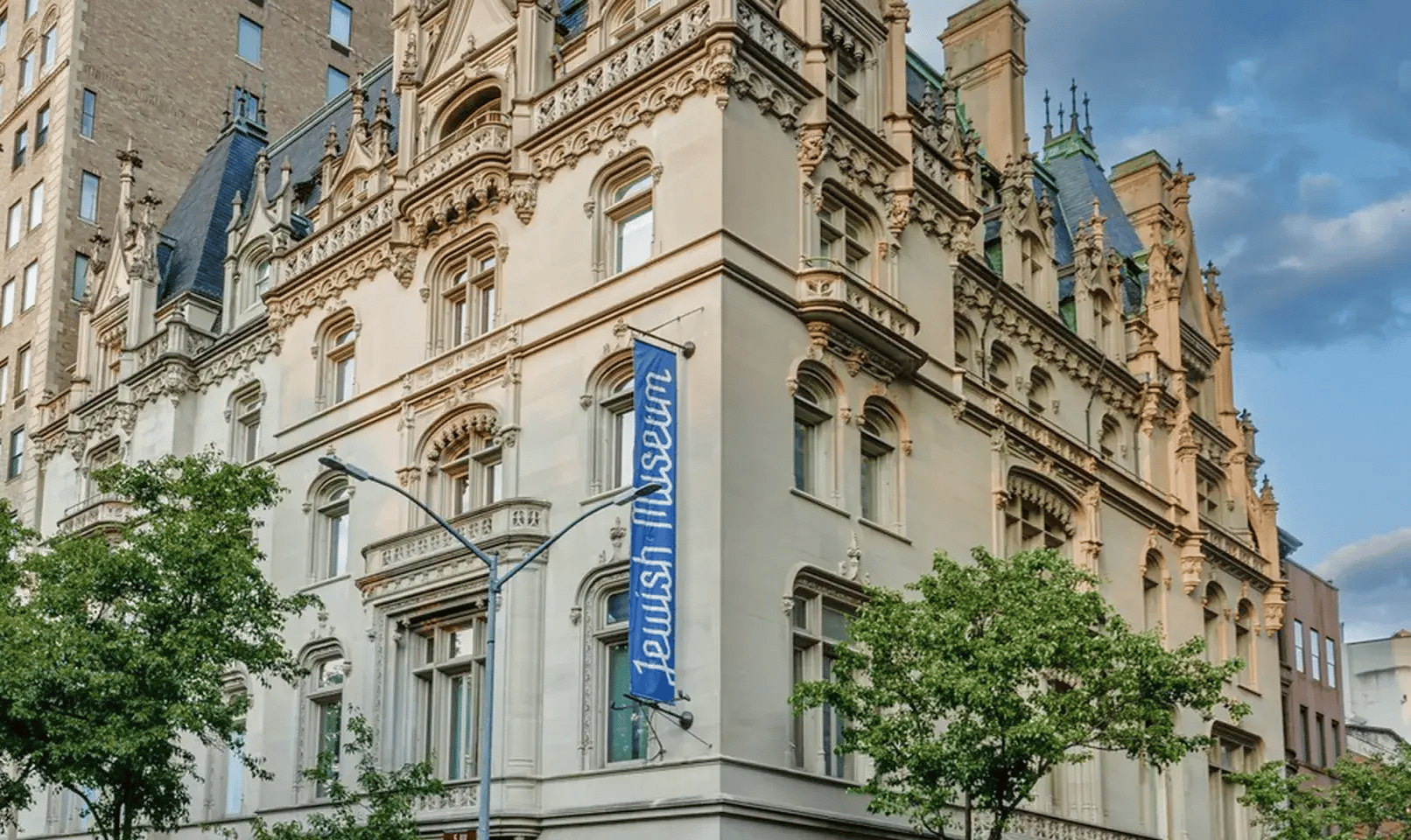
A few blocks north, The Jewish Museum occupies the former Felix M. Warburg Mansion at Fifth Avenue and East 92nd Street.
The magnificent French Gothic-style residence was completed in 1908 and remains one of the most impressive mansions along Museum Mile.
Inside, the museum explores Jewish art, culture, history and identity through an extensive collection and ambitious exhibitions that often connect historical material with contemporary artists.
The contrast between the ornate architecture and the art inside makes a visit particularly memorable.
It is worth coming for both.
At the southern edge of Carnegie Hill, Neue Galerie is devoted to German and Austrian art and design from the early 20th century.
The museum occupies a grand Fifth Avenue mansion and is especially associated with the work of Gustav Klimt, Egon Schiele and artists connected to Vienna’s remarkable cultural life around 1900.
Its collection includes Klimt’s celebrated portrait of Adele Bloch-Bauer I, alongside paintings, furniture and decorative objects from the period.
The galleries and Café Sabarsky complement one another beautifully, making it easy to spend several hours here.
Few institutions capture the relationship between art, design and architecture so completely.
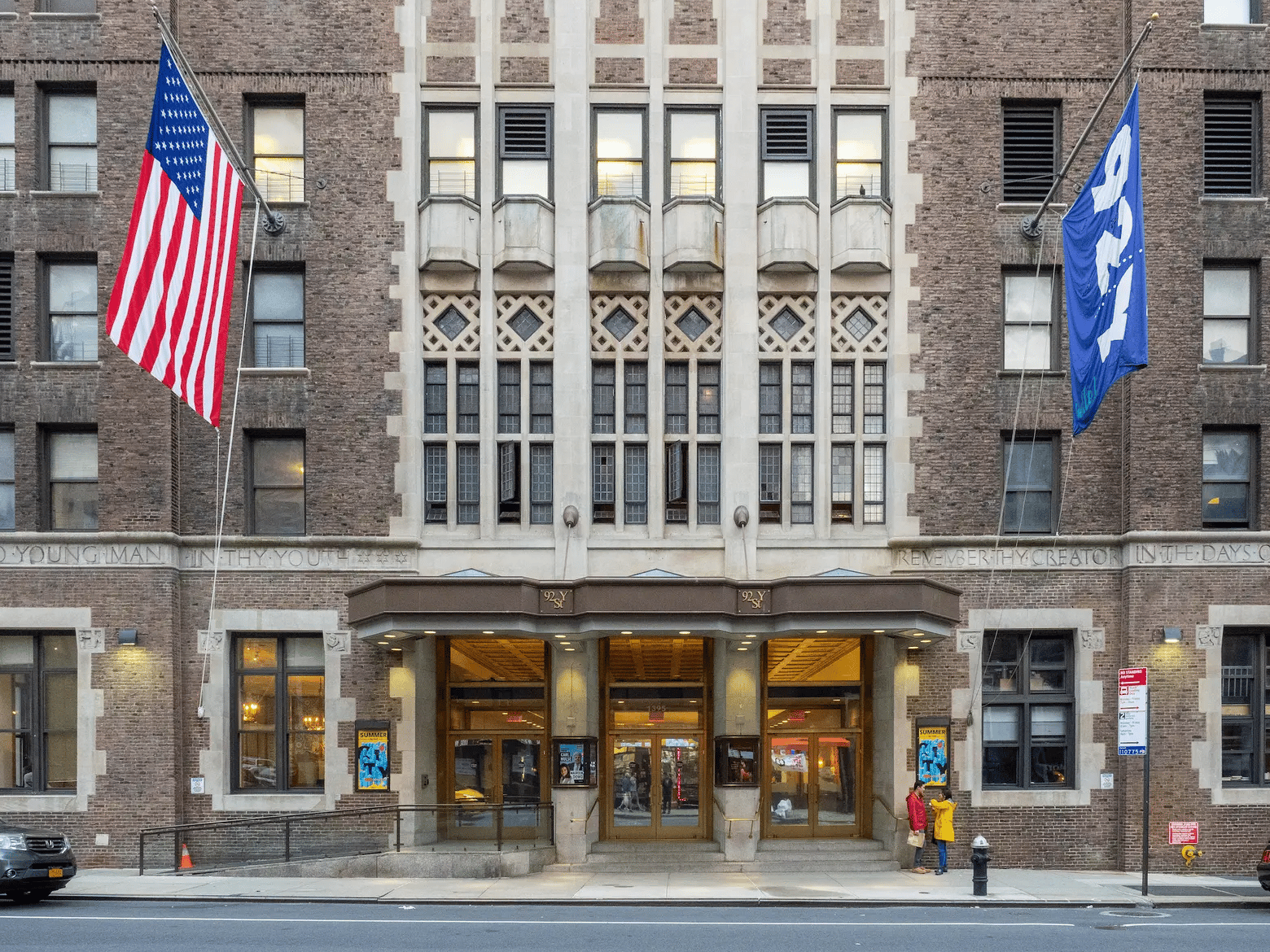
On Lexington Avenue, 92NY brings another dimension to Carnegie Hill’s cultural life.
Founded in 1874 as the Young Men’s Hebrew Association, the organization has become one of New York’s most important centers for cultural programming, education and community life.
Its calendar includes concerts, conversations with writers and artists, lectures, dance, films, classes and performances across a remarkably broad range of subjects.
The building also houses programs in fitness, arts education and activities for different generations.
For residents, it is one of the neighborhood’s most valuable institutions.
There is almost always something worth putting on the calendar.
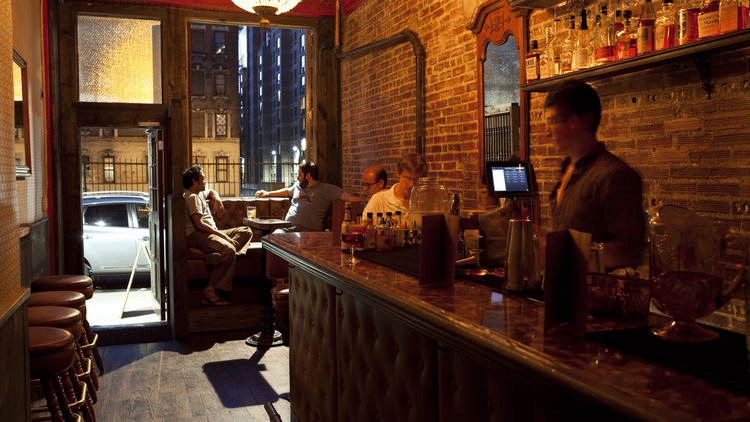
For cocktails, The Guthrie Inn offers a more relaxed side of Carnegie Hill.
Tucked along Park Avenue near East 97th Street, the bar feels noticeably different from the grand residential blocks farther south.
The room is intimate and unfussy, with a cocktail menu that includes classics, house variations and familiar favorites.
It is the kind of place where you can stop for one drink and end up staying for a second because the atmosphere is comfortable rather than overly produced.
Not every neighborhood needs a glamorous cocktail lounge.
Sometimes a good local bar is more valuable.
Central Park is Carnegie Hill’s great outdoor advantage.
Along the neighborhood’s western edge, Fifth Avenue opens directly onto one of the most beautiful stretches of the park, with the Jacqueline Kennedy Onassis Reservoir occupying much of the landscape between East 86th and East 96th Streets.
The reservoir’s 1.58-mile running track offers extraordinary views over the water, with the surrounding skyline reflecting across its surface.
It is equally appealing for a morning run or a long walk, with the track following a counterclockwise route.
Come early if you can.
There are few better ways to begin a day in Manhattan.
At Fifth Avenue and East 90th Street, Engineers’ Gate provides one of Carnegie Hill’s most convenient entrances to Central Park.
The entrance is especially popular with runners heading toward the reservoir and the park’s larger network of paths.
From here, you can continue along the water, explore the nearby bridle paths or head north into quieter stretches of the park.
For residents, the ability to step into Central Park within minutes is one of the neighborhood’s greatest luxuries.
It makes the park feel less like a destination and more like an extension of home.
Carnegie Hill is one of Manhattan’s most rewarding neighborhoods for walking without a plan.
East 91st Street is an obvious starting point, particularly around Fifth Avenue, where the Carnegie Mansion and the Italian Renaissance-inspired Otto H. Kahn House face one another across the street.
East 92nd and 93rd Streets contain beautiful limestone townhouses, elaborate entrances and some of the neighborhood’s finest residential architecture.
Madison Avenue provides a different experience, with The Corner Bookstore, established restaurants and independent businesses occupying storefronts below handsome residential buildings.
Park Avenue feels grander, with planted medians, substantial prewar apartment houses and a sense of space that is particularly appealing in this part of Manhattan.
Continue north toward East 95th and 96th Streets and the neighborhood becomes a little quieter, with historic townhouses and residential buildings giving way gradually to the streets approaching East Harlem.
The architecture changes subtly from block to block.
That is what makes walking here so enjoyable.
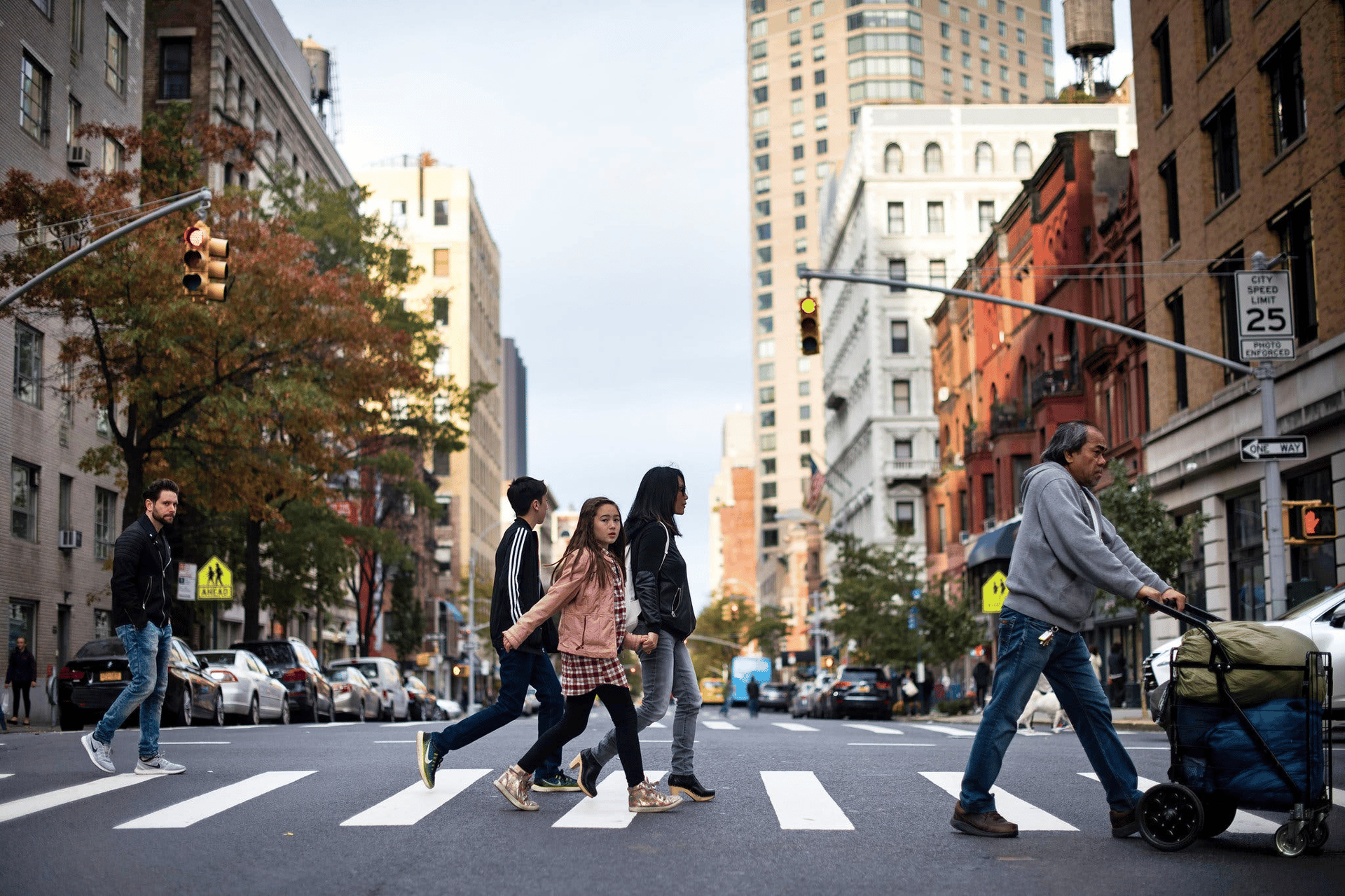
Residentially, Carnegie Hill is one of Manhattan’s most established and architecturally distinguished neighborhoods.
Historic townhouses and limestone mansions line the quieter side streets, while substantial prewar cooperatives dominate much of Fifth and Park Avenues. Smaller apartment buildings and boutique condominiums add variety toward Madison and Lexington Avenues.
The neighborhood’s proximity to Central Park, exceptional museums, respected schools and local restaurants creates a particularly appealing balance between cultural life and residential calm.
What makes living here distinctive is the atmosphere: elegant streets, beautiful architecture and a sense of continuity that has survived generations of change across the Upper East Side.
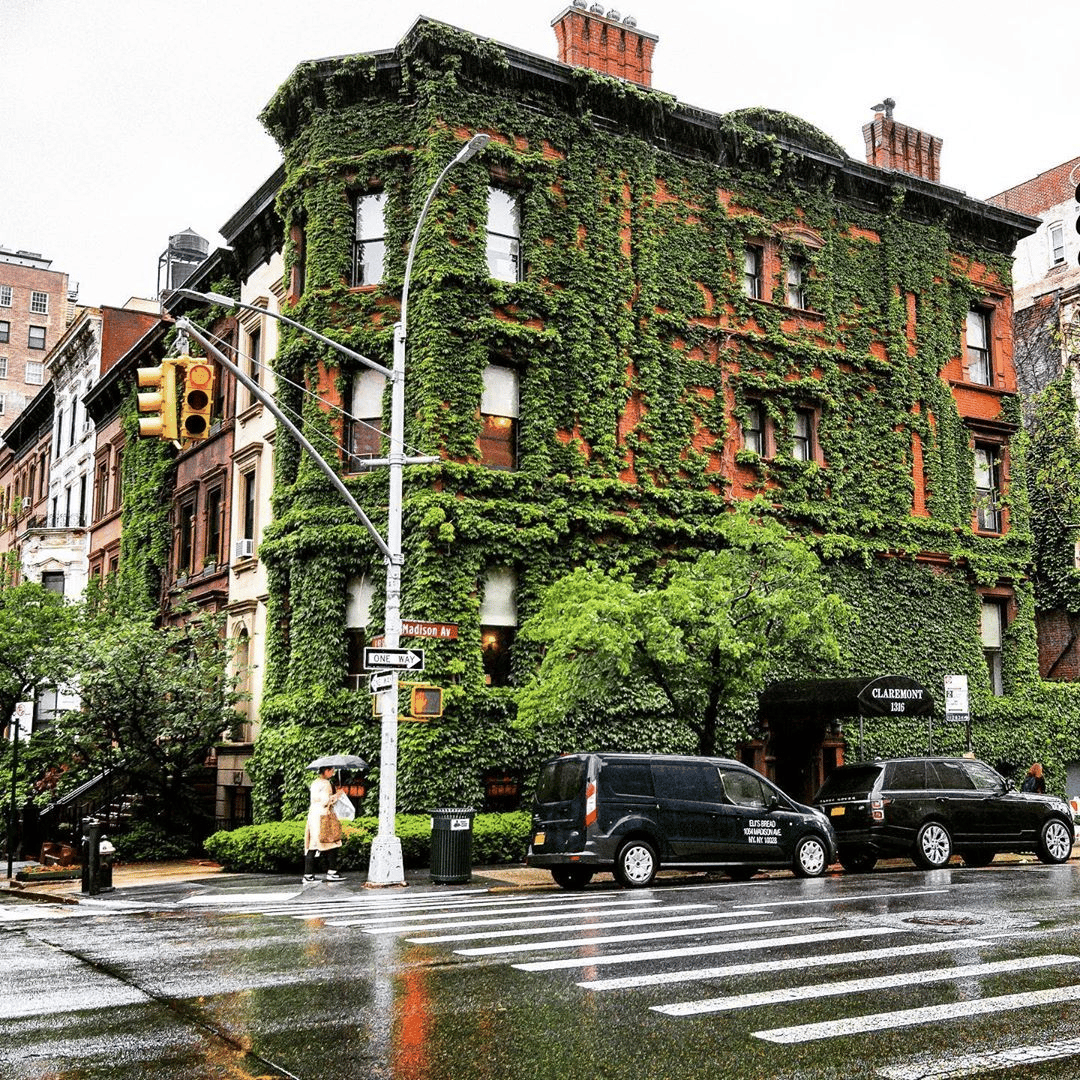
Carnegie Hill real estate is defined by historic architecture and limited inventory.
The Carnegie Hill Historic District was designated in 1974 and expanded in 1993, protecting a remarkable collection of townhouses, mansions and prewar apartment buildings constructed primarily between the late 19th and early 20th centuries.
Large prewar cooperatives along Fifth and Park Avenues are particularly sought after for their generous proportions, traditional layouts, architectural details and, in select residences, direct Central Park views.
Historic townhouses represent another distinctive part of the market, while boutique condominiums and newer residential buildings offer more contemporary alternatives.
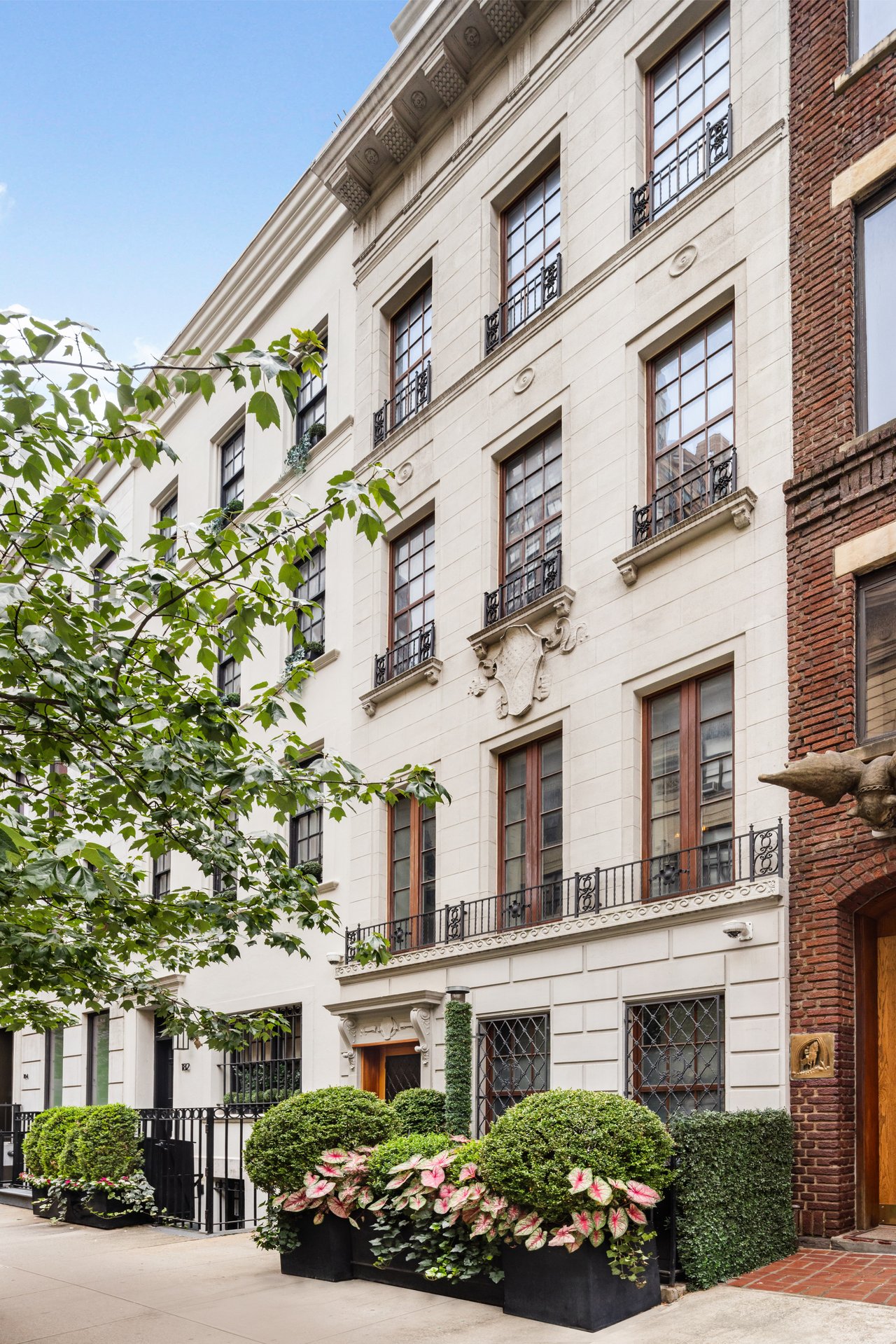
From grand limestone townhouses and classic prewar cooperatives to elegant park-facing residences, Carnegie Hill offers some of Manhattan’s most enduring residential architecture within a neighborhood that remains remarkably intimate.
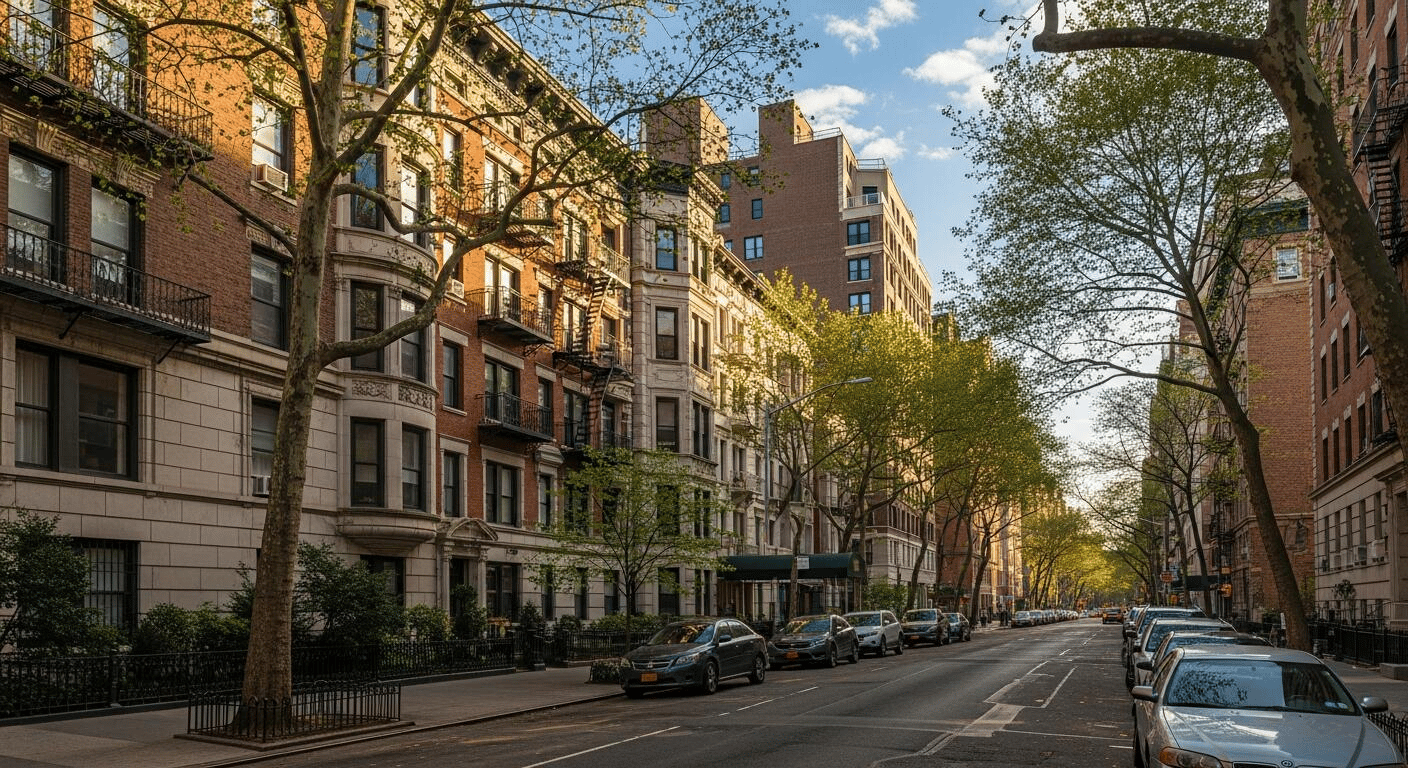
Whether you are drawn to a historic townhouse on a tree-lined street, a classic prewar cooperative or an elegant residence overlooking Central Park, explore what is currently available across Carnegie Hill.
25,724 people live in Carnegie Hill, where the median age is 48 and the average individual income is $156,070. Data provided by the U.S. Census Bureau.
Total Population
Median Age
Population Density
Average individual Income
There's plenty to do around Carnegie Hill, including shopping, dining, nightlife, parks, and more. Data provided by Walk Score and Yelp.
Explore popular things to do in the area, including KP MacLane, 92nd Street Y Harkness Dance Center, and Carnegie Nails.
| Name | Category | Distance | Reviews |
Ratings by
Yelp
|
|---|---|---|---|---|
| Shopping | 0.2 miles | 0 reviews | 0/5 stars | |
| Active | 0.12 miles | 0 reviews | 0/5 stars | |
| Beauty | 0.11 miles | 13 reviews | 3.5/5 stars | |
| Beauty | 0.19 miles | 2 reviews | 1/5 stars | |
| Beauty | 0.28 miles | 0 reviews | 0/5 stars | |
|
|
||||
|
|
||||
|
|
||||
|
|
||||
|
|
||||
|
|
Carnegie Hill has 12,418 households, with an average household size of 2. Data provided by the U.S. Census Bureau. Here’s what the people living in Carnegie Hill do for work — and how long it takes them to get there. Data provided by the U.S. Census Bureau. 25,724 people call Carnegie Hill home. The population density is 125,512 and the largest age group is Data provided by the U.S. Census Bureau.
Total Population
Population Density Population Density This is the number of people per square mile in a neighborhood.
Median Age
Men vs Women
Population by Age Group
0-9 Years
10-17 Years
18-24 Years
25-64 Years
65-74 Years
75+ Years
Education Level
Total Households
Average Household Size
Average individual Income
Households with Children
With Children:
Without Children:
Blue vs White Collar Workers
Blue Collar:
White Collar:
590 Madison Ave, Floor 8 New York, NY10022
590 Madison Ave, Floor 8 New York, NY10022
