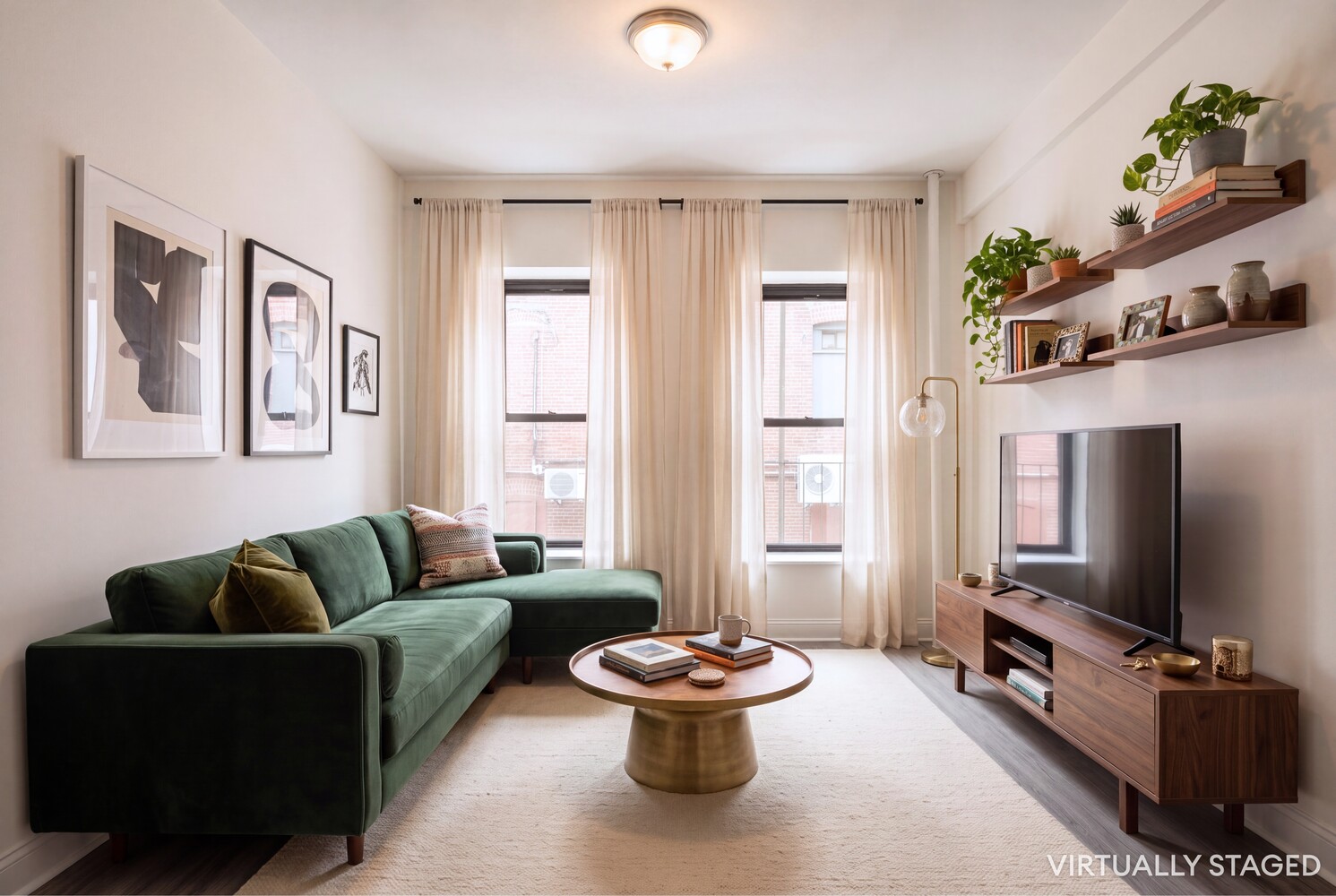
East Village Neighborhood Guide
Downtown Manhattan at its most expressive: historic walk-ups, tree-lined streets, independent restaurants, late-night institutions and Tompkins Square Park at the center of it all.
The East Village has always had a personality of its own. Generations of immigrants, artists, musicians, writers and restaurateurs have shaped the neighborhood, leaving behind a mix of cultures and institutions that still feels unusually visible on its streets today.
It is creative without feeling curated. Spend enough time in the neighborhood and you quickly find your own routine: espresso on East 7th Street, a walk through Tompkins Square Park, lunch somewhere you have passed a hundred times, dinner at one of the city’s most interesting restaurants or an evening that begins on St. Mark’s Place and lasts much longer than planned.
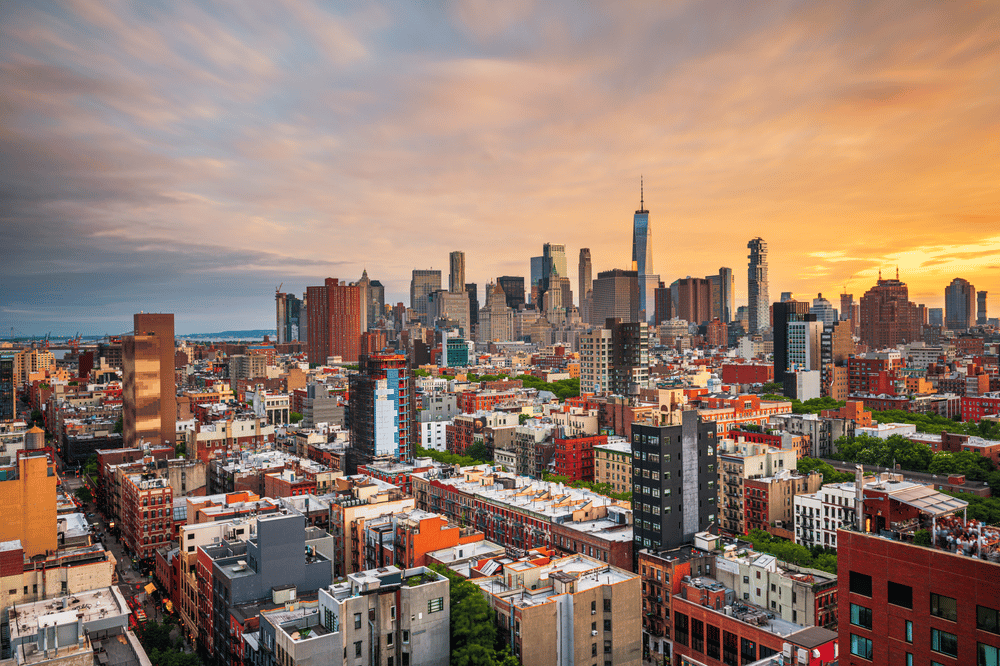
What We Love About the East Village
The neighborhood rewards wandering.
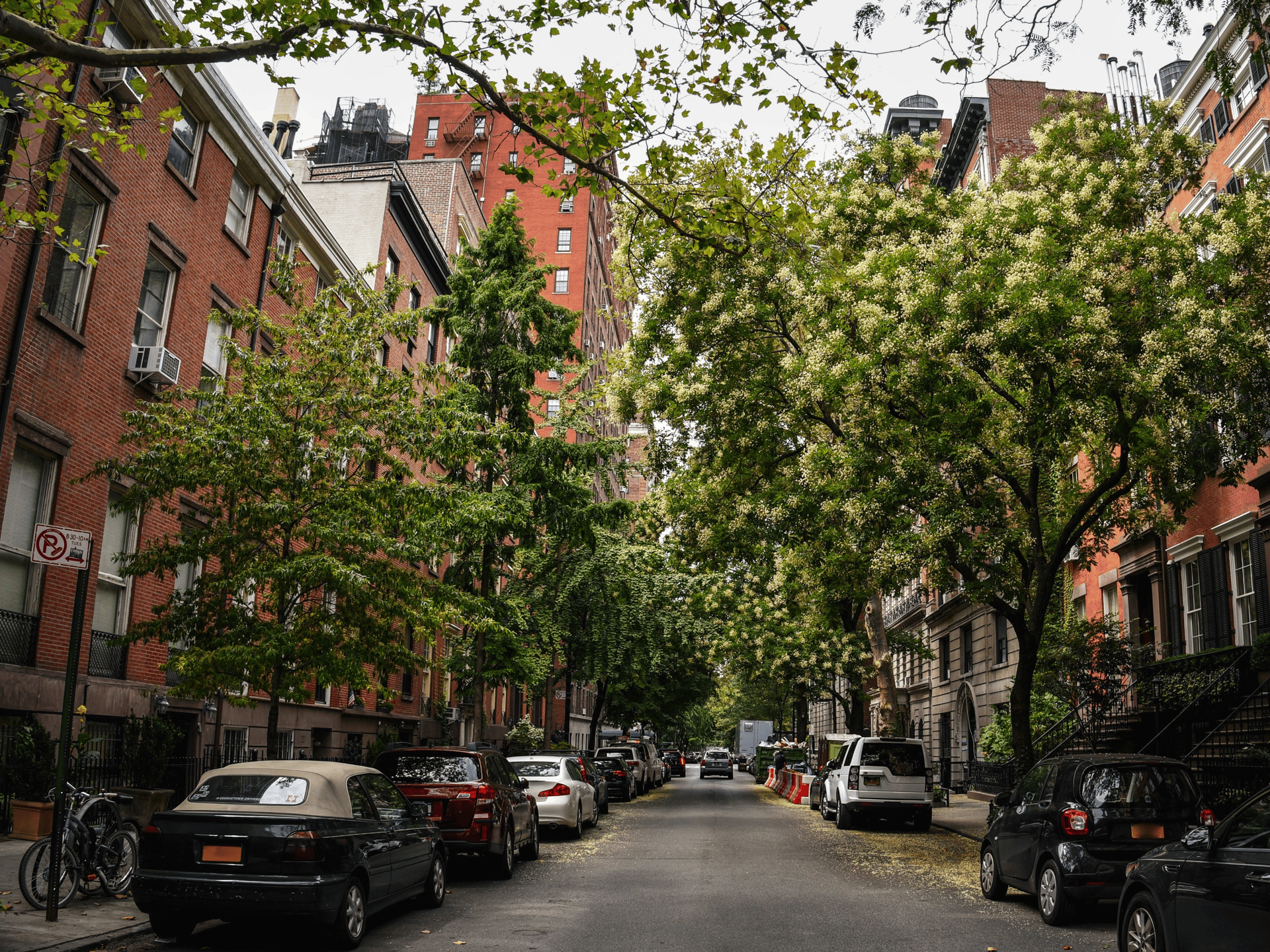
Unlike parts of Manhattan defined by broad avenues and large residential buildings, much of the East Village still feels intimate. Historic walk-ups, rowhouses and tenements line streets filled with restaurants, cafés, bars, independent shops and small cultural institutions.
Each part of the neighborhood has its own character. St. Mark’s Place remains one of downtown Manhattan’s most recognizable streets, while Alphabet City feels more residential as you move east toward Avenues A, B and C. Around East 6th and 7th Streets, the history of Little Ukraine remains an important part of the neighborhood’s identity.
And then there is Tompkins Square Park. More than simply a patch of green, it functions as the neighborhood’s gathering place — somewhere for morning coffee, the Sunday market, dog walks, live music, people-watching or simply sitting under the trees for a while.
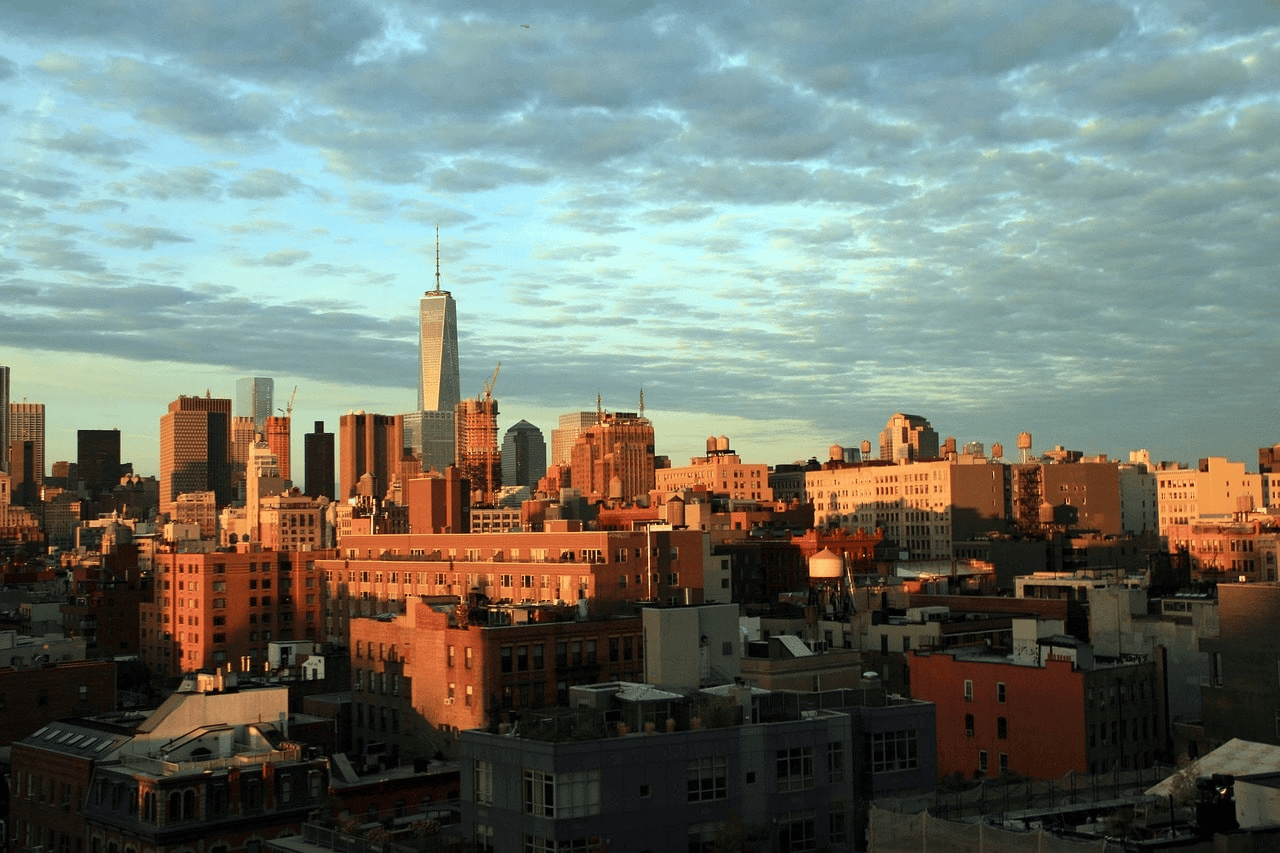
A Few of Our Favorite Places
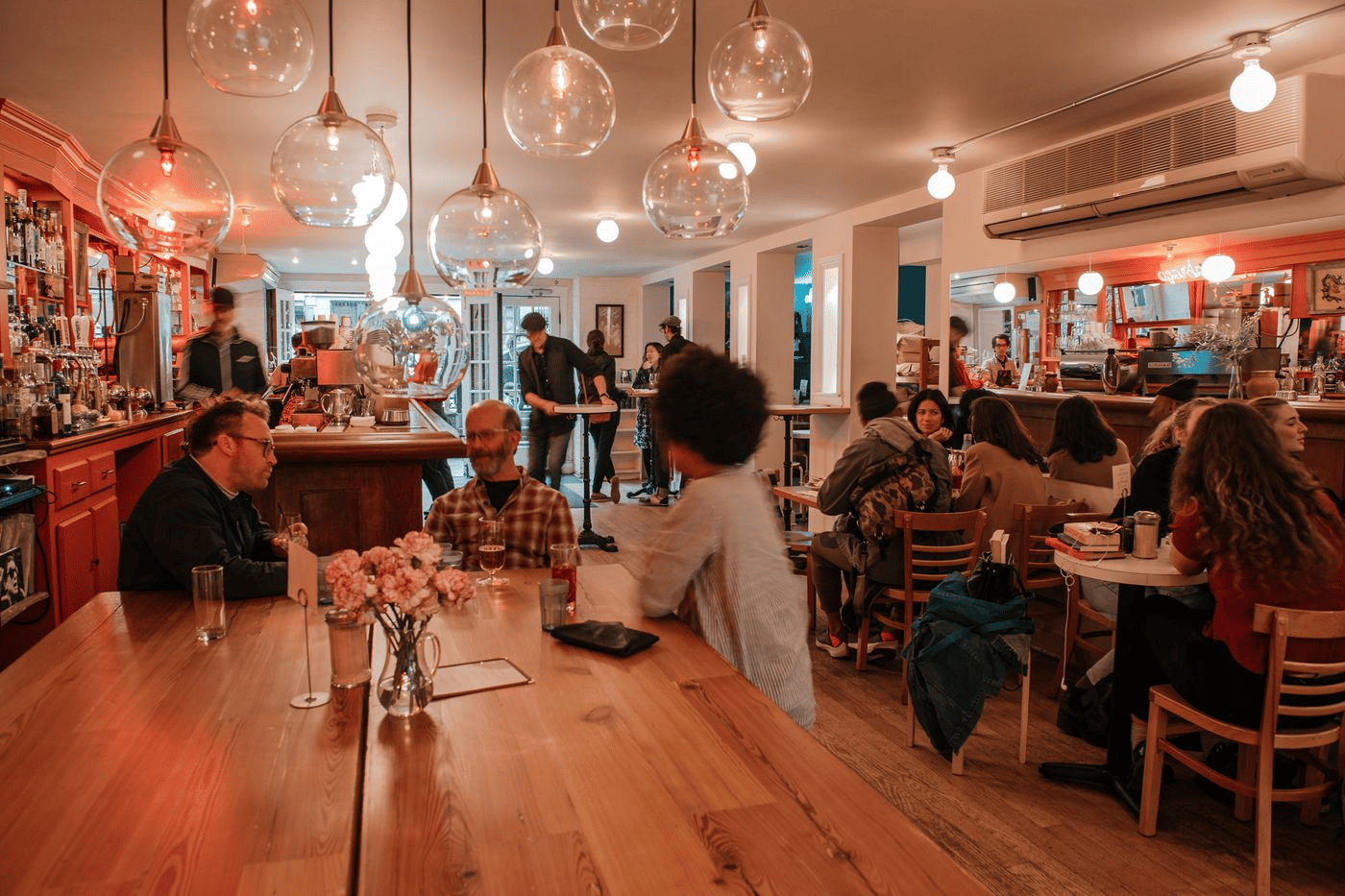
Start with coffee at Abraço
Abraço on East 7th Street is exactly the kind of place that makes the East Village feel like the East Village.
The intimate café is known for seriously good espresso, house-baked pastries and its olive oil cake, with a small space that encourages you to drink your coffee rather than disappear behind a laptop for the afternoon.
It is an easy place to make part of a morning routine before continuing toward Tompkins Square Park.
Take your time on St. Mark’s Place
There may be no street more closely associated with the East Village than St. Mark’s Place.
Its personality has changed many times over the decades, but the mix of restaurants, small shops, bars, historic buildings and constant street life still makes it one of the neighborhood’s most interesting stretches to walk.
Start around Third Avenue and head east toward Tompkins Square Park. The fun is less about any single destination and more about everything you pass along the way.
Where We Like to Eat
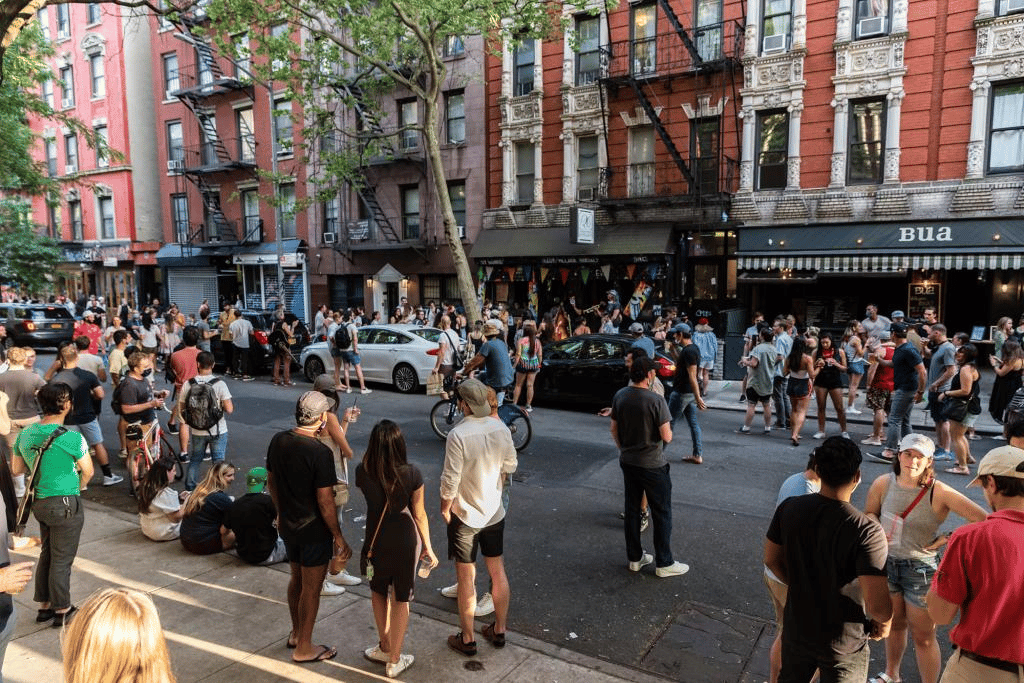
The East Village has one of Manhattan’s most exciting restaurant scenes, and part of its appeal is the range. Michelin-starred cooking, intimate seafood counters, neighborhood bistros, sushi, Greek food and decades-old institutions can all exist within a few blocks of one another.
Claud
For a polished downtown dinner, Claud on East 10th Street is one of our favorites.
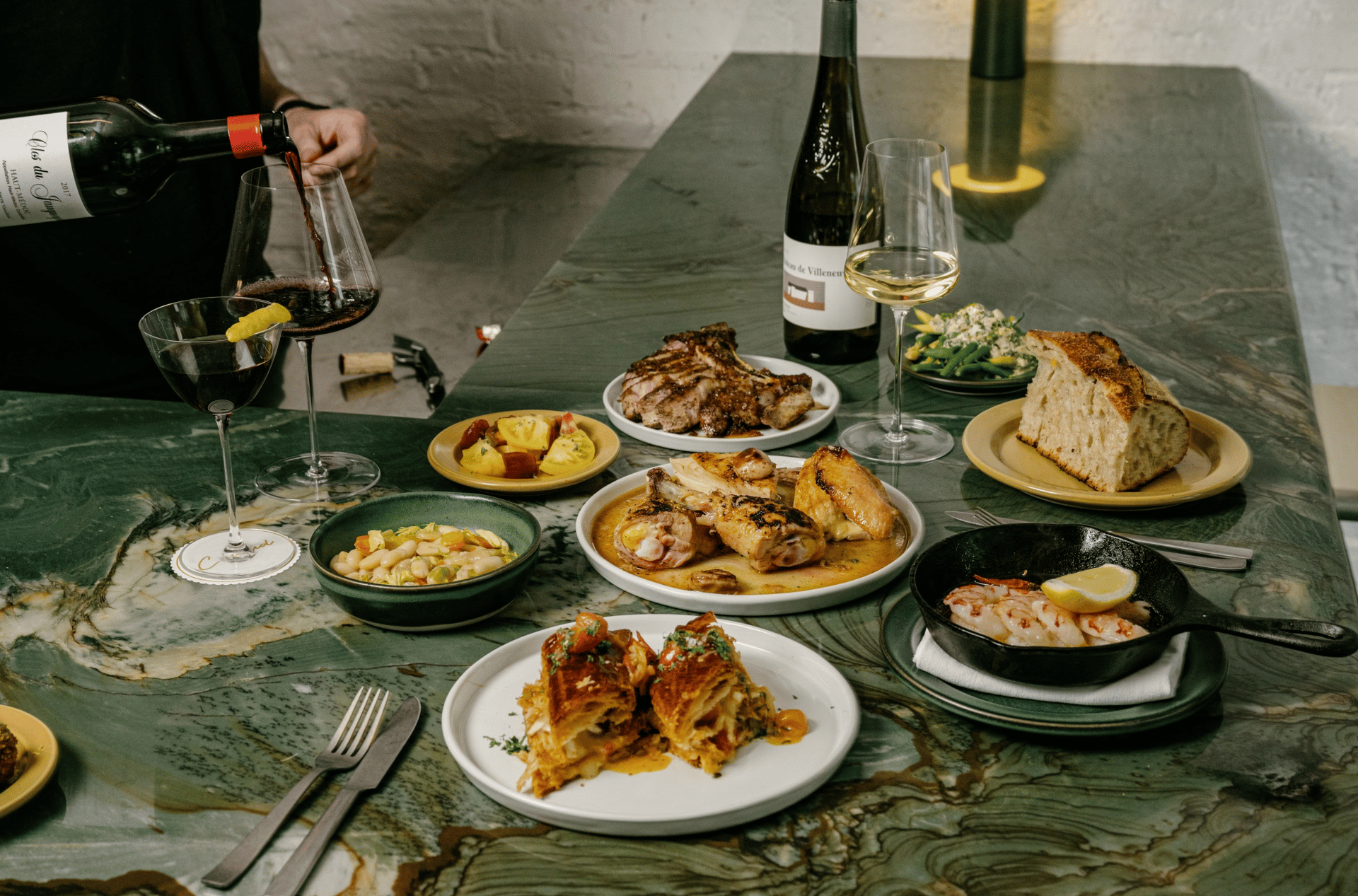
The intimate bistro from Joshua Pinsky and Chase Sinzer combines European influences with seasonal cooking and an especially serious wine program. The room is warm, understated and lively without trying too hard.
It is the kind of restaurant that feels appropriate for a special dinner but relaxed enough that you would happily return simply because you were in the neighborhood.
Tuome
Tucked onto East 5th Street, Tuome brings Michelin-starred cooking to a surprisingly relaxed neighborhood setting.
Chef Thomas Chen’s menu draws heavily on Asian flavors while using contemporary techniques and seasonal ingredients, resulting in dishes that feel creative without losing their sense of comfort.
It is one of those restaurants where sharing several plates is the best approach — especially when dinner can stretch into an evening wandering through Alphabet City afterward.
Penny
For seafood, Penny on East 10th Street is worth planning ahead for.
The intimate seafood counter is built around pristine raw preparations, oysters, crudo and carefully executed cooked dishes, all served across a long counter that puts the kitchen at the center of the experience.
The wine program is equally serious, making it especially good for a date night or a dinner when you want somewhere small, stylish and distinctly downtown.
Rosella
On Avenue A, Rosella takes a thoughtful approach to sushi with a strong focus on sustainability.
Its menu highlights domestic seafood and lesser-used species alongside sushi, crudo and creative small plates, creating something that feels more personal than a traditional sushi restaurant.
The intimate room and chef-facing counter make it particularly well suited to a long dinner close to Tompkins Square Park.
Pylos
Pylos on East 7th Street has been a neighborhood favorite for Greek cooking for years.
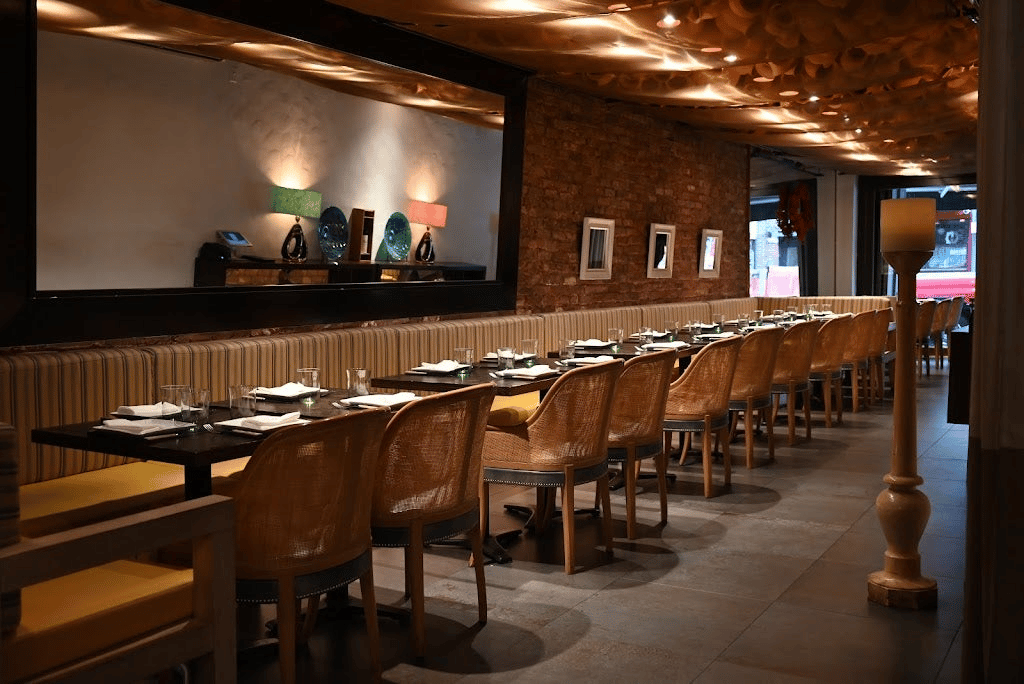
The warm dining room, recognizable ceiling of suspended clay pots and menu of traditional Greek dishes give it a sense of place that feels particularly appropriate for the East Village.
It is polished without being overly formal and equally good for a leisurely dinner with friends or a quieter date night.
For something more classic: Veselka
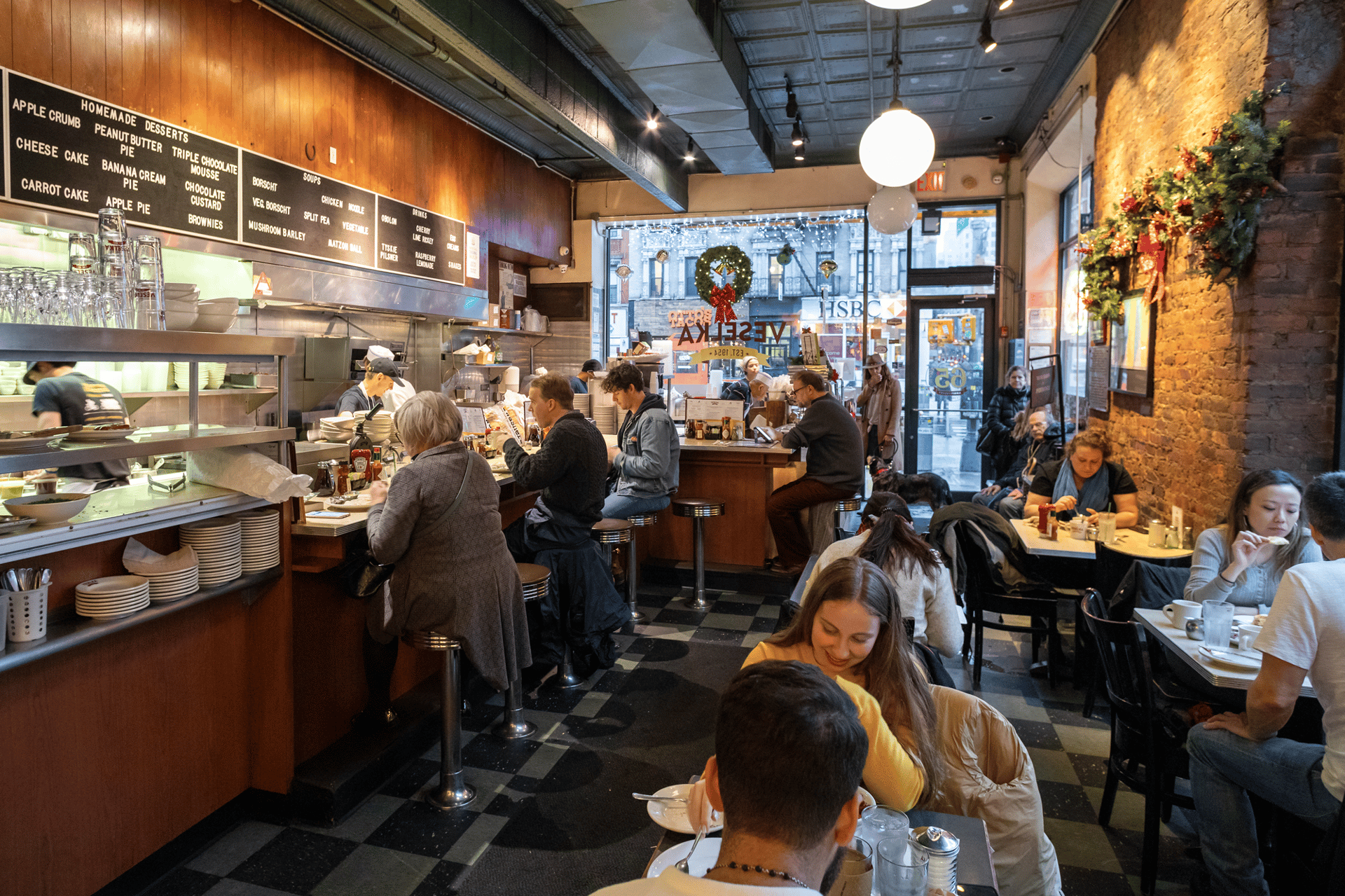
Few restaurants are as closely connected to the East Village as Veselka.
Founded by Ukrainian immigrants in 1954, the Second Avenue institution has become known for pierogi, borscht, potato pancakes and the kind of comforting food that works just as well late at night as it does for lunch.
The neighborhood around it has changed enormously, but Veselka remains an important connection to the East Village’s Ukrainian history.
Culture from East 4th Street to Little Ukraine
The East Village’s cultural life has always existed outside the traditional museum model.
Experimental theater, independent film, poetry, dance and immigrant history are woven into relatively small spaces throughout the neighborhood, making it easy to find something interesting without heading to one of Manhattan’s larger cultural districts.
The Ukrainian Museum
Located on East 6th Street in Little Ukraine, The Ukrainian Museum is one of the neighborhood’s most important cultural institutions.
Its exhibitions explore Ukrainian art, history and cultural heritage, from traditional folk arts and textiles to modern and contemporary work.
It is a particularly meaningful stop for understanding a part of the East Village that remains central to the neighborhood’s identity.
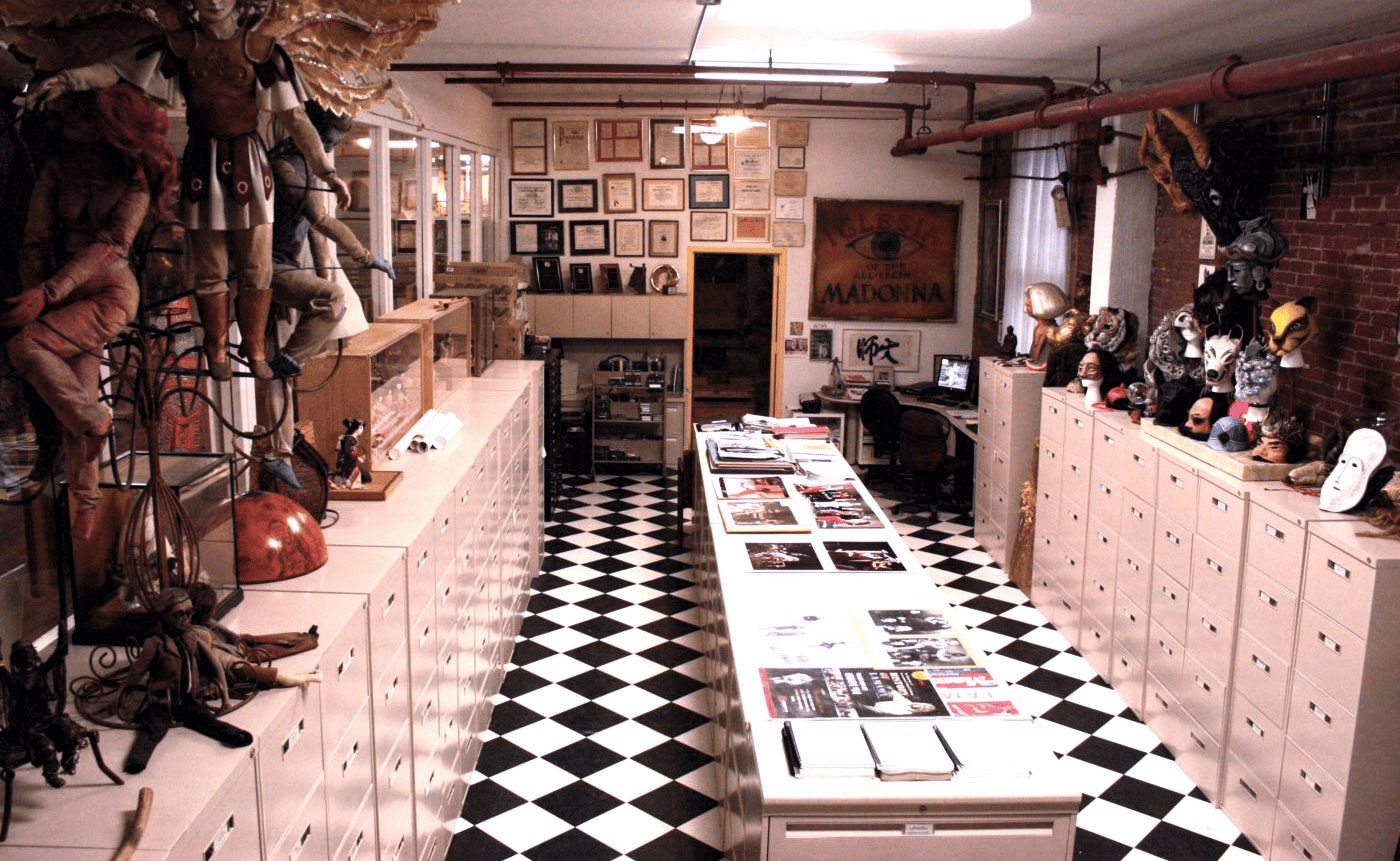
La MaMa Experimental Theatre Club
La MaMa has been part of the East Village since 1961 and remains one of New York’s great homes for experimental performance.
Founded by Ellen Stewart, the organization has spent decades supporting artists working across theater, dance, music and interdisciplinary performance.
Its theaters on East 4th Street continue the neighborhood’s long tradition of giving unconventional ideas somewhere to begin.
Anthology Film Archives
For film, Anthology Film Archives on Second Avenue is one of downtown Manhattan’s essential institutions.
Founded in 1970, Anthology is dedicated particularly to independent, experimental and avant-garde cinema, combining screenings with film preservation and archival work.
Its programming makes it the kind of place where you can walk in knowing almost nothing about what is showing and leave having seen something you would be unlikely to encounter anywhere else.
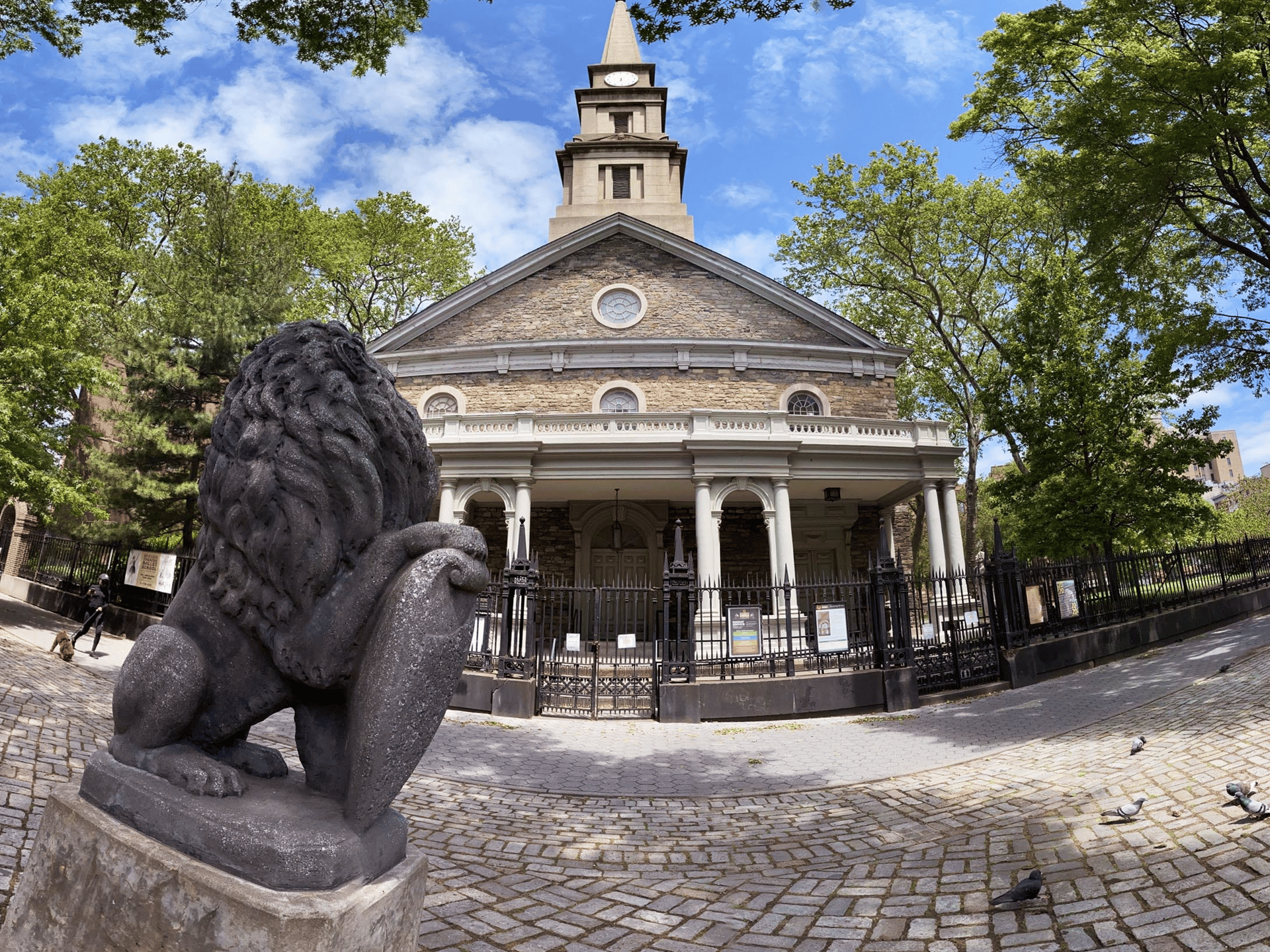
St. Mark’s Church in-the-Bowery
St. Mark’s Church in-the-Bowery brings together several layers of East Village history in one place.
The present church dates to the end of the 18th century, but over time the landmark has also become deeply connected to downtown poetry, dance and performance.
Today, the church remains both an active place of worship and a cultural home for organizations including The Poetry Project and Danspace Project.
When You Want a Drink
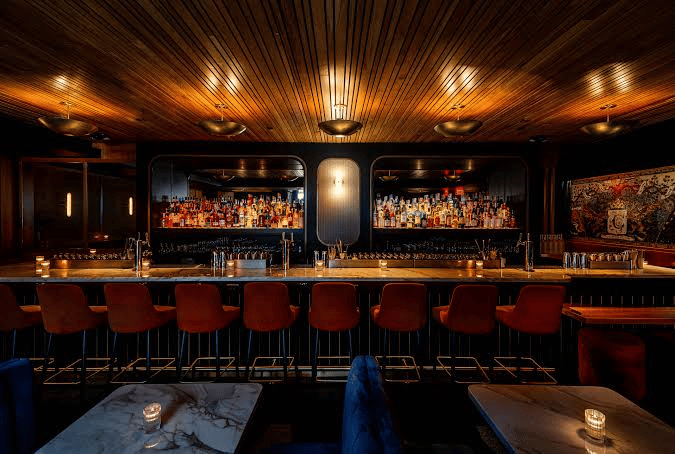
Death & Co
There are countless places for a drink in the East Village, but Death & Co remains one of the neighborhood’s defining cocktail bars.
The original East 6th Street location opened in 2006 and became highly influential in New York’s modern cocktail scene.
Inside, the room is dark, intimate and purposefully understated, while the cocktails remain the reason to come.
It is our pick for a proper East Village nightcap.
Get Outside
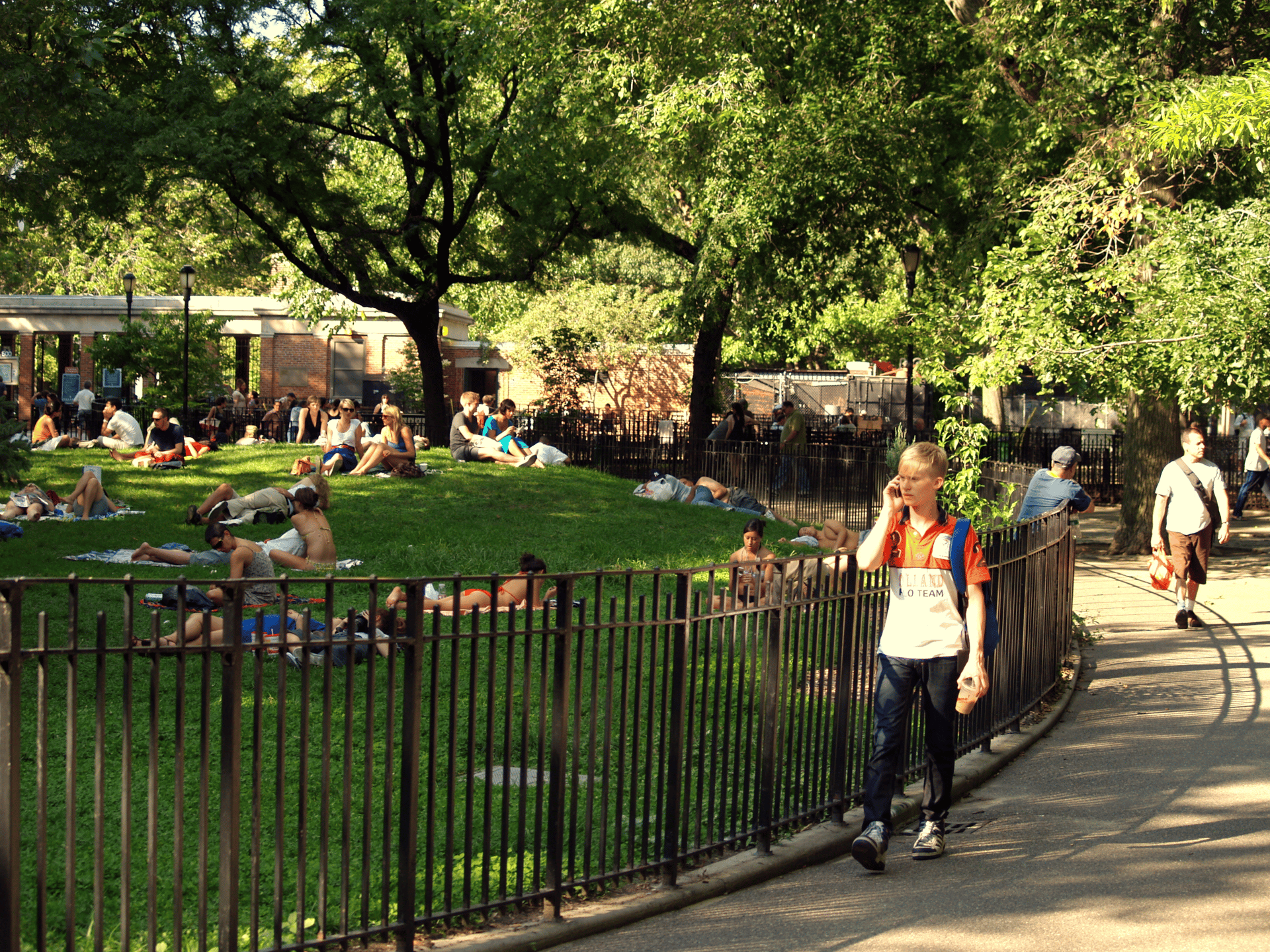
Tompkins Square Park
Tompkins Square Park is the heart of the East Village.
The 10.5-acre park sits between Avenues A and B and has long served as a gathering place for the surrounding neighborhood. Today, its lawns, playgrounds, basketball and handball courts, dog run and shaded paths make it part of everyday life here.
On Sundays, the Greenmarket brings another layer of neighborhood activity to the park, while warm afternoons are best spent with coffee or something to eat from one of the nearby restaurants.
The real pleasure is simply sitting for a while and watching the East Village pass by.
The Community Gardens
Some of the East Village’s most special outdoor spaces are much smaller.
Community gardens are scattered throughout the neighborhood, particularly toward Alphabet City, where residents transformed vacant lots into gardens, gathering spaces and venues for neighborhood events.
6th & B Garden and the gardens along East 6th Street are particularly worth noticing when their gates are open. Filled with mature plants, flowers and quiet seating areas, they offer an entirely different side of the East Village only steps from its busiest streets.
Streets Worth Wandering
Some of the best East Village afternoons begin without much of a destination.
East 7th Street is a favorite for restaurants, cafés and historic residential buildings, while East 10th Street becomes especially beautiful around Tompkins Square Park, where rows of 19th-century houses give the blocks a more intimate feel.
St. Mark’s Place is busier and more eclectic, while East 4th Street carries much of the neighborhood’s experimental theater history.
Farther east, Avenues A, B and C introduce another version of the neighborhood. Alphabet City has its own collection of restaurants, community gardens, bars and residential streets, and the pace can feel noticeably more local once you move away from the larger avenues.
Part of the appeal is that the East Village never feels entirely consistent — and that is exactly the point.
Our East Village Shortlist
- For coffee: Abraço
- For a special dinner: Tuome
- For a downtown bistro: Claud
- For seafood: Penny
- For sushi: Rosella
- For Greek: Pylos
- For a neighborhood classic: Veselka
- For a cocktail: Death & Co
- For Ukrainian culture: The Ukrainian Museum
- For experimental theater: La MaMa
- For independent film: Anthology Film Archives
- For poetry and performance: St. Mark’s Church in-the-Bowery
- For people-watching: Tompkins Square Park
- For a walk: St. Mark’s Place
- For something quieter: the community gardens
Living in the East Village
Residentially, the East Village feels more intimate than many Manhattan neighborhoods.
Walk-ups, tenement buildings and historic rowhouses still define much of the streetscape, particularly on the side streets and throughout Alphabet City. Their smaller scale is an important part of what gives the neighborhood its distinctive downtown character.
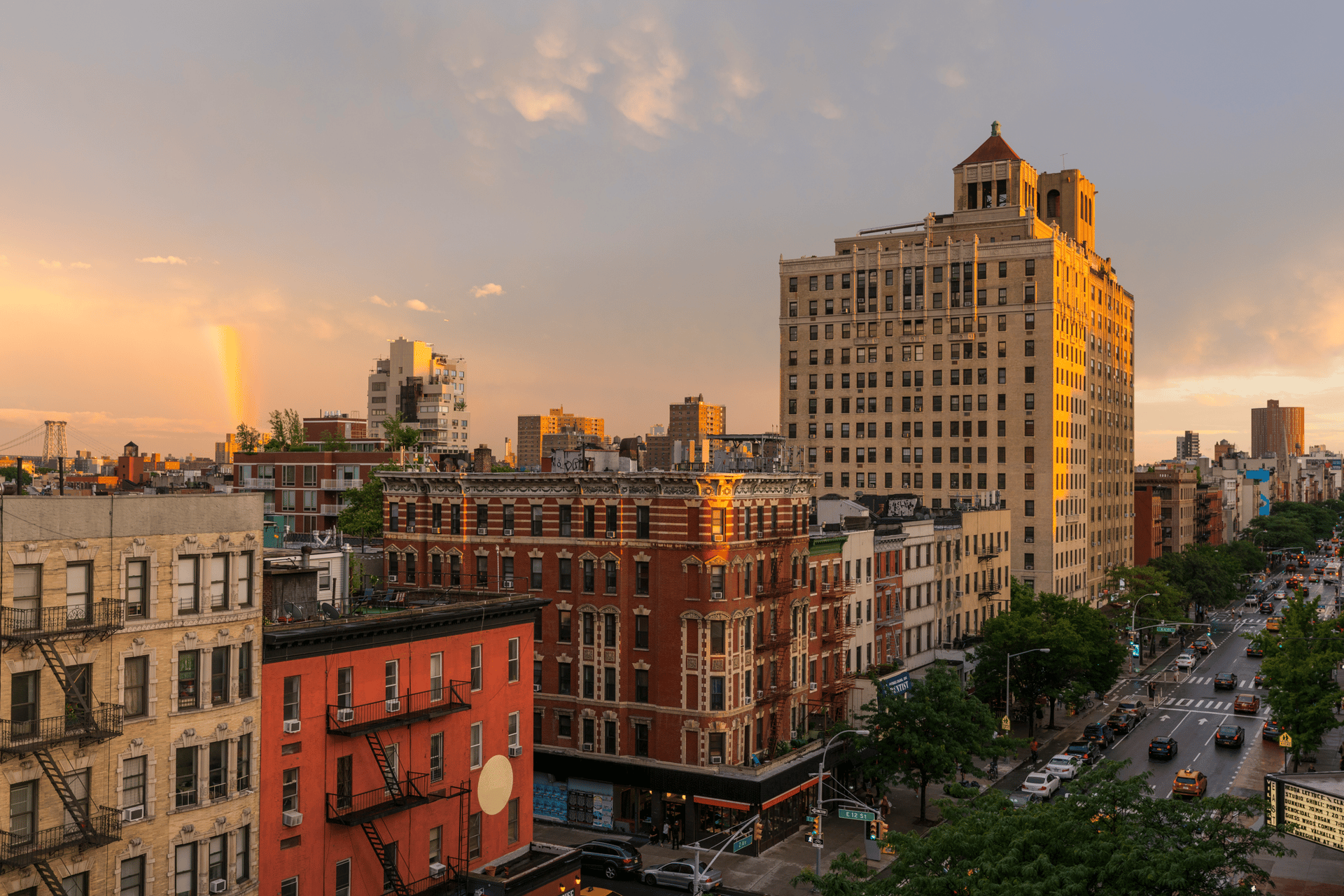
There are also larger prewar apartment buildings, converted properties and an increasing number of contemporary condominiums, particularly closer to the Bowery, Third Avenue and some of the neighborhood’s wider corridors.
What connects all of it is what happens immediately outside the apartment: restaurants, cafés, bars, theaters, galleries, community gardens and Tompkins Square Park are woven into a neighborhood compact enough that much of daily life happens on foot.
The Real Estate
East Village real estate reflects the same variety and character found on its streets.
Much of the neighborhood’s traditional housing stock consists of historic walk-ups, tenement buildings and smaller prewar properties, often with more intimate layouts and the architectural character associated with downtown Manhattan’s older residential blocks.
Historic rowhouses add another layer, particularly along quieter side streets and around sections of East 10th Street, where the scale can feel surprisingly residential.
There are also loft-style spaces and converted buildings throughout the neighborhood, offering a different downtown aesthetic with open layouts, exposed materials and less conventional floor plans.
Newer condominium development has added contemporary options, particularly around the Bowery, Third Avenue and the neighborhood’s major corridors. These residences are more likely to offer larger windows, modern finishes, elevators, private outdoor space and full-service amenities.
From historic East Village walk-ups and rowhouses to lofts and contemporary luxury condominiums, the neighborhood offers a remarkably varied collection of homes within one of downtown Manhattan’s most distinctive settings.
Find a Home in the East Village
Whether you are drawn to a historic walk-up on a tree-lined side street, a loft-style downtown residence or a contemporary condominium with modern amenities, explore what is currently available across the East Village.