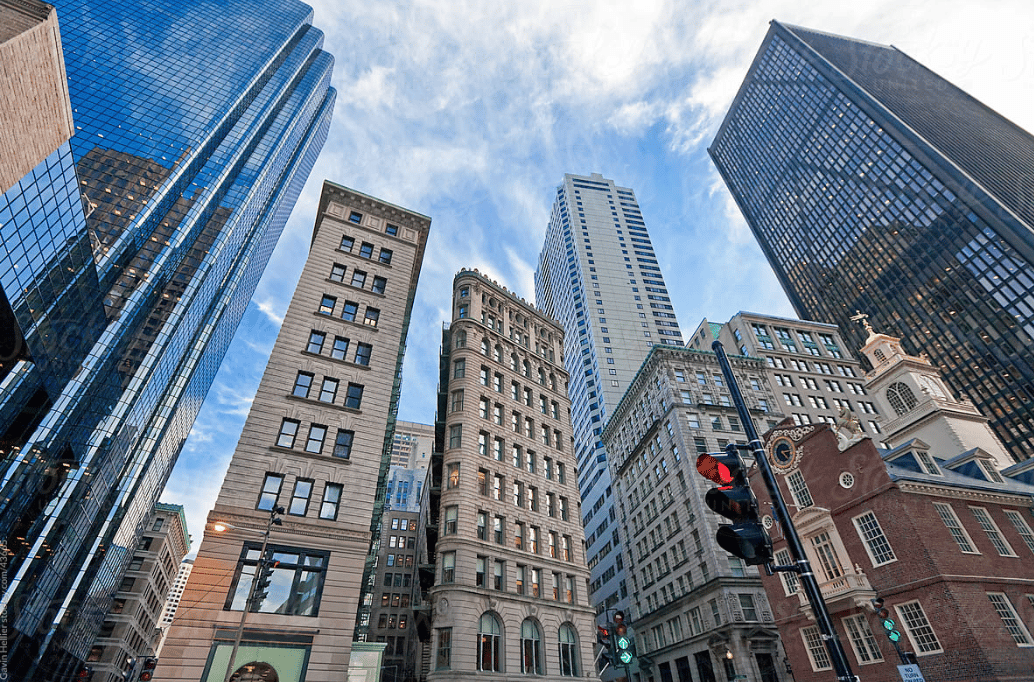
Old New York beneath the skyline: landmark towers, cobblestone streets, historic institutions, harbor views and a neighborhood that has evolved far beyond the traditional Wall Street workday.
The Financial District is where some of Manhattan’s oldest streets meet some of its tallest buildings. Wall Street, Federal Hall and centuries-old blocks sit beneath Art Deco towers and contemporary skyscrapers, while the edges of the neighborhood open toward New York Harbor and the East River.
For years, FiDi was thought of primarily as a place to work. That version of the neighborhood still exists, but it is no longer the whole story. Office buildings have become residences, destination restaurants have moved downtown, waterfront parks have been transformed and thousands of people now experience these streets as a neighborhood rather than simply a business district.
Spend enough time here and you quickly find your own routine: coffee inside a former bank, a walk through the narrow streets around Wall Street, lunch somewhere hidden between office towers, an evening at one of downtown’s best restaurants or a walk through The Battery as the ferries cross the harbor.
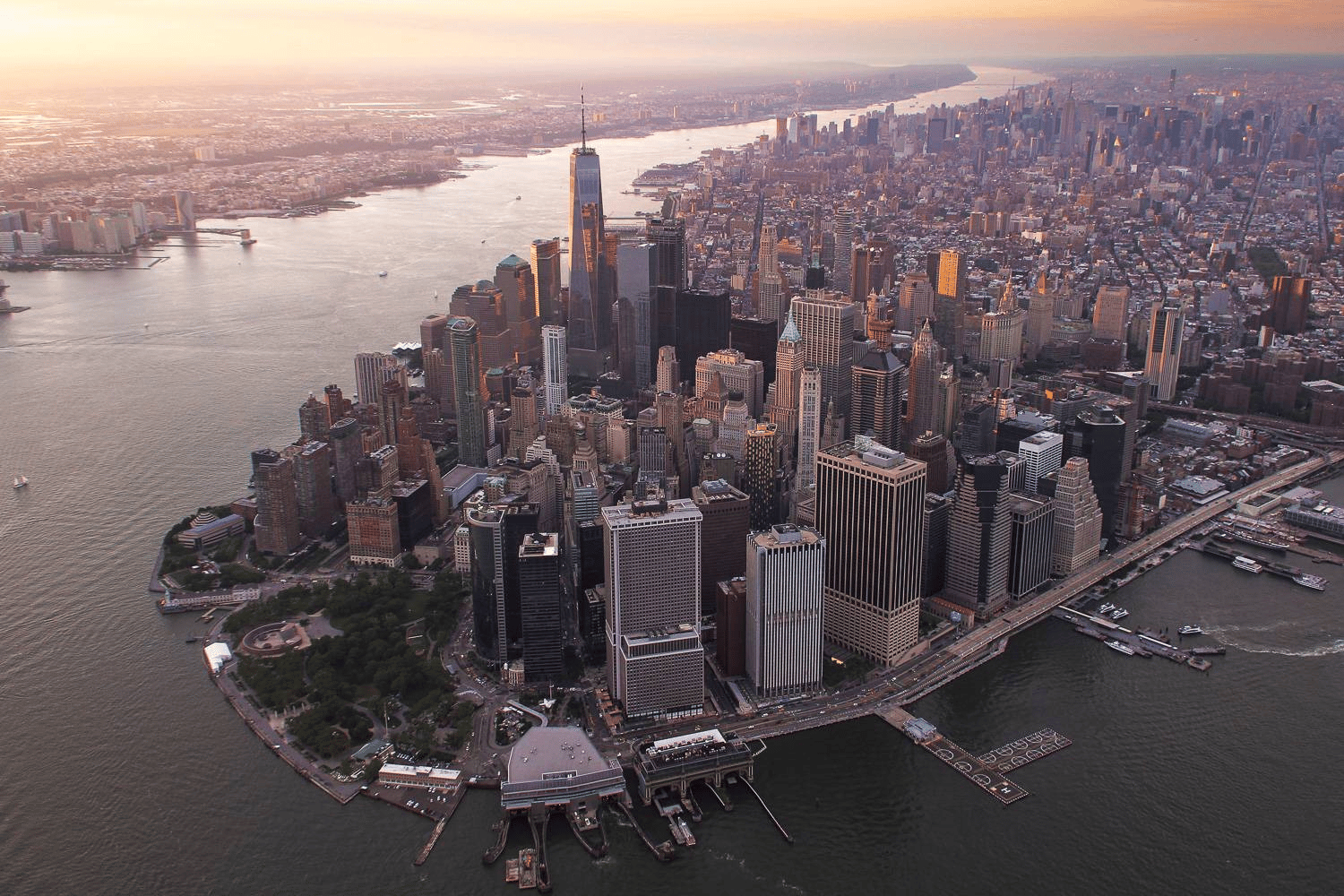
The architecture is an obvious place to start.
The Financial District does not follow the orderly Manhattan grid found farther uptown. Streets curve, narrow unexpectedly and meet at unusual angles, reflecting a part of the city that developed centuries before much of modern Manhattan.
That creates some of New York’s most dramatic streetscapes. Historic stone façades and former bank buildings sit at the base of skyscrapers, while Wall Street, Broad Street and Exchange Place can feel almost canyon-like between the buildings around them.
Then there is the waterfront. Walk only a few minutes from the center of Wall Street and the neighborhood opens completely toward The Battery, New York Harbor and the East River. That combination of extraordinary density and immediate access to open water is one of FiDi’s greatest surprises.
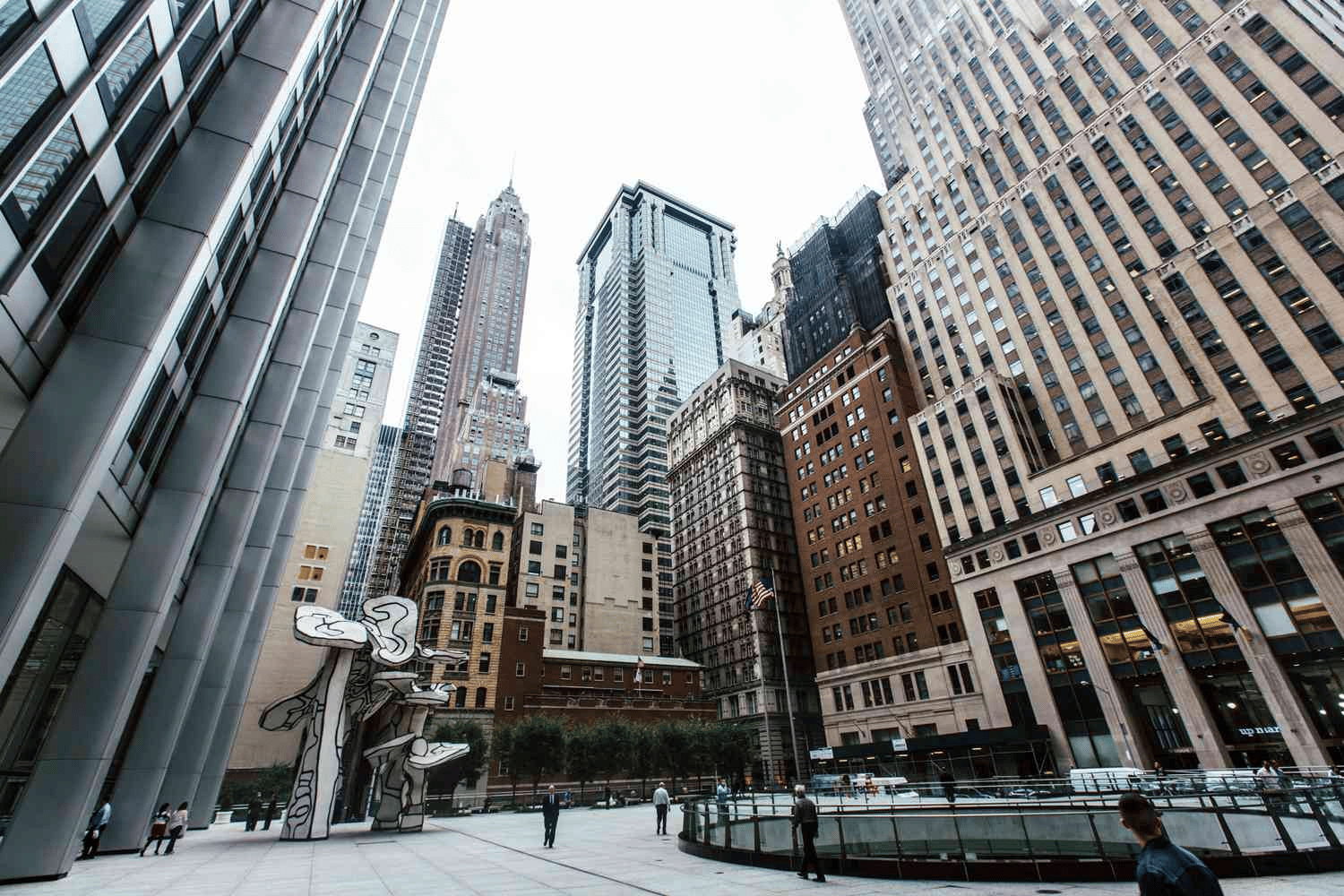
Conwell Coffee Hall on Hanover Street might be one of the most atmospheric places in the neighborhood to start the morning.
Set inside a historic Art Deco bank, the soaring room retains the scale and architectural drama of its original use while functioning as a café during the day.
Come for espresso, take in the room and then continue toward Wall Street, Stone Street or The Battery. It is the kind of place that makes even a quick coffee feel particularly downtown.
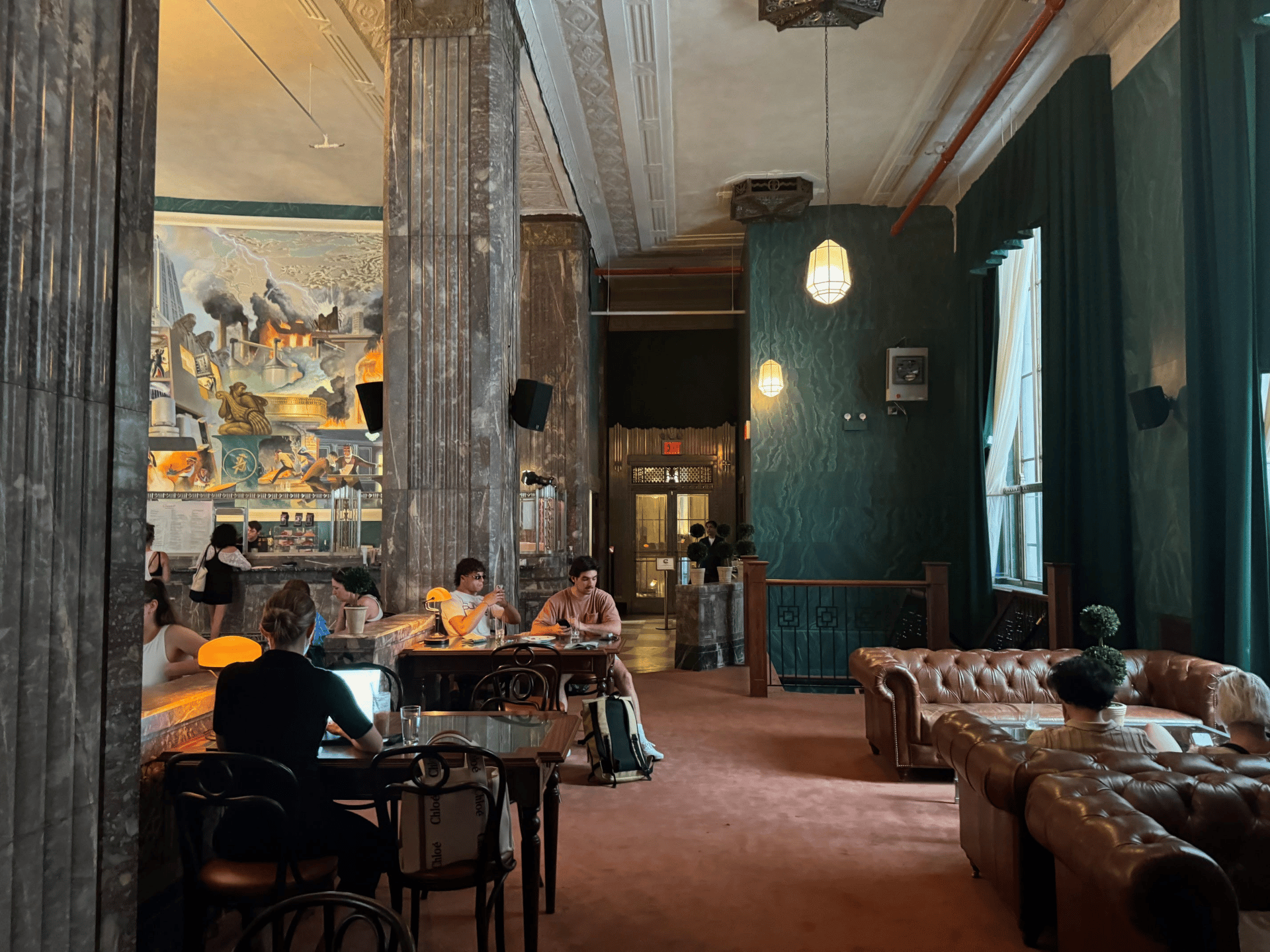
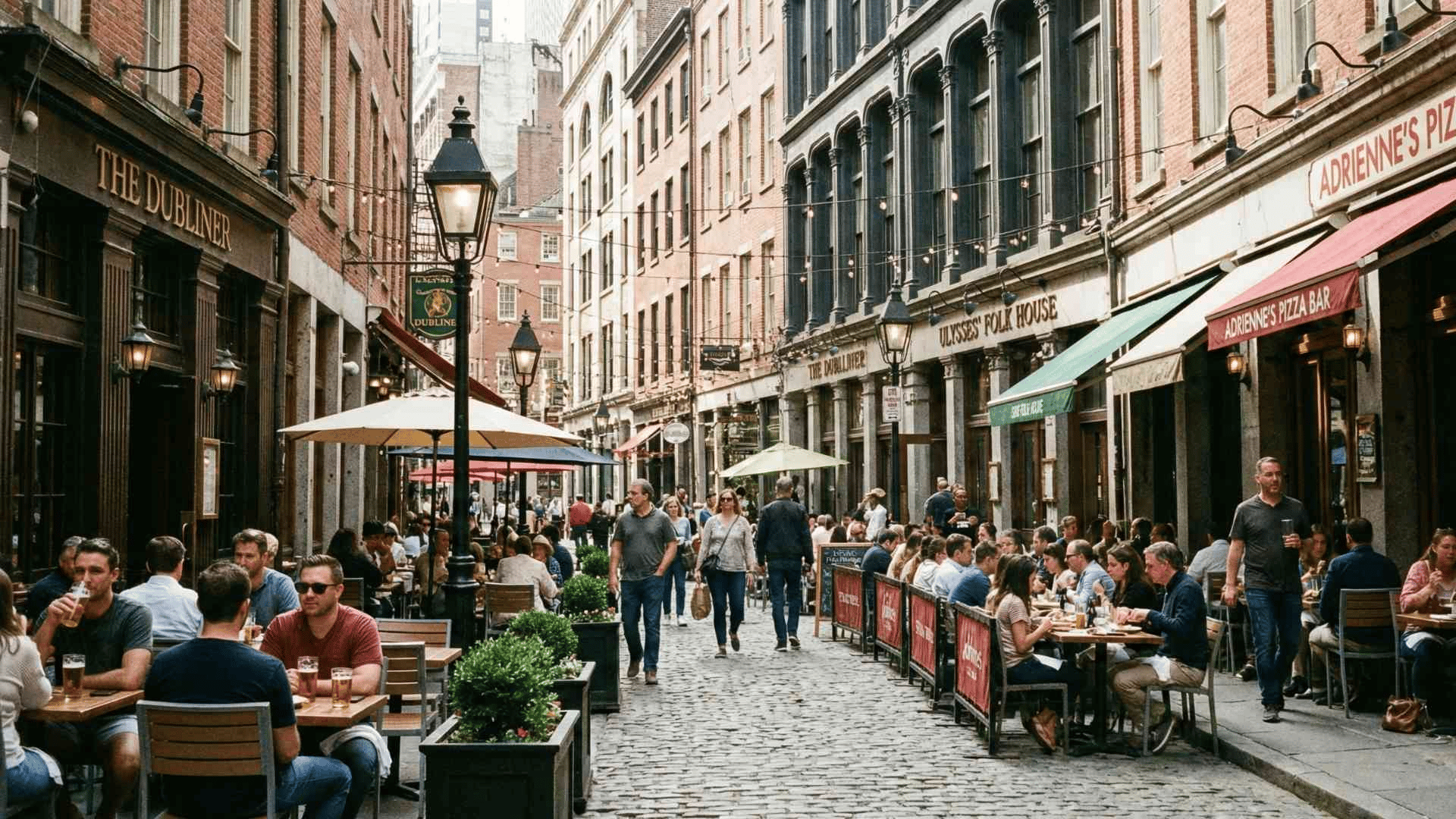
Stone Street is a reminder that Lower Manhattan existed long before the skyscrapers surrounding it.
The narrow cobblestone street sits within a designated historic district, lined with restored 19th-century buildings that create an unexpected change of scale only a few blocks from Wall Street.
During warmer months, tables spill into the street and the entire block becomes noticeably livelier.
Go earlier if you want to appreciate the architecture; come back later if you want the atmosphere.
The Financial District has quietly become one of downtown Manhattan’s strongest dining neighborhoods.
There are Michelin-starred restaurants inside landmark skyscrapers, elegant dining rooms overlooking the harbor, historic steakhouses and polished hotel restaurants — alongside the lunch counters and casual places that keep the neighborhood running during the day.
For a special dinner, Crown Shy is one of FiDi’s defining restaurants.
Located on the ground floor of the landmark 70 Pine Street, the Michelin-starred restaurant combines fine-dining technique with flavors influenced by New York’s international food culture.
The room feels energetic rather than overly formal, and the menu is designed in a way that makes sharing several dishes particularly appealing.
It is sophisticated enough for an occasion but relaxed enough that it still feels like a neighborhood restaurant.
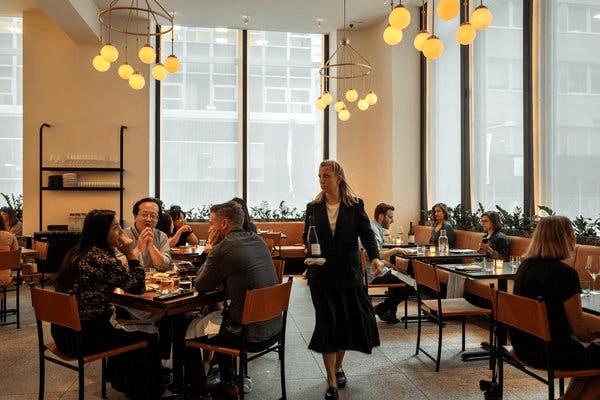
Few restaurants make better use of the Financial District skyline than Manhatta.
Set on the 60th floor of 28 Liberty Street, the restaurant pairs contemporary New York cooking with sweeping views across the city, rivers and harbor.
The setting could easily overwhelm the food, but that is not the point here. Manhatta works because the restaurant itself feels considered — polished service, a serious kitchen and a dining room that allows the view to remain part of the experience without becoming the entire experience.
Come before sunset if you can.
For old New York, Delmonico’s is difficult to replace.
The restaurant’s history on Beaver Street dates to the 19th century, and the name has been tied to American fine dining for generations.
Today, the restored dining room leans into that history with steaks, seafood, classic preparations and the kind of atmosphere that still feels appropriate for a long business lunch or celebratory dinner.
In a neighborhood constantly reinventing old commercial buildings, there is something particularly satisfying about eating somewhere whose identity is so closely connected to the streets around it.
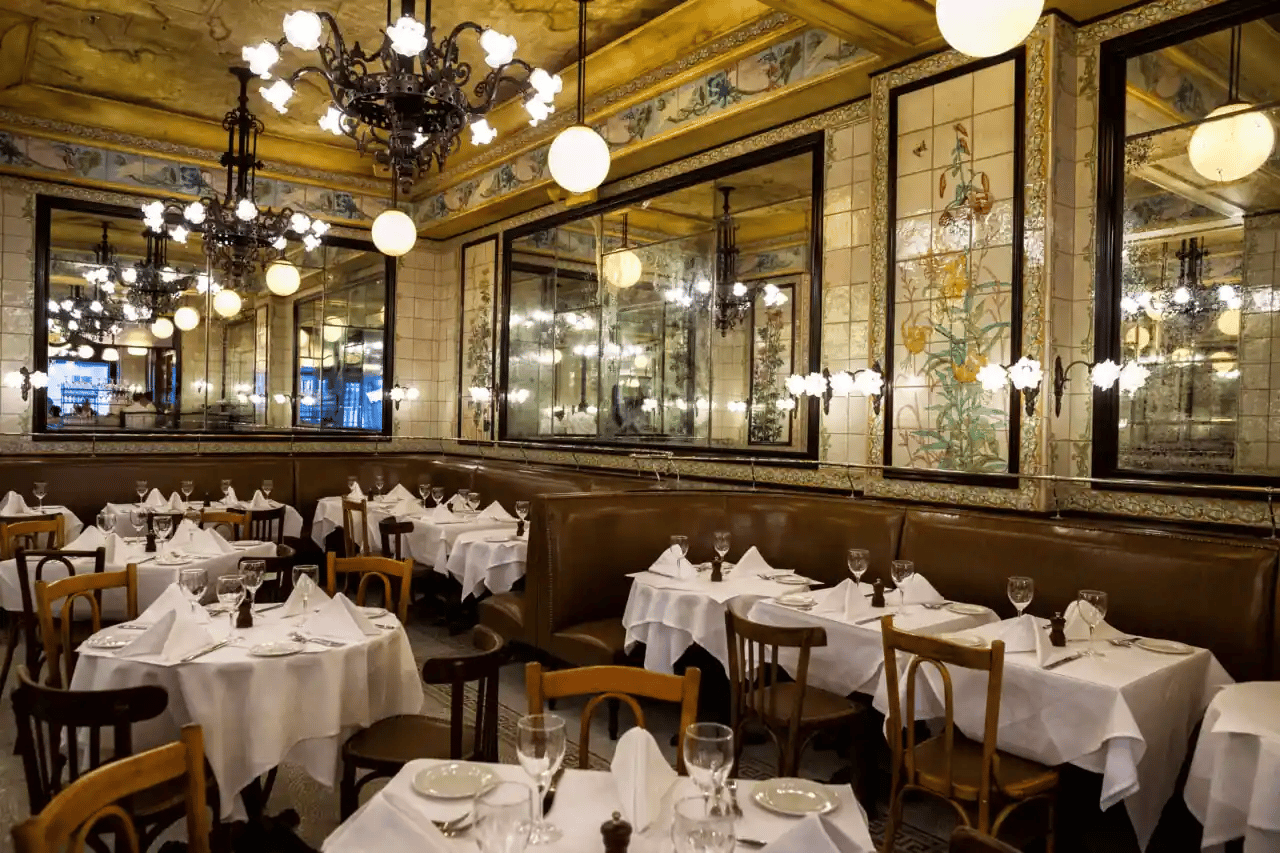
Inside The Beekman, Le Gratin brings Daniel Boulud’s interpretation of a traditional Lyonnais bouchon to Lower Manhattan.
The restaurant draws inspiration from the casual bistros of Lyon, with French classics, charcuterie, steak, seasonal dishes and, naturally, gratin dauphinois.
The beautiful historic setting helps, but the atmosphere remains warm rather than overly formal.
It is particularly good for lunch or an early dinner before continuing deeper into the neighborhood.
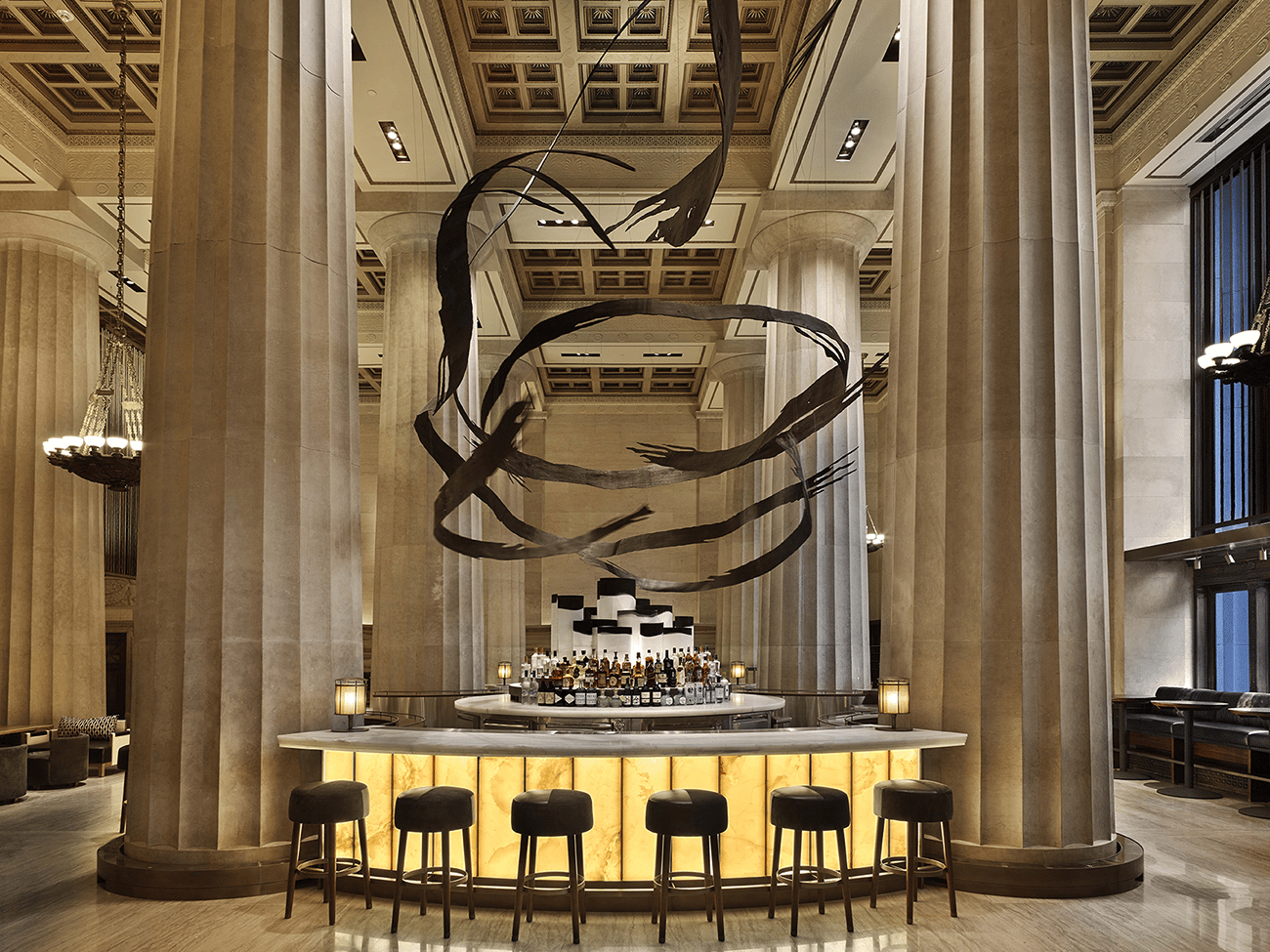
Inside the landmark building at 195 Broadway, Nobu Downtown gives one of New York’s most recognizable restaurant names an appropriately dramatic Lower Manhattan setting.
The menu combines Nobu signatures — sushi, sashimi, black cod miso and Japanese dishes influenced by Peruvian flavors — with the polished service and atmosphere associated with the restaurant.
It works particularly well for a client lunch, celebration or dinner when you want somewhere that feels distinctly more occasion-driven.
Not every FiDi meal needs a reservation.
Pisillo Italian Panini on Nassau Street is one of the neighborhood’s best answers when you simply want a very good sandwich.
The enormous Italian panini are built around imported meats, cheeses and vegetables on crusty bread and are substantial enough that sharing is often entirely reasonable.
It is especially popular around lunch, but that is part of the experience — FiDi still knows how to do a proper workday sandwich.
Few Manhattan neighborhoods allow you to move through so many chapters of New York and American history within such a small area.
The story begins long before Wall Street became synonymous with finance, continues through the founding of the United States and reaches into the rebuilding and transformation of Lower Manhattan today.
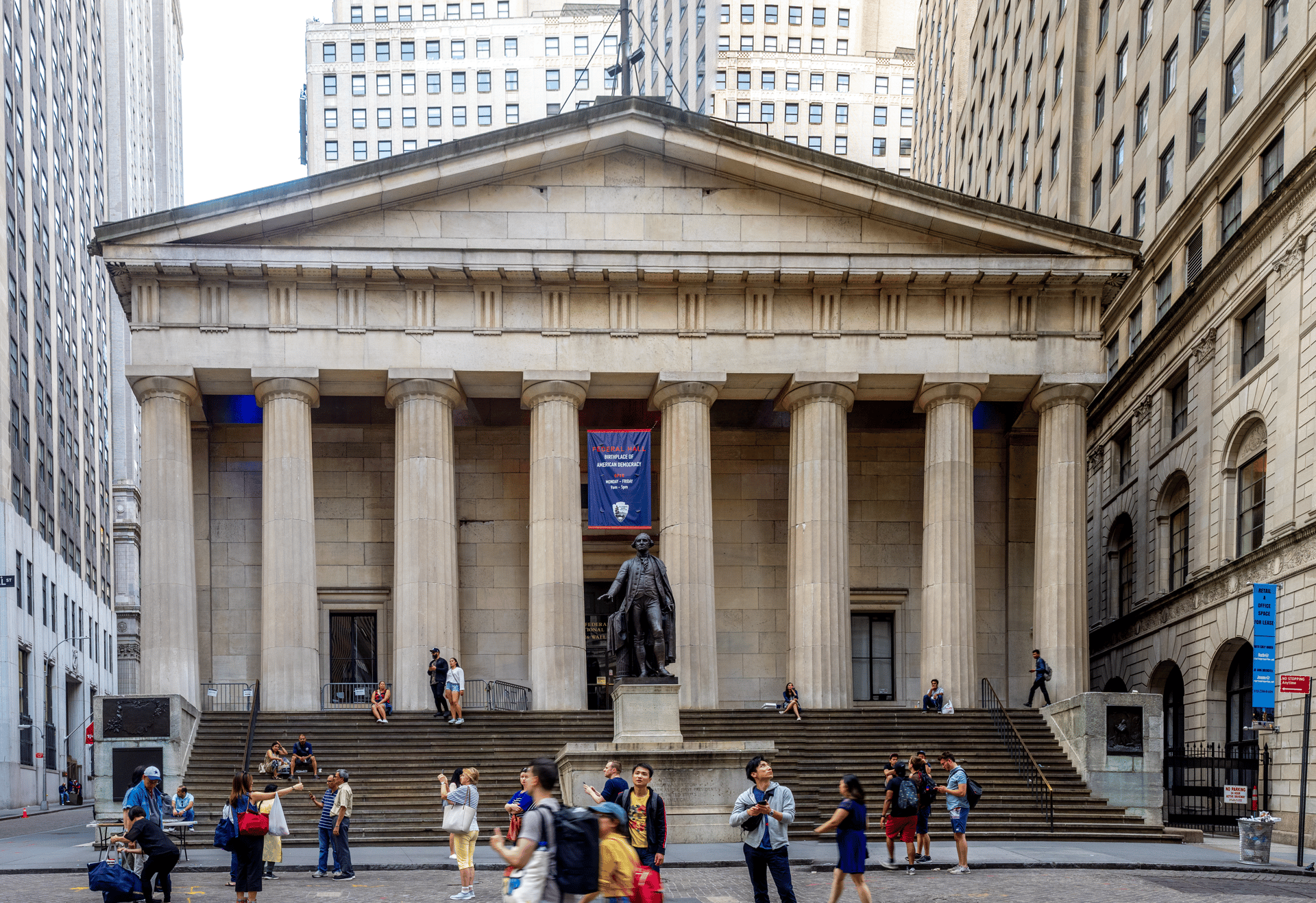
Federal Hall stands on one of the most historically significant sites in New York.
The original building here served as the nation’s first capitol under the Constitution, and George Washington took the oath of office as the first President of the United States on this site in 1789.
The current Greek Revival building dates to the 19th century and now serves as a museum and national memorial.
Standing on its steps while looking across toward the New York Stock Exchange is one of the best ways to understand just how many layers of history are compressed into a single block.
On Pearl Street, Fraunces Tavern offers an entirely different window into early New York.
The building is closely associated with the American Revolutionary era and is best known as the place where George Washington bade farewell to his officers in the Long Room in December 1783.
Today, the museum occupies the upper floors while a tavern and restaurant continue operating below.
It is worth visiting not simply as a historic room but as a reminder that some of the Financial District’s oldest stories remain embedded inside buildings that are still being used.
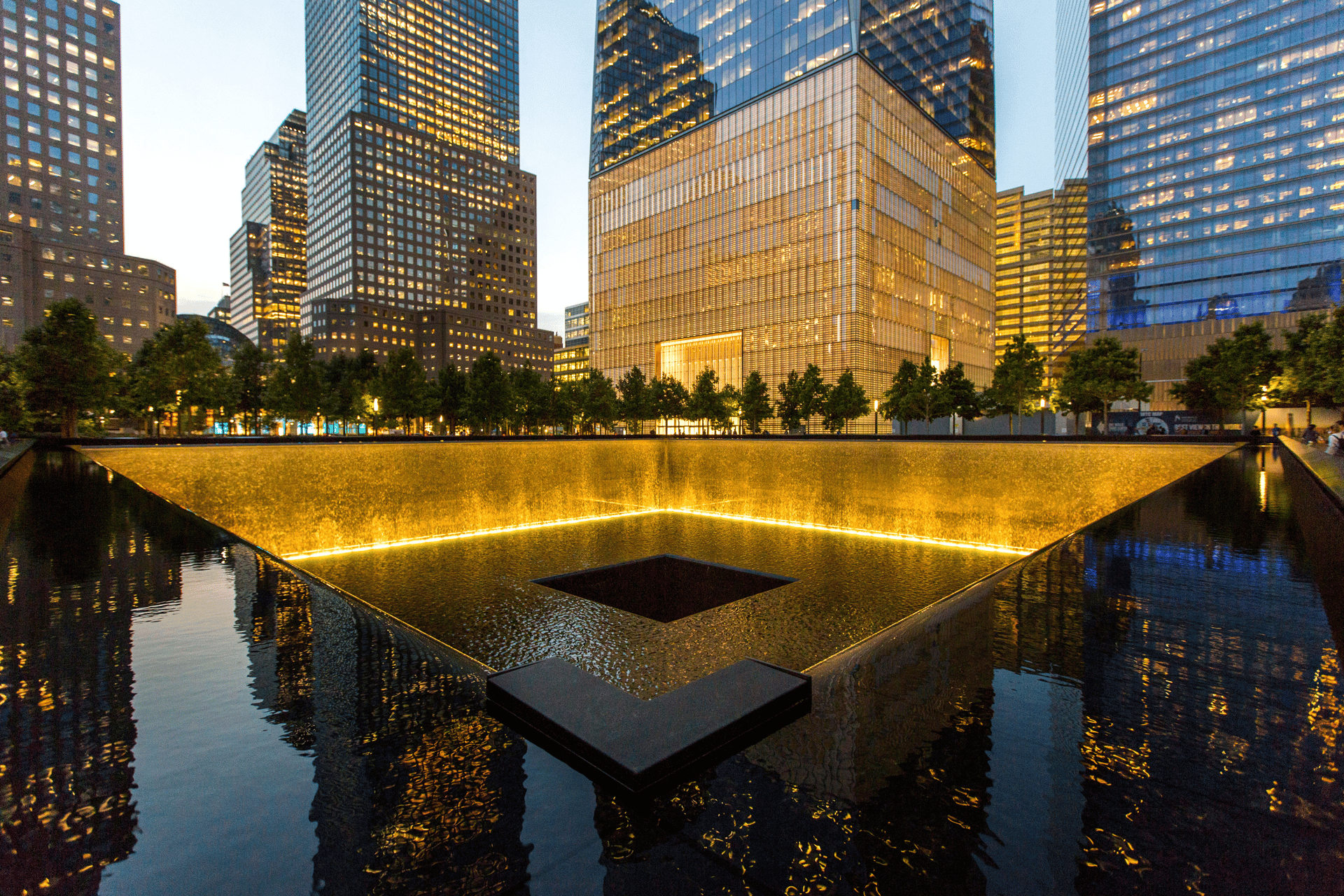
The 9/11 Memorial & Museum is an essential place of remembrance within Lower Manhattan.
The two reflecting pools occupy the footprints of the original Twin Towers, while the museum documents the September 11 attacks, the 1993 World Trade Center bombing, their aftermath and the lives of the people affected.
This is not a stop to rush through or casually add between other activities.
Give it the time and space it deserves.
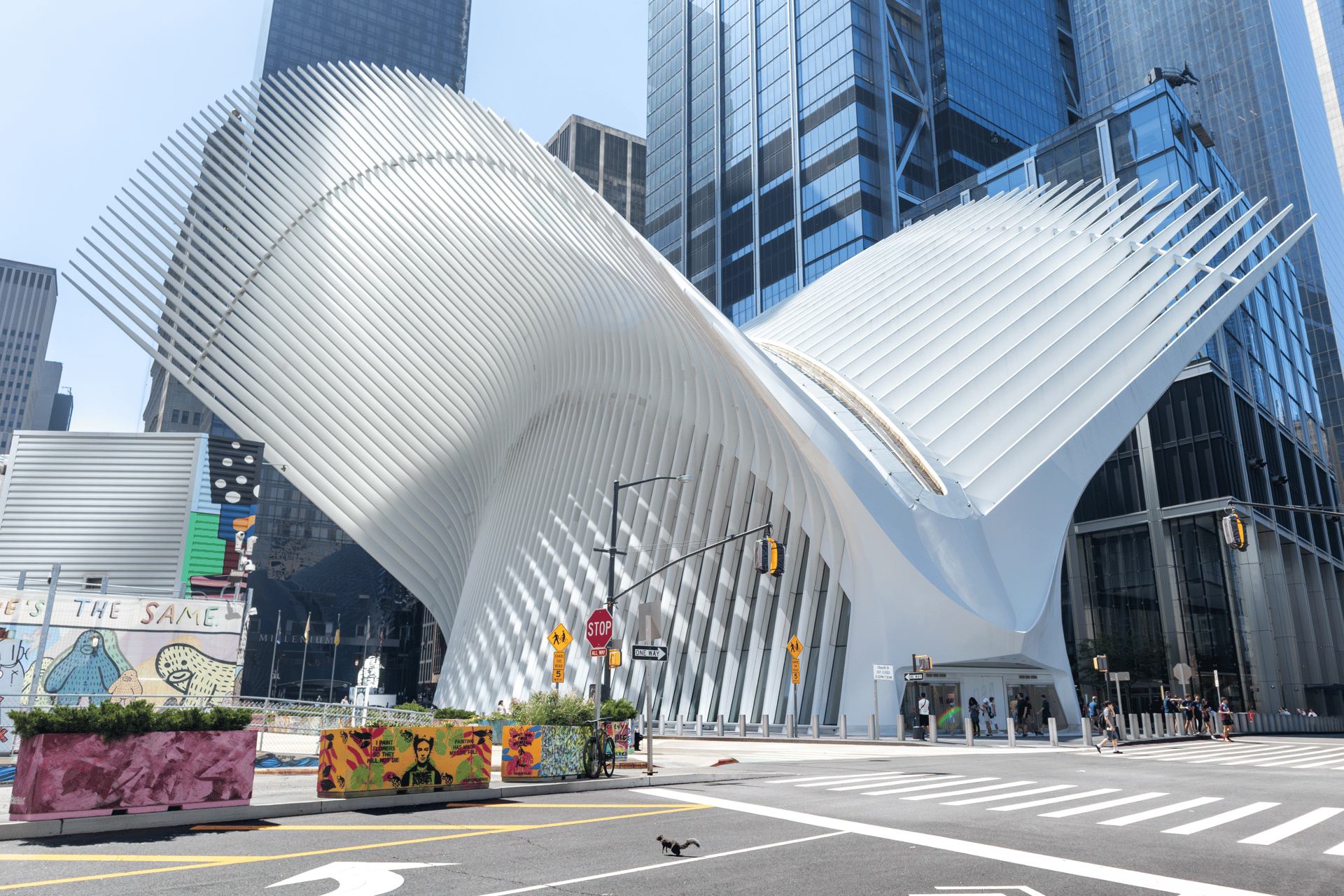
A few steps away, the Oculus represents another chapter in the rebuilding of the World Trade Center site.
Designed by Santiago Calatrava, the white ribbed structure functions as a major transportation hub while also creating one of downtown Manhattan’s most recognizable contemporary interiors.
Walk through even if you are not catching a train. The scale is dramatically different from the narrow streets of historic FiDi only a few blocks away.
That contrast is part of what makes Lower Manhattan so interesting.
For cocktails, Overstory is our pick.
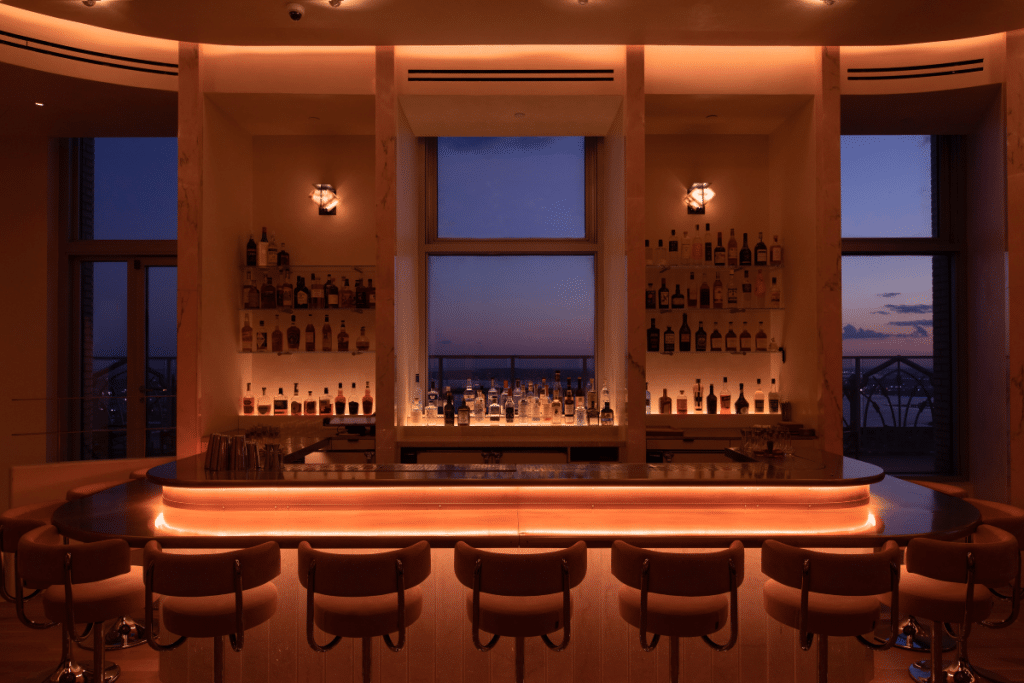
Located on the 64th floor of 70 Pine Street, the intimate bar sits above the Financial District with a wraparound terrace and extraordinary views in almost every direction.
Inside, it feels more like a jewel box than a traditional rooftop bar, while the cocktail program is serious enough that the drinks would be worth ordering without the skyline.
Come around sunset and stay until the city lights come on.
It is one of those rare New York bars where the view genuinely lives up to the room.
At Manhattan’s southern tip, The Battery provides the release that the dense streets farther north sometimes need.
The 25-acre waterfront park includes gardens, lawns, walking paths, historic monuments and open views across New York Harbor toward the Statue of Liberty and Ellis Island.
It is also home to SeaGlass Carousel, whose illuminated aquatic design takes inspiration from the park’s history as the former home of the New York Aquarium.
Walk through in the morning or toward the end of the day, when the light across the harbor makes downtown feel unexpectedly calm.
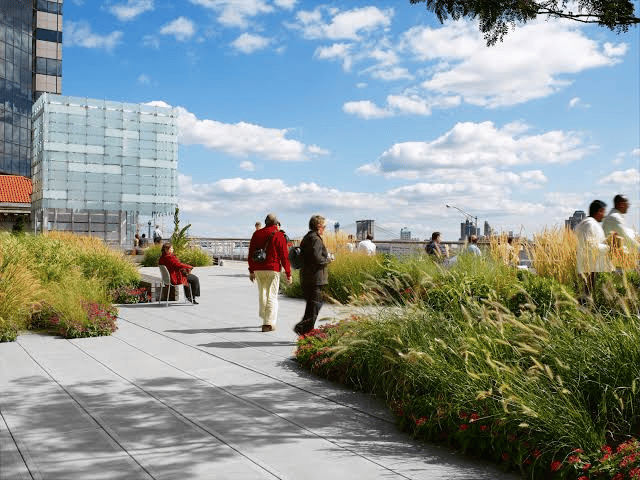
For something much less obvious, head to 55 Water Street.
The Elevated Acre sits above street level, reached from Water Street and hidden enough that it is easy to walk past without realizing it is there.
Once upstairs, landscaped areas, seating and views toward the East River create a surprisingly quiet place above one of Manhattan’s busiest business districts.
It is particularly good for lunch outside, reading for half an hour or simply escaping street level without actually leaving the neighborhood.
The Financial District is one of Manhattan’s best neighborhoods for walking without following a straight line.
Wall Street is the obvious starting point, particularly around Federal Hall, the New York Stock Exchange and the surrounding historic buildings.
Broad Street feels even more dramatic between the towers, while Exchange Place and Beaver Street lead through some of FiDi’s narrowest and most atmospheric blocks.
Stone Street changes the scale completely, with cobblestones and historic low-rise buildings replacing the skyscraper canyons only moments away.
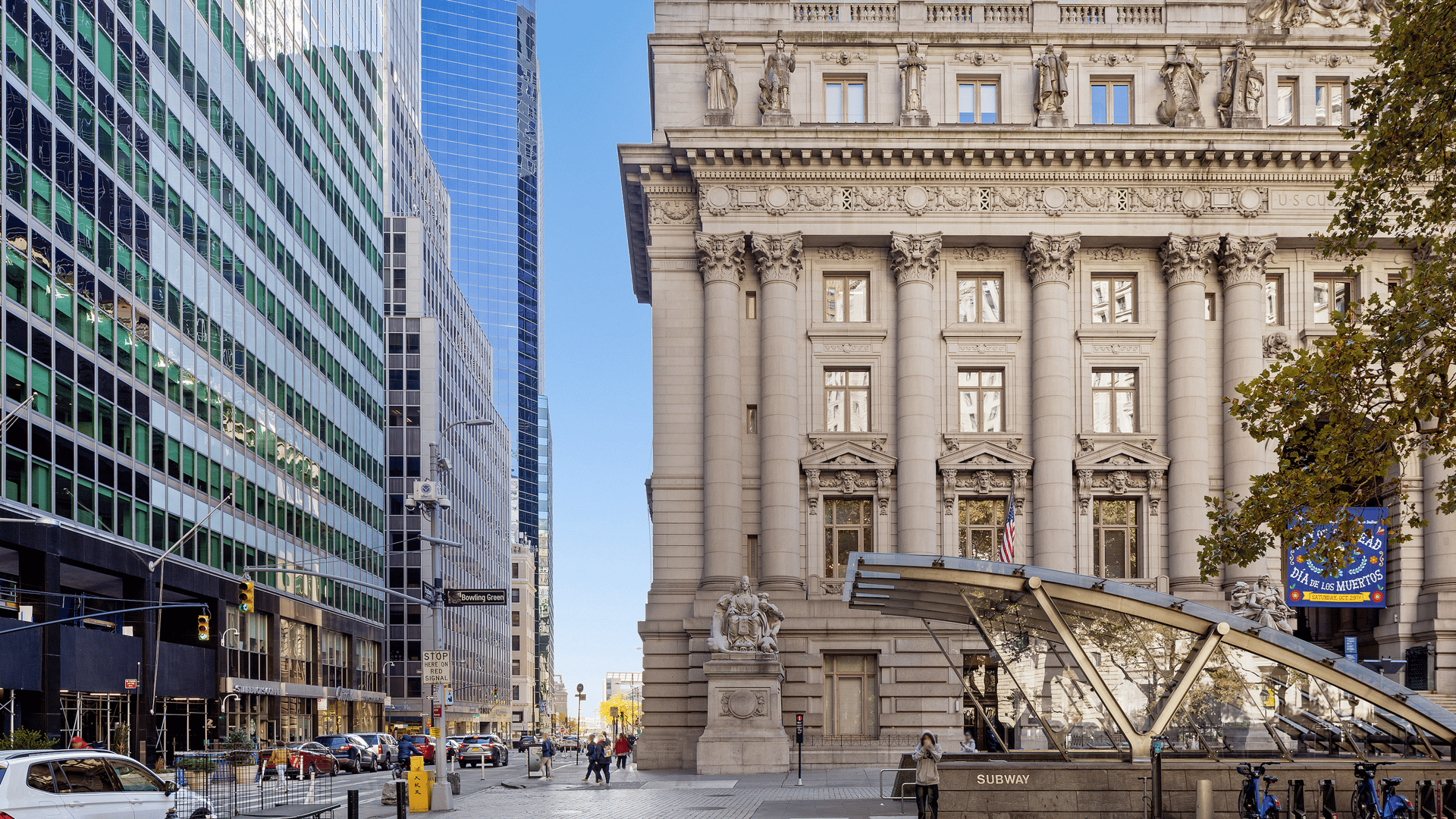
Continue toward Hanover Square and Pearl Street for another quieter pocket of old Lower Manhattan, or walk south along Broadway toward Bowling Green and The Battery.
The best approach is not to worry about the grid.
There barely is one.
Residentially, the Financial District is one of Manhattan’s most interesting examples of a neighborhood reinventing itself.
Many buildings designed originally for banks, insurance companies and corporate offices have been converted into apartments, introducing residences into towers that were never originally intended for full-time living.
That history often produces unusually large building footprints, substantial lobbies, high ceilings and apartment layouts that differ from those found in traditional residential neighborhoods.
Alongside conversions are newer condominium and rental towers with contemporary interiors, full-service staffing and extensive amenities.
What makes living here increasingly appealing is everything outside the building. The Battery, the East River waterfront, restaurants, transit hubs, supermarkets, cultural institutions and some of Manhattan’s most recognizable architecture are all packed into a remarkably compact neighborhood.
And once the office crowds leave, many of FiDi’s oldest streets become surprisingly quiet.
Financial District real estate reflects the neighborhood’s transformation from a predominantly commercial center into a true residential district.
Office-to-residential conversions are one of its defining property types. Historic bank buildings, Art Deco towers and later commercial skyscrapers have been adapted into condominiums and rental residences while often retaining impressive lobbies, façades and architectural details from their original use.
These conversions can offer layouts quite different from conventional Manhattan apartments, with high ceilings, oversized windows and occasionally unusually generous proportions created by the depth and scale of former office floors.
Purpose-built residential towers add another option, particularly around the World Trade Center and the neighborhood’s waterfront edges. These buildings are more likely to emphasize views, modern amenity packages and contemporary interiors.
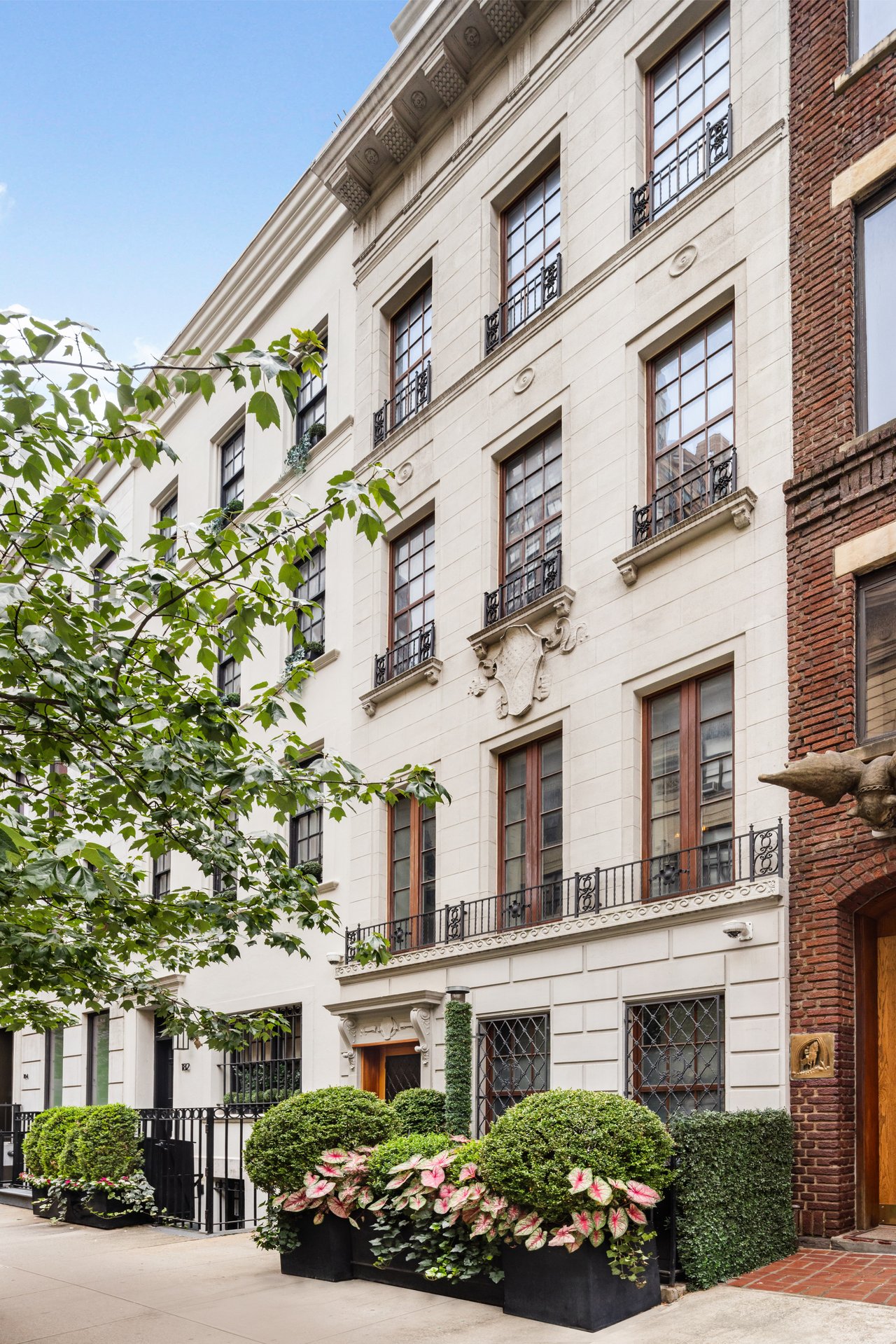
The neighborhood also includes loft-style residences, prewar apartments and boutique condominium conversions tucked within its older streets.
The ongoing conversion of commercial properties continues to reshape FiDi, gradually adding more residents and reinforcing the neighborhood’s evolution beyond the traditional nine-to-five business district.
From landmark office conversions and Art Deco residences to contemporary glass towers and smaller historic buildings, the Financial District offers one of Manhattan’s most architecturally distinctive residential landscapes.
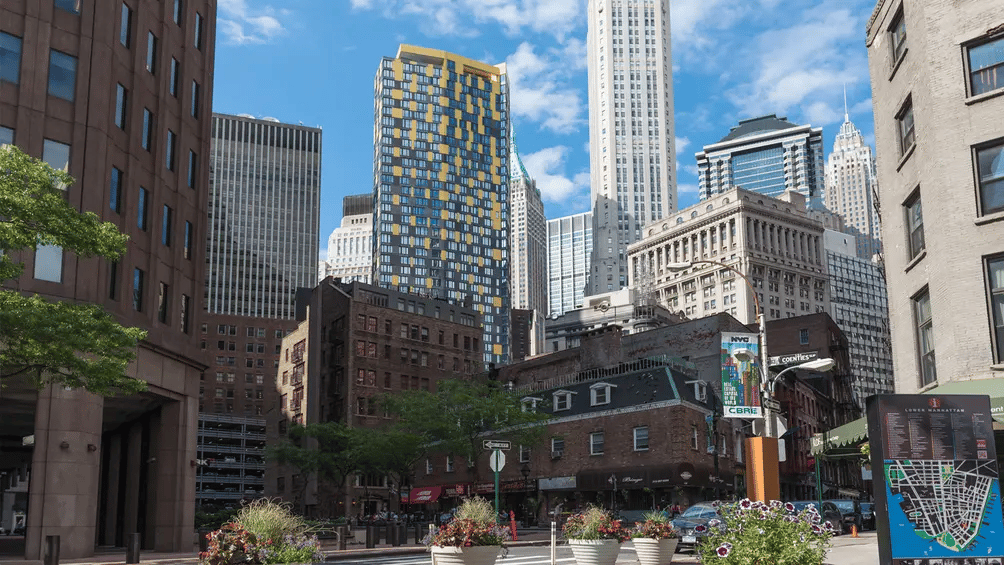
Whether you are drawn to a converted Art Deco tower, a loft-style residence in historic Lower Manhattan or a contemporary condominium overlooking the harbor, explore what is currently available across the Financial District.
32,186 people live in Financial District, where the median age is 29 and the average individual income is $116,539. Data provided by the U.S. Census Bureau.
Total Population
Median Age
Population Density
Average individual Income
There's plenty to do around Financial District, including shopping, dining, nightlife, parks, and more. Data provided by Walk Score and Yelp.
Explore popular things to do in the area, including Dance Magazine, and Equitable Unisex.
| Name | Category | Distance | Reviews |
Ratings by
Yelp
|
|---|---|---|---|---|
| Shopping | 0.21 miles | 0 reviews | 0/5 stars | |
| Beauty | 0.17 miles | 0 reviews | 0/5 stars | |
|
|
||||
|
|
||||
|
|
||||
|
|
||||
|
|
||||
|
|
Financial District has 16,108 households, with an average household size of 2. Data provided by the U.S. Census Bureau. Here’s what the people living in Financial District do for work — and how long it takes them to get there. Data provided by the U.S. Census Bureau. 32,186 people call Financial District home. The population density is 130,784 and the largest age group is Data provided by the U.S. Census Bureau.
Total Population
Population Density Population Density This is the number of people per square mile in a neighborhood.
Median Age
Men vs Women
Population by Age Group
0-9 Years
10-17 Years
18-24 Years
25-64 Years
65-74 Years
75+ Years
Education Level
Total Households
Average Household Size
Average individual Income
Households with Children
With Children:
Without Children:
Blue vs White Collar Workers
Blue Collar:
White Collar:
590 Madison Ave, Floor 8 New York, NY10022
590 Madison Ave, Floor 8 New York, NY10022