Flatiron Neighborhood Guide
Classic Manhattan at the meeting point of uptown and downtown: landmark architecture, Madison Square Park, historic loft buildings, destination restaurants and some of the city’s best design and shopping.
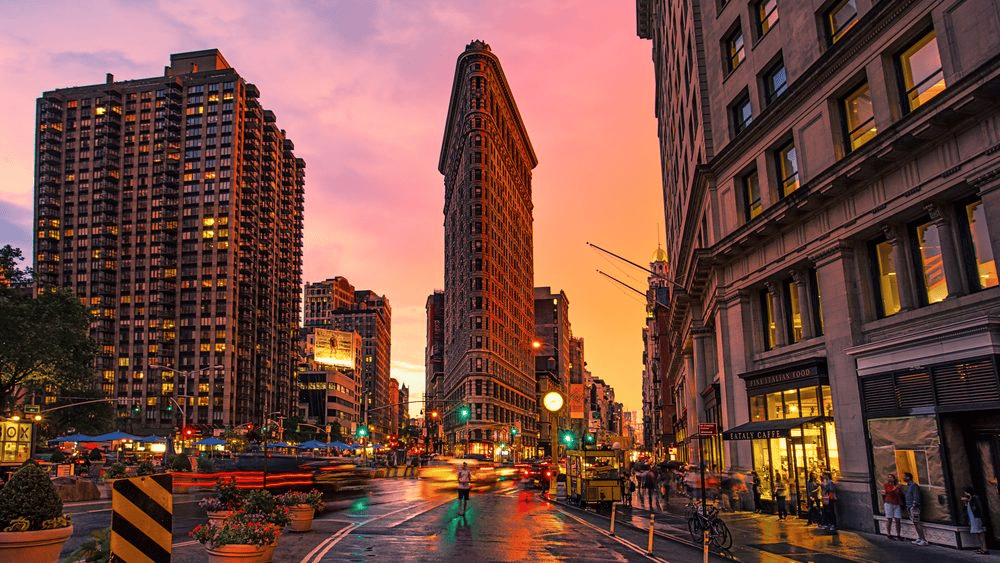
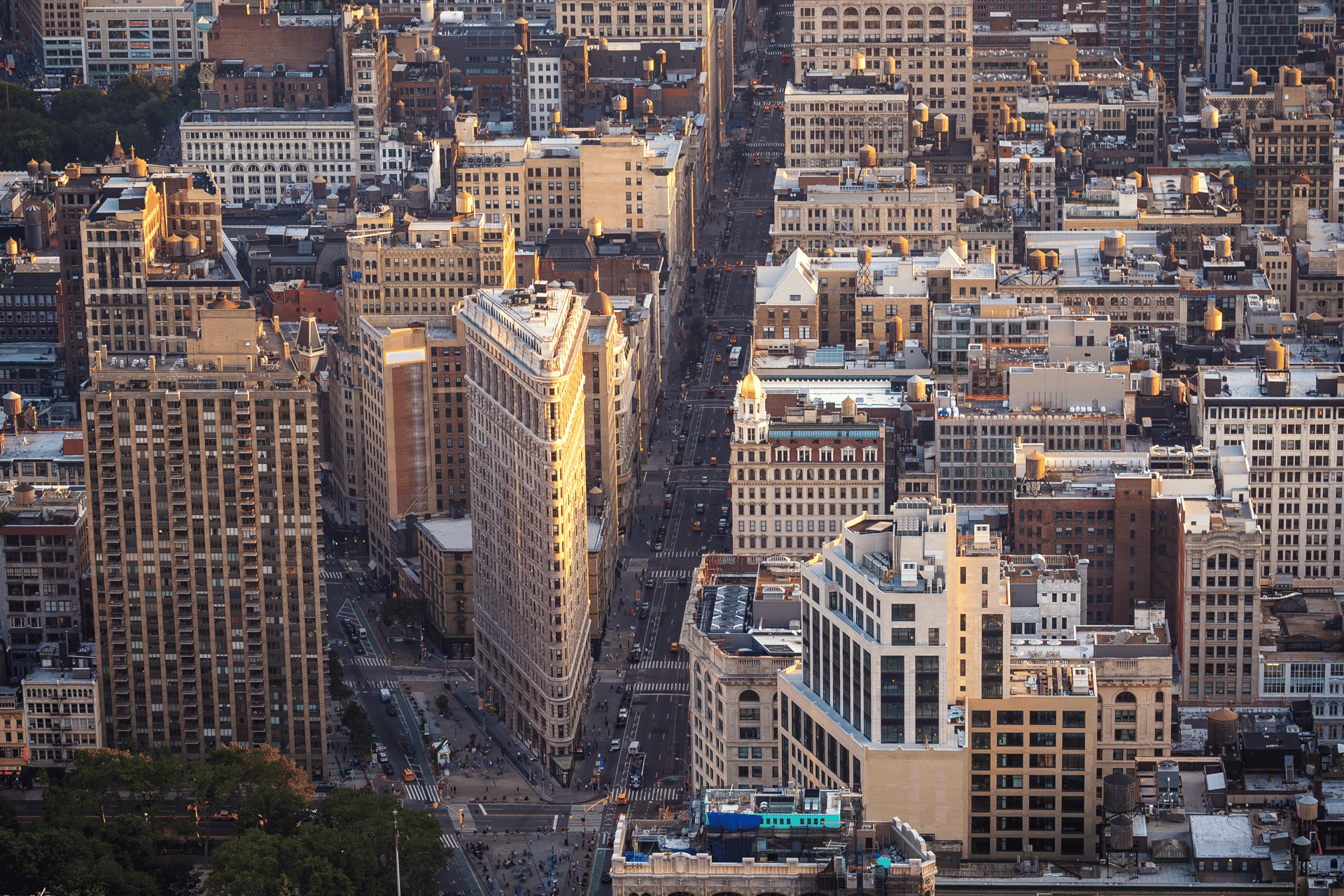
Flatiron is one of those neighborhoods that feels immediately recognizable. Broadway cuts diagonally across the Manhattan grid, the Flatiron Building rises at its most famous intersection, and Madison Square Park creates a green center surrounded by architecture spanning more than a century.
But there is much more to the neighborhood than its namesake building. Historic commercial buildings have become lofts and residences, design stores sit alongside restaurants worth crossing the city for, and the streets between Union Square and Madison Square Park manage to feel energetic without losing their distinctly New York character.
Spend enough time here and you quickly find your own routine: coffee on East 20th Street, a walk through Madison Square Park, an afternoon browsing Broadway and Fifth Avenue, dinner on East 20th or 22nd Street, and a cocktail somewhere just below street level.
What We Love About Flatiron
The architecture is an obvious place to start.
Few parts of Manhattan bring together so many eras of New York within such a compact area. The Flatiron Building remains the neighborhood’s defining landmark, while Broadway and the surrounding streets are lined with cast-iron façades, Beaux-Arts buildings, former department stores and commercial lofts connected to the area’s history as the Ladies’ Mile shopping district.
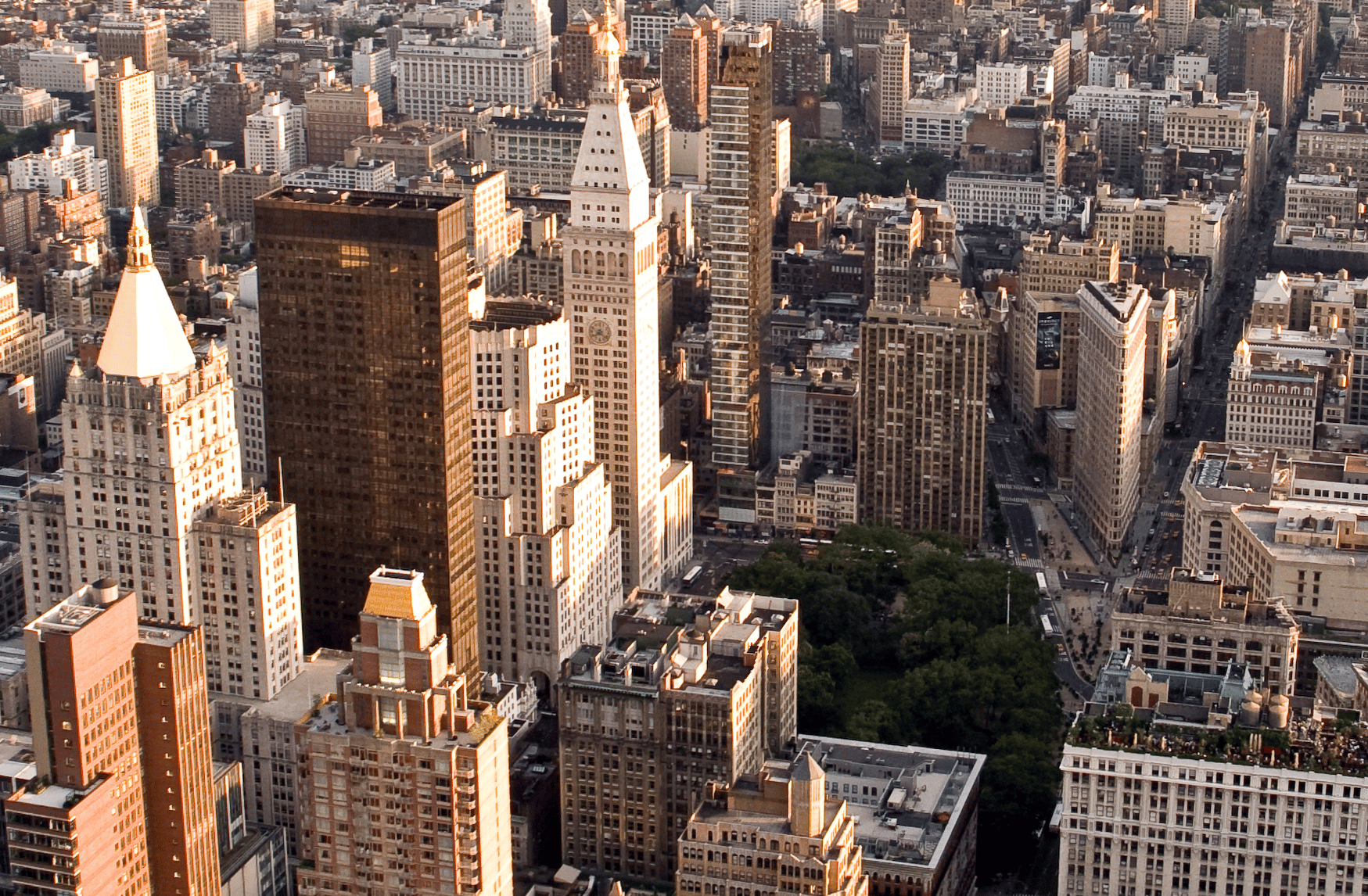
Madison Square Park gives all of that architecture room to breathe. The six-acre park has been a public gathering place for generations and today feels just as useful to residents as it does impressive to visitors — somewhere for morning coffee, lunch outside, a dog walk or simply ten quiet minutes between appointments.
The neighborhood also sits at a particularly useful point in Manhattan. Union Square is immediately to the south, NoMad begins beyond the park to the north, and Chelsea and Gramercy are only a few blocks away. Flatiron feels connected to all of them without quite resembling any of them.
A Few of Our Favorite Places
Start with coffee at Devoción
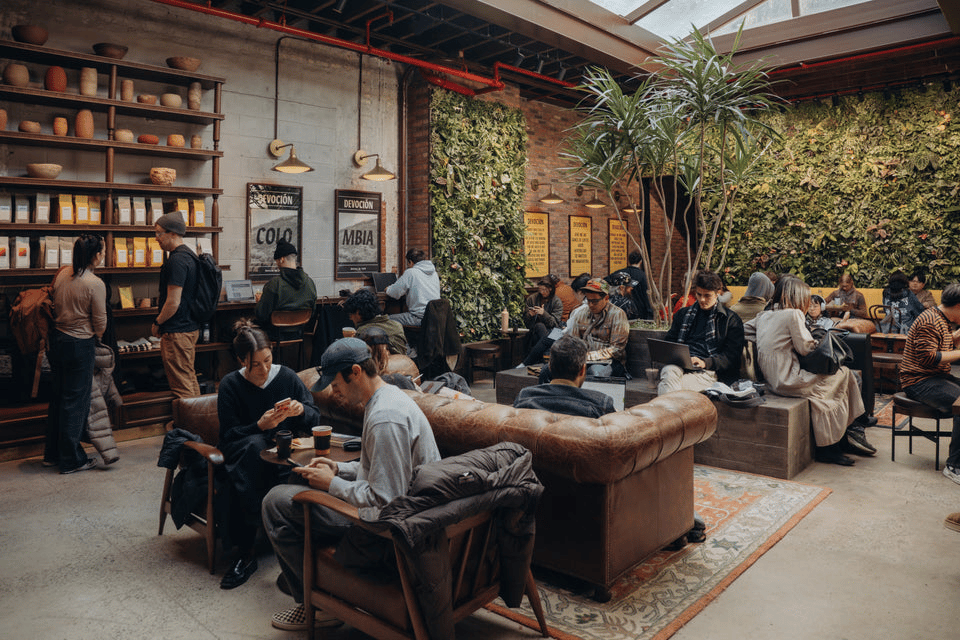
Devoción on East 20th Street is one of our favorite ways to start a morning in Flatiron.
The café occupies a beautifully restored landmarked space with exposed brick, original wood floors, greenery and natural light pouring in from above. The focus is Colombian coffee, sourced directly and brought to New York remarkably quickly before roasting.
It feels considered without being overly precious — and is perfectly positioned for a walk toward Broadway or Madison Square Park afterward.
Take your time at Eataly
Eataly Flatiron has become one of those neighborhood destinations that can be whatever you need it to be.
Stop in for espresso, fresh pasta or something from the bakery; shop for cheese, olive oil and Italian pantry staples; sit down for pizza and pasta; or head upstairs for a longer lunch or dinner.
At 200 Fifth Avenue, directly across from Madison Square Park, it is easy to combine with almost anything else you are doing in the neighborhood.
Where We Like to Eat
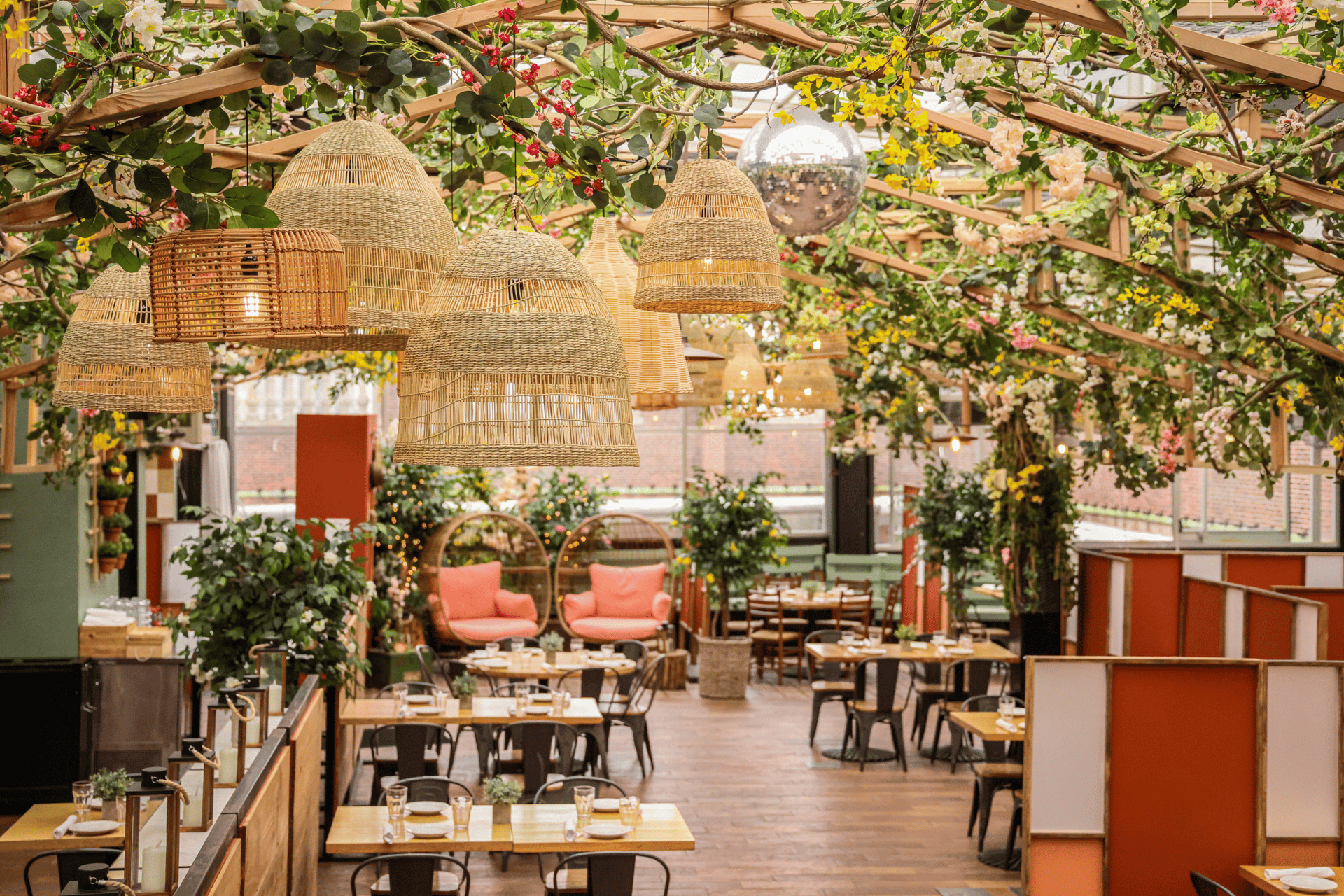
Flatiron has one of Manhattan’s strongest concentrations of destination restaurants, particularly around East 19th through East 22nd Streets. The neighborhood works especially well when you want somewhere polished without automatically heading uptown or downtown.
COTE
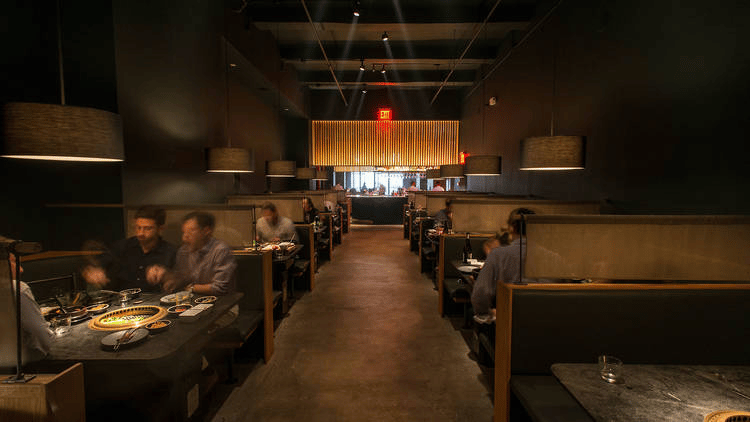
For a special dinner, COTE on West 22nd Street remains one of Flatiron’s defining restaurants.
The Michelin-starred Korean steakhouse combines the communal experience of Korean barbecue with the polish and ingredient focus of an American steakhouse. Prime and dry-aged beef is cooked at the table and served alongside banchan, Korean accompaniments and an extensive wine program.
The atmosphere is energetic rather than formal, making it particularly good for a celebration or a dinner with friends.
Rezdôra
For pasta, Rezdôra on East 20th Street is the place to know.
Chef Stefano Secchi’s restaurant is focused on the cooking of Emilia-Romagna, with handmade pasta at the center of the menu and dishes inspired by the region’s traditional preparations.
The room is intimate and lively, and the food feels specific rather than generically Italian. It is exactly the kind of restaurant worth planning ahead for.
Cosme
Cosme on East 21st Street brings contemporary Mexican cooking to one of the neighborhood’s most elegant dining rooms.
Founded by chef Enrique Olvera, the restaurant builds its menu around Mexican flavors and techniques while working with local and seasonal ingredients.
It feels distinctly New York while maintaining a strong connection to Mexican cooking — polished enough for a special evening but energetic enough that dinner never feels too formal.
Hawksmoor
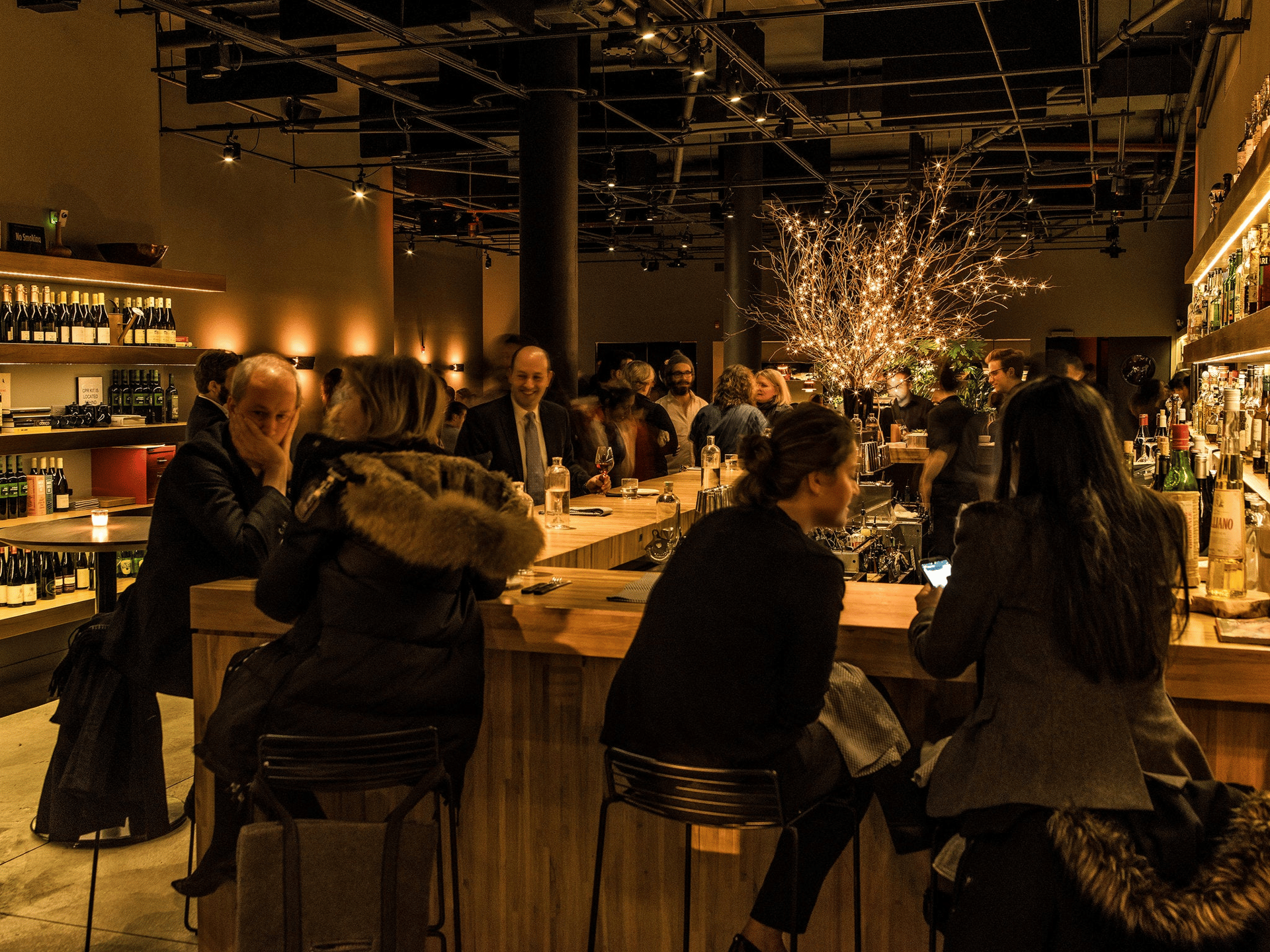
Hawksmoor on East 22nd Street is a particularly beautiful option when you want a proper steakhouse dinner.
The New York outpost of the London restaurant occupies a grand historic space inside the United Charities Building, with soaring ceilings, restored architectural details and an impressive wraparound bar.
Steak is the obvious focus, but the seafood, cocktails and room itself make it worth knowing even when you are not planning an especially traditional steakhouse evening.
abcV
For something plant-forward, abcV on East 19th Street feels perfectly suited to this part of Manhattan.
Set within the world of abc carpet & home, the bright, design-conscious dining room serves a vegetable-focused menu built around seasonal ingredients, grains, legumes and global flavors.
It works particularly well for lunch or a lighter dinner and feels polished without trying to turn healthy eating into something overly serious.
For something more casual: Shake Shack
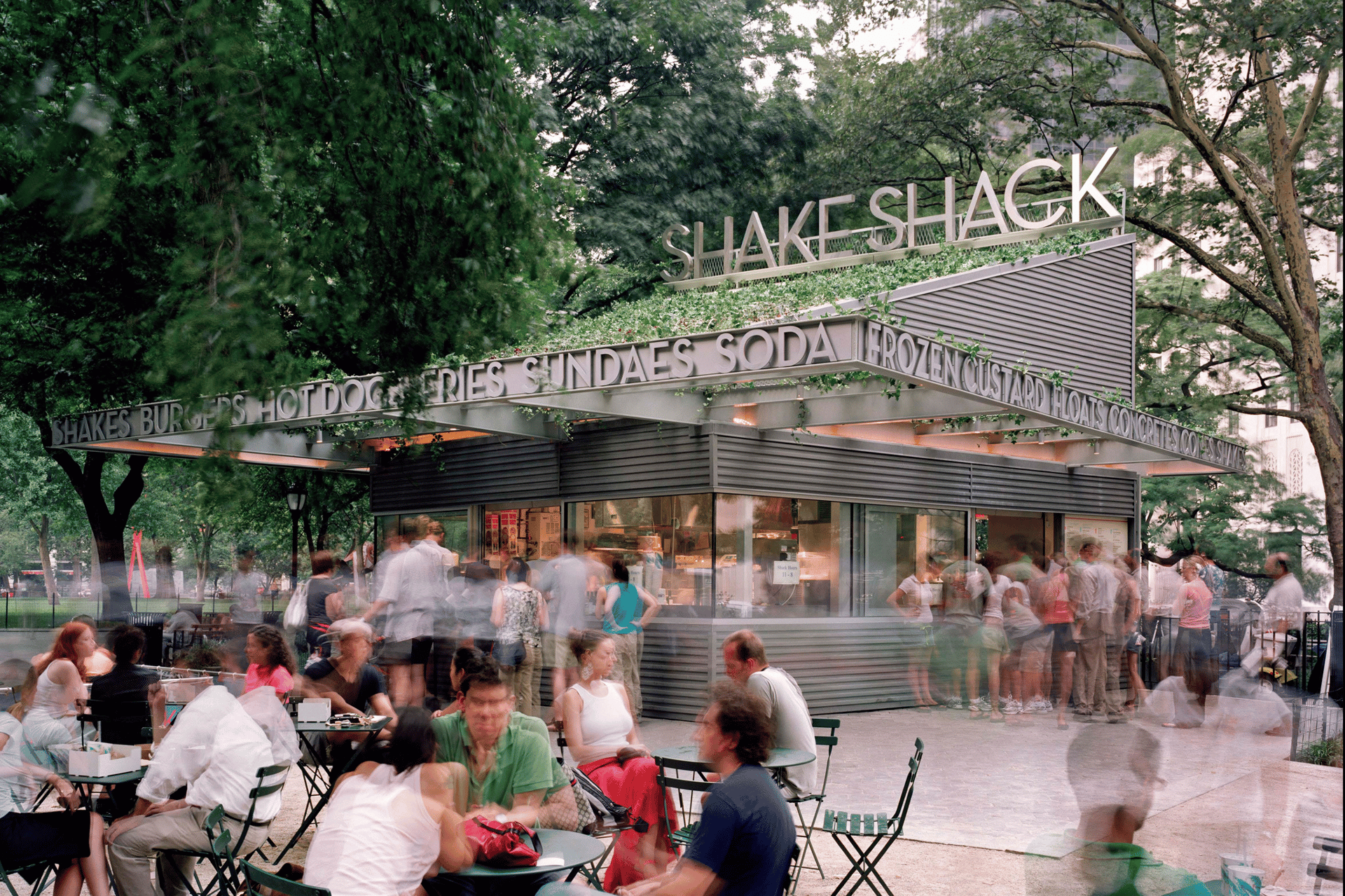
There may be no more appropriate casual Flatiron meal than a burger in Madison Square Park.
The original Shake Shack opened here in 2004, growing from a park project into a New York institution and eventually a global brand.
Order at the kiosk, find a table beneath the trees and stay awhile. The combination of the park, the surrounding architecture and the everyday movement of the neighborhood is as much a part of the experience as the food.
Architecture and Design Around Madison Square
Flatiron is one of those neighborhoods where architecture and design are not confined to a museum.
They are built into the streets themselves, from cast-iron storefronts and early skyscrapers to contemporary interiors and public art.
The Flatiron Building
Few New York buildings need an introduction.
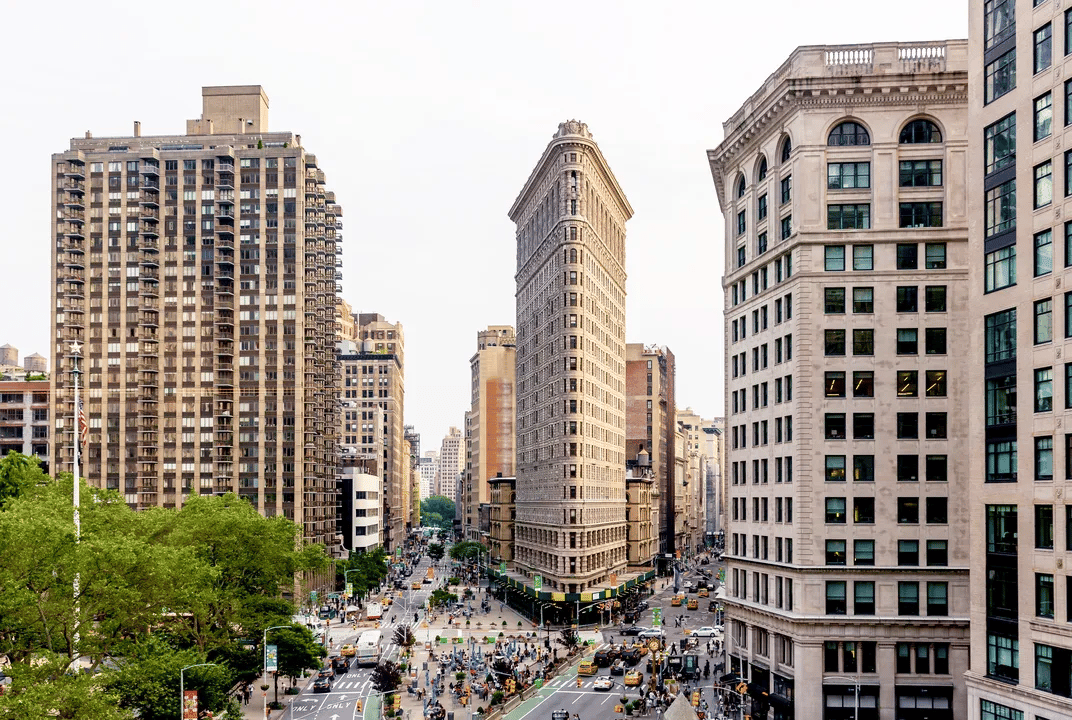
Completed in 1902, the triangular Flatiron Building was designed by D.H. Burnham and Co. and quickly became one of the city’s most recognizable early skyscrapers.
Its position where Broadway and Fifth Avenue meet creates the impossibly narrow northern point that gave the building — and eventually the neighborhood — its familiar name.
The landmark is also entering a new chapter. In 2026, its major office-to-residential conversion is nearing completion, with restoration work designed to preserve the building’s historic character while adapting it for residential use.
The Ladies’ Mile Historic District
To understand Flatiron’s architecture, spend some time along Broadway and the surrounding blocks south of 23rd Street.
This area formed part of Ladies’ Mile, one of New York’s great late-19th-century shopping districts. Elaborate commercial buildings housed department stores and retailers before many were later used for offices, manufacturing and loft space.
Today, their large windows, ornate façades and cast-iron details give this stretch of Manhattan a visual identity unlike almost anywhere else in the city.
abc carpet & home
At Broadway and East 19th Street, abc carpet & home has long been one of New York’s great destinations for interiors and design.
Floors of rugs, furniture, lighting, textiles and objects from around the world make it the kind of store where even people who are not decorating anything can happily spend an hour.
It also feels particularly at home here, surrounded by the grand former retail buildings of the historic Ladies’ Mile.
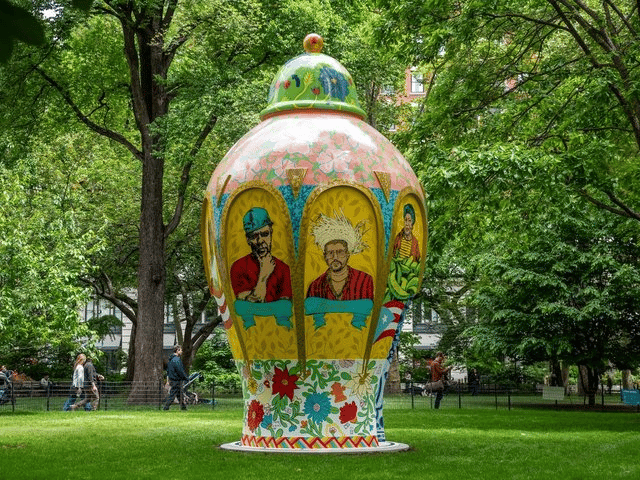
Public Art in Madison Square Park
Madison Square Park is worth watching for more than its gardens.
For decades, the park has presented contemporary public art, giving artists the opportunity to create work specifically for one of Manhattan’s most architectural settings.
The exhibitions change, which is part of the appeal. A familiar walk through the park can suddenly feel completely different depending on what has been installed among the lawns and trees.
When You Want a Drink
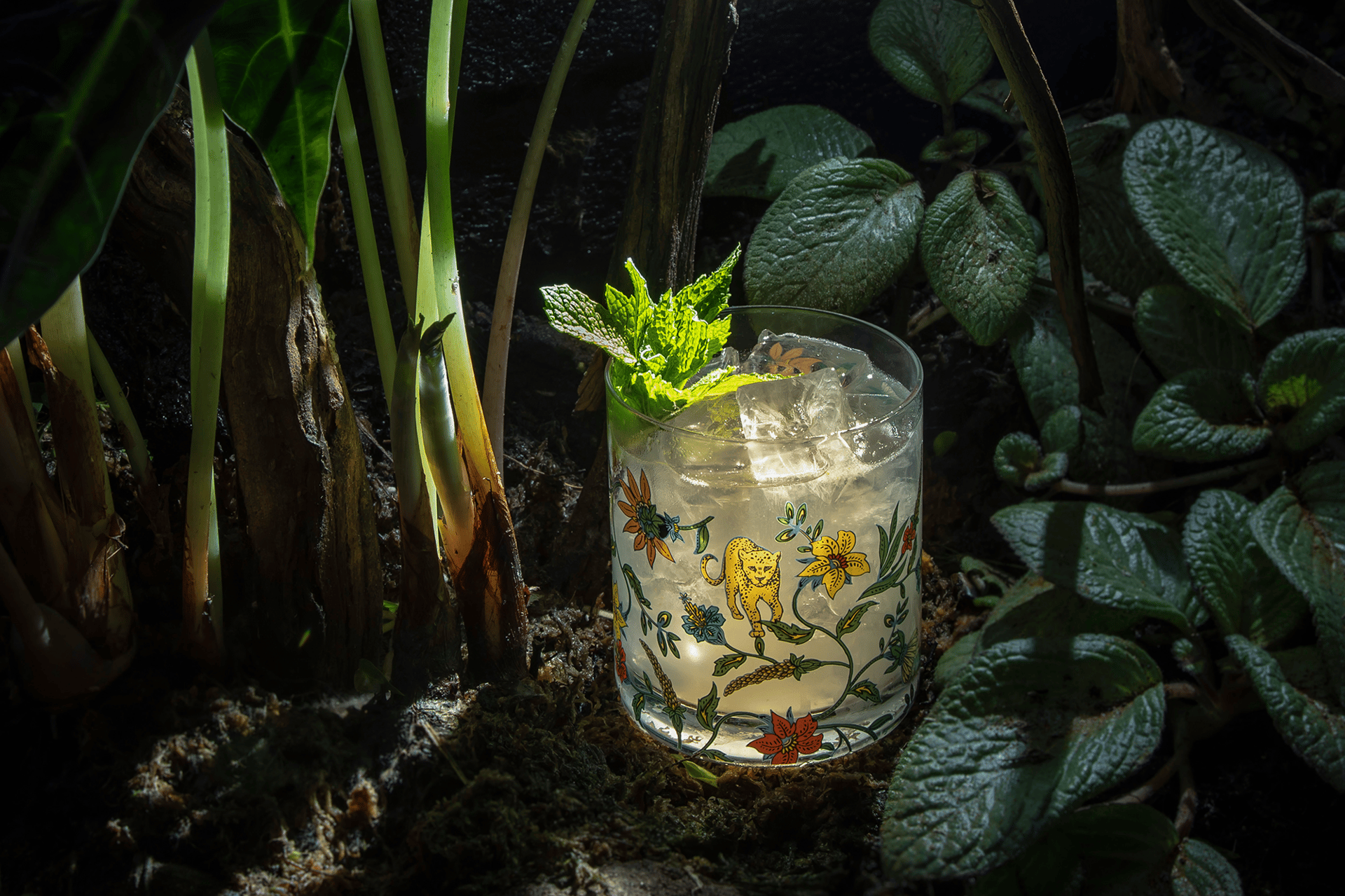
Undercote
Hidden beneath COTE on West 22nd Street, Undercote is our pick for a proper Flatiron cocktail.
The subterranean bar feels completely removed from the street above, with low lighting, lush greenery and a cocktail program that is as considered as the restaurant upstairs.
Come before dinner, head downstairs after COTE or make it the destination on its own.
It is exactly the kind of place that makes a regular Tuesday night feel a little more like New York.
Get Outside
Madison Square Park
Madison Square Park is the neighborhood’s living room.
Opened as a public park in the 19th century, it has been surrounded by several different generations of Manhattan architecture and today remains one of the city’s most appealing smaller green spaces.
Walk beneath the trees, find a bench facing the Flatiron Building, explore the seasonal gardens or simply pick up lunch and stay for a while.
The park is not enormous, which is part of its charm. It feels integrated into daily neighborhood life rather than separated from it.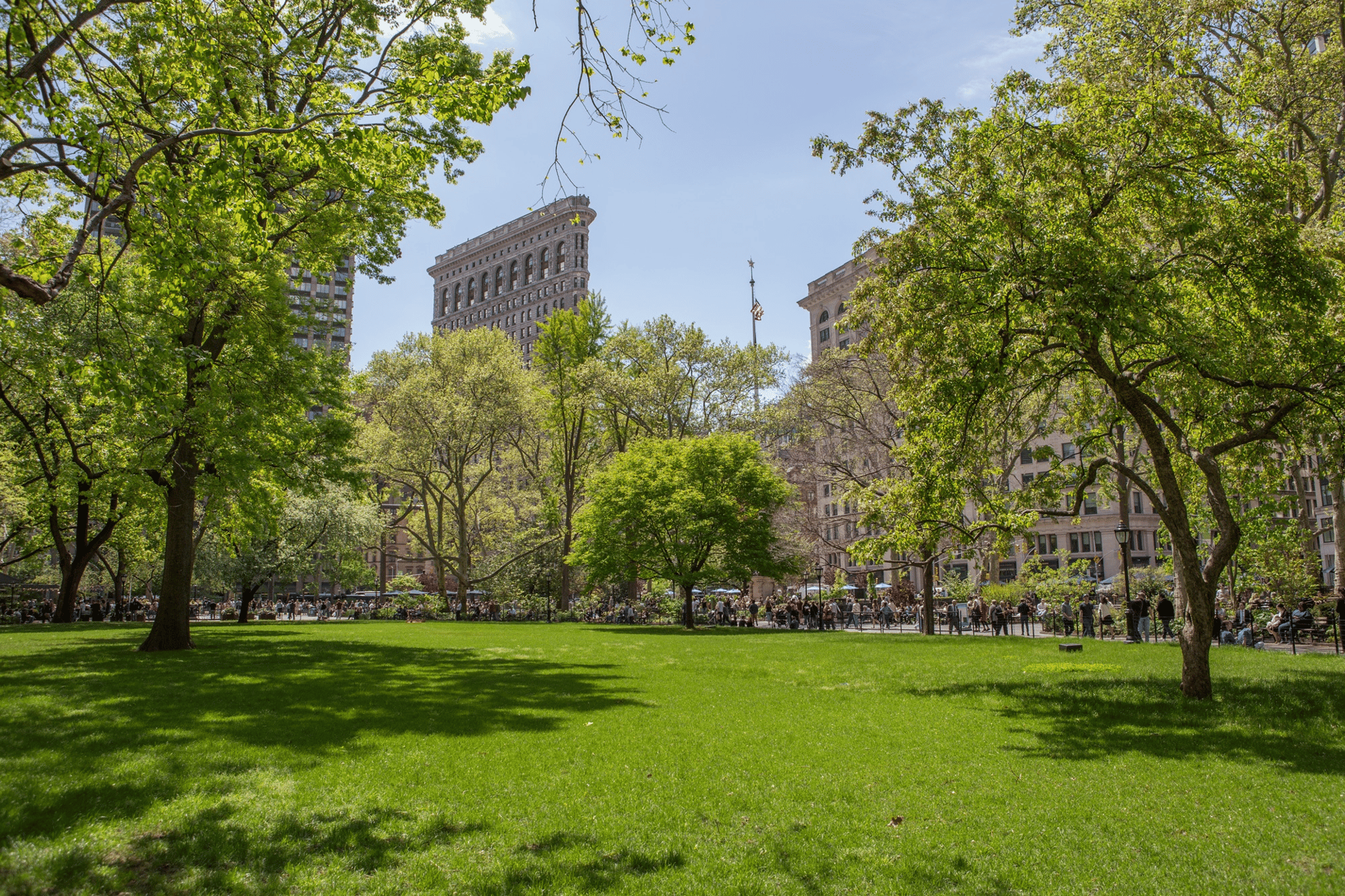
The Broadway Plazas
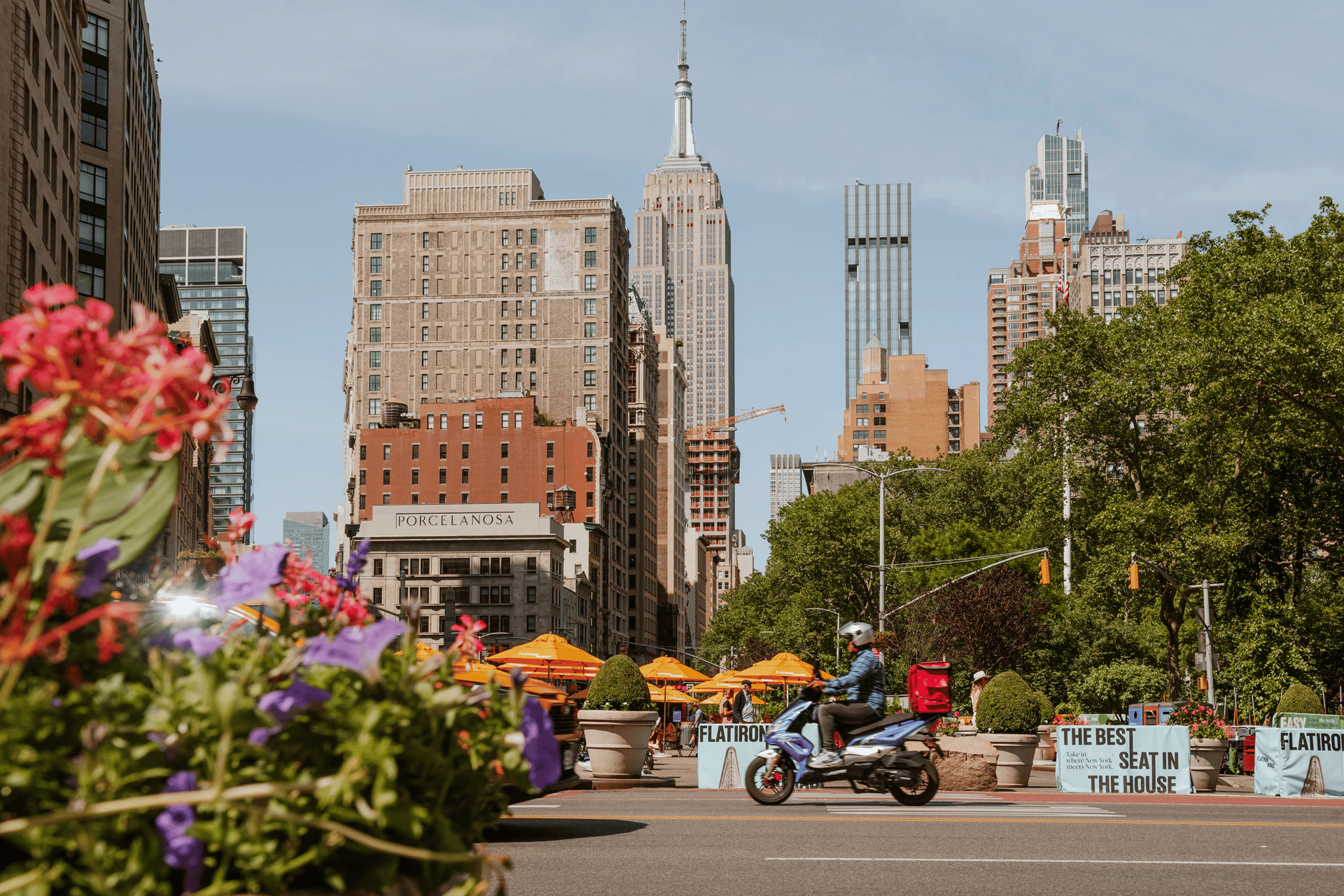
Broadway through Flatiron has gradually become a much more pedestrian-friendly place to experience the neighborhood.
Public plazas and shared-street sections introduce seating and open space into what was once almost entirely devoted to traffic, creating natural places to stop between Union Square and Madison Square Park.
It is one of the best ways to appreciate the unusual geometry created when Broadway cuts diagonally through Manhattan’s street grid.
Streets Worth Wandering
Flatiron rewards anyone willing to leave the avenues for a while.
Broadway is the architectural spine of the neighborhood, lined with historic commercial buildings and offering changing views of the Flatiron Building as you approach 23rd Street.
Fifth Avenue is busier and more polished, with shops, offices and some of the neighborhood’s best-known addresses facing Madison Square Park.
East 20th, 21st and 22nd Streets feel more intimate, with restaurants, converted loft buildings and beautifully detailed façades appearing between Broadway and Park Avenue South.
Park Avenue South has a different energy again — wider, busier and lined with restaurants and substantial prewar buildings.
The pleasure of Flatiron is how quickly all of these streets connect. You can cross most of the neighborhood in minutes and still find a reason to take the longer route.
Our Flatiron Shortlist
- For coffee: Devoción
- For Italian food and shopping: Eataly Flatiron
- For a special dinner: COTE
- For pasta: Rezdôra
- For contemporary Mexican: Cosme
- For steak: Hawksmoor
- For plant-forward dining: abcV
- For a casual classic: Shake Shack in Madison Square Park
- For a cocktail: Undercote
- For architecture: the Flatiron Building
- For design: abc carpet & home
- For historic streetscapes: the Ladies’ Mile
- For public art: Madison Square Park
- For a morning walk: Broadway and Madison Square Park
Living in Flatiron
Residentially, Flatiron feels distinctly different from neighborhoods built primarily around traditional apartment houses.
Many of its most characteristic homes are found inside buildings that began life as commercial properties, department stores, factories or loft buildings. Their original architecture often translates into high ceilings, oversized windows, substantial room proportions and layouts that feel different from conventional prewar apartments.
Classic cooperative and condominium buildings add another layer, while newer developments and conversions have introduced more contemporary residences with full-service amenities and modern interiors.
What makes living here particularly appealing is the neighborhood outside the apartment. Madison Square Park, restaurants, design stores, shopping, Union Square and multiple subway lines are all within a relatively compact area.
It is central Manhattan living without feeling entirely Midtown or Downtown.
The Real Estate
Flatiron real estate reflects the neighborhood’s long history as both a commercial and residential district.
Historic loft buildings are one of its defining property types. Many former retail, office and manufacturing buildings have been converted into residential cooperatives and condominiums, preserving details such as large windows, high ceilings, columns and expansive open layouts.
The Ladies’ Mile Historic District adds an exceptional collection of late-19th and early-20th-century architecture, including cast-iron and masonry buildings originally designed for some of New York’s most important retailers and commercial businesses.
Traditional prewar cooperatives and condominiums can also be found throughout the neighborhood, particularly toward Park Avenue South and the quieter side streets.
More recent luxury condominium development and high-end conversions have introduced contemporary residences with full-service staffing, modern finishes, private outdoor space and extensive amenities.
Even the Flatiron Building itself is now being adapted from office use into residences, reflecting the neighborhood’s continuing evolution from a predominantly commercial center into an increasingly desirable place to live.
From expansive lofts and converted historic buildings to prewar apartments and contemporary luxury condominiums, Flatiron offers a residential landscape that feels as architecturally distinctive as the neighborhood around it.
Find a Home in Flatiron
Whether you are drawn to a historic loft with oversized windows, a classic prewar residence or a contemporary condominium overlooking one of Manhattan’s most recognizable streetscapes, explore what is currently available across Flatiron.