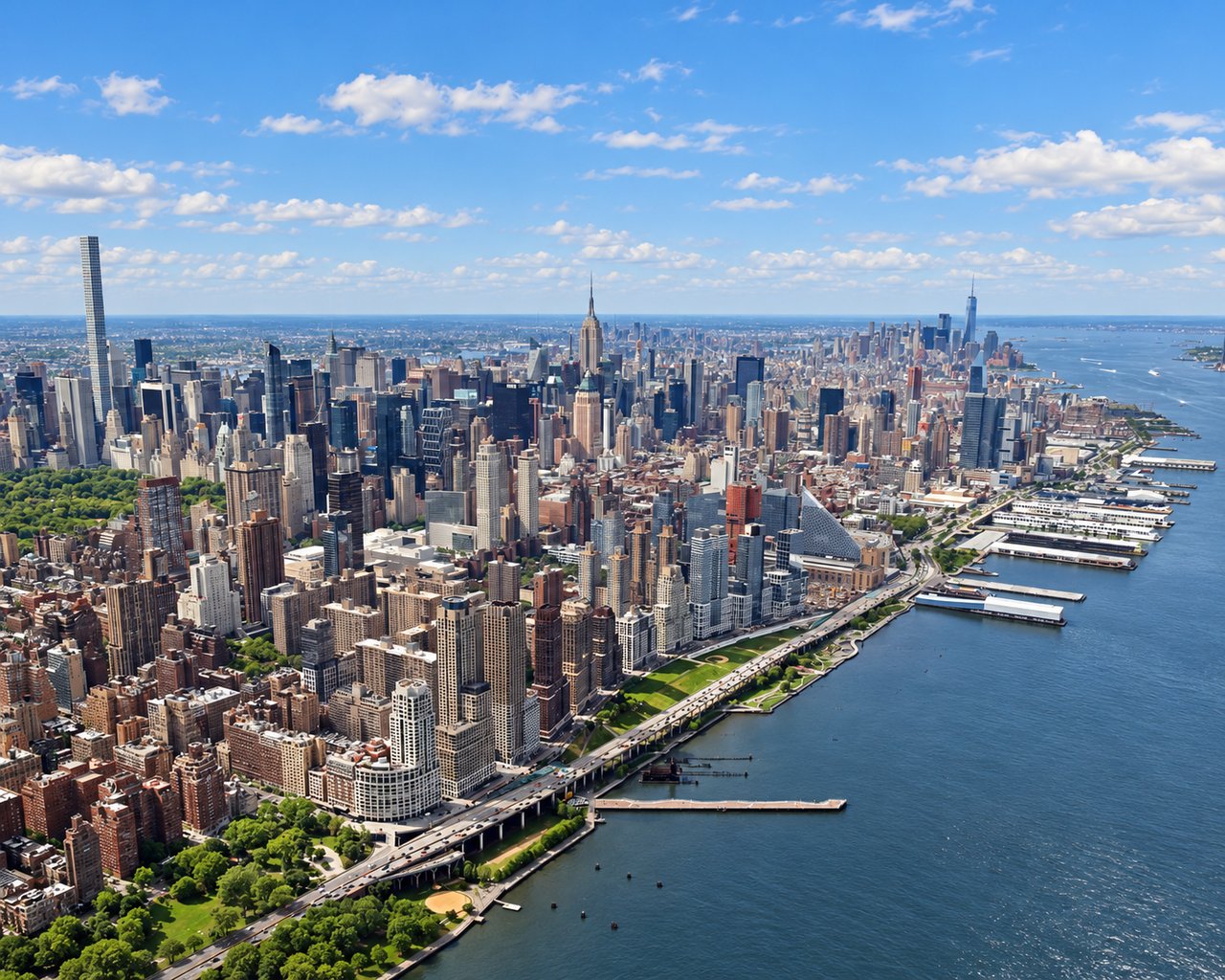
Quiet East Side Manhattan with a practical streak: mid-century architecture, neighborhood restaurants, leafy residential blocks, major medical institutions and the East River just beyond First Avenue.
Kips Bay has never needed to compete for attention.
Set between Gramercy and Murray Hill on Manhattan’s East Side, the neighborhood is more residential than destination-driven, with postwar apartment towers, prewar buildings, restaurants and everyday businesses filling the streets between its major medical campuses and the East River.
That relative anonymity is part of the appeal. There are fewer tourists, less pressure to turn every storefront into a scene and a surprisingly comfortable rhythm for a neighborhood this close to Midtown.
Spend enough time here and you quickly find your own routine: Italian coffee nearby, a walk through the landscaped spaces around Kips Bay Towers, lunch on Second Avenue, an afternoon by the East River and dinner somewhere that feels like a neighborhood favorite rather than a citywide production.
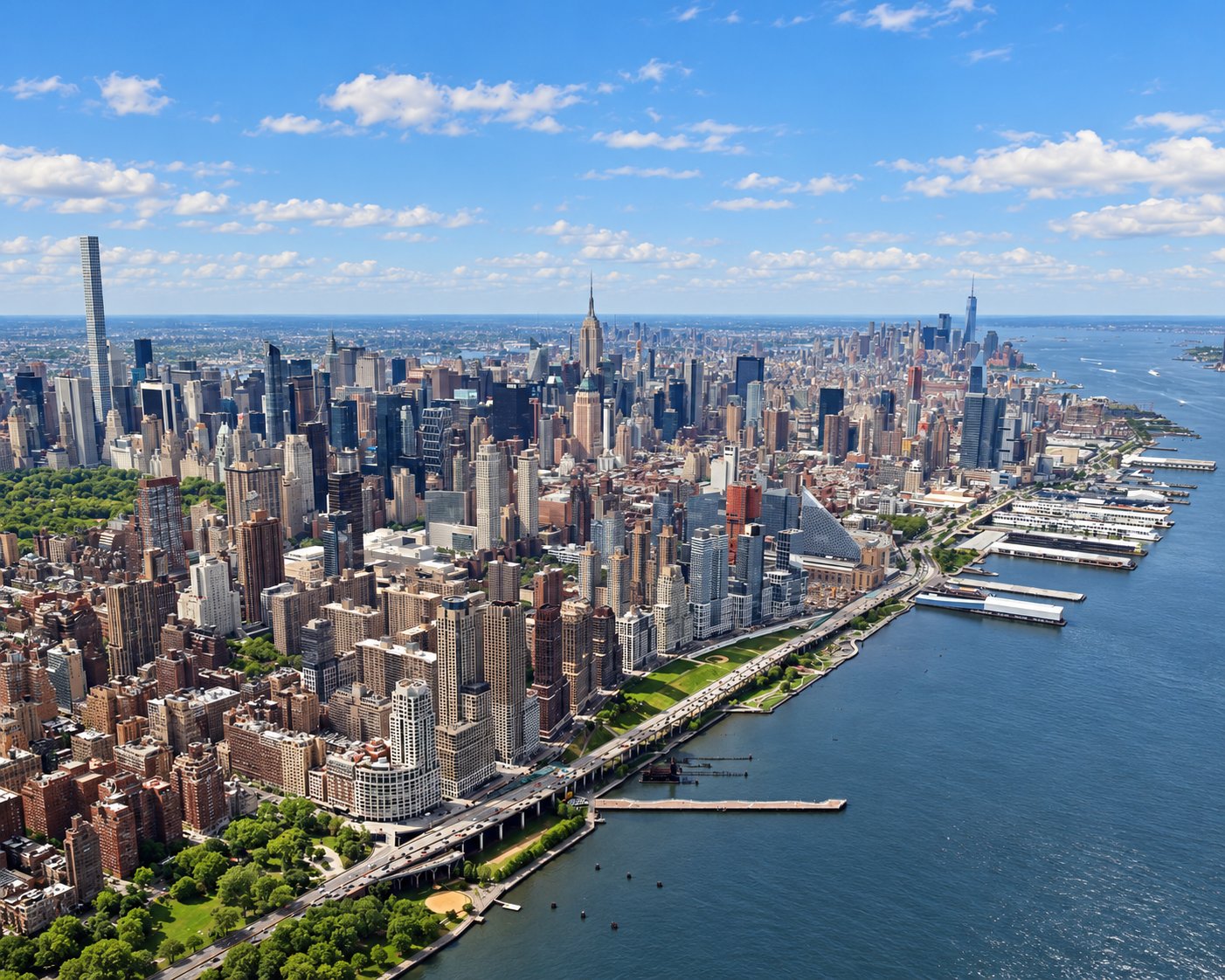
Kips Bay feels unusually lived-in.
Second and Third Avenues provide restaurants, cafés, markets and neighborhood businesses, while the side streets become noticeably quieter once you move away from the traffic.
The architecture is more interesting than the neighborhood sometimes gets credit for.
Prewar walk-ups and brick apartment houses sit beside postwar residential towers, while Kips Bay Towers offers one of Manhattan’s strongest examples of mid-century residential design.
To the east, Bellevue Hospital and NYU Langone create an entirely different landscape. First Avenue becomes a major medical and research corridor, giving the neighborhood an institutional presence unlike almost anywhere else in Manhattan.
Then there is the river.
Kips Bay does not have the seamless waterfront access of Battery Park City or the Upper West Side, but the East River remains a defining part of the neighborhood, especially around Waterside Plaza and the eastern end of East 29th Street.
It is a neighborhood of contrasts — residential and institutional, practical and architectural, central and surprisingly quiet.

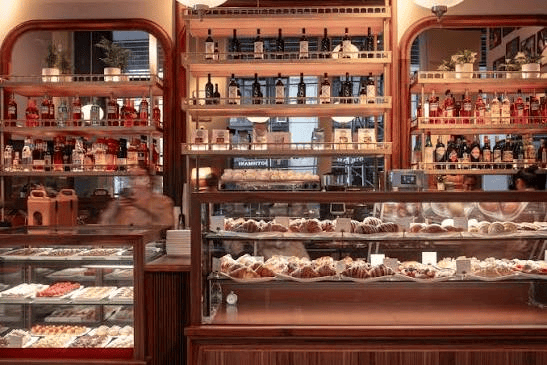
Just west of Kips Bay proper on Park Avenue South, La Tazza D’Oro brings the rhythm of an Italian café to this part of Manhattan.
The all-day café moves naturally from espresso and pastries in the morning to sandwiches, lighter dishes and aperitivo later in the day.
It feels polished without becoming overly formal, making it an easy place to begin before walking east toward Kips Bay.
Order an espresso or cappuccino, take your time and then continue toward the quieter residential streets beyond Third Avenue.
Kips Bay Towers changes the rhythm of the neighborhood completely.
The two long concrete residential towers rise between First and Second Avenues, but instead of filling the entire site, they frame a three-acre landscaped private garden at the center of the complex.
Designed by I.M. Pei, S. J. Kessler and James Ingo Freed and completed in 1965, the development remains one of Manhattan’s most distinctive examples of postwar residential architecture.
Walk around the perimeter, then continue south toward Bellevue or west toward the restaurants along Second and Third Avenues.
The architecture gives this part of Kips Bay an identity that is easy to miss if you only pass through.
Kips Bay does not have the concentrated restaurant scene of the West Village or Tribeca.
That is not necessarily a disadvantage.
The neighborhood’s dining options feel particularly useful: handmade pasta, regional Indian cooking, Turkish restaurants, Sicilian food and one of the East Side’s more unexpected waterfront dining rooms.
These are places you can return to rather than simply check off a list.
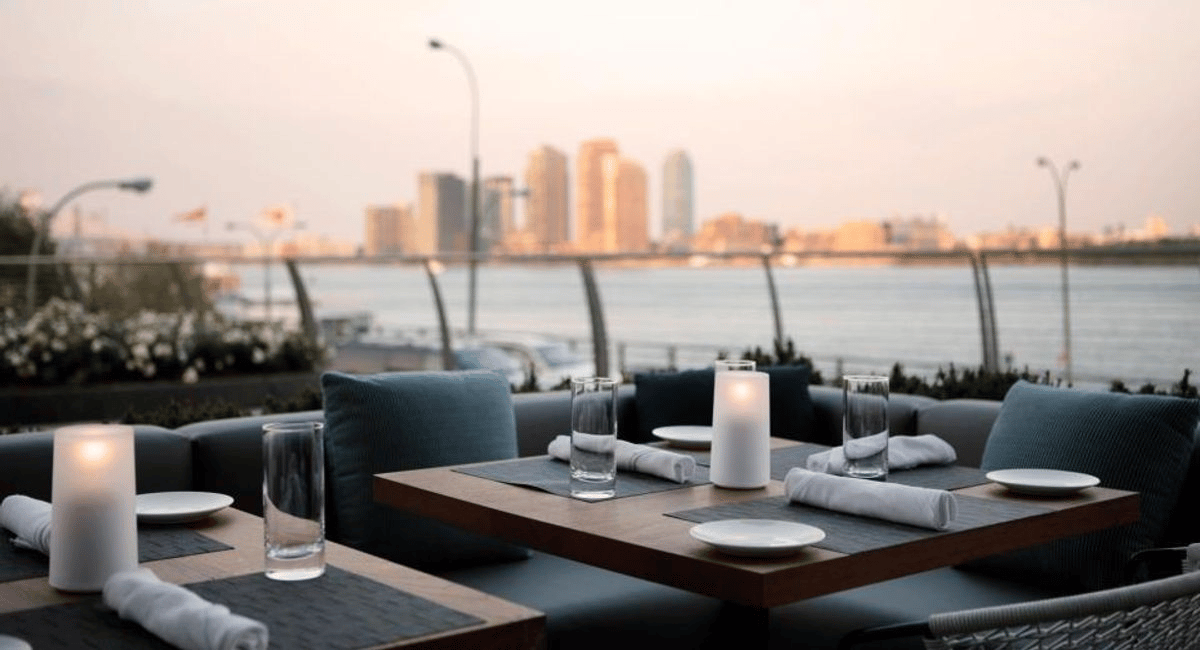
For a more polished meal, Riverpark is one of Kips Bay’s most unexpected restaurants.
Set at the eastern end of East 29th Street within the Alexandria Center campus, the dining room looks directly toward the East River through expansive floor-to-ceiling windows.
The menu takes a relaxed approach to seasonal American cooking, with seafood, vegetables, shareable plates and familiar dishes presented with considerably more refinement than the restaurant’s somewhat hidden location might suggest.
The setting is the real surprise.
Once you are inside, the medical and research buildings surrounding the restaurant seem to disappear and the river becomes the focus.
It is particularly good for lunch, an after-work dinner or an early evening by the water.
For pasta, Nonna Dora’s on Second Avenue is our pick.
The restaurant centers on handmade Pugliese pasta and the traditions of Addolorata “Dora” Marzovilla, whose pasta-making inspired the entire concept.
Orecchiette, cavatelli, ravioli, pappardelle and other shapes arrive with sauces designed around the character of each pasta rather than simply treating them as interchangeable.
The room is intimate and energetic, with the pasta itself remaining firmly at the center of the experience.
Come with someone willing to share.
Ordering several shapes for the table is much more fun than committing to only one.
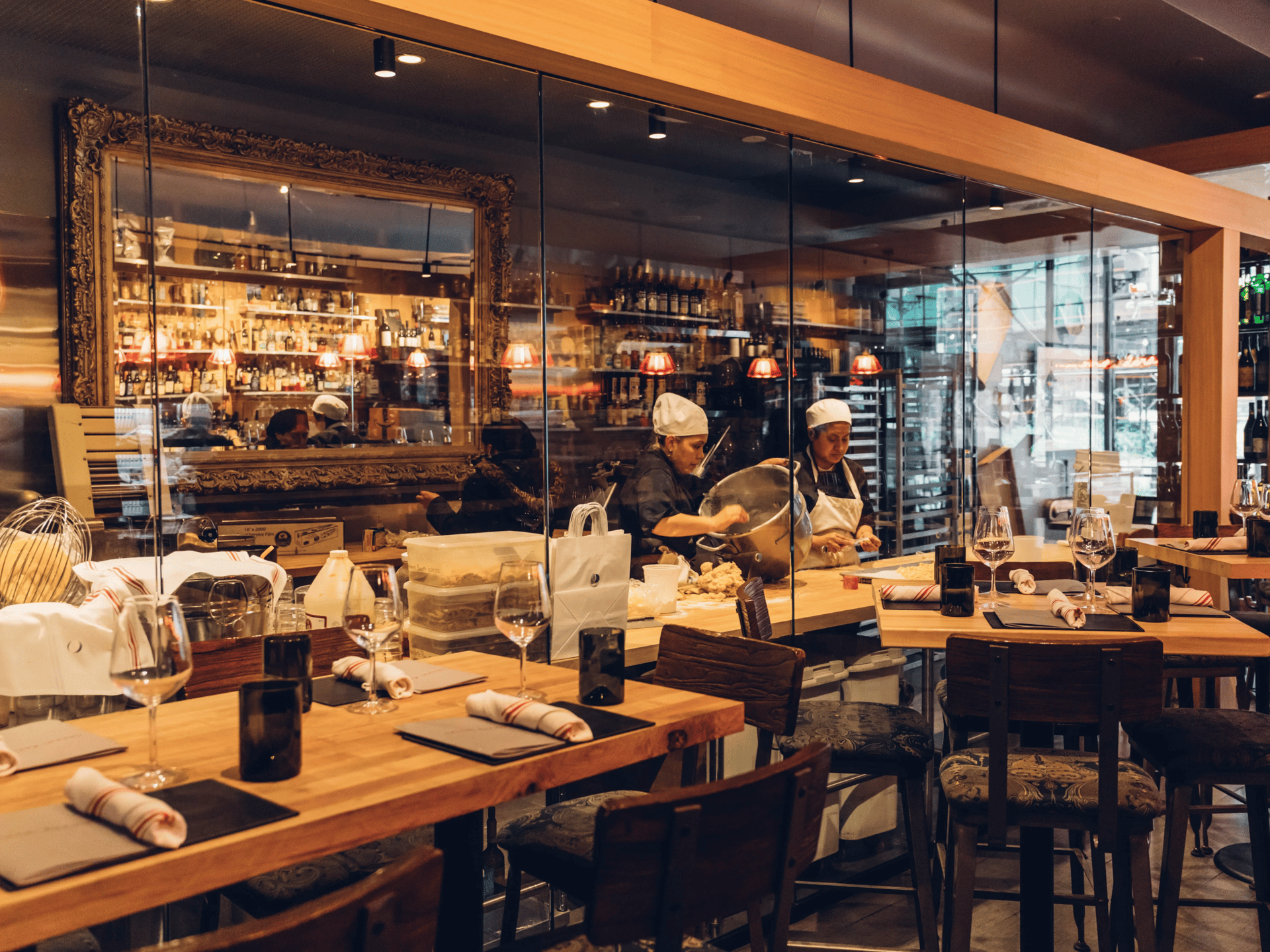
On Third Avenue, Norma Gastronomia Siciliana brings the cooking of Sicily to the western edge of Kips Bay.
The restaurant has earned recognition from the Michelin Guide for its traditional approach to Sicilian food, with pasta, arancini, pizza and regional specialties forming the core of the menu.
The dining room feels rustic and warm rather than overly polished.
It is particularly good when you want Italian food that feels specific to a place rather than a generic collection of familiar dishes.
Save room for dessert.
Vatan offers one of the neighborhood’s most distinctive dining experiences.
The Third Avenue restaurant is devoted to vegetarian Gujarati cooking, served through a prix-fixe thali experience with multiple dishes arriving throughout the meal.
The dining room is designed to evoke a Gujarati village courtyard, creating an atmosphere that feels completely removed from the avenue outside.
The experience is generous, immersive and unlike most Indian restaurants in Manhattan.
Come hungry.
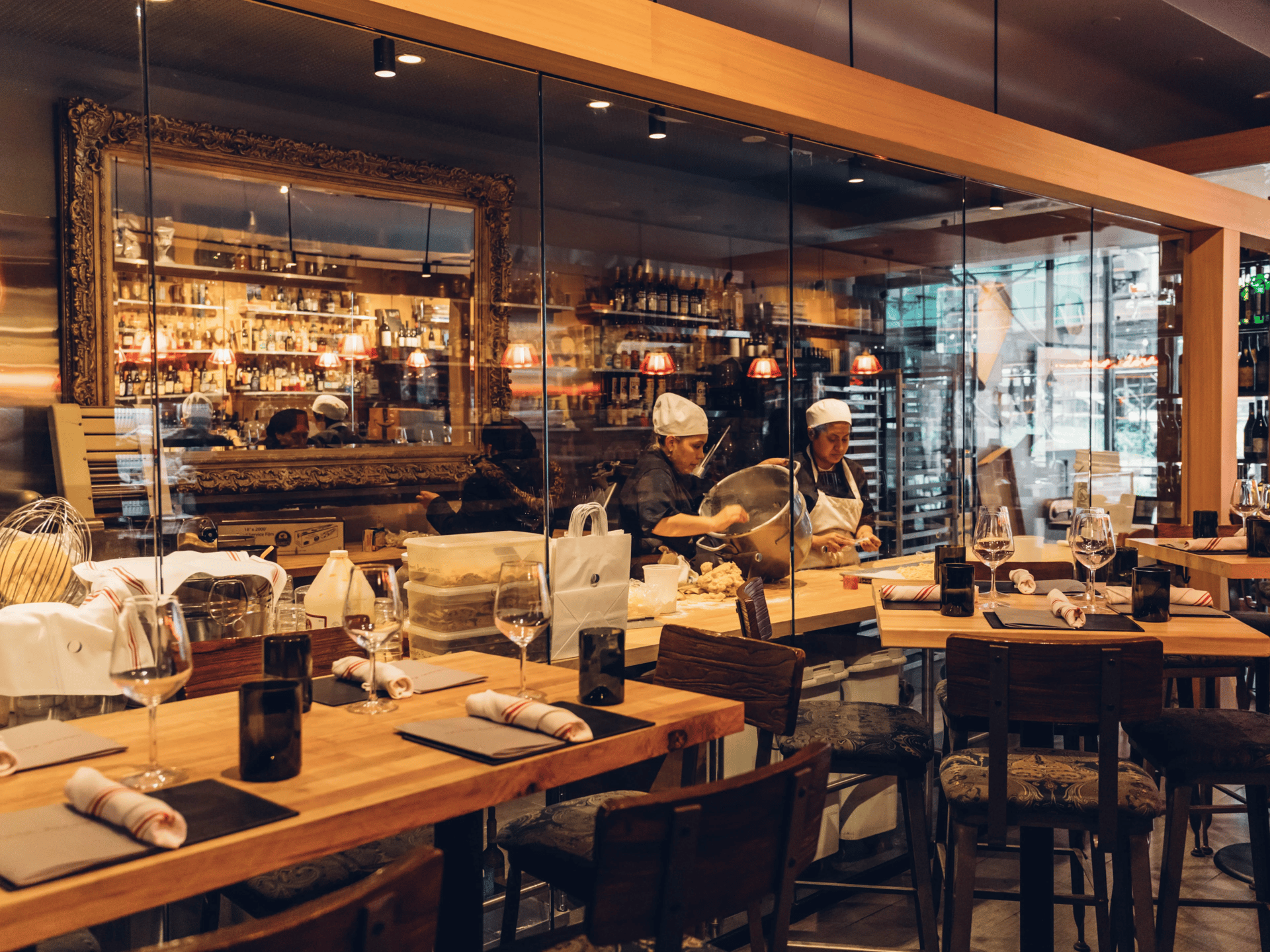
Sahara’s on Second Avenue has been serving traditional Turkish and Mediterranean food since 2005.
Kebabs, grilled meats, meze, salads, seafood and warm bread make it exactly the kind of restaurant that works for an easy neighborhood dinner.
The atmosphere is welcoming rather than scene-driven, and the menu is broad enough for a group where everyone wants something different.
Finish with Turkish coffee or tea and something sweet.
Kips Bay does not have one major museum or cultural institution defining the neighborhood.
Instead, its story is visible through architecture, medicine and several surprisingly important chapters of New York history.
Kips Bay Towers is the neighborhood’s architectural centerpiece.
Originally known as Kips Bay Plaza, the complex was designed by I.M. Pei, S. J. Kessler and James Ingo Freed and completed in 1965.
Two monumental concrete residential slabs frame a private three-acre landscaped garden filled with lawns, trees and recreation space.
The exposed concrete façades give the buildings a distinctly modernist character that still feels remarkably confident decades later.
It is one of Manhattan’s most significant examples of postwar residential architecture — and one of the clearest reasons Kips Bay deserves more architectural attention than it receives.
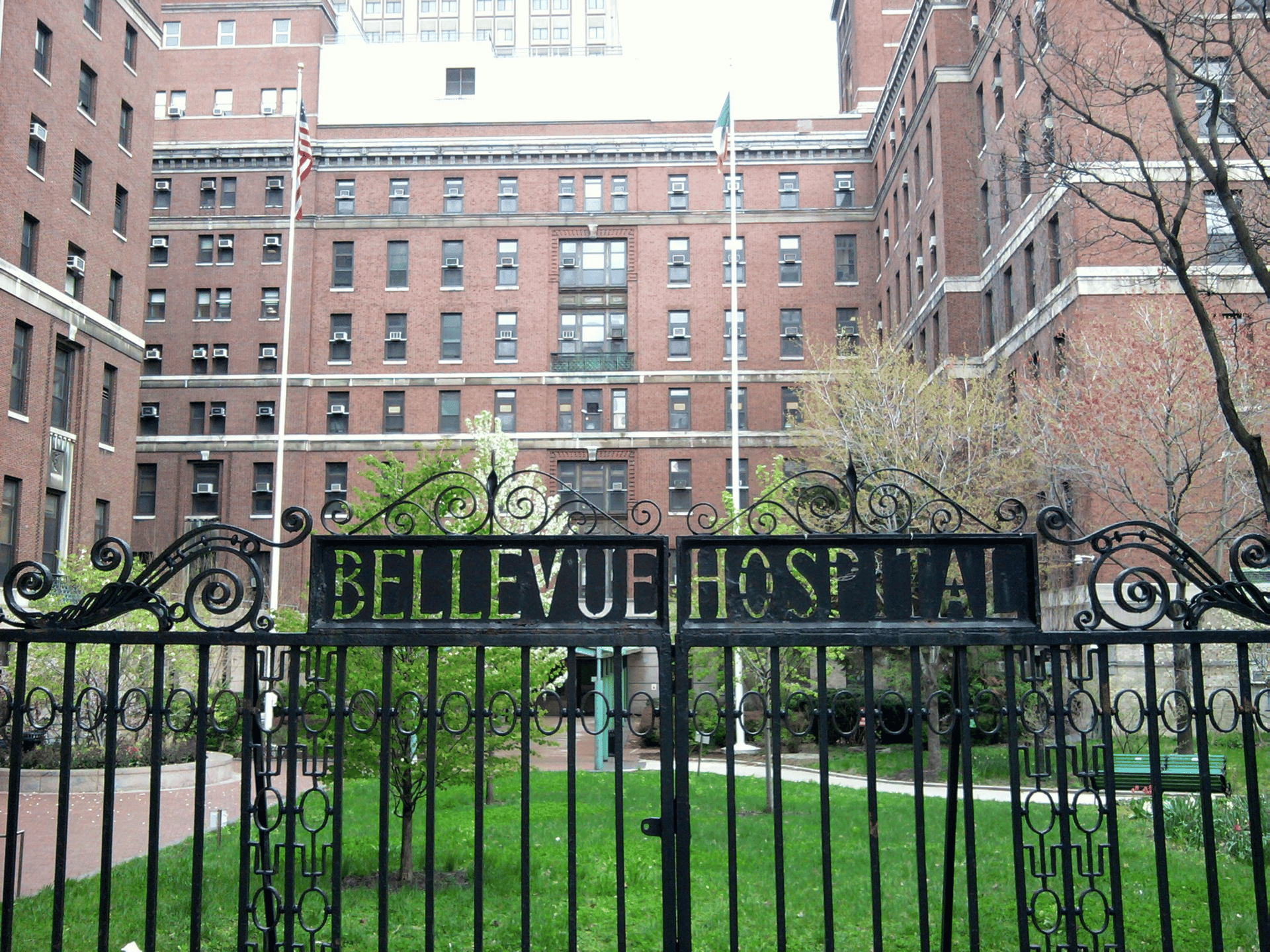
Bellevue is inseparable from the history of Kips Bay.
The hospital traces its roots to a six-bed infirmary established in 1736, making it the oldest continuously operating hospital in the country.
Its connection to Kips Bay began in the 1790s, when the city leased Belle Vue Farm near the East River during recurring yellow fever outbreaks. The institution gradually expanded on the site and became Bellevue Hospital.
Over the centuries, Bellevue has played a major role in medical education, public health, emergency medicine and care for New Yorkers regardless of their ability to pay.
Today, the enormous campus remains a defining presence along First Avenue.
Long before apartment towers or hospitals arrived, the neighborhood played a role in the American Revolution.
On September 15, 1776, British forces landed along the East River at Kip’s Bay during the campaign to capture Manhattan.
American troops retreated as British forces advanced across the island.
The shoreline has changed dramatically since then, and the original bay itself disappeared as Manhattan expanded eastward through landfill.
That makes the history easy to overlook.
One of today’s most ordinary-looking residential sections of Manhattan was once the site of a major military landing.
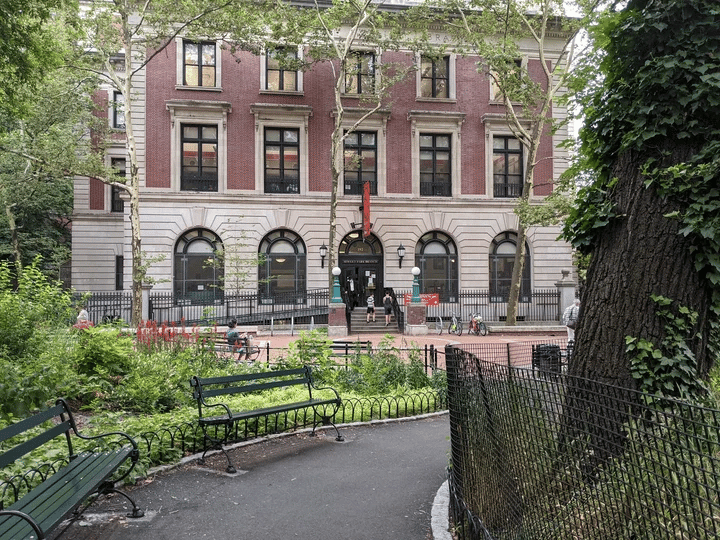
The Kips Bay branch of The New York Public Library on Third Avenue has been part of the neighborhood since 1972.
Designed by architect Giorgio Cavaglieri, it was one of the early NYPL branches designed to be fully accessible to wheelchair users.
Today, it functions exactly as a neighborhood library should: books, classes, community programs and a quiet place to disappear from the avenues outside.
It is not a destination you need to build an afternoon around.
That local quality is precisely why we like it.
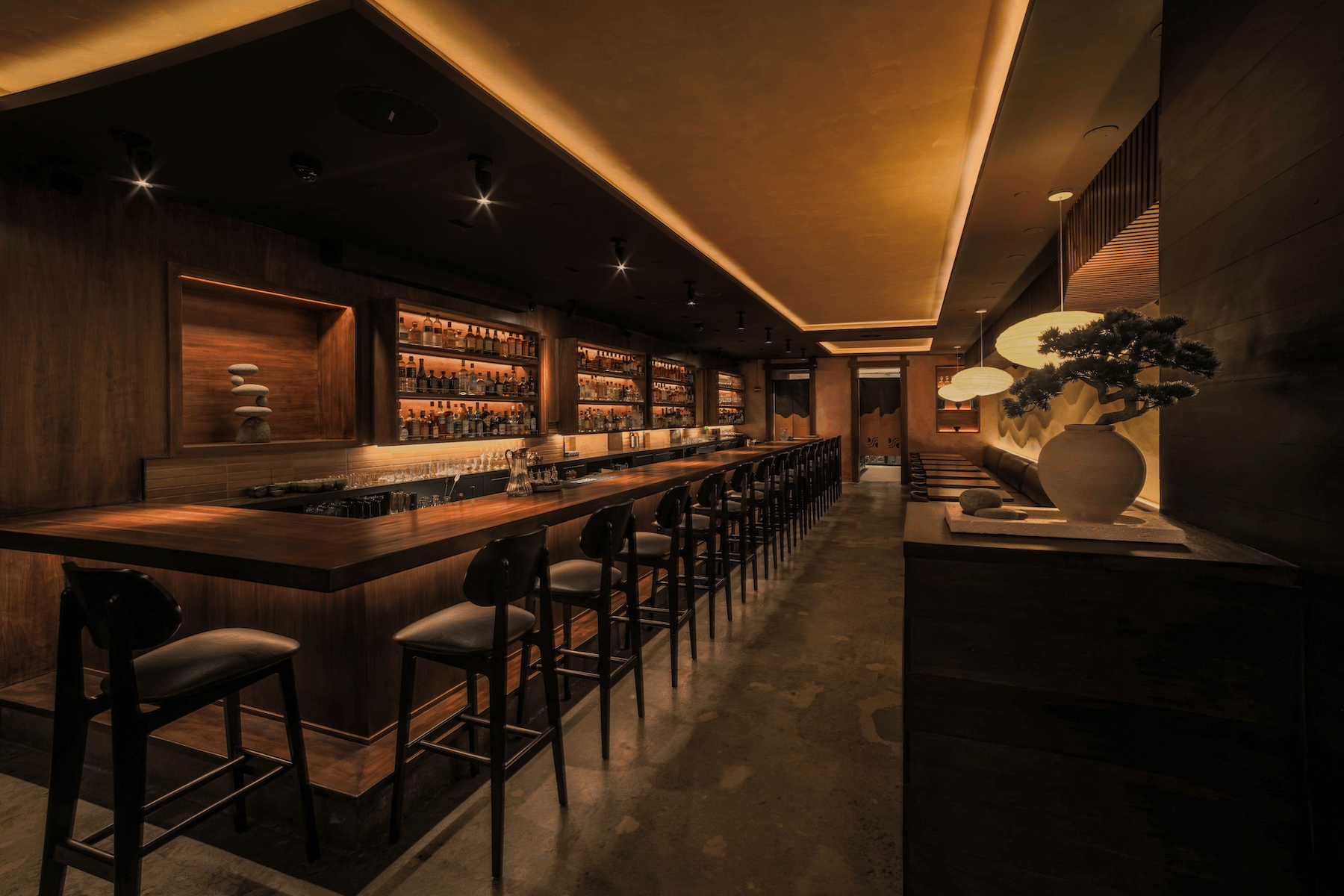
A short walk west of the traditional Kips Bay core, Stone & Soil is one of the most interesting recent additions to the area.
The intimate cocktail bar opened in 2026 inside the Park South Hotel, although its separate entrance and distinctive identity make it feel much more like a standalone destination.
The design takes inspiration from a small Kyoto house, while the drinks draw on Japanese bartending techniques, precision and restrained presentation.
The room is calm, understated and deliberately removed from the pace of the streets outside.
It is especially good when you want a proper cocktail without a loud downtown scene.
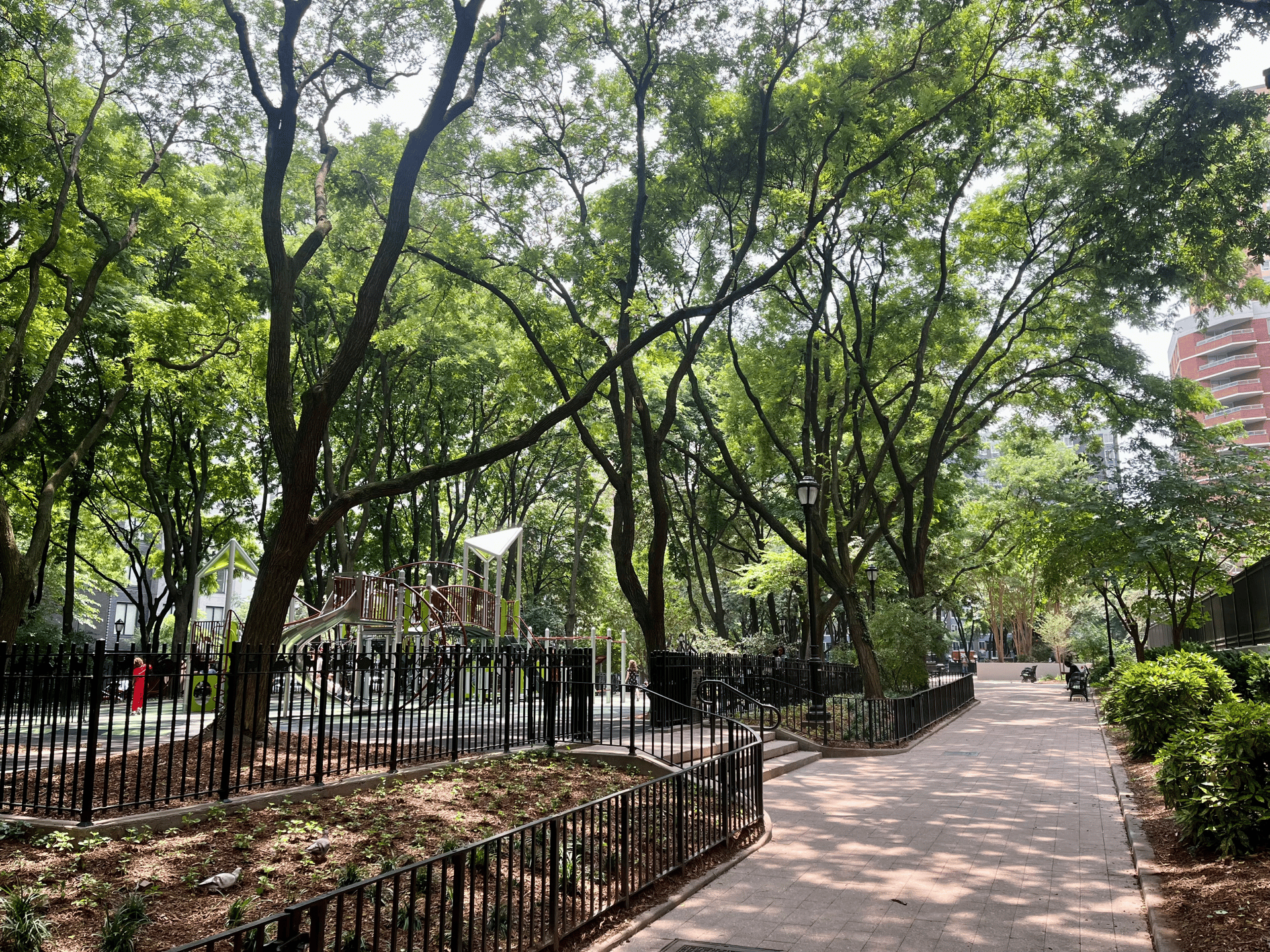
Bellevue South Park provides a welcome patch of green between the neighborhood’s apartment buildings and medical campuses.
Located between East 26th and 28th Streets, the park includes seating, trees, recreation areas and pedestrian paths that connect into the surrounding residential blocks.
It is not one of Manhattan’s grand destination parks.
Instead, it functions as everyday neighborhood space — somewhere for lunch outside, a short walk or a few quiet minutes away from First Avenue.
Few residential developments in Manhattan have a setting quite like Waterside Plaza.
Built in the 1970s on a platform extending into the East River, the complex rises east of the FDR Drive between roughly East 25th and 30th Streets.
Its residential towers surround landscaped outdoor spaces, while the setting offers unusually direct views of the East River, Long Island City and Roosevelt Island.
Getting there feels slightly unusual because the complex sits beyond the conventional Manhattan street grid.
That separation is part of what makes it interesting.
For a neighborhood defined partly by its relationship with the East River, this is where that relationship becomes most tangible.
Kips Bay is not about picturesque streets in the same way as Greenwich Village or SoHo.
Its appeal is more subtle.
Walk East 27th Street around Bellevue South Park and the pedestrian spaces near the medical district, where the traditional Manhattan grid begins to loosen.
Continue north around East 30th through 33rd Streets for some of the strongest views of Kips Bay Towers and its monumental concrete architecture.
Second Avenue provides the neighborhood’s everyday energy, with restaurants, cafés and apartment buildings creating a continuous residential corridor.
Then take East 29th Street all the way east toward Riverpark.
The closer you get to the water, the less the neighborhood feels like Midtown Manhattan.
Kips Bay makes more sense once you stop looking for a single postcard view.
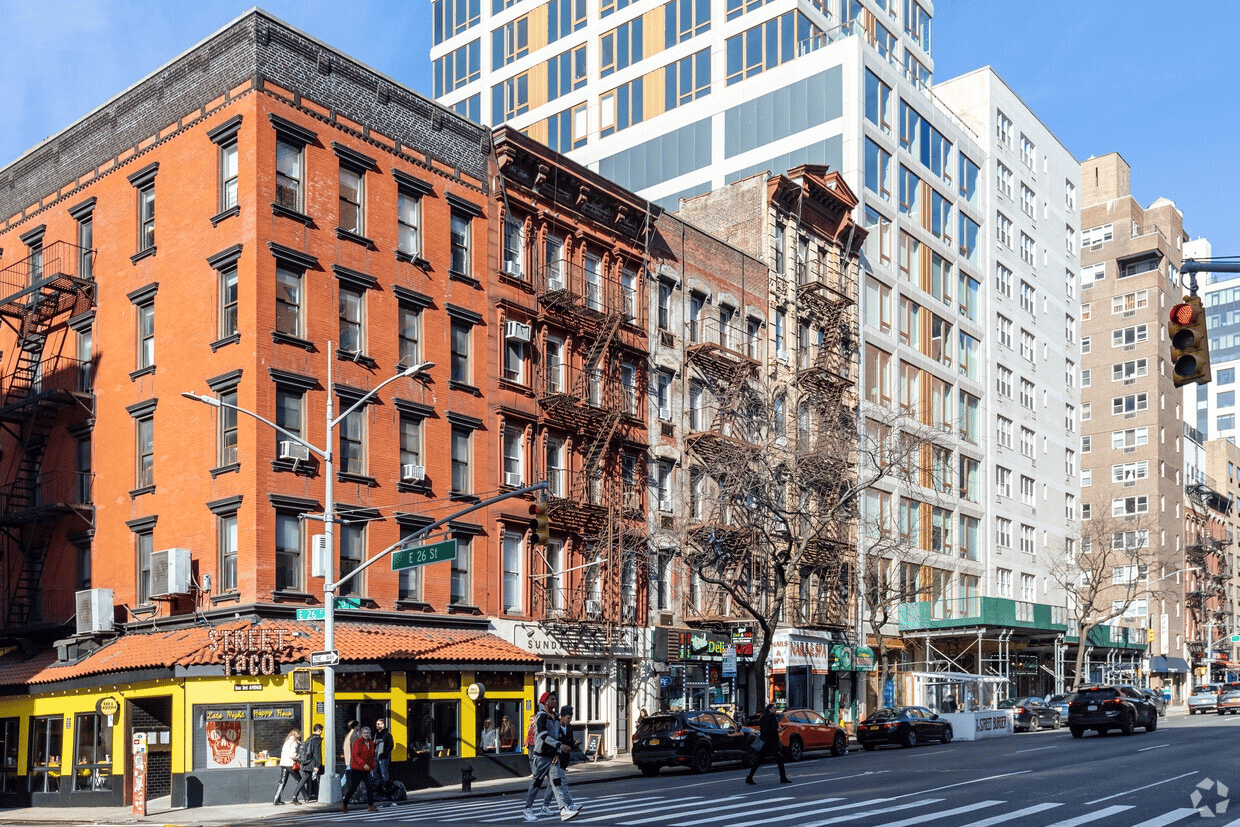
Residentially, Kips Bay is a mix of prewar apartment houses, postwar towers, cooperatives, condominiums and newer rental buildings.
Mid-century developments such as Kips Bay Towers are particularly important to the neighborhood’s identity, while smaller brick buildings along Second and Third Avenues create a more traditional Manhattan streetscape.
The medical corridor brings doctors, researchers, students and hospital employees into the area, while restaurants and everyday conveniences keep the neighborhood unusually practical.
Kips Bay feels central without being especially hectic — a quality that continues to be one of its strongest residential advantages.
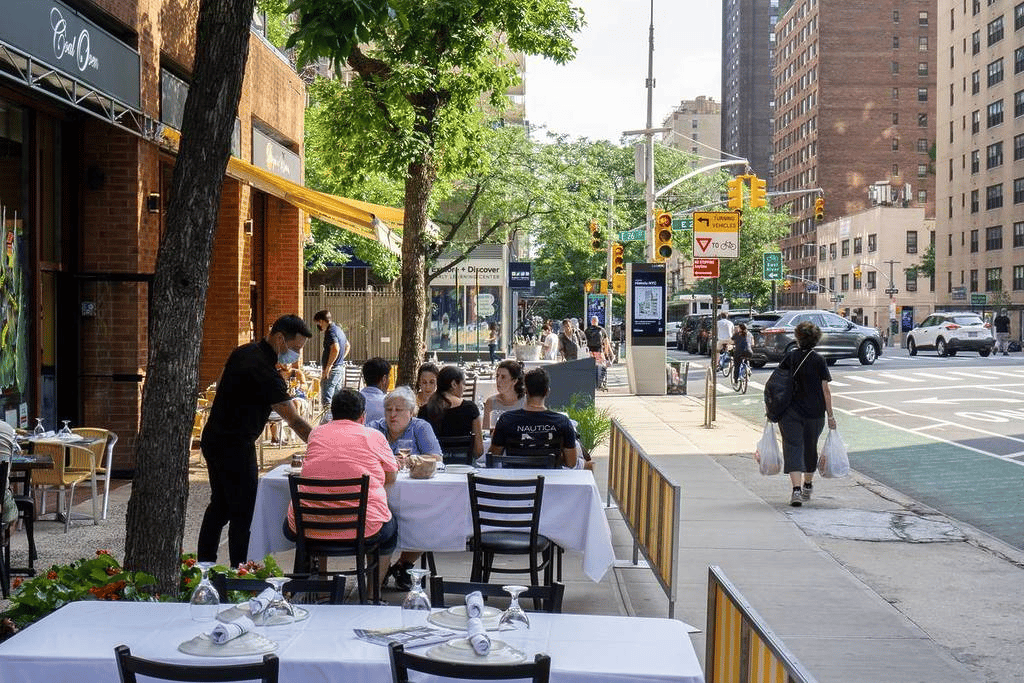
Kips Bay real estate is especially associated with postwar apartment living.
Large cooperative and condominium buildings offer elevators, generous windows and layouts that can feel more spacious than similarly priced homes in older downtown neighborhoods, while properties such as Kips Bay Towers add significant architectural pedigree.
Prewar apartments and newer condominiums provide additional options, and waterfront buildings around Waterside Plaza offer a very different residential setting with broad East River views.
From classic co-ops and mid-century condominiums to contemporary rentals and waterfront residences, Kips Bay offers a particularly varied slice of East Side Manhattan living.
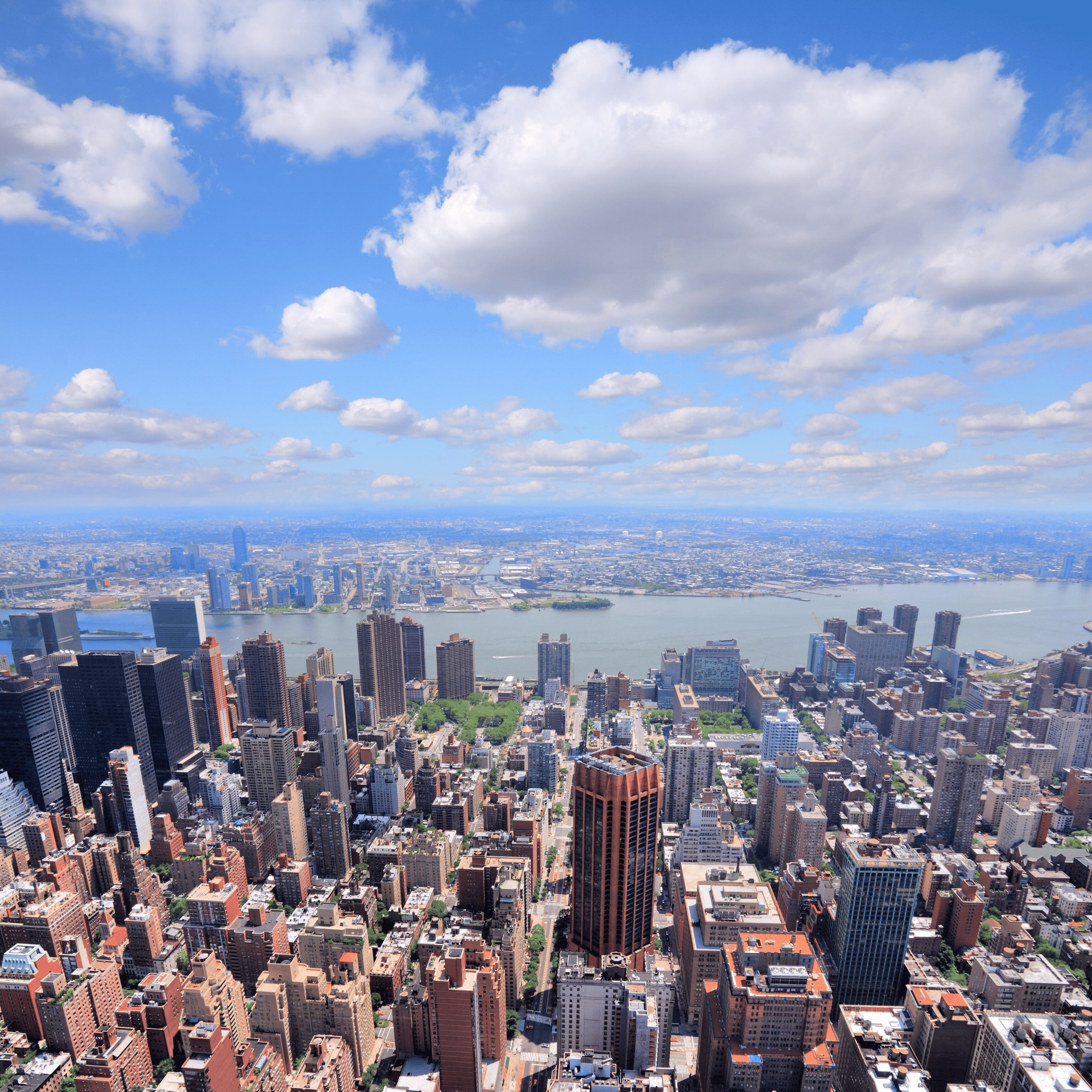
Whether you are drawn to a classic prewar apartment, a mid-century residence at Kips Bay Towers or a contemporary home with East River views, explore what is currently available across Kips Bay.
34,603 people live in Kips Bay, where the median age is 36 and the average individual income is $107,550. Data provided by the U.S. Census Bureau.
Total Population
Median Age
Population Density
Average individual Income
There's plenty to do around Kips Bay, including shopping, dining, nightlife, parks, and more. Data provided by Walk Score and Yelp.
Explore popular things to do in the area, including Sorrentinos Pizzeria, Rita's Restaurant, and Hina Foods and Company.
| Name | Category | Distance | Reviews |
Ratings by
Yelp
|
|---|---|---|---|---|
| Dining | 0.07 miles | 1 review | 5/5 stars | |
| Dining | 0.16 miles | 0 reviews | 0/5 stars | |
| Dining | 0.18 miles | 0 reviews | 0/5 stars | |
| Dining | 0.26 miles | 2 reviews | 2/5 stars | |
| Dining | 0.26 miles | 2 reviews | 4/5 stars | |
| Dining | 0.27 miles | 0 reviews | 0/5 stars | |
| Dining | 0.34 miles | 0 reviews | 0/5 stars | |
| Active | 0.23 miles | 0 reviews | 0/5 stars | |
|
|
||||
|
|
||||
|
|
||||
|
|
||||
|
|
||||
|
|
Kips Bay has 18,128 households, with an average household size of 2. Data provided by the U.S. Census Bureau. Here’s what the people living in Kips Bay do for work — and how long it takes them to get there. Data provided by the U.S. Census Bureau. 34,603 people call Kips Bay home. The population density is 134,433 and the largest age group is Data provided by the U.S. Census Bureau.
Total Population
Population Density Population Density This is the number of people per square mile in a neighborhood.
Median Age
Men vs Women
Population by Age Group
0-9 Years
10-17 Years
18-24 Years
25-64 Years
65-74 Years
75+ Years
Education Level
Total Households
Average Household Size
Average individual Income
Households with Children
With Children:
Without Children:
Blue vs White Collar Workers
Blue Collar:
White Collar:
590 Madison Ave, Floor 8 New York, NY10022
590 Madison Ave, Floor 8 New York, NY10022
