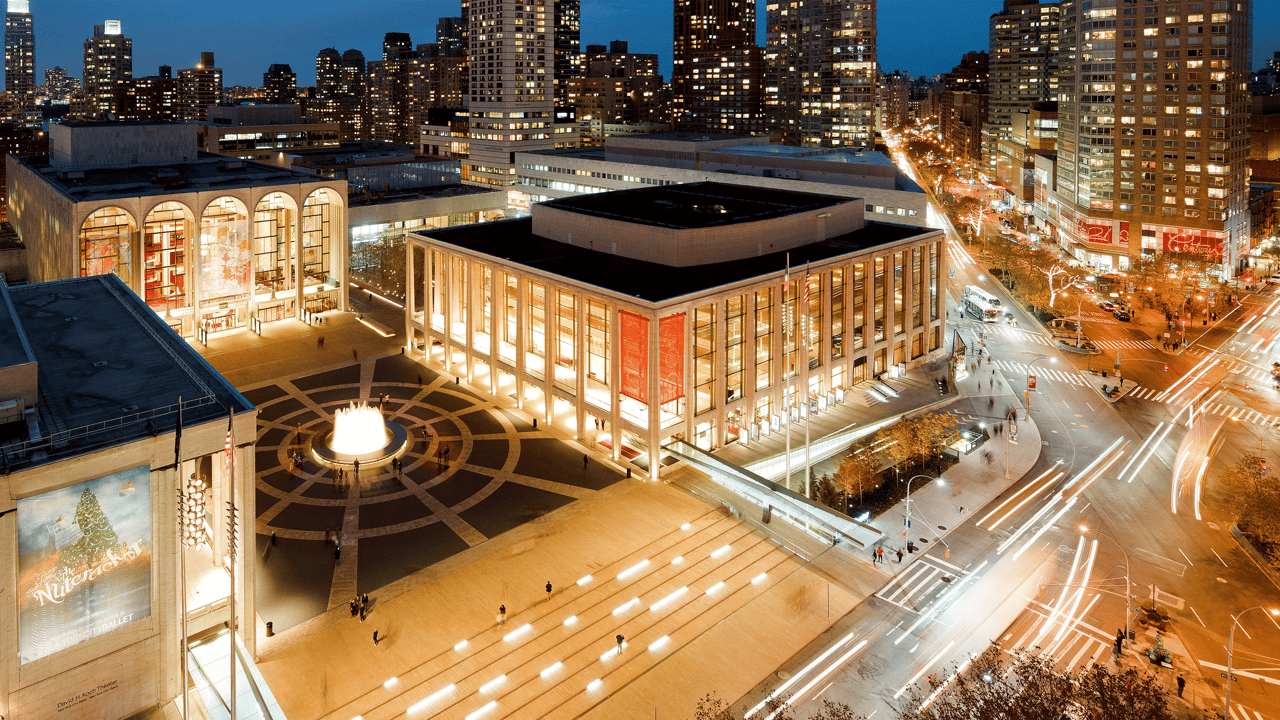
Culture at the center of everyday life: Lincoln Center performances, elegant apartment towers, destination restaurants, Broadway energy and the quieter residential streets of the Upper West Side just beyond.
Lincoln Square has a rhythm unlike almost anywhere else in Manhattan.
On any given evening, audiences are arriving for the opera, ballet or Philharmonic while residents are walking home with groceries, students are leaving Juilliard and restaurants fill with pre-theater dinners. The neighborhood manages to feel like an international cultural destination and a genuine residential community at the same time.
Its history is more complicated than the polished plazas suggest. Before Lincoln Center transformed the area, much of this part of the West Side was known as San Juan Hill, a densely populated and culturally important community with deep connections to Black and Latino life and New York jazz. Mid-century urban renewal reshaped those blocks dramatically, eventually producing the Lincoln Square we know today.
Spend enough time here and you quickly find your own routine: coffee on Columbus Avenue, a walk across Lincoln Center Plaza, lunch somewhere near Broadway, an afternoon exhibition or rehearsal and dinner before a performance when the entire neighborhood seems to come alive.
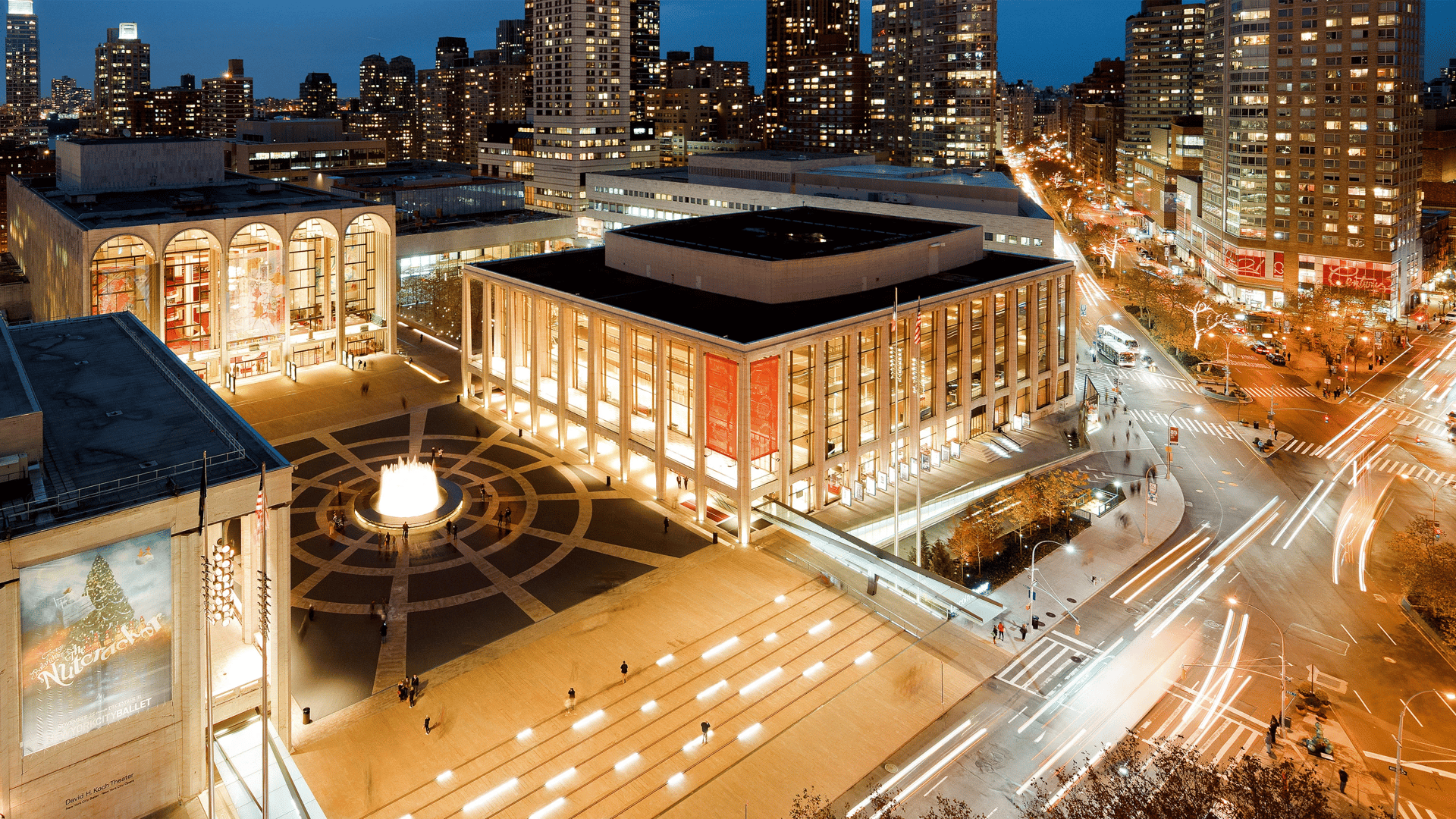
Culture is part of daily life here rather than something reserved for a special occasion.
The Metropolitan Opera, New York Philharmonic, New York City Ballet, Juilliard, Lincoln Center Theater, Film at Lincoln Center and several other major arts organizations are all concentrated within a remarkably small area.
That changes the feeling of the streets around them.
Broadway and Columbus Avenue stay animated well into the evening, restaurants understand the timing of a curtain call and it is completely normal to pass musicians carrying instruments or dancers heading between rehearsals.
The neighborhood’s physical character is equally distinctive.
Lincoln Center’s travertine buildings and plazas sit beside substantial postwar apartment towers, while older Upper West Side architecture gradually appears as you continue north.
The result feels polished but never entirely corporate.
There is always something happening.
The Lincoln Square location of maman on Columbus Avenue is an easy place to begin the day.
The French-inspired café combines coffee and pastries with the warm, slightly romantic interiors the brand is known for, while its location directly beside Lincoln Center makes it especially convenient before an exhibition, rehearsal or morning walk.
Order an espresso and something from the pastry case, then continue toward the plaza.
Lincoln Center feels completely different before the evening crowds arrive.
You do not need a ticket to enjoy Lincoln Center.
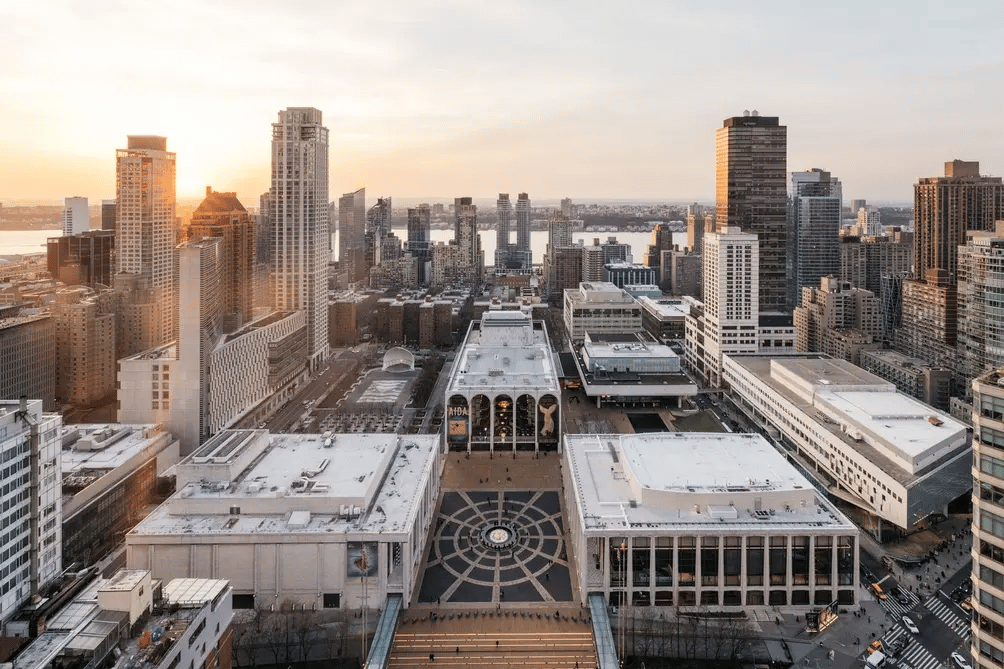
Enter from Columbus Avenue and walk through Josie Robertson Plaza, past the Revson Fountain and between the monumental façades of the Metropolitan Opera House, David Geffen Hall and David H. Koch Theater.
Continue toward Hearst Plaza and the sloping Illumination Lawn before looping past Juilliard and Alice Tully Hall.
The campus has become much more than a collection of performance venues.
It is one of the neighborhood’s most important public spaces — somewhere to meet, sit outside, hear music and watch New York move around you.
Lincoln Square understands dinner with a deadline.
Restaurants here are unusually good at moving naturally between neighborhood dining and the pre-performance crowd, while the best places still feel worth visiting even when you do not have a ticket afterward.
The mix ranges from one of Manhattan’s most sought-after restaurants to classic Upper West Side institutions that have been feeding Lincoln Center audiences for decades.
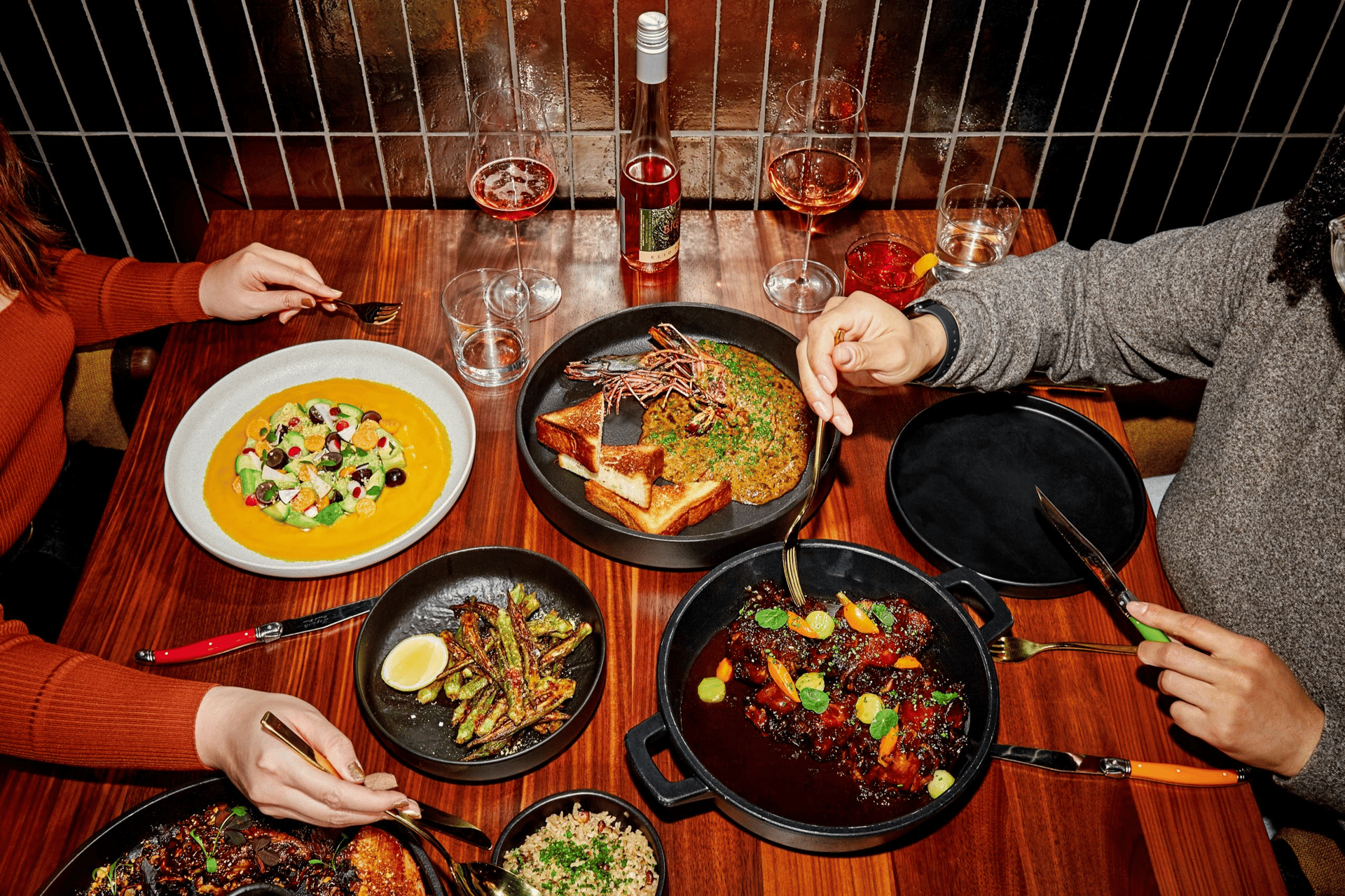
For a special dinner, Tatiana is the obvious choice.
Chef Kwame Onwuachi’s restaurant inside David Geffen Hall draws from his New York upbringing and Caribbean, African and Black American culinary traditions, creating a menu that feels deeply personal while still reflecting the city around it.
Dishes are designed for sharing, moving between bold sauces, seafood, oxtail, patties and playful references to New York food culture.
The room has considerably more energy than a traditional Lincoln Center dining room.
That contrast is part of what makes Tatiana so good.
It feels completely contemporary while sitting at the center of one of Manhattan’s most established cultural institutions.
Lincoln Ristorante feels almost inseparable from the architecture surrounding it.
Set inside a glass pavilion on the Lincoln Center campus, the restaurant offers contemporary Italian cooking in a room framed by views of the plaza.
The menu moves through handmade pasta, seafood, seasonal ingredients and polished Italian dishes, while the open kitchen keeps the room from feeling overly formal.
Come before the opera or Philharmonic, but give yourself enough time to actually enjoy dinner.
This is one pre-theater restaurant where rushing would miss the point.
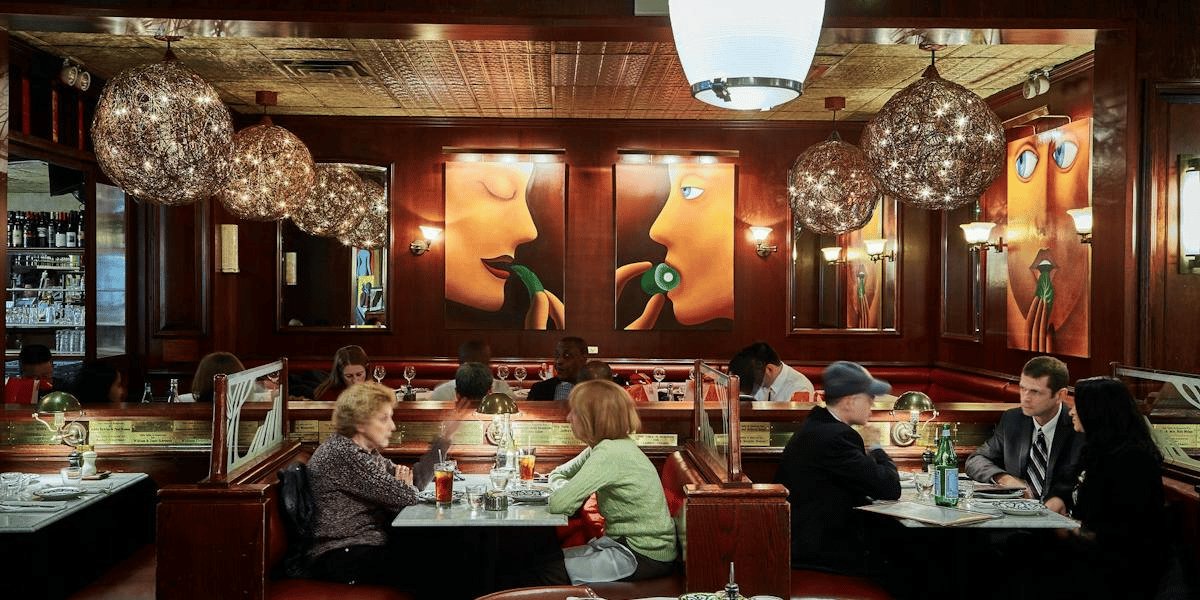
A few blocks north, Cafe Luxembourg has been an Upper West Side fixture since 1983.
The red awning, banquettes and bustling room give it the atmosphere of a neighborhood brasserie that has been doing the same thing well for decades.
The menu leans French-American, with oysters, salads, steak, fish, burgers and familiar classics that work equally well at breakfast, lunch or dinner.
It is polished without feeling precious.
That balance has kept it relevant through generations of neighborhood change.
Directly across Broadway from Lincoln Center, Cafe Fiorello has mastered the art of the pre-performance dinner.
The Italian restaurant is known for its antipasto displays, thin-crust pizza, pasta, seafood and lively dining room, with service accustomed to getting people comfortably to their seats before the curtain rises.
The location could not be more convenient.
But Fiorello has lasted because it works even when there is nowhere you need to be afterward.
Sit outside when the weather is good and let Lincoln Square provide the scenery.
Rosa Mexicano entered a new chapter in 2026 when its Lincoln Center flagship moved into the Empire Hotel.
The second-floor dining room sits directly across from the Metropolitan Opera House, making it an especially easy choice before a performance.
Tableside guacamole remains essential, alongside Mexican classics, ceviches, enchiladas and the restaurant’s signature pomegranate margaritas.
The new setting feels more elevated than the longtime Columbus Avenue location while keeping the celebratory atmosphere that made Rosa Mexicano a neighborhood fixture for decades.
P.J. Clarke’s brings a little old-school New York energy to West 63rd Street.
The Lincoln Square location keeps things straightforward: burgers, oysters, steaks, sandwiches and a proper bar only steps from the performance halls.
It is particularly useful when you want dinner without turning it into an event.
Order a burger, have a drink and head across the street for the show.
There may be no Manhattan neighborhood more closely identified with the performing arts.
Lincoln Center’s campus alone brings together eleven arts and arts-education organizations, while smaller museums and cultural institutions extend that identity into the surrounding blocks.
You could spend years living here without exhausting the calendar.
Lincoln Center is the neighborhood’s defining institution.
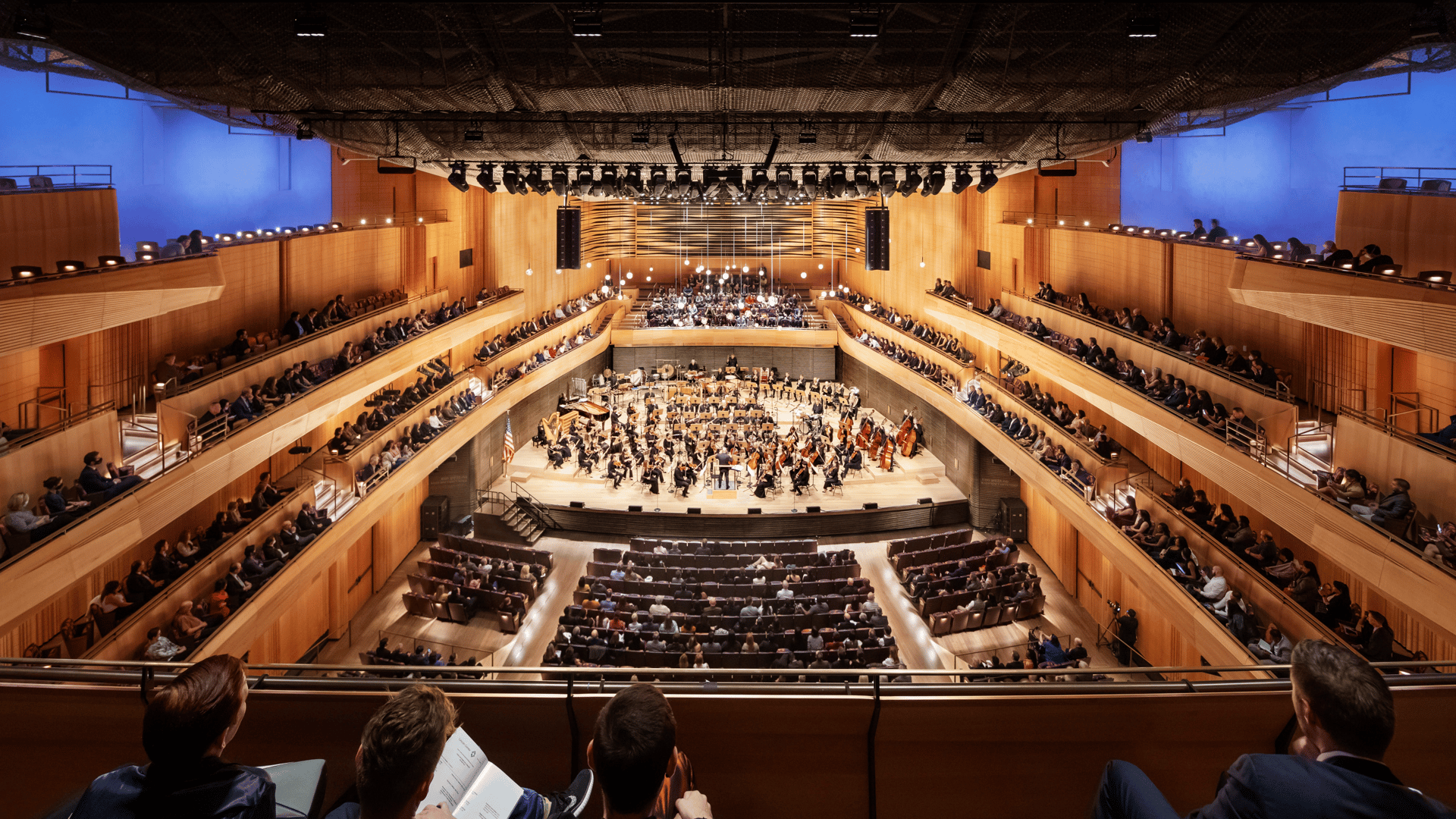
The approximately 16-acre campus is home to organizations including the Metropolitan Opera, New York Philharmonic, New York City Ballet, Lincoln Center Theater, Film at Lincoln Center and the Chamber Music Society.
Opera, ballet, orchestral music, theater, film and contemporary programming overlap throughout the year.
The architecture matters almost as much as the performances.
At night, the illuminated travertine buildings surrounding the fountain create one of Manhattan’s most recognizable civic spaces.
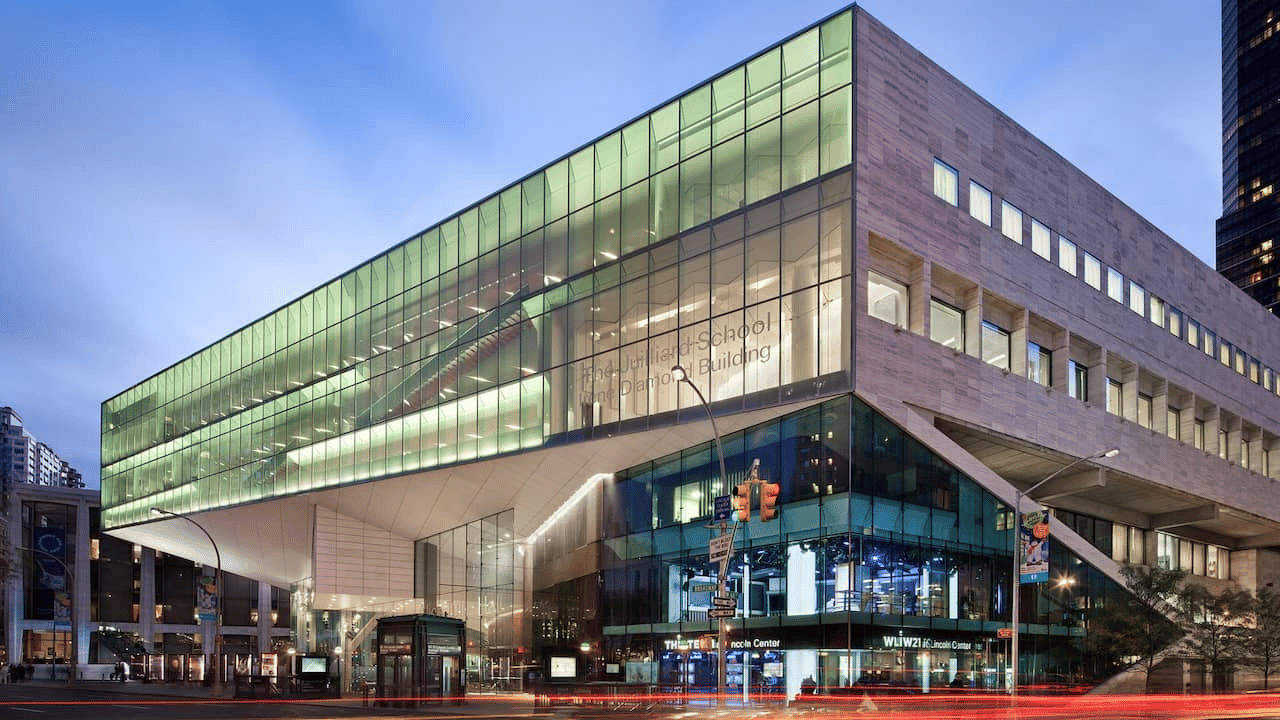
Juilliard sits directly within the Lincoln Center campus and brings a younger creative energy to the neighborhood.
Students in music, dance and drama train only steps from some of the most important stages in their respective fields.
Public performances offer one of the best ways to experience the school.
Many programs give audiences the chance to hear or see exceptional emerging artists before their careers move far beyond the student stage.
Located beside the Metropolitan Opera House, the Library for the Performing Arts is one of Lincoln Square’s most underrated cultural resources.
Its collections cover theater, dance, music and recorded sound, while exhibitions and public programs make much of that material accessible without requiring specialist knowledge.
Admission is free.
Come for an exhibition and stay long enough to remember that some of New York’s most interesting cultural institutions do not require a ticket.
At 2 Lincoln Square, the American Folk Art Museum offers something completely different from the performing arts world surrounding it.
The museum focuses on folk and self-taught artists, bringing together work created both within and outside conventional academic traditions.
Admission is free, and the intimate scale makes it especially easy to visit before or after another Lincoln Square stop.
Following a major renovation completed in 2026, the museum feels refreshed while remaining one of the neighborhood’s quieter cultural institutions.
For cocktails with a view, head upstairs.
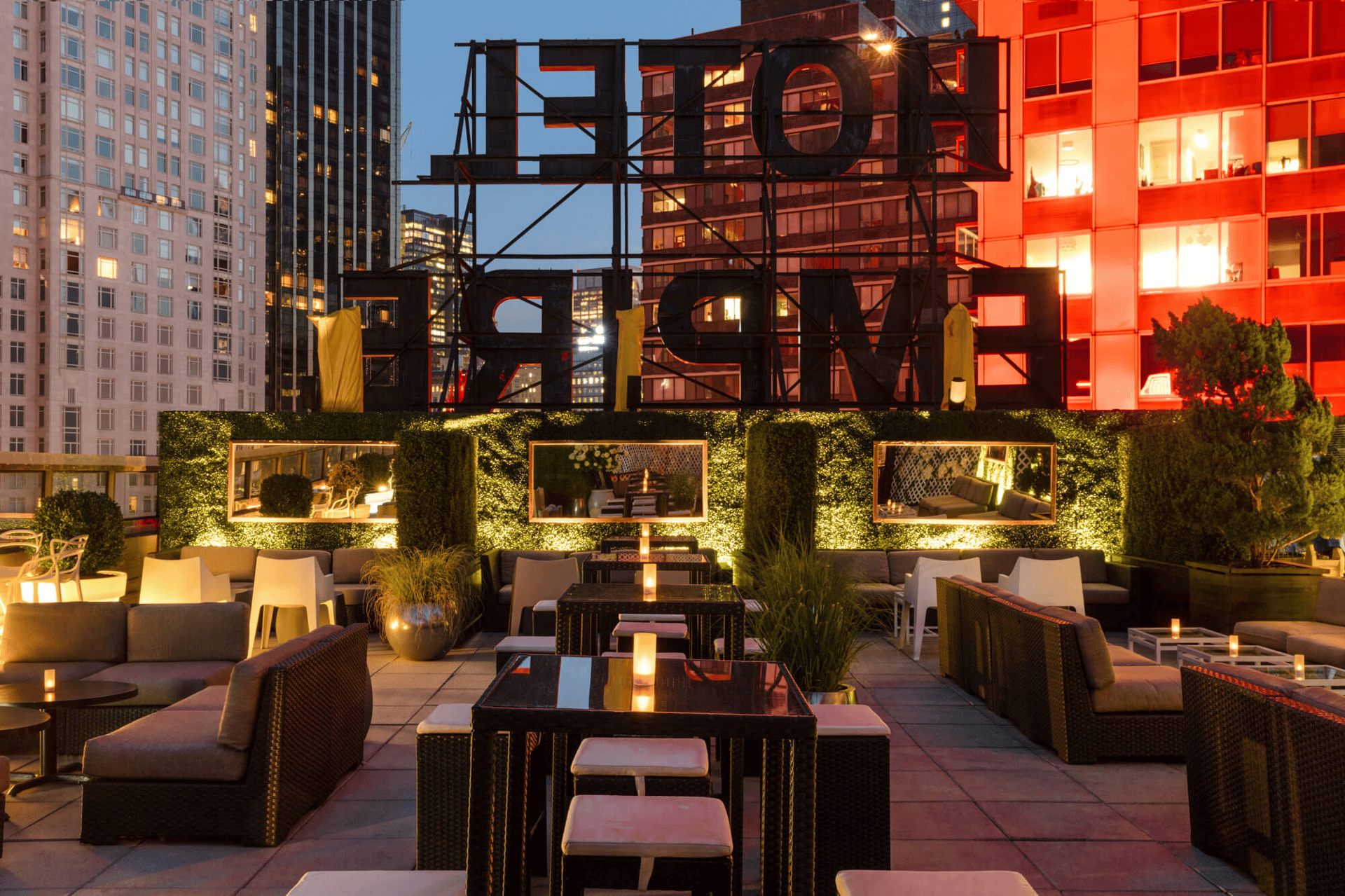
The Empire Rooftop occupies the top floor of the Empire Hotel directly across from Lincoln Center, with indoor lounge space and terraces overlooking the neighborhood.
The best view is toward the Lincoln Center complex itself.
Come before sunset, order a cocktail and watch the lights gradually come on around the Metropolitan Opera House and surrounding towers.
Few bars make the neighborhood feel this cinematic.
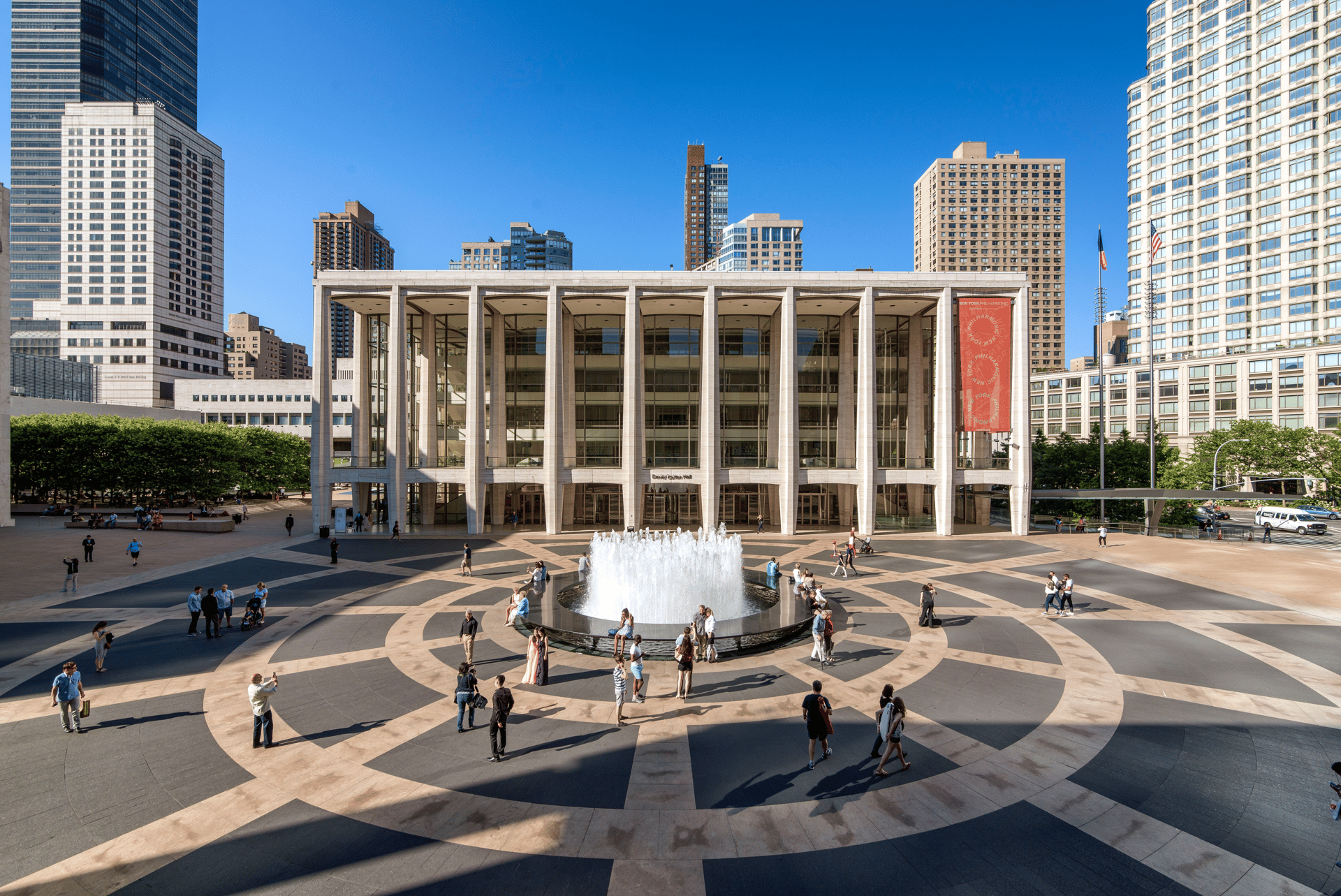
Lincoln Center’s outdoor spaces function like the neighborhood’s communal living room.
Josie Robertson Plaza centers on the Revson Fountain and is surrounded by the campus’s best-known performance halls, while Hearst Plaza offers trees, seating, water and the sloping Illumination Lawn near the north side of the campus.
Neither requires a performance ticket.
Come with coffee, sit outside and let the activity around the arts complex provide entertainment.
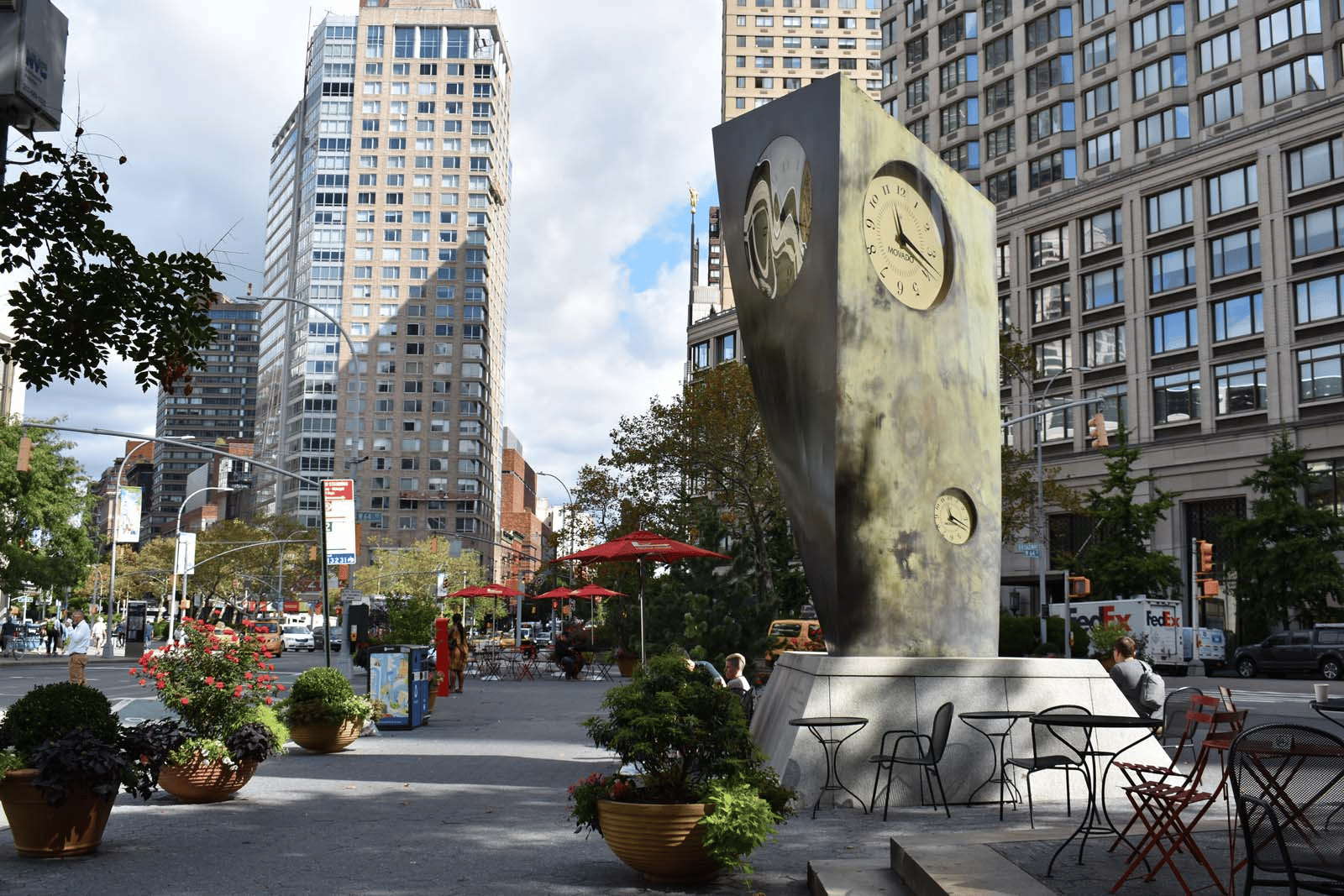
Broadway creates two small triangular parks as it cuts diagonally through the Manhattan grid.
Dante Park sits opposite Lincoln Center near West 63rd Street, while Richard Tucker Park occupies another small triangle around West 66th.
Neither is large, but both play an important role in the neighborhood.
Tables, chairs, plantings and constant pedestrian traffic make them ideal places to sit for a few minutes between errands, meals and performances.
They are small pieces of public space in a neighborhood built around much larger cultural gestures.
Lincoln Square is best understood along Broadway and Columbus Avenue.
Broadway provides the energy: theaters, restaurants, apartment towers and small public plazas follow its diagonal route through the neighborhood.
Columbus Avenue feels more directly connected to Lincoln Center, particularly around West 62nd through 67th Streets, where cultural institutions and restaurants sit almost on top of one another.
Walk west along West 65th Street through the campus toward Amsterdam Avenue and the neighborhood changes quickly.
That side of Lincoln Center also carries the memory of San Juan Hill, the community displaced during the urban-renewal projects that created the arts complex and surrounding developments.
Farther north, West 67th through 70th Streets begin to feel more traditionally Upper West Side, with residential buildings, trees and neighborhood restaurants replacing the monumental scale of Lincoln Center.
Lincoln Square is compact.
Its different personalities are only a few blocks apart.
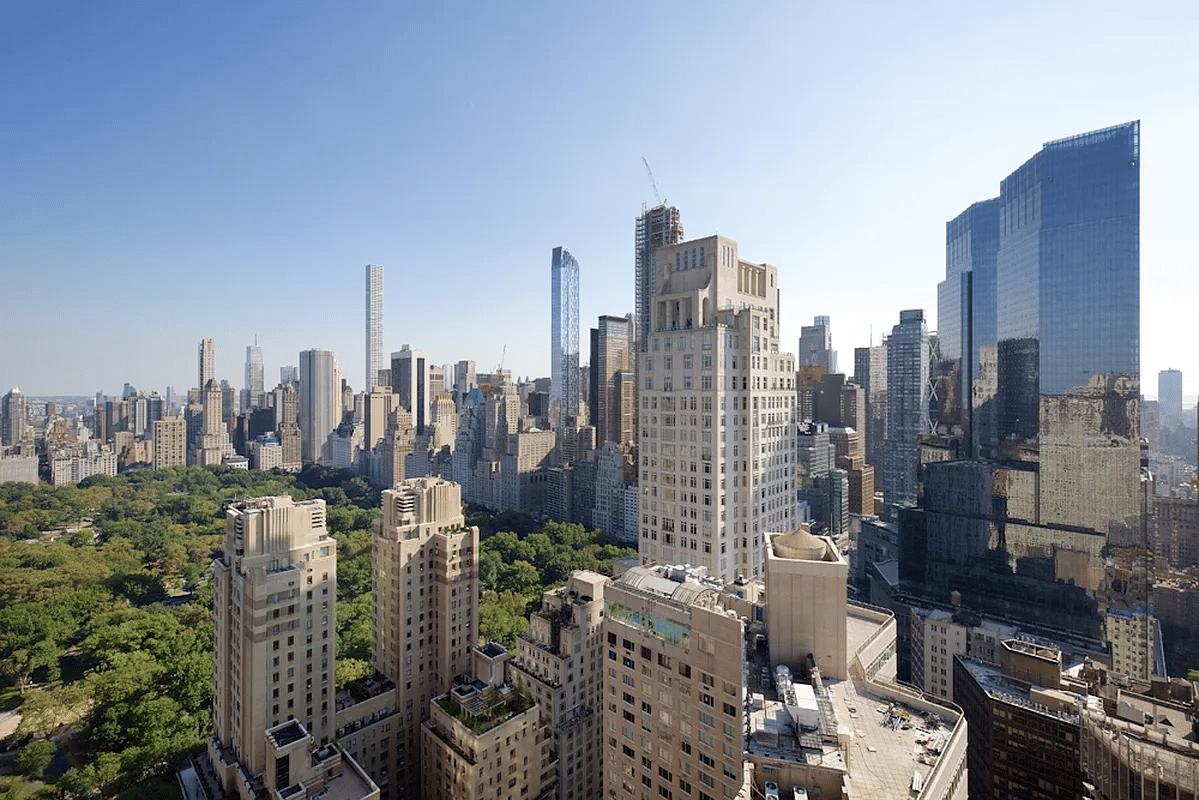
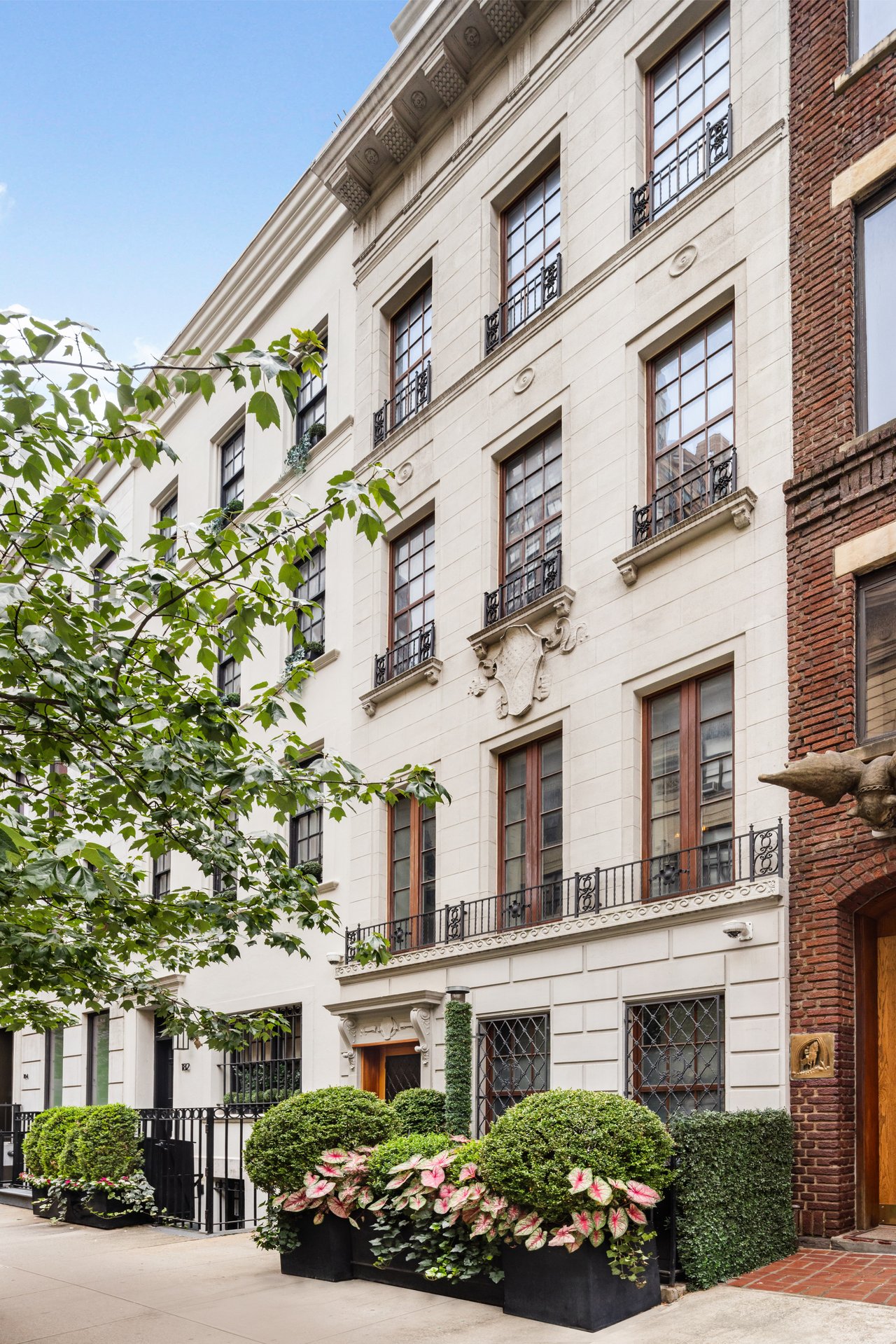
Residentially, Lincoln Square combines large postwar apartment complexes, full-service towers, condominiums, cooperatives and older Upper West Side buildings.
Lincoln Towers is one of the neighborhood’s defining residential developments, with a large landscaped campus and multiple cooperative buildings stretching west of Amsterdam Avenue.
Closer to Broadway and Columbus Avenue, high-rise residences offer doormen, elevators and views toward Lincoln Center, Central Park or the Hudson, while older buildings farther north bring more traditional prewar character.
The neighborhood is exceptionally convenient, with the 1 train at 66th Street, multiple bus routes and Columbus Circle only a short walk south.
For residents, the real luxury is having world-class culture integrated into ordinary neighborhood life.
Lincoln Square real estate reflects the neighborhood’s mid-century transformation.
Large postwar cooperatives such as Lincoln Towers sit alongside full-service rental buildings, luxury condominiums and prewar residences closer to the traditional Upper West Side streets.
Newer high-rises around Broadway, Columbus Circle and the southern edge of the neighborhood can offer expansive views, contemporary amenities and direct access to Lincoln Center.
The housing tends to feel more vertical and modern than farther north on the Upper West Side, while still benefiting from proximity to Central Park, Riverside Park and the neighborhood’s cultural institutions.
From spacious postwar co-ops to contemporary luxury condominiums, Lincoln Square offers a distinctly cultural version of West Side living.
Whether you are drawn to a spacious postwar cooperative, a full-service residence overlooking Lincoln Center or a contemporary condominium close to Central Park, explore what is currently available across Lincoln Square.
60,309 people live in Lincoln Square, where the median age is 45 and the average individual income is $142,132. Data provided by the U.S. Census Bureau.
Total Population
Median Age
Population Density
Average individual Income
There's plenty to do around Lincoln Square, including shopping, dining, nightlife, parks, and more. Data provided by Walk Score and Yelp.
Explore popular things to do in the area, including GoMo, and NYCity Bike Rental.
| Name | Category | Distance | Reviews |
Ratings by
Yelp
|
|---|---|---|---|---|
| Shopping | 0.17 miles | 0 reviews | 0/5 stars | |
| Active | 0.11 miles | 1 review | 3/5 stars | |
|
|
||||
|
|
||||
|
|
||||
|
|
||||
|
|
||||
|
|
Lincoln Square has 31,142 households, with an average household size of 2. Data provided by the U.S. Census Bureau. Here’s what the people living in Lincoln Square do for work — and how long it takes them to get there. Data provided by the U.S. Census Bureau. 60,309 people call Lincoln Square home. The population density is 152,041 and the largest age group is Data provided by the U.S. Census Bureau.
Total Population
Population Density Population Density This is the number of people per square mile in a neighborhood.
Median Age
Men vs Women
Population by Age Group
0-9 Years
10-17 Years
18-24 Years
25-64 Years
65-74 Years
75+ Years
Education Level
Total Households
Average Household Size
Average individual Income
Households with Children
With Children:
Without Children:
Blue vs White Collar Workers
Blue Collar:
White Collar:
590 Madison Ave, Floor 8 New York, NY10022
590 Madison Ave, Floor 8 New York, NY10022