Old New York with an Italian-American soul: historic tenements, red-sauce institutions, espresso and pastries, Mulberry Street traditions and generations of stories packed into a few downtown blocks.
Little Italy may be smaller than it once was, but few Manhattan neighborhoods carry such a recognizable identity. Italian immigrants began settling this part of Lower Manhattan in large numbers in the late 19th century, building churches, social clubs, restaurants, bakeries and businesses that shaped the streets for generations.
Today, the historic core is concentrated around Mulberry Street, where century-old traditions coexist with newer restaurants, contemporary apartments and the constant energy of downtown Manhattan.
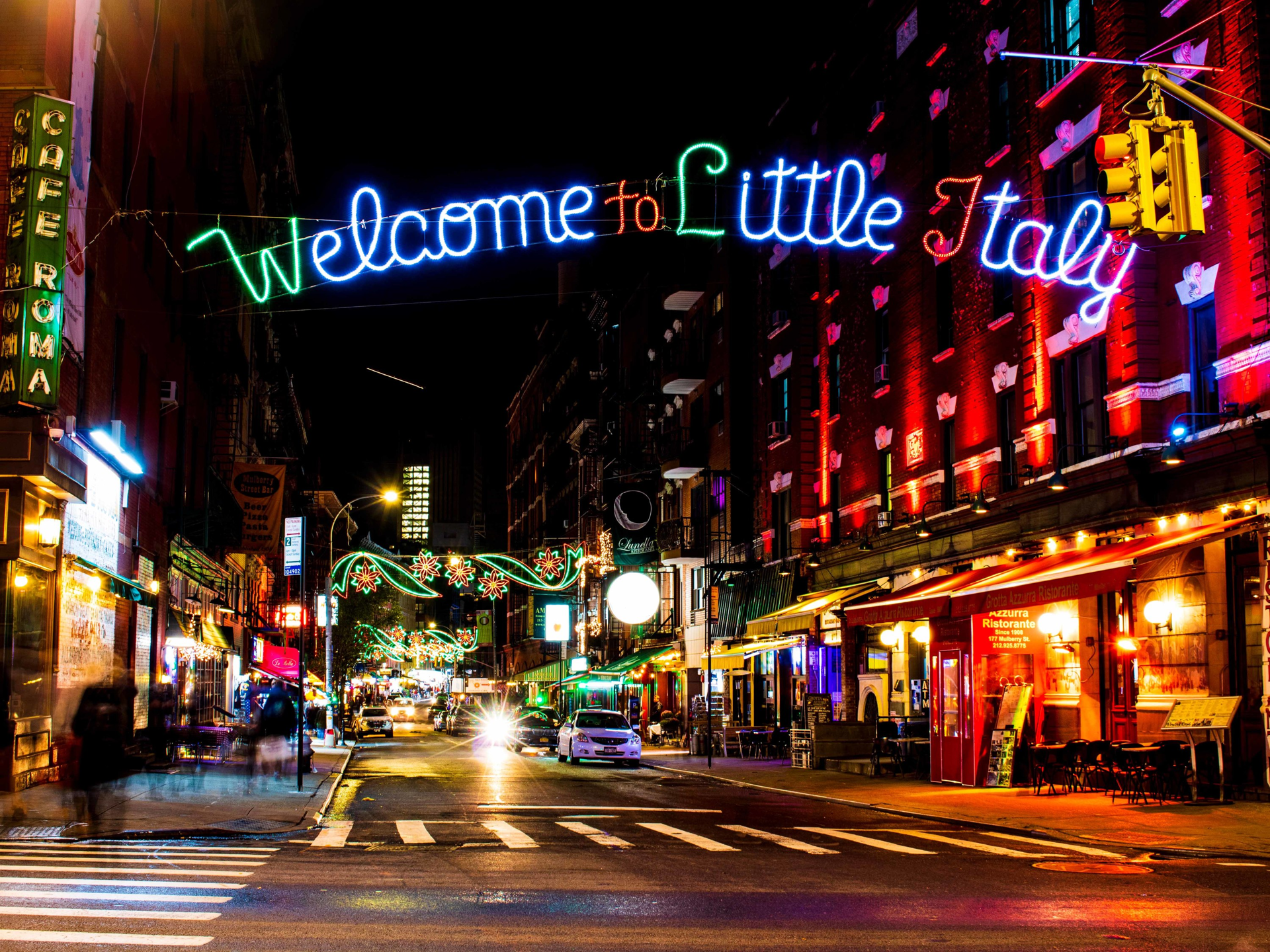
Spend enough time here and you quickly find your own routine: espresso and pastry on Grand Street, a walk along Mulberry, lunch somewhere that has been serving Italian food for decades, an afternoon learning about Italian-American history and dinner beneath the lights as the neighborhood settles into the evening.
The history is impossible to separate from the streets.
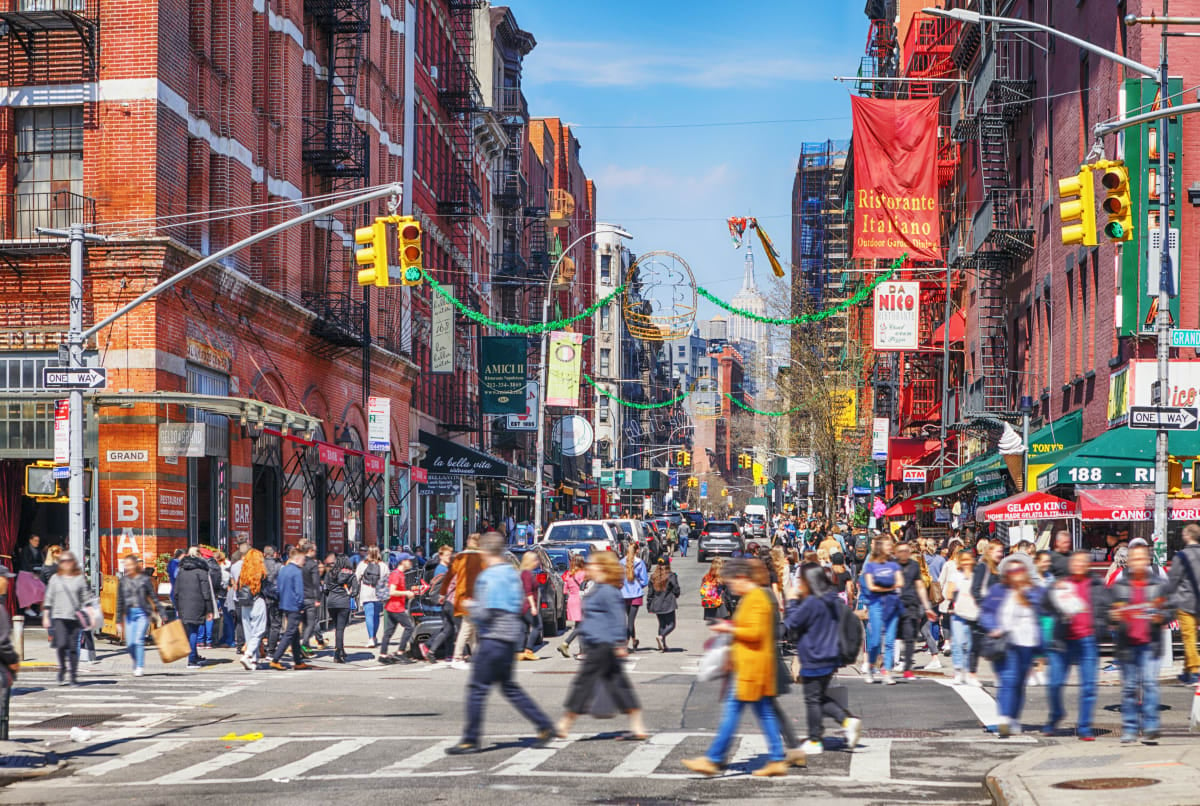
Historic tenement buildings rise above narrow storefronts, fire escapes frame brick façades and restaurants open directly onto sidewalks that have welcomed generations of families, merchants and diners.
Mulberry Street remains the heart of it all. Italian flags, bakeries, cafés and dining rooms give the street its unmistakable character, while Grand, Hester and Broome Streets connect Little Italy with Chinatown, Nolita and the rest of downtown Manhattan.
The neighborhood has changed enormously over time. Its Italian-American residential population is much smaller than it was generations ago, and Chinatown has expanded around much of the historic district. But the institutions that remain — churches, bakeries, restaurants, cultural organizations and the annual Feast of San Gennaro — continue to give Little Italy a strong sense of place.
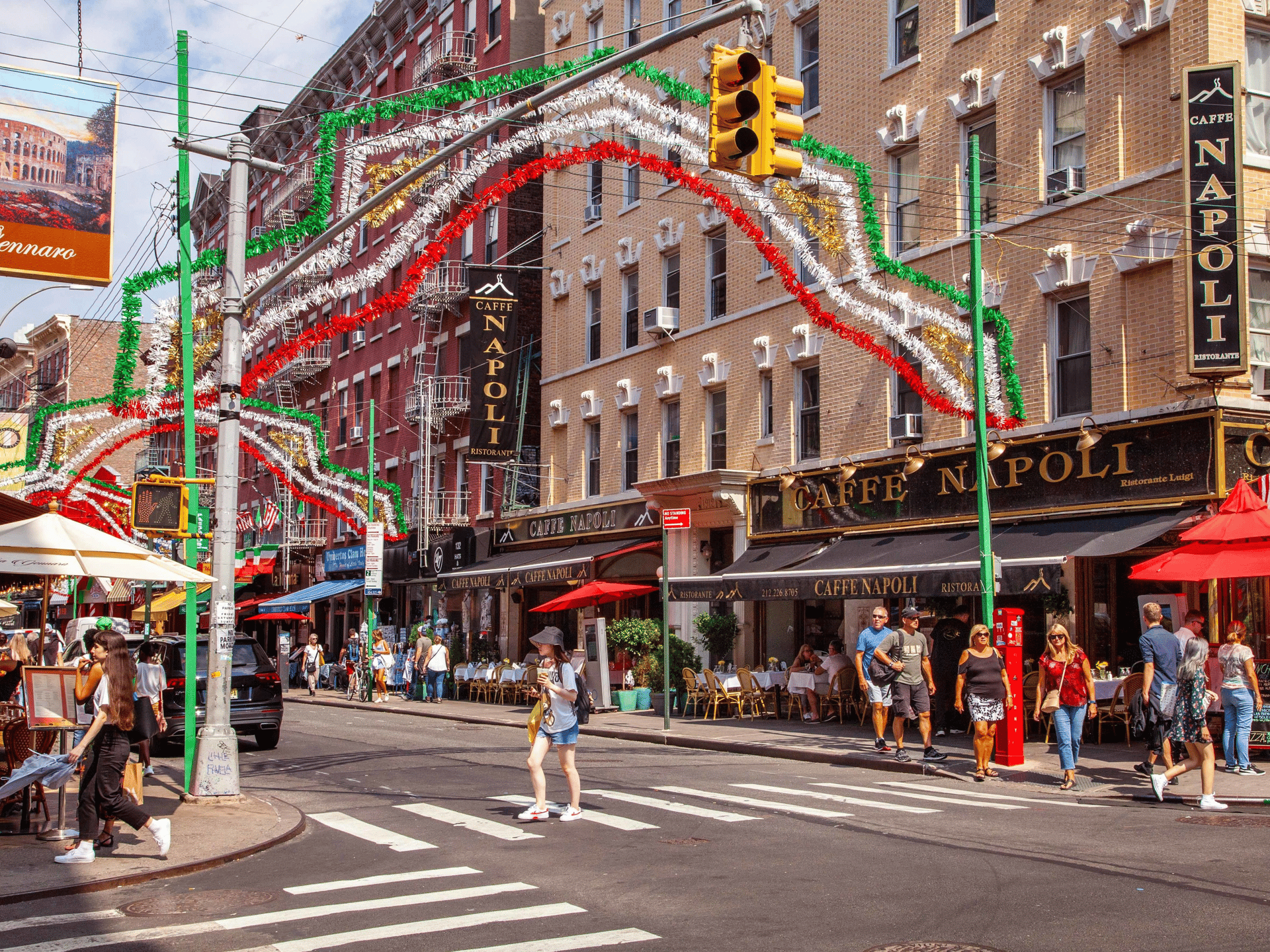
Ferrara Bakery & Cafe on Grand Street has been part of Little Italy since 1892.
Still family-owned generations later, the historic pasticceria is filled with cannoli, sfogliatelle, lobster tails, cookies, cakes, gelato and the unmistakable smell of freshly made espresso.
Come in the morning before the neighborhood gets busy, order something from the pastry case and take your time.
Few places offer a more fitting introduction to Little Italy.
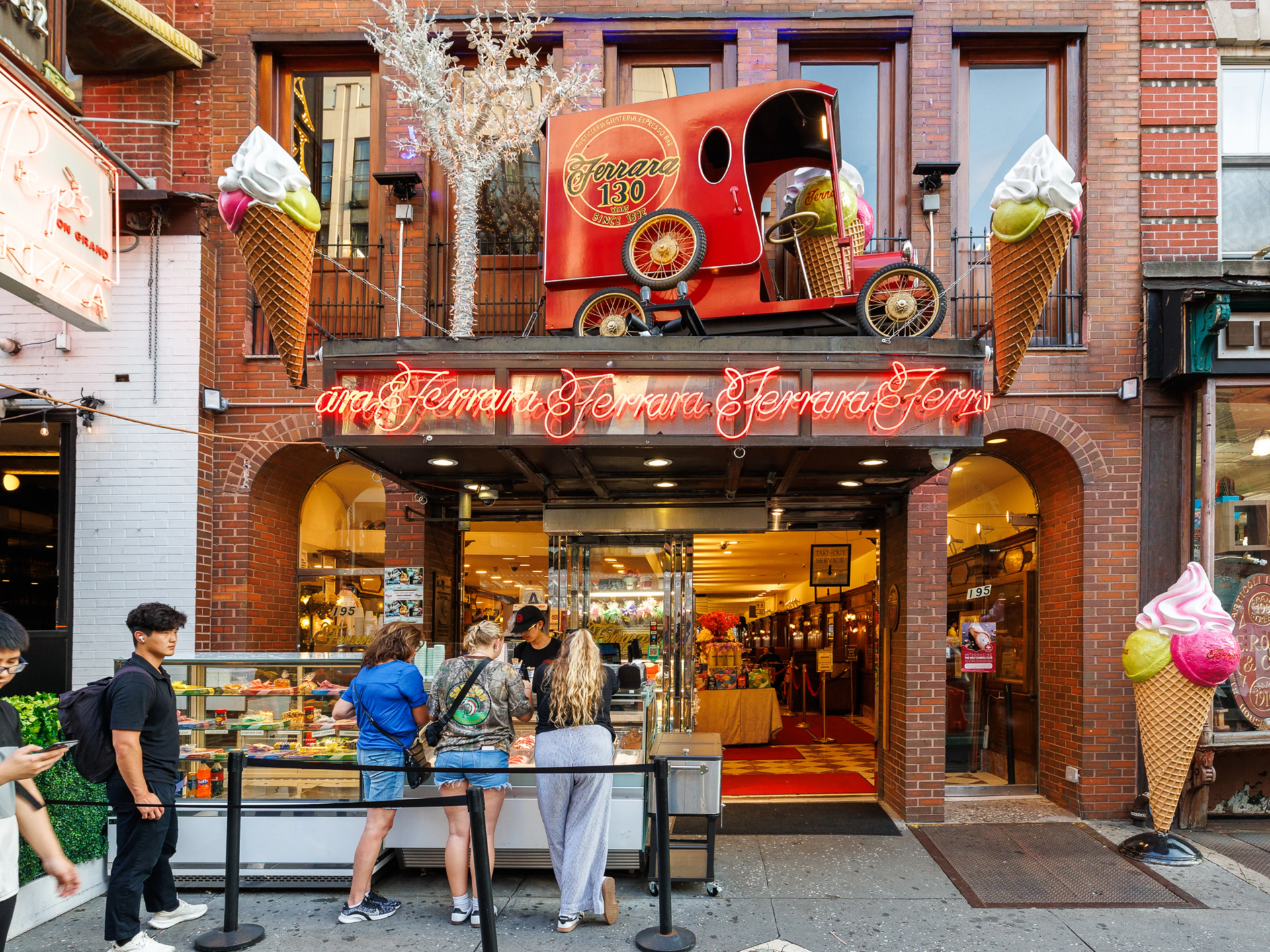
Mulberry Street is the neighborhood’s main stage.
Restaurants and cafés occupy the ground floors of historic brick buildings, fire escapes climb the façades above and Italian flags appear throughout the blocks between Canal and Broome Streets.
The street is especially enjoyable when you resist the urge to choose a destination immediately.
Walk first. Look inside the bakeries, turn onto Grand or Hester, notice the old storefront details and then decide where you want to stop.
Dining is inseparable from the Little Italy experience, but the best way to approach the neighborhood is to mix the old with the new.
There are dining rooms that have been serving generations of families, newer restaurants bringing a more contemporary energy to the neighborhood and plenty of places where the atmosphere matters almost as much as the plate in front of you.
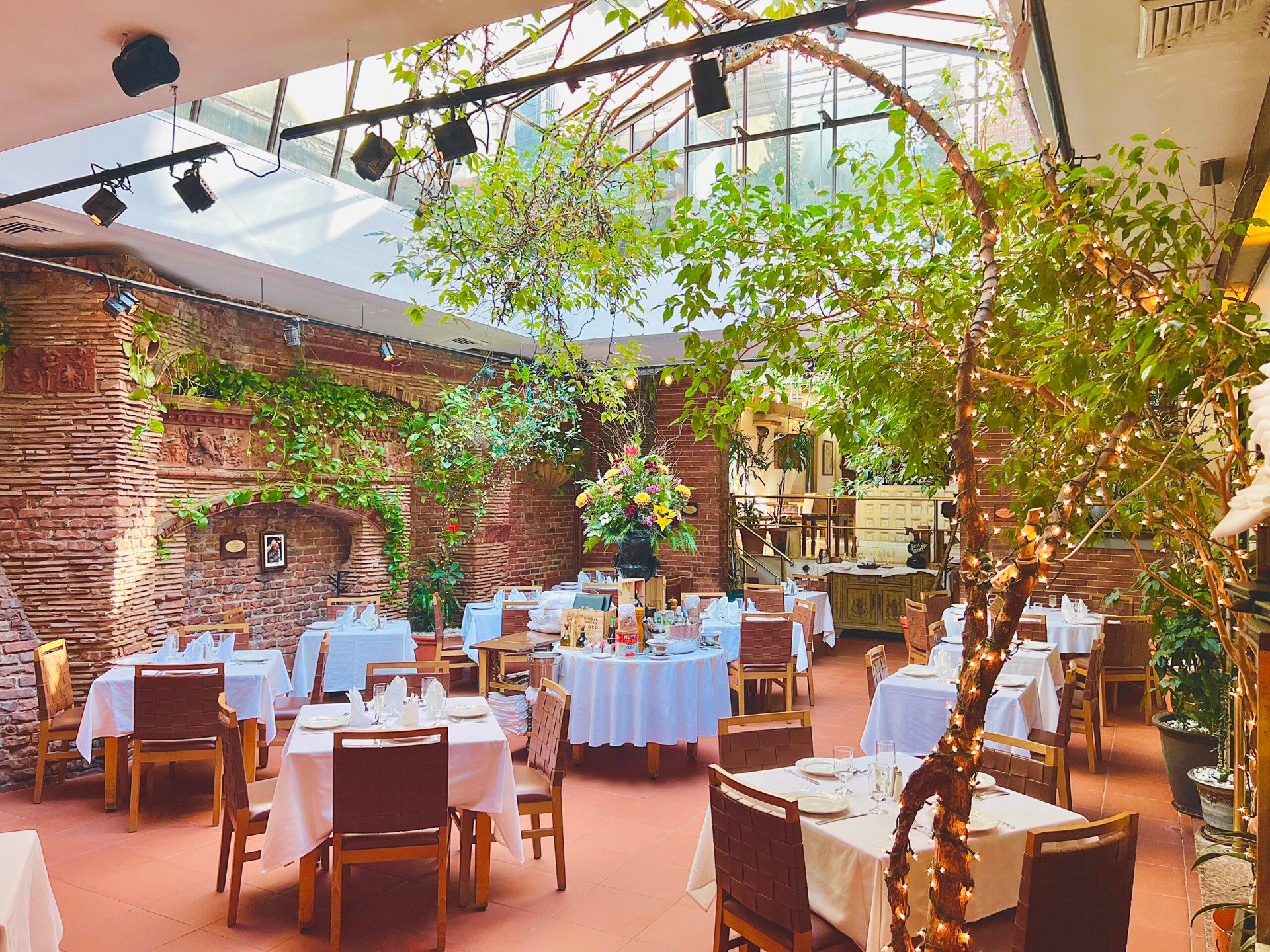
For a proper Little Italy dinner, Il Cortile is one of the neighborhood’s enduring choices.
Family-owned since 1975, the Mulberry Street restaurant unfolds through several dining rooms and a beautiful garden-style atrium, giving the experience considerably more atmosphere than its storefront initially suggests.
The menu moves through classic Italian pasta, seafood, meat dishes and longtime favorites, while the old-school service and setting make dinner feel appropriately connected to the neighborhood around it.
It works particularly well when you want something traditional but still polished enough for a special evening.
Gelso & Grand offers a more contemporary interpretation of Italian dining in Little Italy.
Set at the corner of Grand and Mulberry, the restaurant brings an open kitchen, handmade pasta and a wood-fired oven into a room that feels noticeably more modern than many of the neighborhood’s traditional dining rooms.
Pizza, pasta and Italian classics remain at the center of the menu, but the atmosphere is younger and more energetic.
It is particularly good when you want the Little Italy setting without committing entirely to old-school red-sauce nostalgia.
Osteria Barocca on Mulberry Street leans into the drama of an Italian evening.
The decorative dining room is warm and intimate, while the menu moves through handmade pasta, pizza, seafood, steaks and familiar Italian favorites.
Cocktails are a significant part of the experience as well, making it especially well suited to a dinner that can continue into the evening rather than somewhere you simply stop for a quick plate of pasta.
The atmosphere feels celebratory without becoming overly formal.
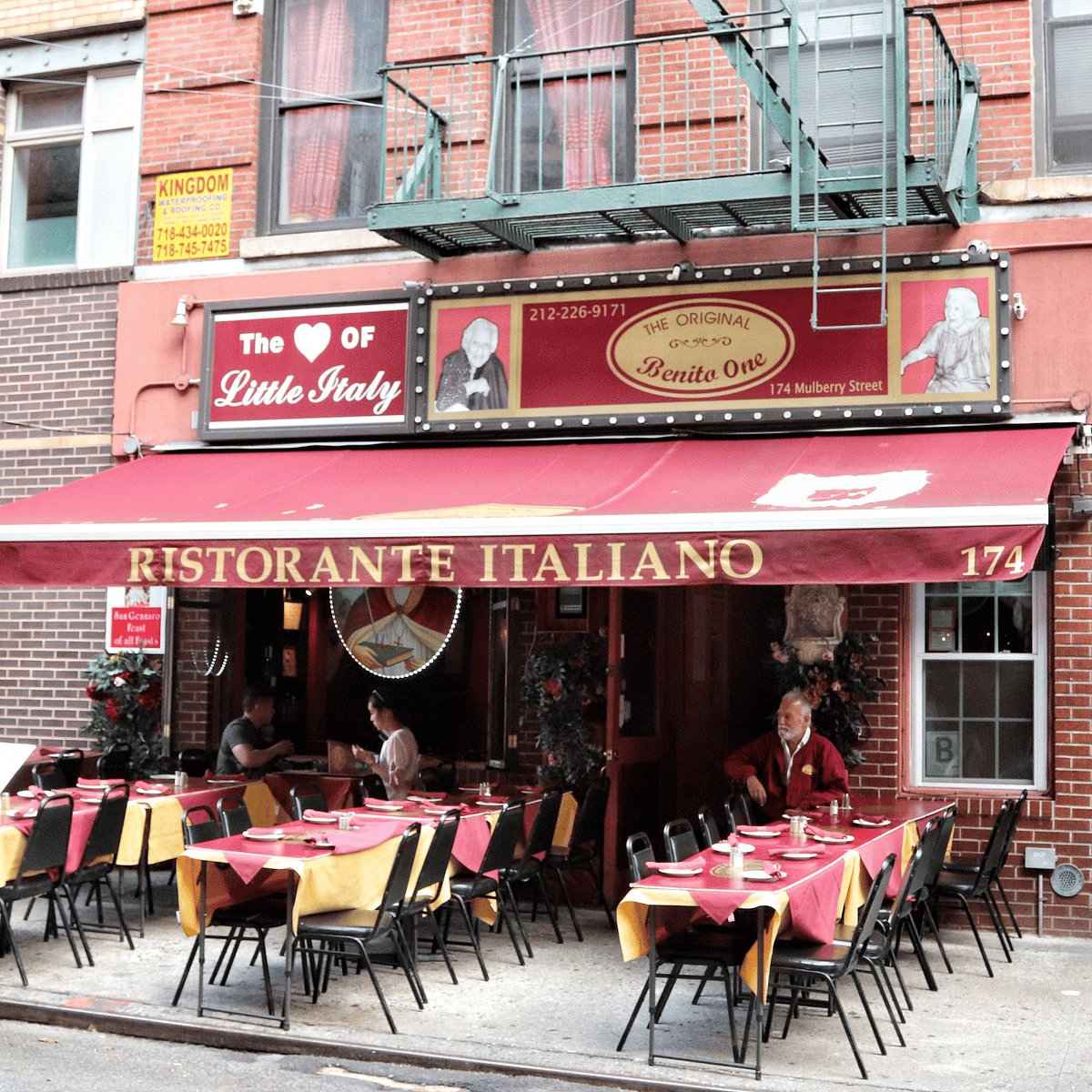
Benito One offers the kind of old-school Italian-American experience many people hope to find when they come to Little Italy.
The intimate Mulberry Street dining room is filled with traditional pasta, veal, seafood and red-sauce favorites, served in a setting that feels deliberately removed from whatever restaurant trend is happening elsewhere downtown.
It is warm, straightforward and unapologetically classic.
Sometimes that is exactly the point.
Paesano has been serving Little Italy since 1961 and remains a good choice when you want something familiar and relaxed.
The family-owned restaurant specializes in the Italian-American dishes people associate immediately with the neighborhood: pasta, parmigiana, seafood, chicken, veal and plenty of red sauce.
Grab an outdoor table when the weather is good and let Mulberry Street provide the rest of the atmosphere.
Little Italy makes much more sense when you understand the people who built it.
The neighborhood was shaped by immigrants from different regions of Italy, each bringing their own traditions, religious customs, dialects and foodways to Lower Manhattan.
Several places still make that history visible.
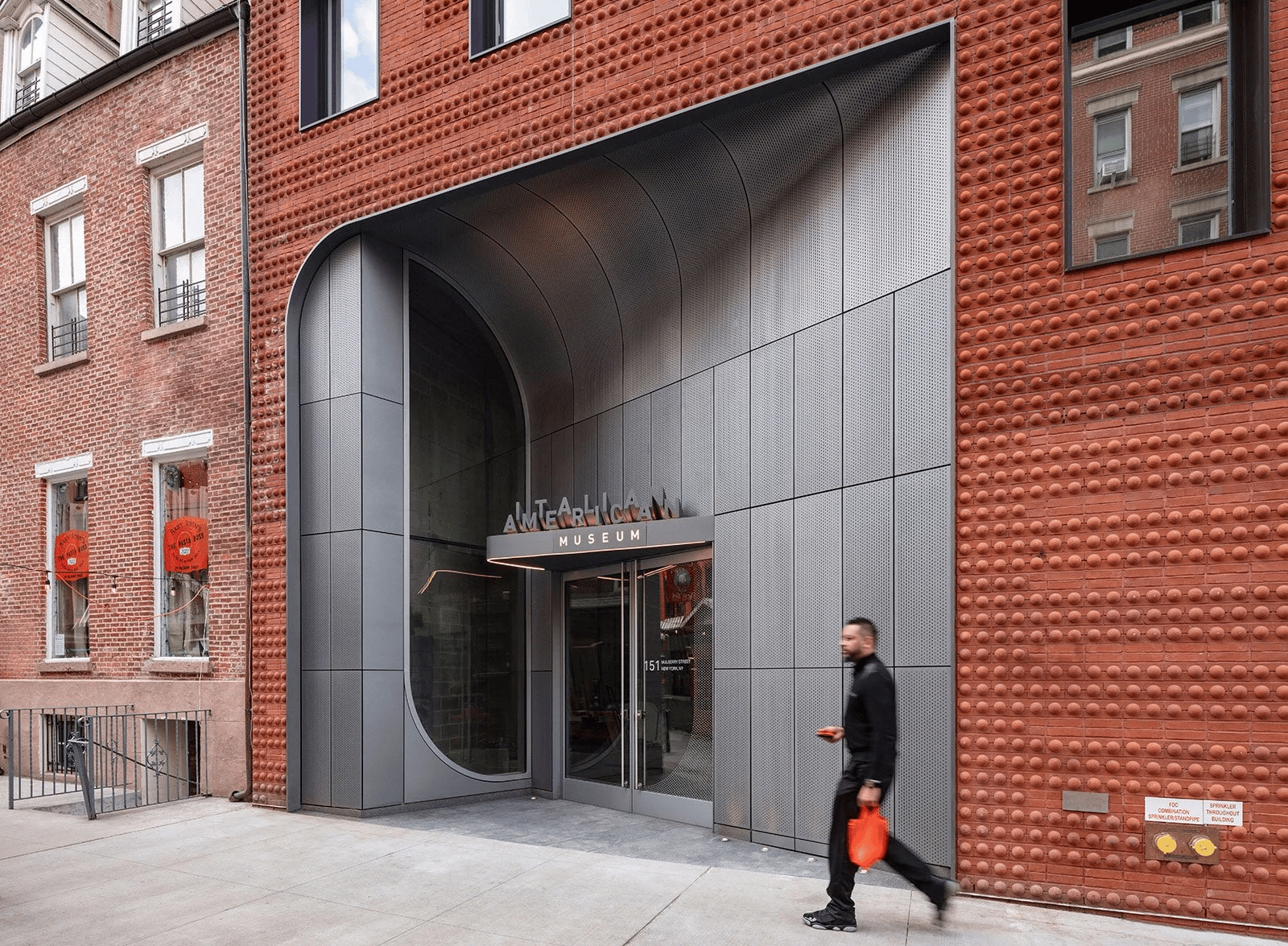
At 151 Mulberry Street, the Italian American Museum brings the story of Italian immigration and Italian-American life back to the heart of Little Italy.
Its exhibitions explore immigration, labor, family life, cultural traditions and the contributions Italian Americans have made to New York and the wider United States.
The museum’s location matters almost as much as its collection. You step outside directly onto the streets where many of the stories it documents unfolded.
In 2026, the museum is also marking the 100th anniversary of the Feast of San Gennaro with an exhibition dedicated to the celebration’s history.
On Baxter Street, the Shrine Church of the Most Precious Blood remains one of Little Italy’s strongest connections to its religious and immigrant history.
The church was established to serve the rapidly growing Italian community around the turn of the 20th century and today is the National Shrine Church of San Gennaro.
Inside, statues and religious traditions reflect communities from different parts of Italy, while the chapel dedicated to San Gennaro maintains the connection between the church and the neighborhood’s most famous annual celebration.
During the Feast of San Gennaro, the saint’s statue leaves the church for a procession through Little Italy.
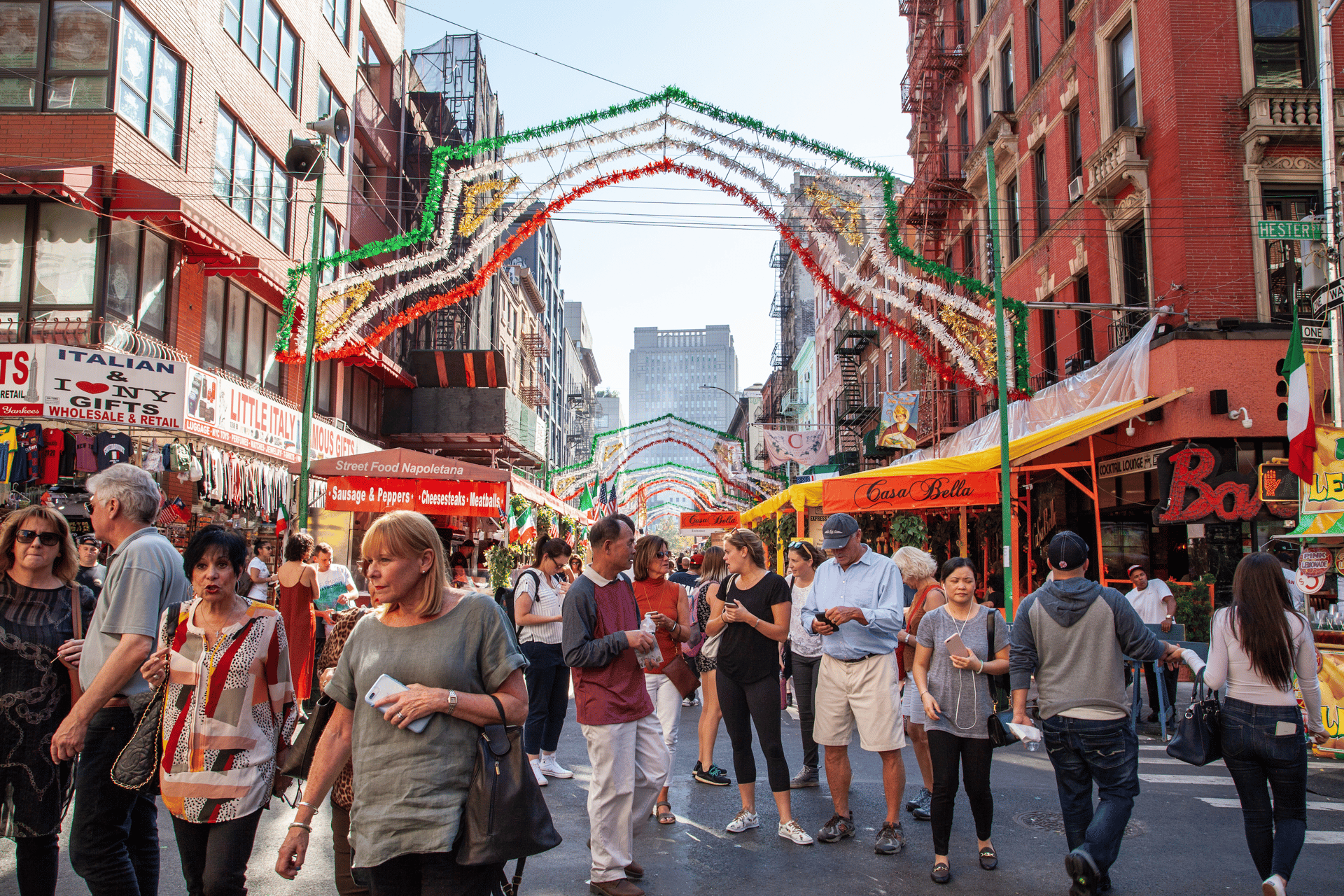
Every September, Little Italy changes completely.
The Feast of San Gennaro fills Mulberry Street and the surrounding blocks with food stands, music, religious processions and crowds celebrating the patron saint of Naples.
The tradition began in 1926 when Neapolitan immigrants living around Mulberry Street organized a one-day celebration honoring San Gennaro.
A century later, it has grown into an 11-day event and remains one of New York’s most recognizable Italian-American traditions.
In 2026, the Feast celebrated its 100th anniversary — a remarkable milestone for an event that began as a neighborhood religious observance.
For a drink, we like somewhere that actually feels connected to the neighborhood.
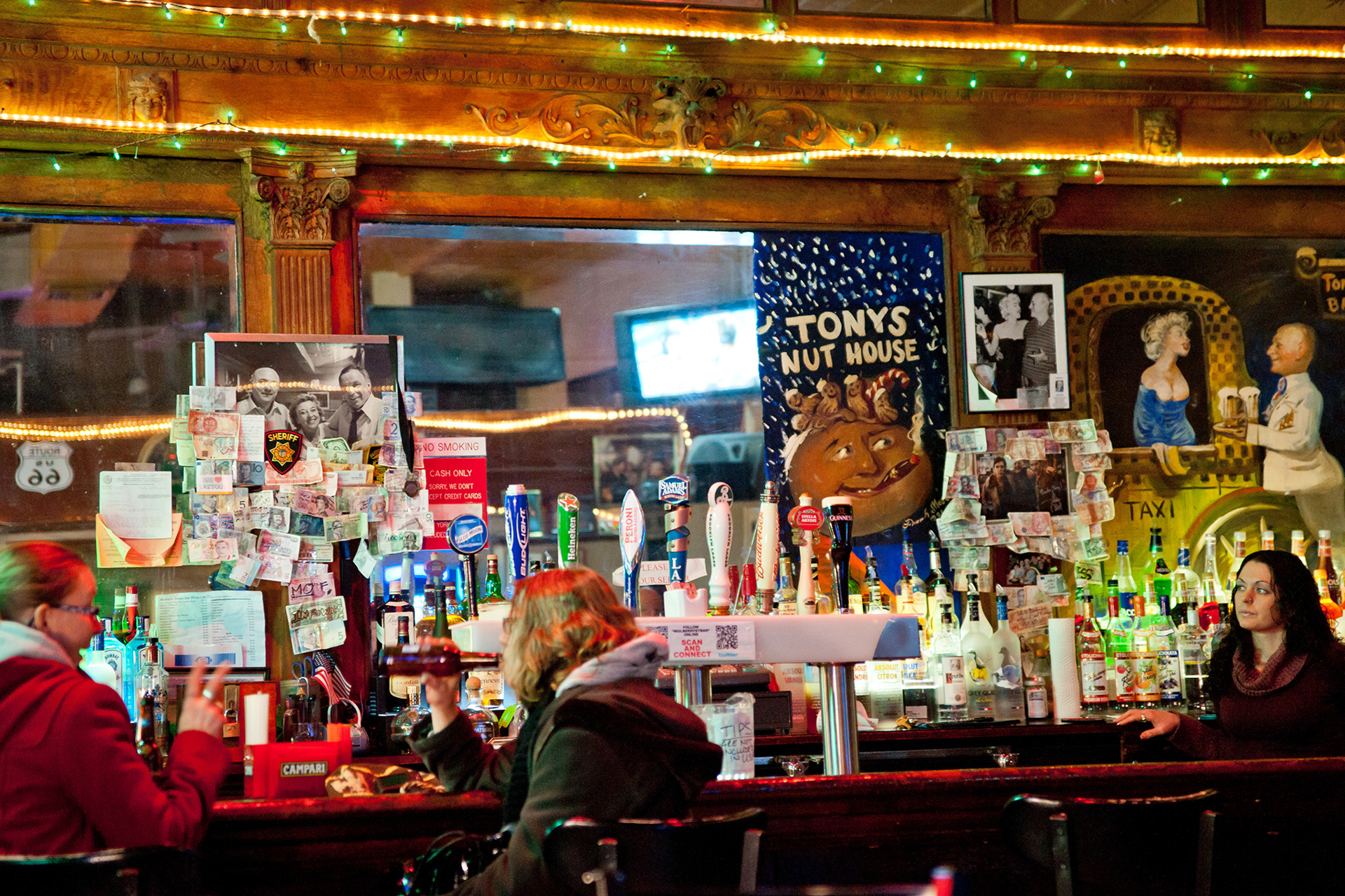
Mulberry Street Bar has the dark wood, old-school atmosphere and slightly cinematic quality you want from a Little Italy watering hole.
It is casual rather than precious, with beer, cocktails and Italian-American food served in a room that has also appeared repeatedly in film and television.
Stop in after dinner rather than looking for the newest cocktail concept downtown.
Sometimes the room with the stories is more interesting.
Little Italy is not a neighborhood defined by large parks, and that is part of its character.
Its public life happens largely on the street.
Mulberry is at its best when the weather allows restaurants to open toward the sidewalk and the neighborhood becomes almost an outdoor dining room.
Walk from Canal toward Broome, continue north if you have time and stop whenever something looks interesting.
The experience is the street itself.
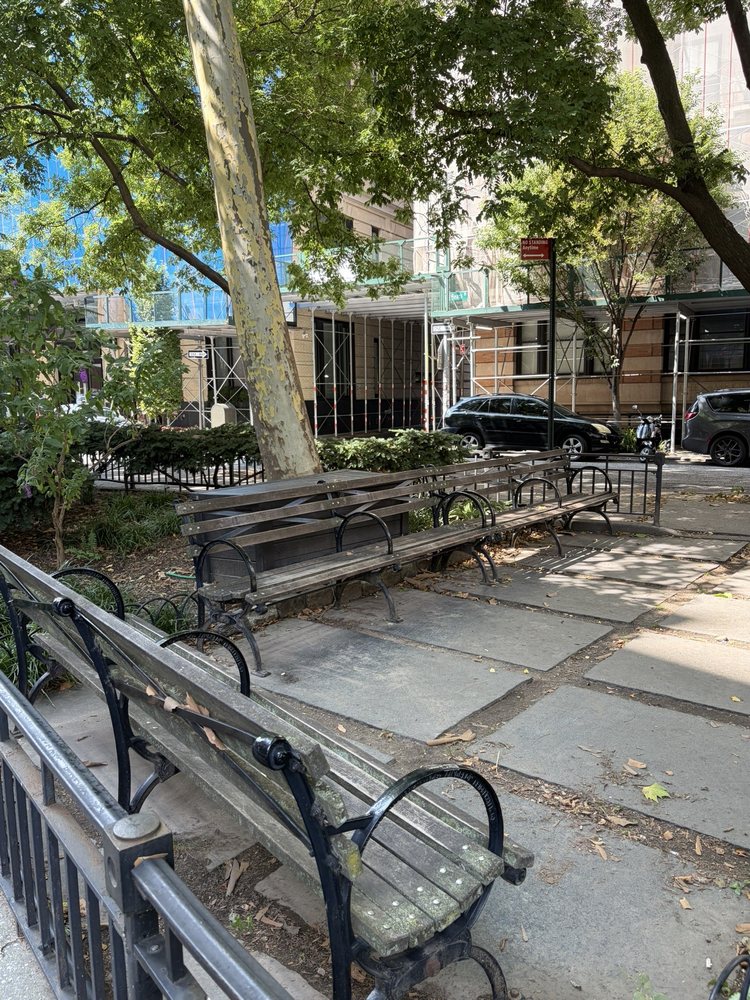
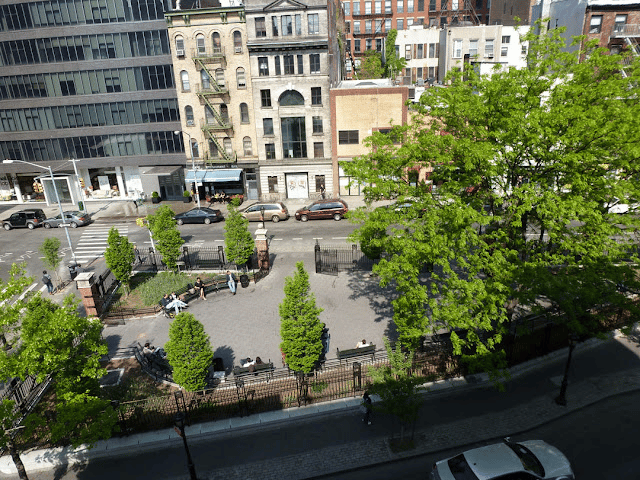
At the northern edge of the neighborhood, Lt. Petrosino Square offers a small patch of green where Lafayette, Kenmare and Cleveland Place meet.
The square honors Joseph Petrosino, the pioneering Italian-American NYPD detective who became known for his work protecting Italian immigrants from organized extortion.
It is not a destination park in the traditional sense.
Instead, it works as a useful neighborhood pause — somewhere to sit for a few minutes before continuing into Nolita, SoHo or back toward Mulberry Street.
Little Italy is compact enough that the best way to experience it is simply to walk.
Mulberry Street is the obvious starting point, with restaurants, cafés, bakeries and historic tenements creating the neighborhood’s most recognizable streetscape.
Grand Street feels busier and more connected to Chinatown, with food businesses, shops and Ferrara Bakery marking the western end of the Little Italy core.
Hester Street reveals another layer, where Italian-American history meets the expanding Chinatown community and the neighborhood’s boundaries become much less obvious.
Broome Street feels slightly quieter, with older mixed-use buildings and loft architecture connecting Little Italy toward SoHo.
The distances are short.
That means there is almost never a good reason to take the fastest route.
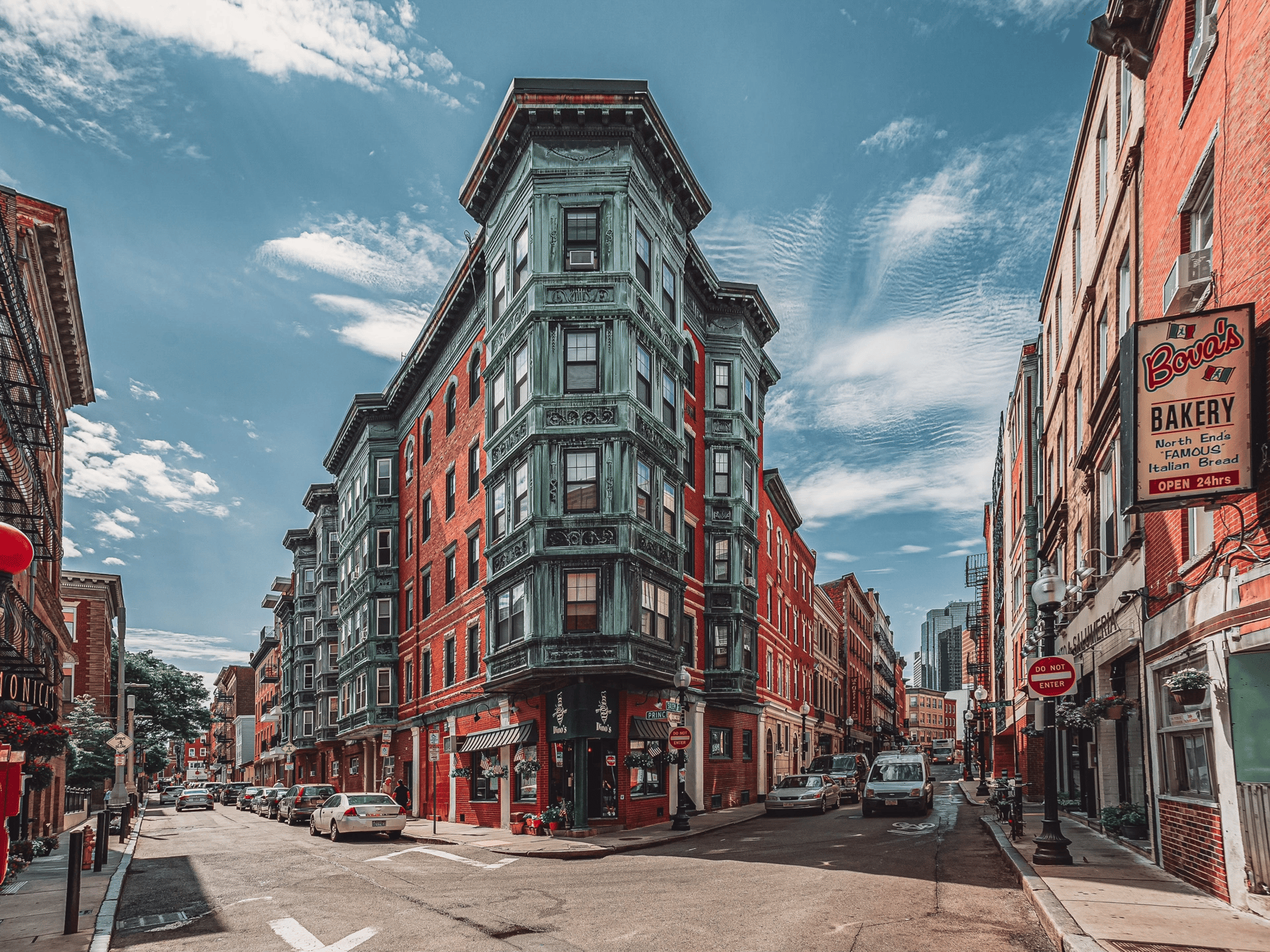
Residentially, Little Italy is very different from Manhattan neighborhoods defined by large apartment houses or modern towers.
Historic tenements, prewar walk-ups and mixed-use buildings form much of the traditional housing stock, often with apartments directly above restaurants, cafés and shops.
The scale tends to be intimate. Buildings are relatively low, streets are narrow and residential life is closely connected to everything happening at sidewalk level.
Converted lofts and renovated prewar properties introduce another type of home, particularly around the neighborhood’s edges toward Nolita and SoHo, while newer boutique condominiums have gradually added more contemporary options.
What makes living here distinctive is the location.
Chinatown, Nolita, SoHo, the Lower East Side and the Bowery are all within a short walk, while several subway lines put the rest of Manhattan within easy reach.
At the same time, the historic scale of the Little Italy streets keeps parts of the neighborhood feeling remarkably different from the larger city around them.
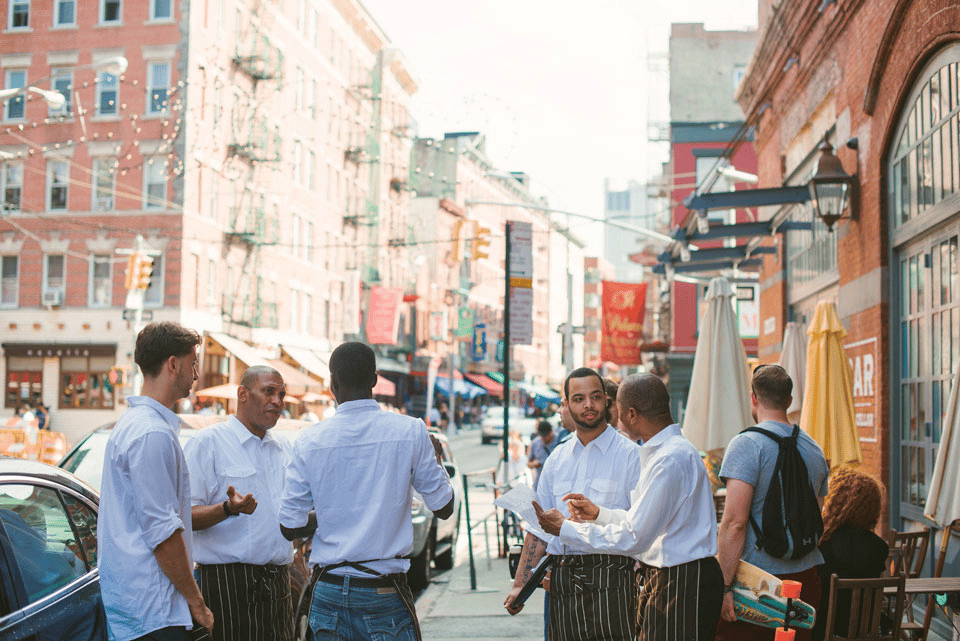
Little Italy real estate reflects the neighborhood’s immigrant and commercial history.
Historic tenement buildings remain one of the defining residential types, with apartments above ground-floor storefronts creating the mixed-use streetscape that has characterized this part of Lower Manhattan for generations.
Prewar walk-ups and older commercial buildings make up another significant portion of the neighborhood, often featuring brick façades, fire escapes and more intimate apartment layouts.
Loft conversions can be found in larger former commercial properties, particularly toward Broome Street and the neighborhood’s western edge, where the architecture begins to transition toward SoHo.
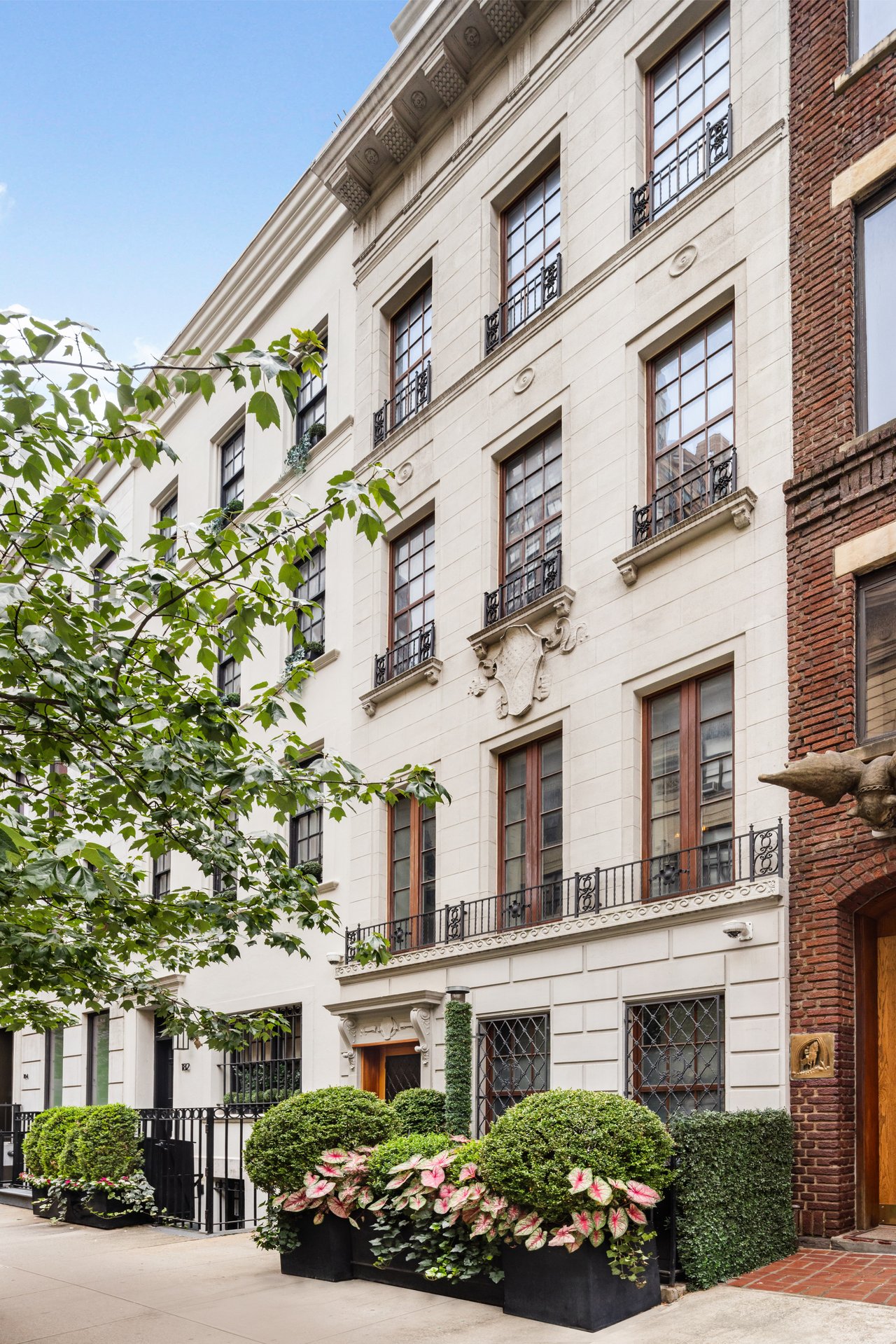
More recent boutique condominium development has introduced elevators, contemporary interiors, larger windows and modern amenities, although new construction remains relatively limited compared with many other parts of Manhattan.
Little Italy also has its own Special Little Italy District, created to help preserve the neighborhood’s historic and cultural character, maintain the scale of its storefronts and encourage development consistent with the existing streetscape.
The result is a residential market where history remains unusually visible.
From traditional tenement apartments and prewar walk-ups to loft conversions and boutique condominiums, Little Italy offers a distinctly downtown way to live within one of Manhattan’s most recognizable historic neighborhoods.
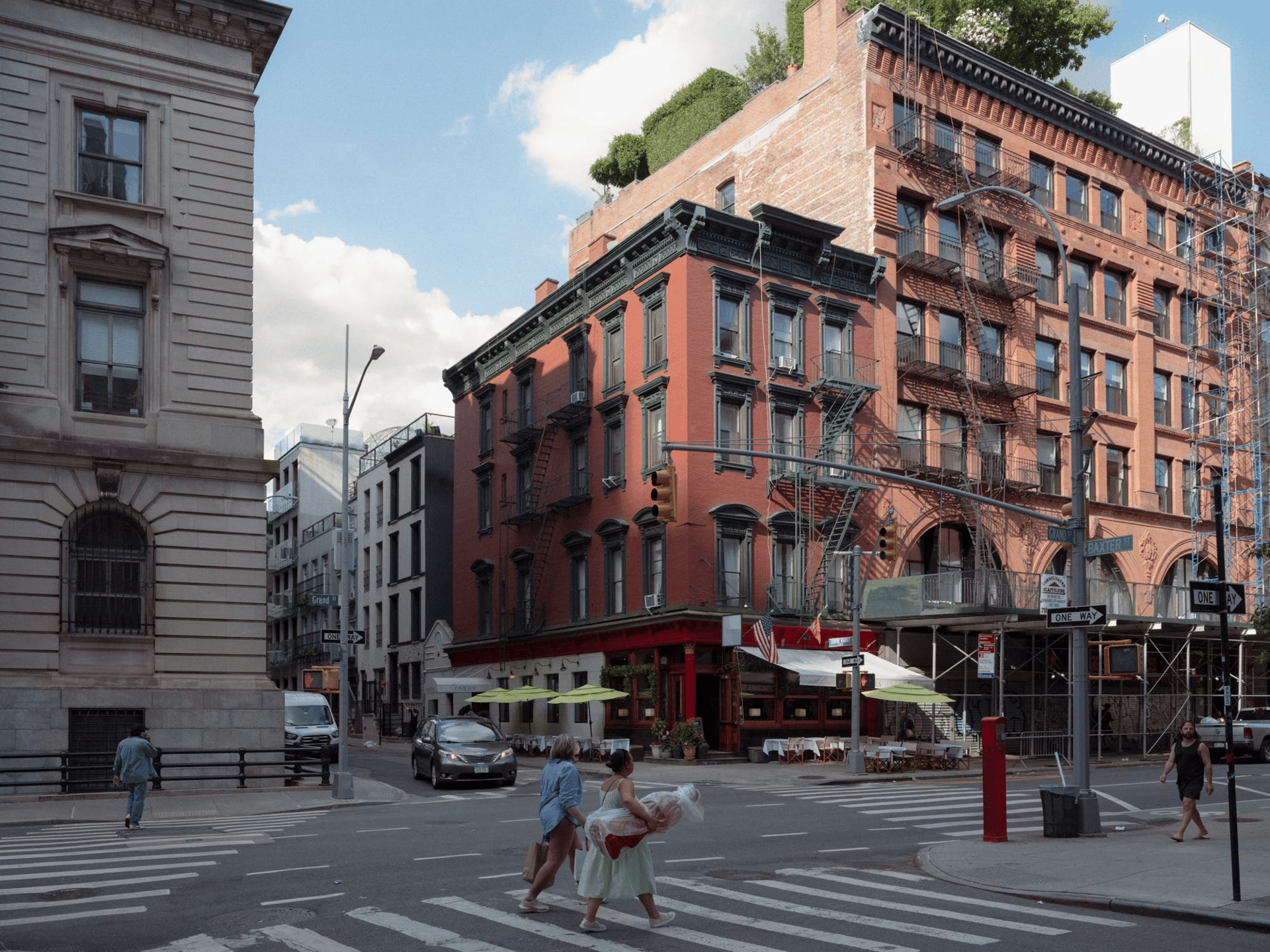
Whether you are drawn to a historic downtown walk-up, a loft-style residence or a boutique condominium within steps of Mulberry Street, explore what is currently available across Little Italy.
3,057 people live in Little Italy, where the median age is 35 and the average individual income is $80,619. Data provided by the U.S. Census Bureau.
Total Population
Median Age
Population Density
Average individual Income
There's plenty to do around Little Italy, including shopping, dining, nightlife, parks, and more. Data provided by Walk Score and Yelp.
Explore popular things to do in the area, including Tienley Co, Wei Xiao Chun, and Bow Ding Seafood.
| Name | Category | Distance | Reviews |
Ratings by
Yelp
|
|---|---|---|---|---|
| Dining | 0.25 miles | 1 review | 5/5 stars | |
| Dining | 0.34 miles | 4 reviews | 3.3/5 stars | |
| Dining | 0.36 miles | 0 reviews | 0/5 stars | |
| Dining | 0.37 miles | 0 reviews | 0/5 stars | |
| Dining | 0.37 miles | 0 reviews | 0/5 stars | |
| Dining | 0.37 miles | 0 reviews | 0/5 stars | |
| Dining · $$ | 0.43 miles | 1 review | 5/5 stars | |
| Dining | 0.48 miles | 0 reviews | 0/5 stars | |
| Shopping | 0.16 miles | 1 review | 5/5 stars | |
| Shopping | 0.25 miles | 0 reviews | 0/5 stars | |
| Shopping | 0.31 miles | 2 reviews | 2.5/5 stars | |
| Shopping | 0.31 miles | 0 reviews | 0/5 stars | |
| Shopping | 0.35 miles | 0 reviews | 0/5 stars | |
| Shopping | 0.38 miles | 1 review | 5/5 stars | |
| Shopping | 0.38 miles | 0 reviews | 0/5 stars | |
| Shopping | 0.39 miles | 2 reviews | 1/5 stars | |
| Shopping | 0.48 miles | 0 reviews | 0/5 stars | |
| Shopping | 0.49 miles | 4 reviews | 1/5 stars | |
| Active | 0.42 miles | 2 reviews | 3/5 stars | |
| Active | 0.44 miles | 0 reviews | 0/5 stars | |
| Active | 0.45 miles | 0 reviews | 0/5 stars | |
| Nightlife | 0.49 miles | 2 reviews | 3.5/5 stars | |
| Beauty | 0.28 miles | 0 reviews | 0/5 stars | |
| Beauty | 0.32 miles | 2 reviews | 3.5/5 stars | |
|
|
||||
|
|
||||
|
|
||||
|
|
||||
|
|
||||
|
|
Little Italy has 1,694 households, with an average household size of 2. Data provided by the U.S. Census Bureau. Here’s what the people living in Little Italy do for work — and how long it takes them to get there. Data provided by the U.S. Census Bureau. 3,057 people call Little Italy home. The population density is 126,123 and the largest age group is Data provided by the U.S. Census Bureau.
Total Population
Population Density Population Density This is the number of people per square mile in a neighborhood.
Median Age
Men vs Women
Population by Age Group
0-9 Years
10-17 Years
18-24 Years
25-64 Years
65-74 Years
75+ Years
Education Level
Total Households
Average Household Size
Average individual Income
Households with Children
With Children:
Without Children:
Blue vs White Collar Workers
Blue Collar:
White Collar:
590 Madison Ave, Floor 8 New York, NY10022
590 Madison Ave, Floor 8 New York, NY10022