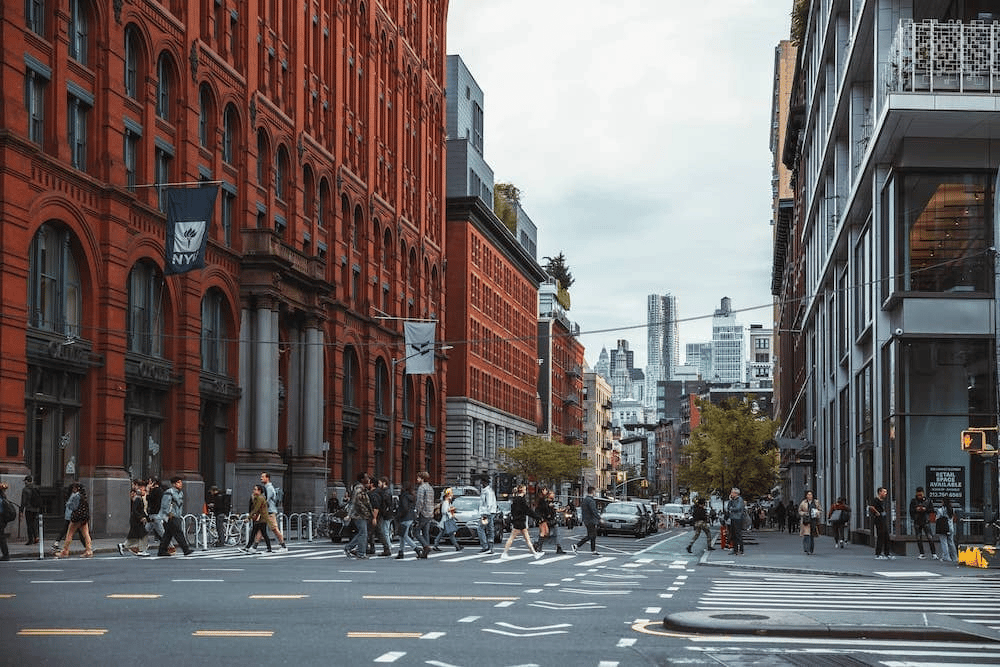
Downtown Manhattan at its most discreet: cobblestone streets, monumental loft buildings, destination restaurants, independent theaters and some of the city’s most extraordinary residential architecture.
NoHo is small enough to walk across without realizing you have entered a new neighborhood.
Its name — short for North of Houston — describes a compact stretch of downtown Manhattan between Greenwich Village, the East Village, SoHo and the Bowery, but the architecture gives it an identity entirely its own.
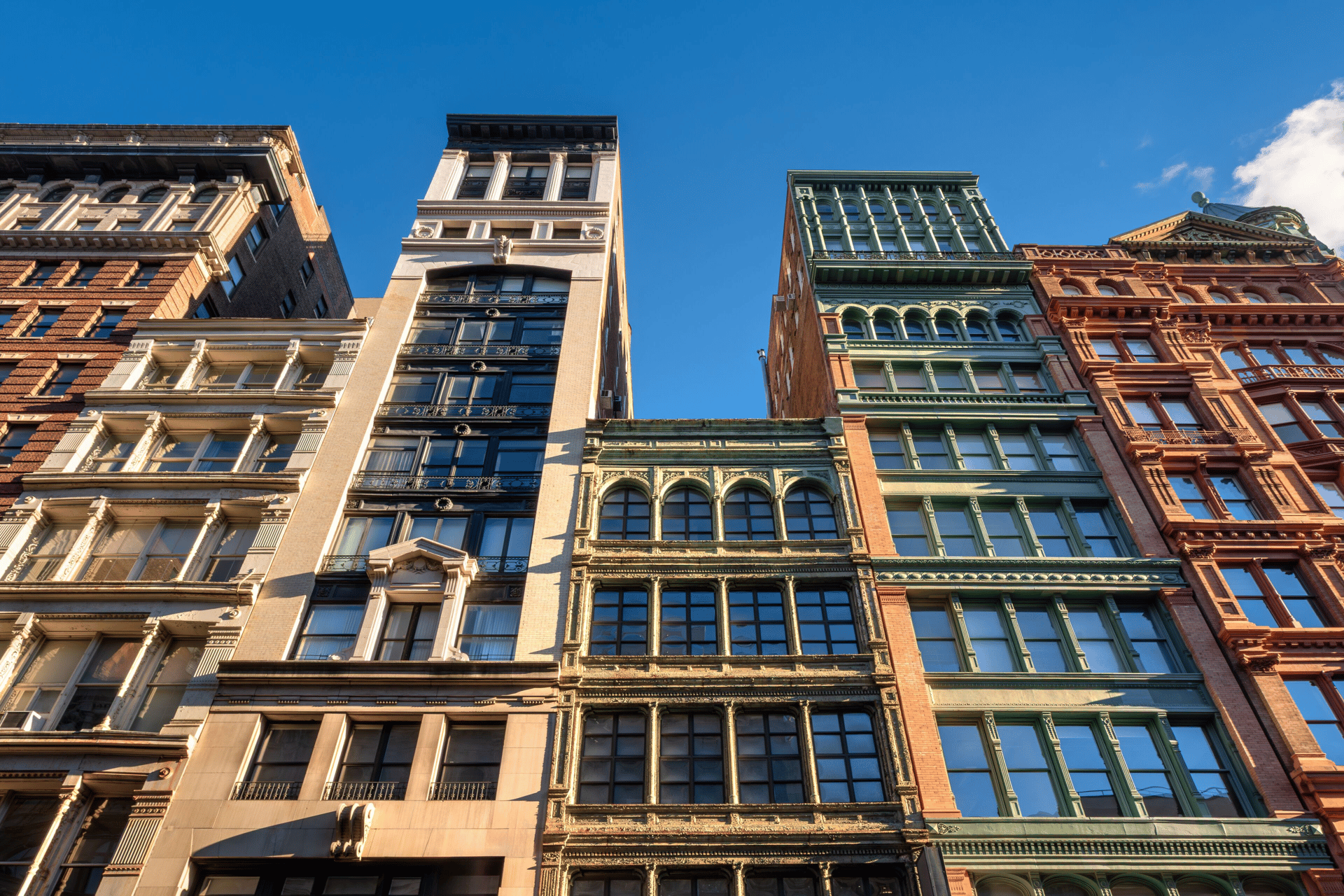
Grand 19th-century commercial buildings line Broadway and Lafayette Street, while Bond and Great Jones Streets feel more intimate, mixing cast iron, brick, marble, historic lofts and some striking contemporary architecture. Artists began moving into former manufacturing spaces during the second half of the 20th century, helping transform the neighborhood into the highly residential enclave it is today.
Spend enough time here and you quickly find your own routine: coffee on Lafayette Street, a slow walk down Bond, lunch somewhere you can linger, an afternoon at the theater and dinner in one of downtown Manhattan’s most atmospheric dining rooms.
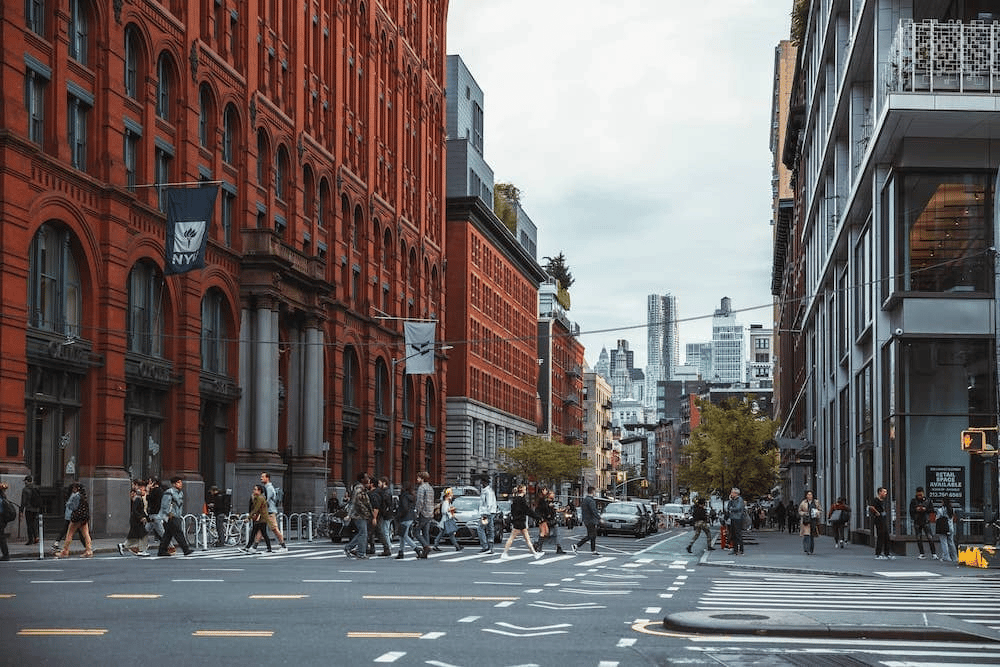
The architecture is impossible to ignore.
NoHo developed into an important commercial district during the 19th century, particularly as retailers, wholesalers and manufacturers moved into increasingly elaborate store-and-loft buildings around Broadway and Lafayette Street.
The result is an unusually rich mix of cast iron, marble, limestone, brick and terra-cotta architecture.
The NoHo Historic District was designated in 1999, with additional areas protected through the NoHo East Historic District and a major extension in 2008.
But NoHo is not a neighborhood preserved entirely in amber.
Contemporary residential buildings appear beside landmark lofts, ambitious restaurants occupy former industrial spaces and theaters continue a creative tradition that has been part of the area for decades.
It feels historic without feeling sleepy.
That balance is difficult to achieve in Manhattan.
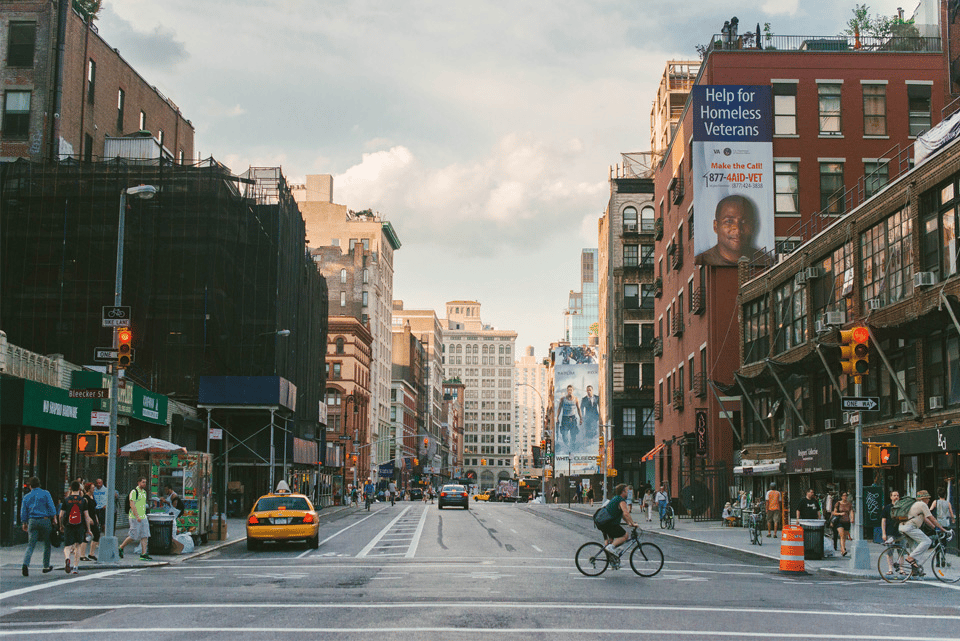
La Colombe’s NoHo café at 400 Lafayette Street is an easy place to begin the day.
The space keeps things straightforward: espresso, excellent coffee and pastries served only a few blocks from Astor Place, Bond Street and the Public Theater.
It works particularly well as a first stop before the neighborhood gets busy.
Grab a coffee and walk south toward Great Jones Street rather than staying on Lafayette.
NoHo becomes considerably more interesting once you turn onto the side streets.
Bond Street may be only two blocks long, but it contains an extraordinary amount of New York architecture.
Ornate cast-iron façades stand beside brick lofts, historic conversions and contemporary residential buildings, while cobblestones give the street a texture increasingly difficult to find elsewhere in Manhattan.
Look for the former Bond Street Savings Bank at the Bowery end, the elaborate façades closer to Broadway and the unusual contemporary buildings inserted between them.
Then look up.
NoHo rewards anyone who pays attention above the storefronts.
NoHo’s restaurant scene feels disproportionately good for a neighborhood this small.
Some restaurants have been here for decades, while others have turned Bond Street and Great Jones Street into destinations of their own.
Italian and Mediterranean cooking, Japanese food, Thai seafood and downtown institutions all coexist within only a few blocks.
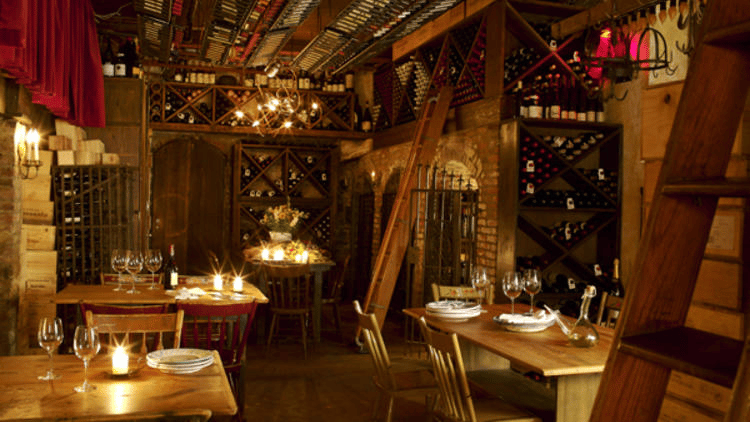
Il Buco feels almost inseparable from Bond Street.
Opened in 1994 in a space that originally operated as an antique store, the restaurant gradually evolved into one of downtown Manhattan’s most beloved Mediterranean dining rooms.
The cooking moves between Italian and Iberian influences, with seasonal ingredients, excellent olive oil, vegetables, handmade pasta, seafood and meats forming the heart of the menu.
But the room matters just as much.
Copper cookware, old wood, candlelight and an extraordinary downstairs wine cellar give Il Buco the feeling of somewhere that has existed considerably longer than it actually has.
For a romantic NoHo dinner, this is difficult to beat.
For Japanese, BONDST remains one of NoHo’s defining restaurants.
The Bond Street institution has been serving its modern interpretation of Japanese cuisine since 1998, combining sushi and sashimi with globally influenced dishes in a polished three-level setting.
The dining room is energetic, the crowd dresses for dinner and signature dishes such as tuna tarts, crispy rice and miso-glazed sea bass have developed their own following.
This is not the quietest dinner in the neighborhood.
That is part of the appeal.
Come when you want excellent Japanese food with a proper downtown night-out atmosphere.
A few doors east, Fish Cheeks brings a completely different energy to Bond Street.
The lively Thai restaurant opened in 2016 with a seafood-focused menu inspired by the owners’ upbringing in Thailand and the country’s coastal cooking.
Whole fish, coconut crab curry, crab fried rice, wings and intensely flavored curries are designed for sharing.
The food can be spicy, bright and unapologetically bold.
Bring several people and order across the menu.
Fish Cheeks is considerably more fun when everyone at the table is reaching for the same plates.
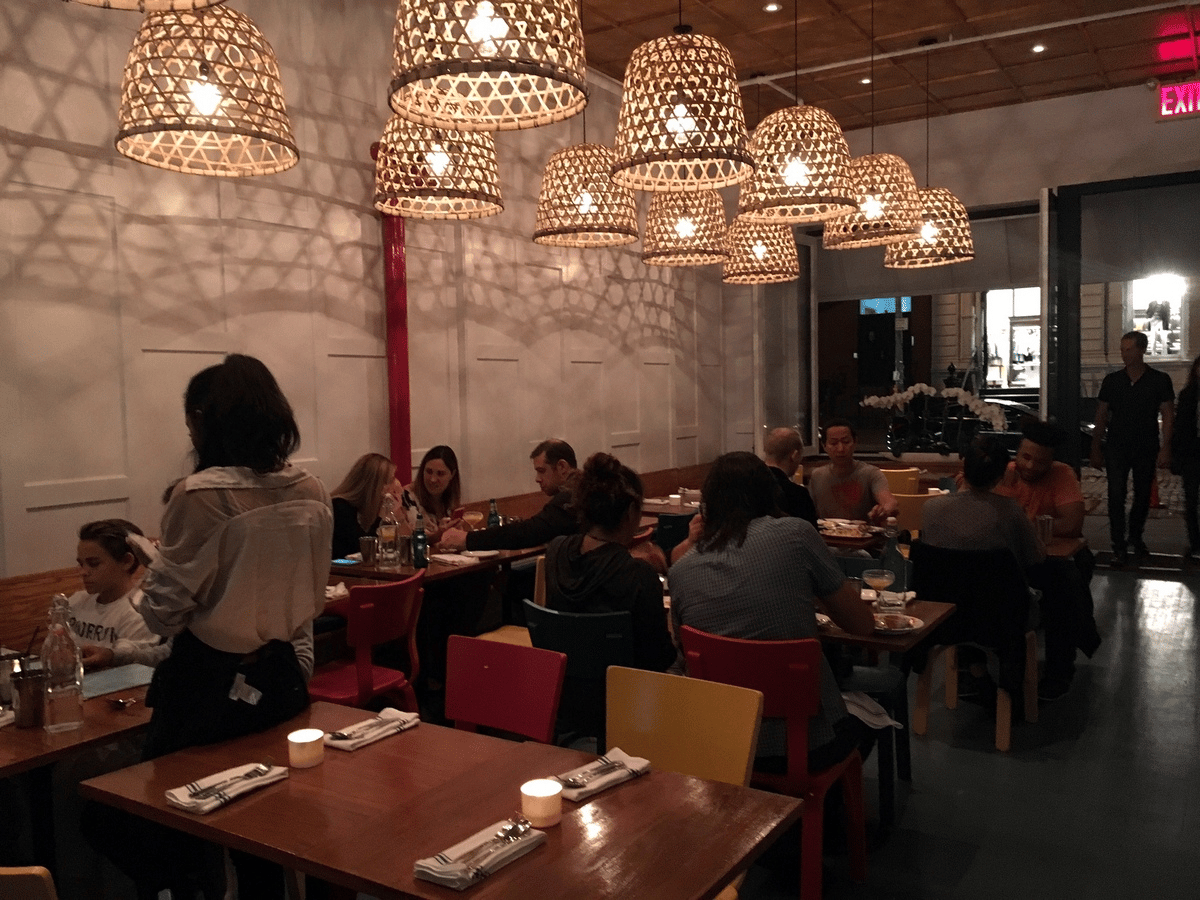
Indochine has been part of downtown New York since 1984.
The Lafayette Street dining room became famous for its tropical interiors, fashionable crowd and French-Vietnamese cooking, drawing generations of artists, designers, actors and nightlife regulars.
Decades later, the palm-leaf walls still feel completely distinctive.
The restaurant is polished without losing the slightly theatrical quality that made it famous in the first place.
Come for dinner before a performance at the Public Theater across the street, or stay late enough that dinner begins to feel like the start of the evening rather than the end of it.
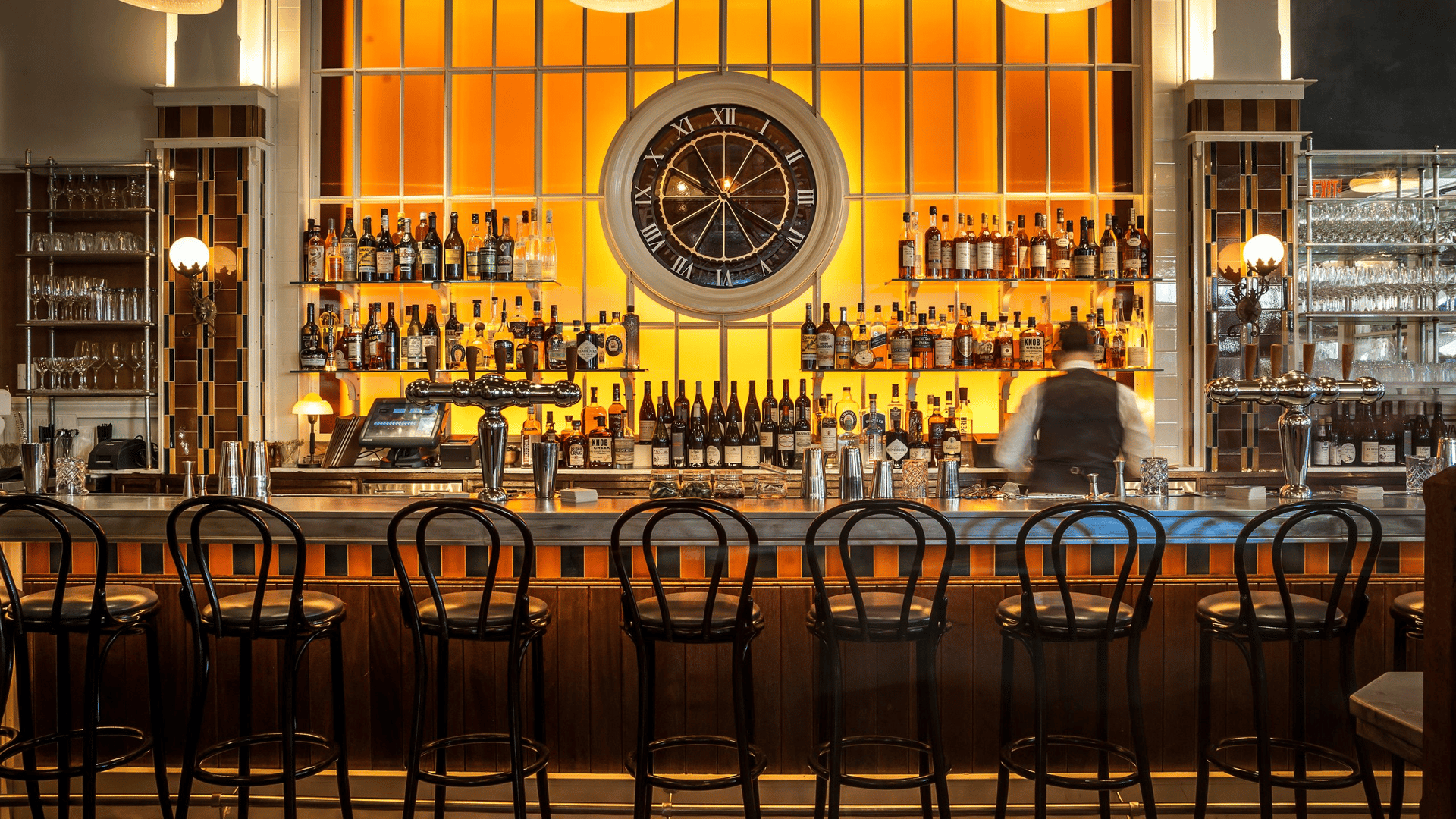
Lafayette occupies a grand corner at Lafayette and Great Jones Streets and brings the feeling of a large French café to the neighborhood.
The Andrew Carmellini restaurant moves easily from breakfast and pastries to lunch, brunch and dinner, with French classics, seafood, steaks and a particularly strong bakery program.
The room is large and handsome, with soaring windows looking onto Lafayette Street.
It works almost any time of day.
Breakfast feels relaxed, lunch is polished and dinner becomes noticeably more animated.
Do not leave without looking at the pastry counter.
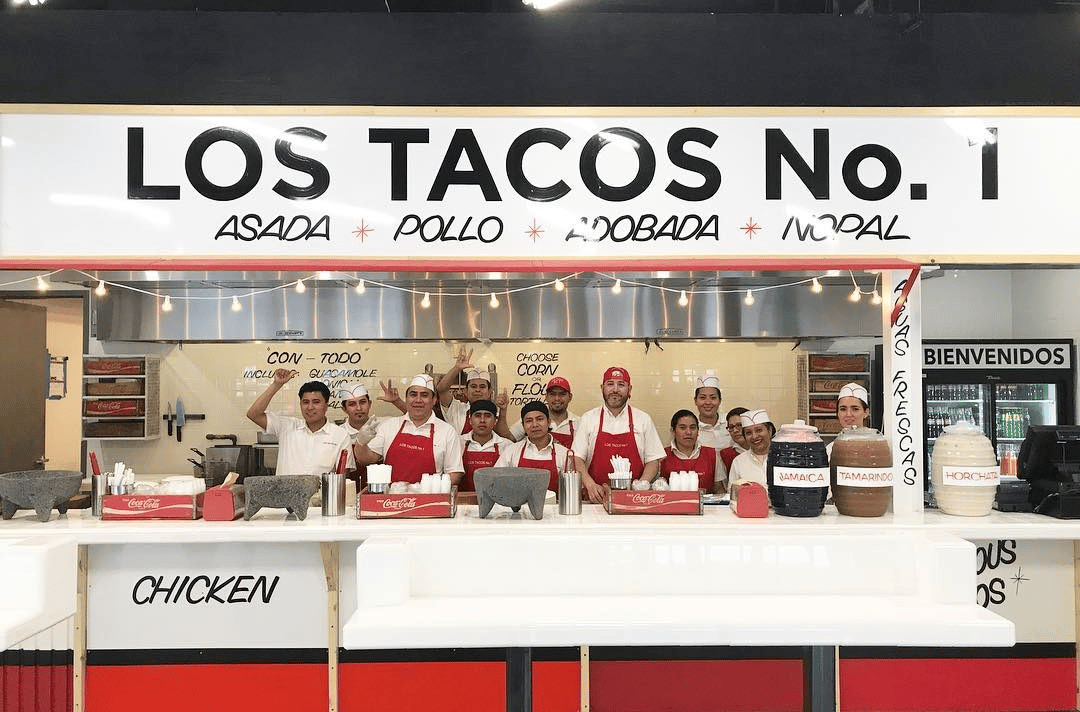
For something quick, Los Tacos No. 1 on Lafayette Street is exactly what you want.
Tacos are built around carne asada, adobada, pollo or nopal and served with the kind of efficiency that makes overthinking the order unnecessary.
There is very little ceremony.
Order at the counter, add salsa and eat while everything is still hot.
Sometimes one of the best meals in a neighborhood does not need a reservation.
NoHo’s creative history runs deeper than the galleries and artist lofts usually associated with downtown Manhattan.
The neighborhood has long been connected to theater, performance, literature and independent cultural life.
Several important institutions remain embedded directly within its historic streets.
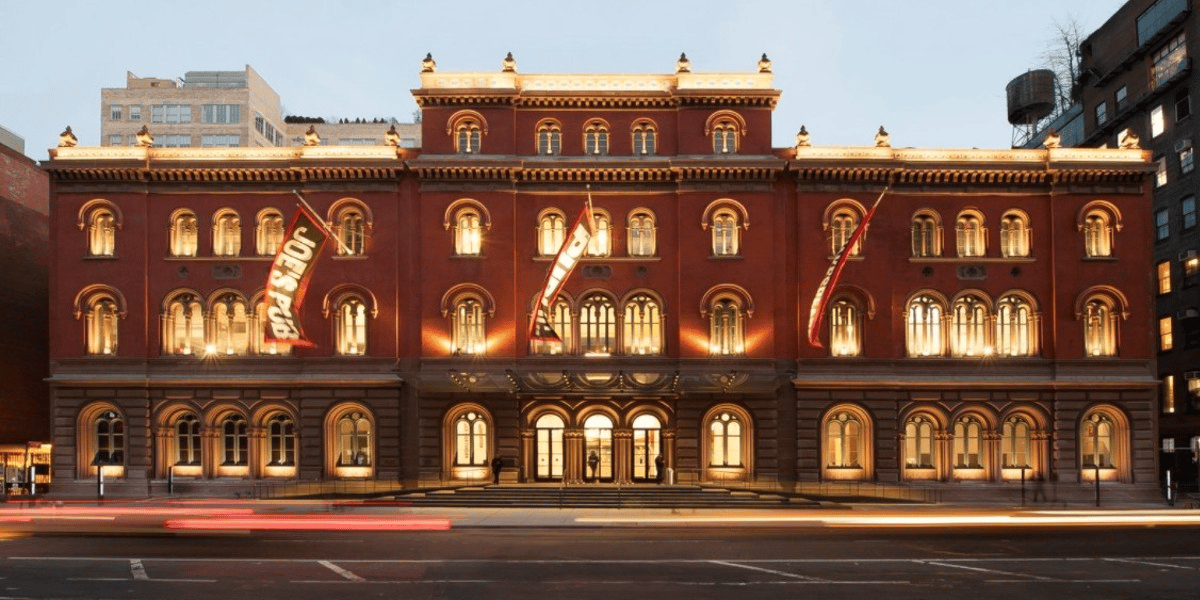
At the northern edge of NoHo, The Public Theater is one of downtown Manhattan’s defining cultural institutions.
The organization has spent more than six decades championing accessible theater, new writing and artists whose work often moves beyond traditional commercial stages.
Its landmark home at 425 Lafayette Street contains multiple performance spaces, with programming ranging from new plays and musicals to experimental work and performances at Joe’s Pub.
The building itself began as the Astor Library in the 19th century before eventually becoming home to The Public.
Check what is playing before you go.
There is almost always something worth seeing.
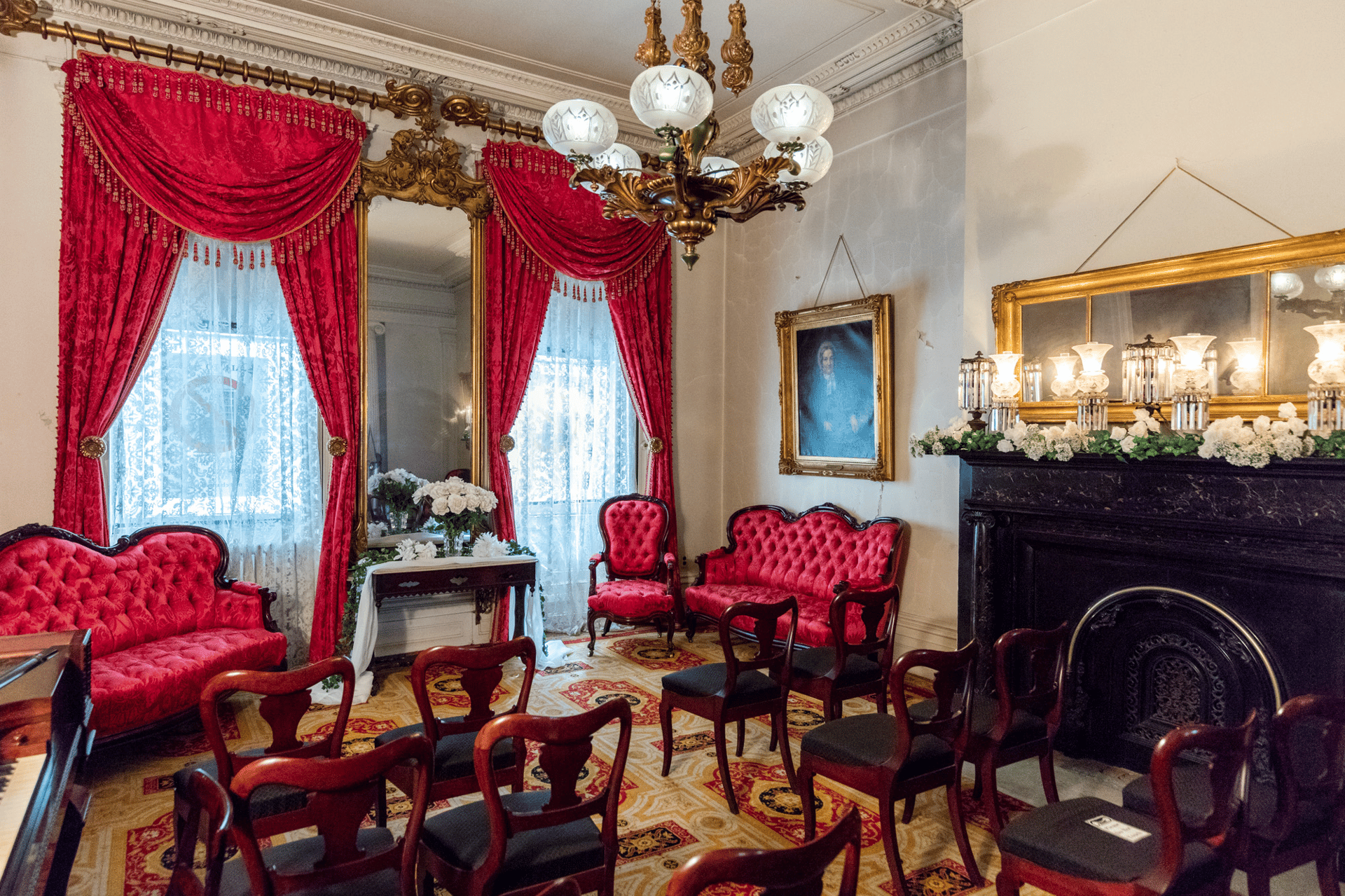
On East 4th Street, the Merchant’s House Museum offers a completely different kind of experience.
Built in 1832, the Greek Revival townhouse preserves the former home of the Tredwell family, who lived there for nearly a century.
Period rooms retain original furnishings, personal possessions and architectural details, offering an unusually intimate look at domestic life in 19th-century New York.
The house is currently open during its ongoing restoration, with both guided and self-guided visits available.
In a neighborhood dominated by former commercial lofts, the survival of a nearly intact 19th-century family home feels extraordinary.
At 24 Bond Street, the Gene Frankel Theatre keeps NoHo’s independent performance tradition alive.
Founded by director and acting teacher Gene Frankel in 1949, the intimate theater continues to host plays, festivals, workshops and experimental productions.
The current 24 Bond Arts Center also focuses on supporting contemporary artists and new work.
It is exactly the kind of small cultural space that gives downtown Manhattan its character.
Check the schedule rather than expecting a long-running production.
Part of the appeal is never knowing exactly what will be on stage next.
Walk north on Lafayette Street and one of NoHo’s most striking architectural landmarks appears almost suddenly.
Colonnade Row, also known as LaGrange Terrace, was built in the early 1830s as a row of elegant Greek Revival townhouses.
Only four of the original houses survive.
Their monumental two-story Corinthian colonnade creates a façade unlike almost anything else in Lower Manhattan and offers a glimpse of what this part of the city looked like before the large commercial loft buildings arrived.
It is worth slowing down for.
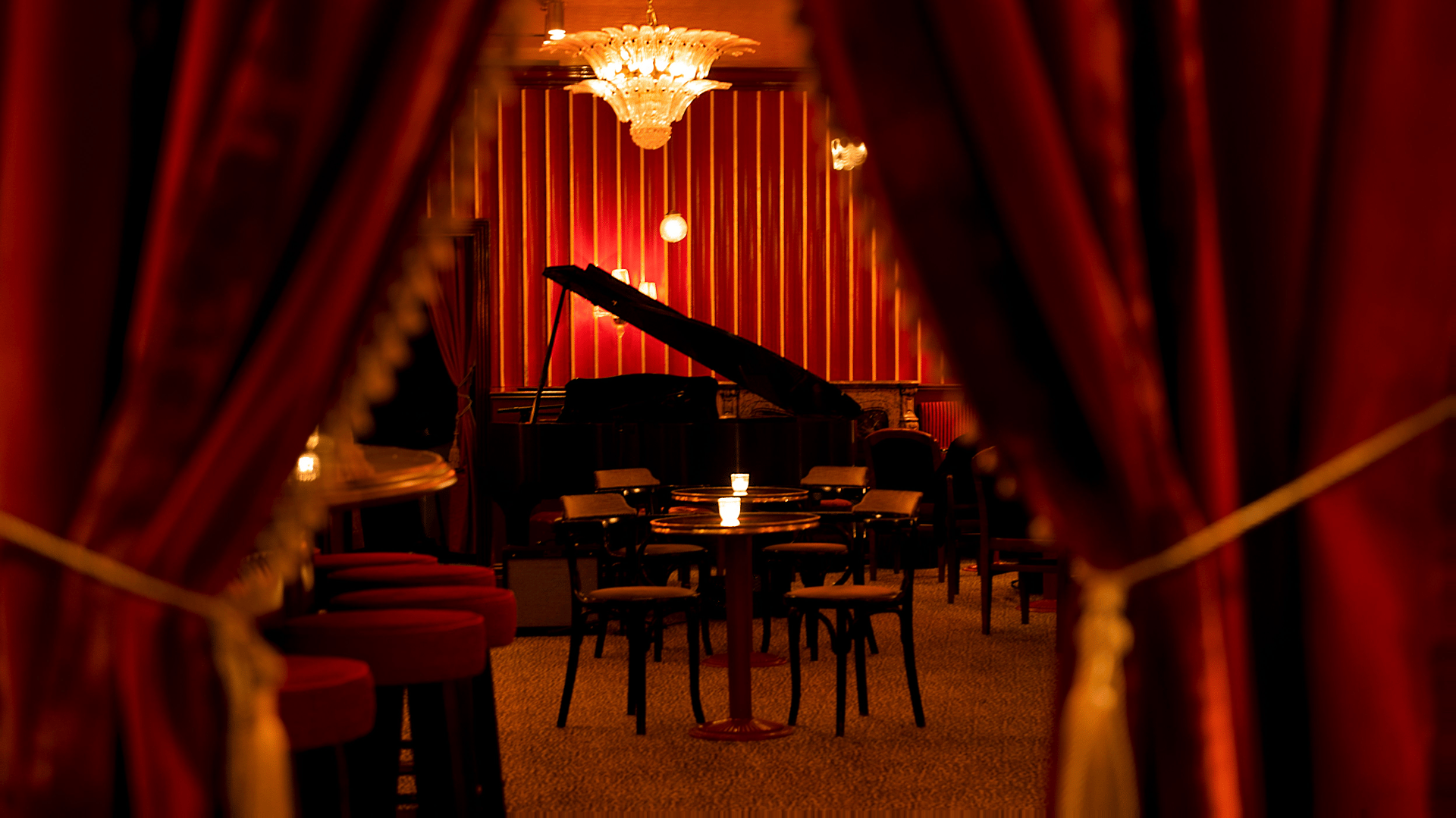
For cocktails, live music and a reason to dress up, The Nines is our pick.
The Great Jones Street piano bar and supper club takes inspiration from grand European lounges, with red velvet, low lighting, vintage details and live music playing nightly.
Cocktails and elevated small plates are part of the experience, but the room itself is the real draw.
This is not somewhere for a quick drink in sneakers before heading elsewhere.
Dress properly, reserve a table and let the evening take its time.
NoHo does understated luxury particularly well, and The Nines understands the assignment.
At the northern edge of the neighborhood, Astor Place functions as one of downtown Manhattan’s great urban meeting points.
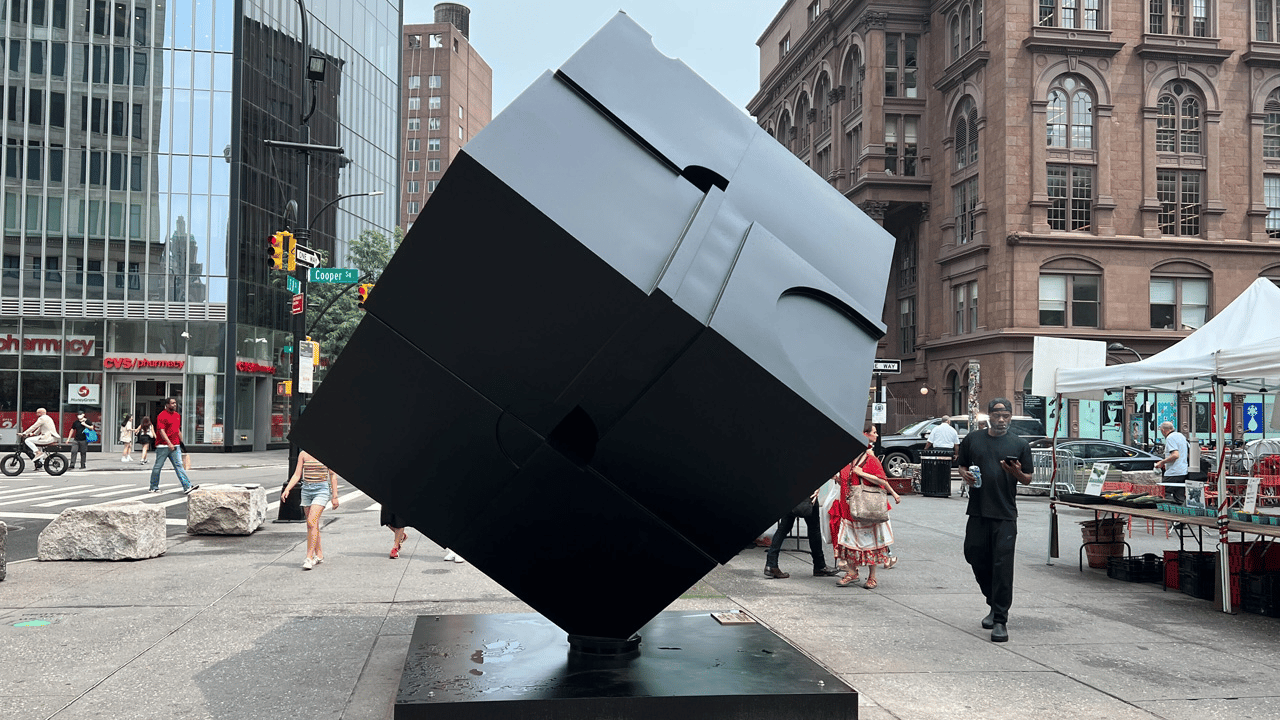
The open plaza sits where NoHo, the East Village and Greenwich Village converge, surrounded by Cooper Union, The Public Theater and an eclectic mix of architecture.
At its center is Tony Rosenthal’s rotating sculpture Alamo, better known simply as the Cube.
Sit for a few minutes and the entire downtown population seems to pass through.
Students, performers, residents and commuters all cross the same small space.
It is one of those New York plazas where people-watching is the main attraction.
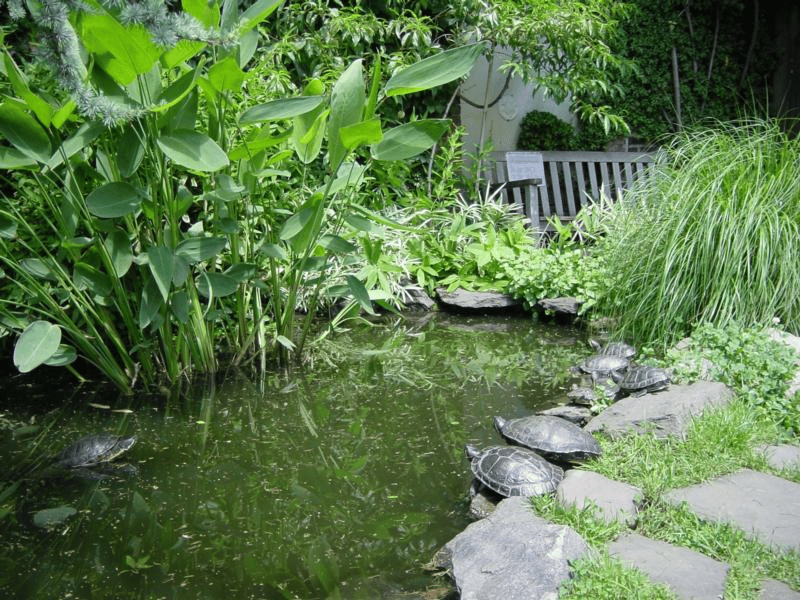
Just beyond NoHo’s southeastern edge at Bowery and Houston, the Liz Christy Community Garden is worth the short detour.
Created beginning in 1973 by Liz Christy and the Green Guerillas, it is widely recognized as New York City’s first community garden.
Inside the gates are winding paths, mature trees, perennial planting, vegetables, a pond and enough greenery to make the traffic outside feel surprisingly distant.
Public hours vary by season, so check before going.
When the gate is open, step inside.
NoHo is small enough that you can explore nearly all of it without planning a route.
Bond Street is the obvious starting point, particularly between Broadway and the Bowery, where some of the neighborhood’s most distinctive historic and contemporary residential architecture sits within only two blocks.
Great Jones Street has a slightly rougher personality, mixing former commercial buildings, old firehouse architecture, restaurants and residences.
Lafayette Street is grander and busier, with large 19th-century buildings, the Public Theater, Colonnade Row and several of the neighborhood’s best restaurants.
Broadway reveals another side of NoHo entirely.
Its monumental store-and-loft buildings reflect the period when this part of Manhattan became one of the city’s major commercial districts.
Then there are East 4th Street and the streets around Astor Place, where the architecture becomes more residential and NoHo begins to merge almost imperceptibly into Greenwich Village and the East Village.
The neighborhood is tiny.
That makes noticing the differences between individual blocks even more interesting.
Residentially, NoHo is defined by loft living on a remarkably intimate scale.
Many homes occupy former commercial and manufacturing buildings, where oversized windows, high ceilings, large floor plates and original industrial details create residences that feel fundamentally different from conventional Manhattan apartments.
Historic loft cooperatives and condominiums sit beside a small number of contemporary luxury developments, particularly around Bond and Great Jones Streets.
Because the neighborhood covers only a handful of blocks and much of it is landmarked, inventory is naturally limited.
The result is one of downtown Manhattan’s most distinctive residential environments: architectural, exceptionally central and surprisingly quiet once you leave Broadway and Lafayette Street.
NoHo real estate reflects more than a century of changing uses.
The historic district contains former store-and-loft buildings constructed in marble, cast iron, limestone, brick and terra cotta, many of which have since been converted into expansive residential lofts.
Landmark designation protects much of the neighborhood, meaning exterior alterations and new construction within the historic districts are generally subject to Landmarks Preservation Commission review.
The 2021 SoHo/NoHo Neighborhood Plan also created the Special SoHo-NoHo Mixed Use District, broadening opportunities for residential use and creating a pathway for some former artist live-work spaces to convert to conventional residential occupancy.
From historic artist lofts and cast-iron conversions to highly designed contemporary condominiums, NoHo offers an unusually limited collection of residences within one of Manhattan’s most architecturally significant downtown neighborhoods.
Whether you are drawn to an expansive historic loft, a cast-iron residence on Bond Street or a contemporary condominium within one of downtown Manhattan’s most distinctive enclaves, explore what is currently available across NoHo.
2,747 people live in NoHo, where the median age is 40 and the average individual income is $185,820. Data provided by the U.S. Census Bureau.
Total Population
Median Age
Population Density
Average individual Income
There's plenty to do around NoHo, including shopping, dining, nightlife, parks, and more. Data provided by Walk Score and Yelp.
Explore popular things to do in the area, including PlantShed, and Audubon Magazine.
| Name | Category | Distance | Reviews |
Ratings by
Yelp
|
|---|---|---|---|---|
| Dining | 0.12 miles | 0 reviews | 0/5 stars | |
| Shopping | 0.09 miles | 0 reviews | 0/5 stars | |
|
|
||||
|
|
||||
|
|
||||
|
|
||||
|
|
||||
|
|
NoHo has 1,567 households, with an average household size of 2. Data provided by the U.S. Census Bureau. Here’s what the people living in NoHo do for work — and how long it takes them to get there. Data provided by the U.S. Census Bureau. 2,747 people call NoHo home. The population density is 76,851 and the largest age group is Data provided by the U.S. Census Bureau.
Total Population
Population Density Population Density This is the number of people per square mile in a neighborhood.
Median Age
Men vs Women
Population by Age Group
0-9 Years
10-17 Years
18-24 Years
25-64 Years
65-74 Years
75+ Years
Education Level
Total Households
Average Household Size
Average individual Income
Households with Children
With Children:
Without Children:
Blue vs White Collar Workers
Blue Collar:
White Collar:
590 Madison Ave, Floor 8 New York, NY10022
590 Madison Ave, Floor 8 New York, NY10022