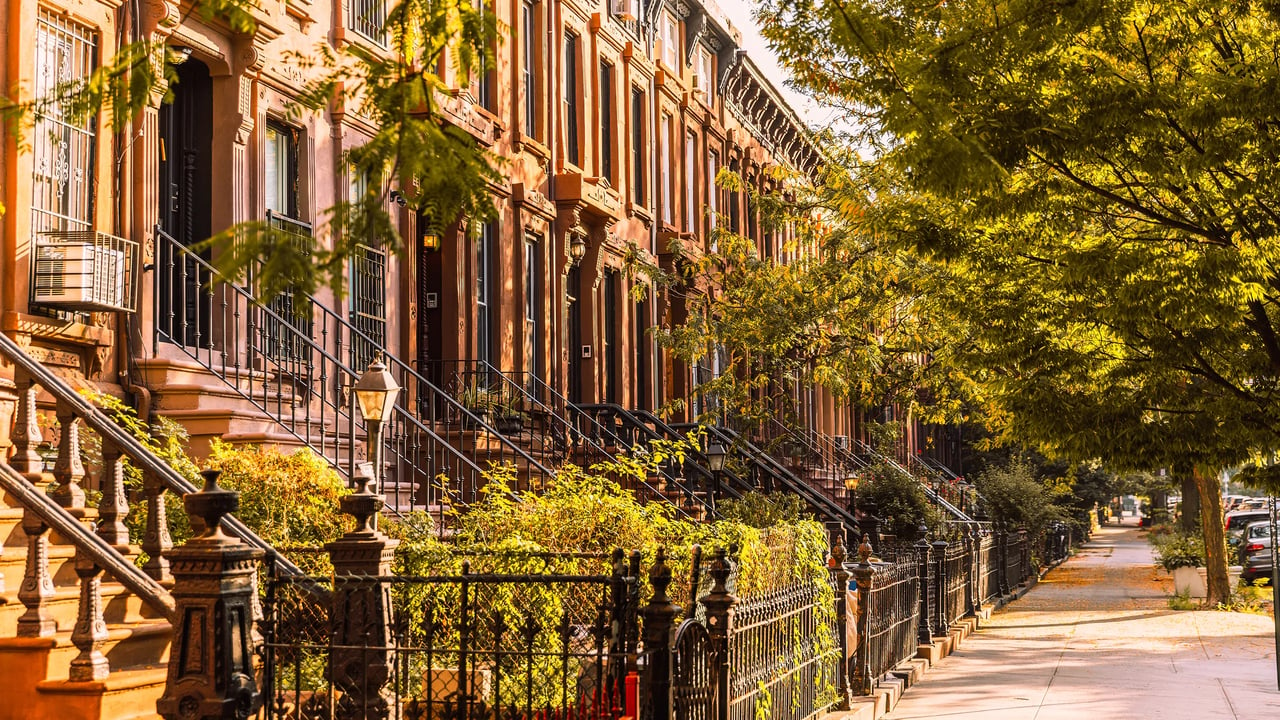
For many Manhattan families, moving to Brooklyn is not about leaving New York City. It is about finding a version of city life that better supports how they want to live.
As priorities shift, space becomes more important. Access to parks starts to matter every day, not just on weekends. School planning begins earlier. Many buyers are not looking to leave the city. They are looking for more room, more greenery, and a neighborhood that feels easier to live in long term.
For that reason, Brooklyn has become a natural next step. For families coming from Manhattan, it often offers larger homes, stronger neighborhood identity, and better day-to-day livability at similar or more compelling price points.
The key is not simply choosing Brooklyn. It is choosing the right Brooklyn neighborhood for your lifestyle, commute, housing goals, and school priorities.
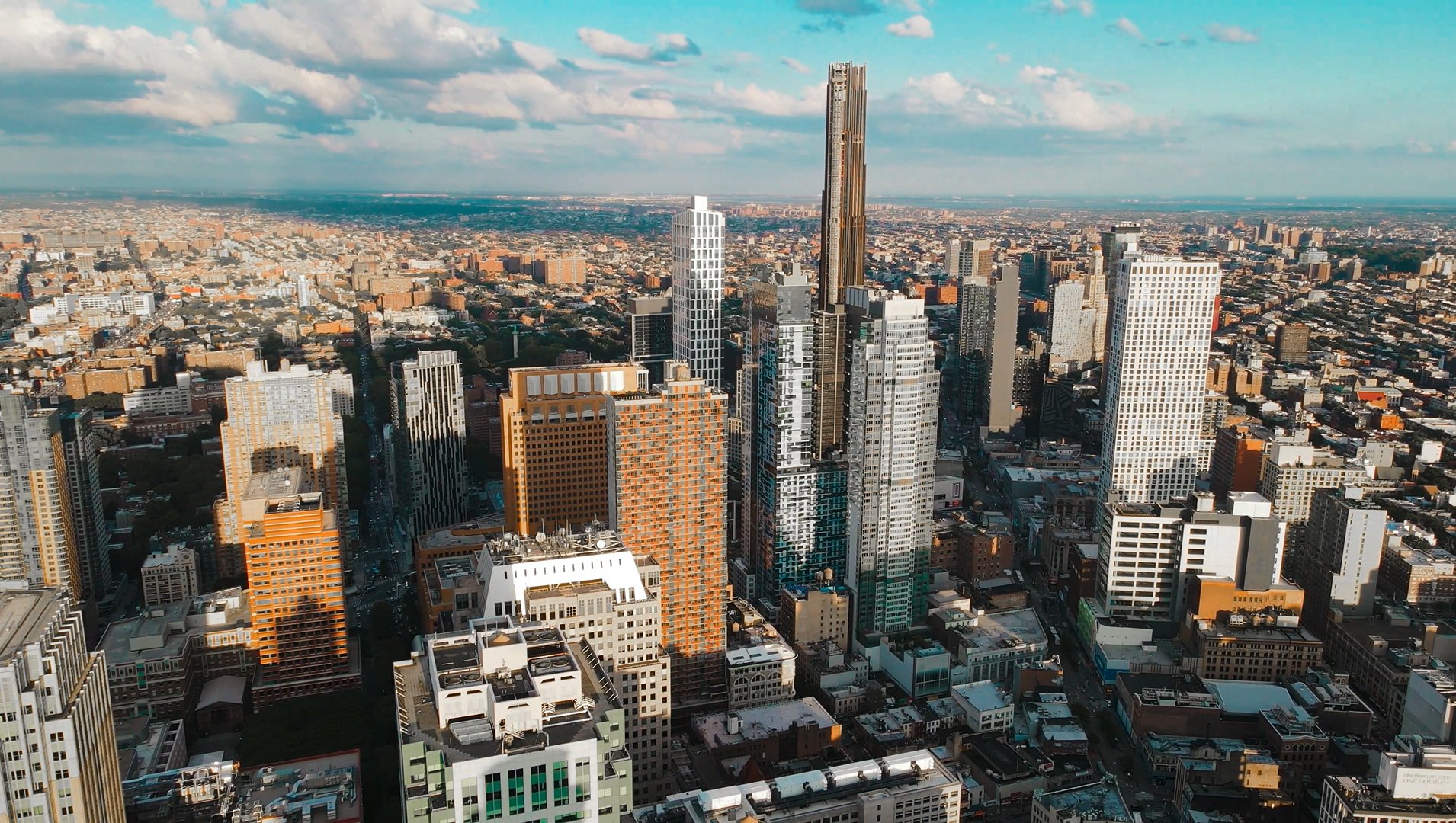
Why Manhattan Families Are Moving to Brooklyn
The move from Manhattan to Brooklyn is usually driven by practical lifestyle needs, not trend.
Many families begin looking when their current apartment no longer works as easily as it once did. They may want more bedrooms, outdoor access, storage, or a layout that can support children, guests, or working from home. Others are thinking ahead about schools, green space, or the overall pace of daily life in a more residential setting.
Brooklyn appeals because it allows families to stay in New York while gaining a different kind of experience. In many neighborhoods, buyers can find:
-
Larger layouts and more flexible living space
-
Direct access to parks and waterfront green space
-
A more residential streetscape with lower density
-
Established public and private school options
-
Strong neighborhood identity and long-term livability
For many Manhattan buyers, the question is not whether to stay in the city. It is where in the city life works better for the next chapter.
Park Slope
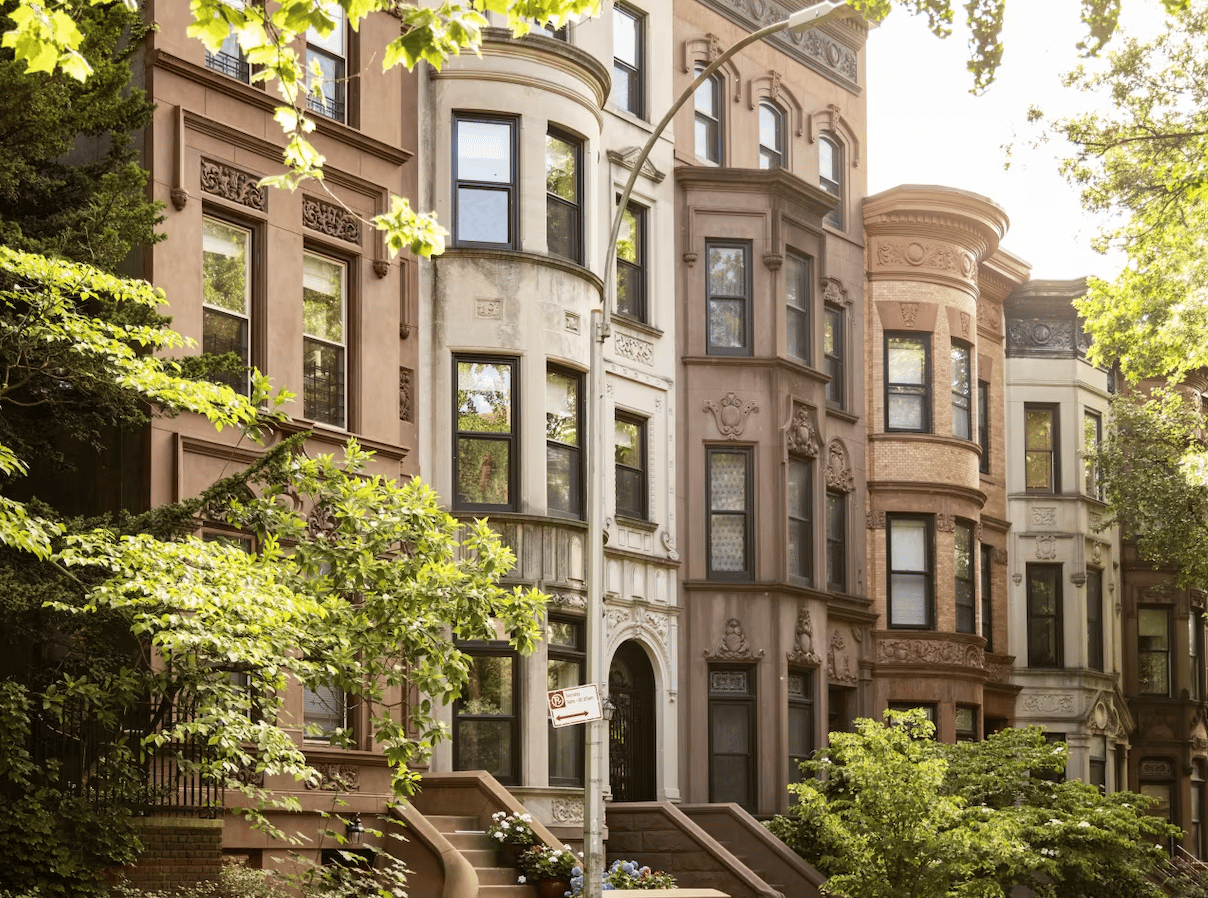
Park Slope remains one of the best Brooklyn neighborhoods for families and is often the first area Manhattan buyers consider.
Its greatest advantage is direct access to Prospect Park, one of New York City’s most important green spaces. For many residents, the park becomes part of daily life, whether for school drop-offs, playground time, sports, or weekend routines.
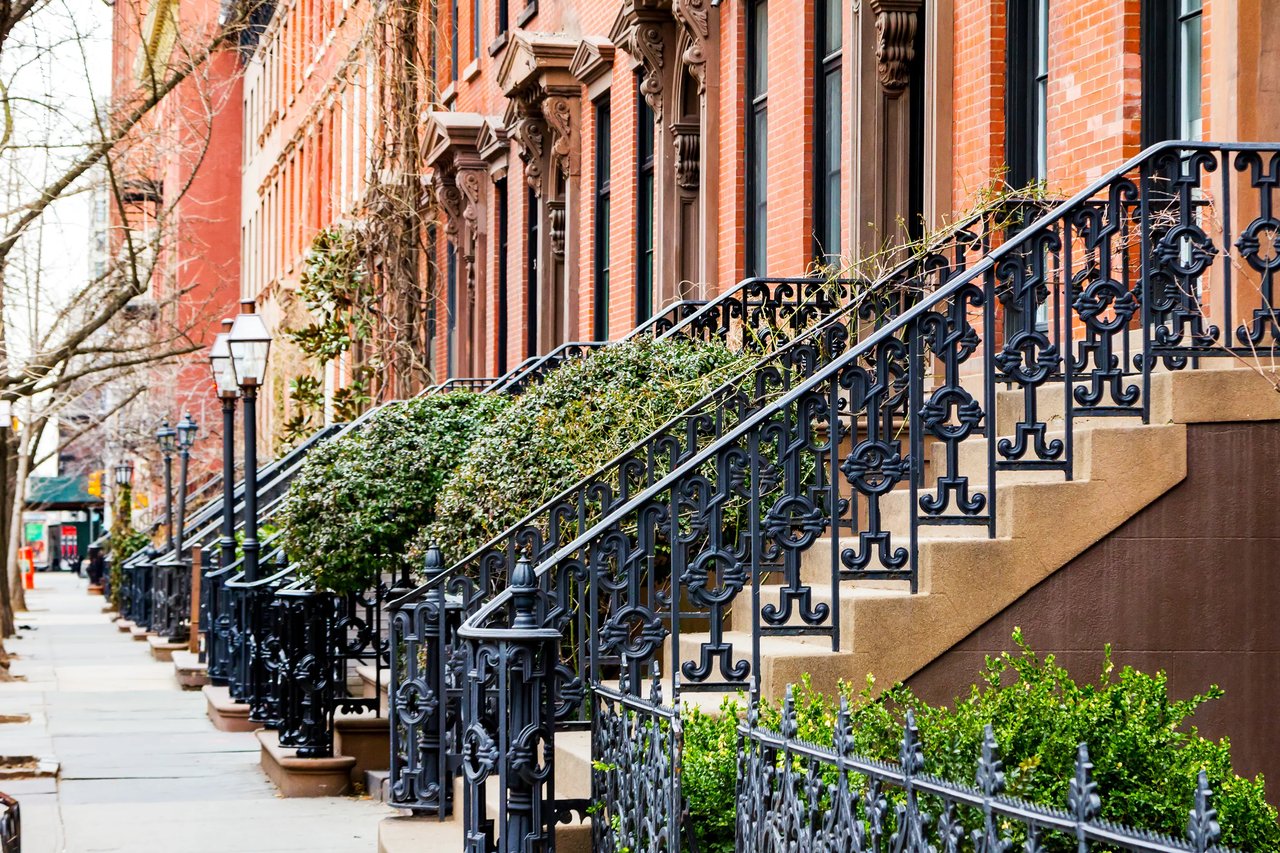
The neighborhood is also known for its classic brownstones, low-rise housing stock, and strong residential character. Larger layouts are more common than in many parts of Manhattan, and the area has long been associated with strong public school demand.
For families looking for a proven neighborhood with space, park access, and enduring appeal, Park Slope remains a benchmark.
Brooklyn Heights
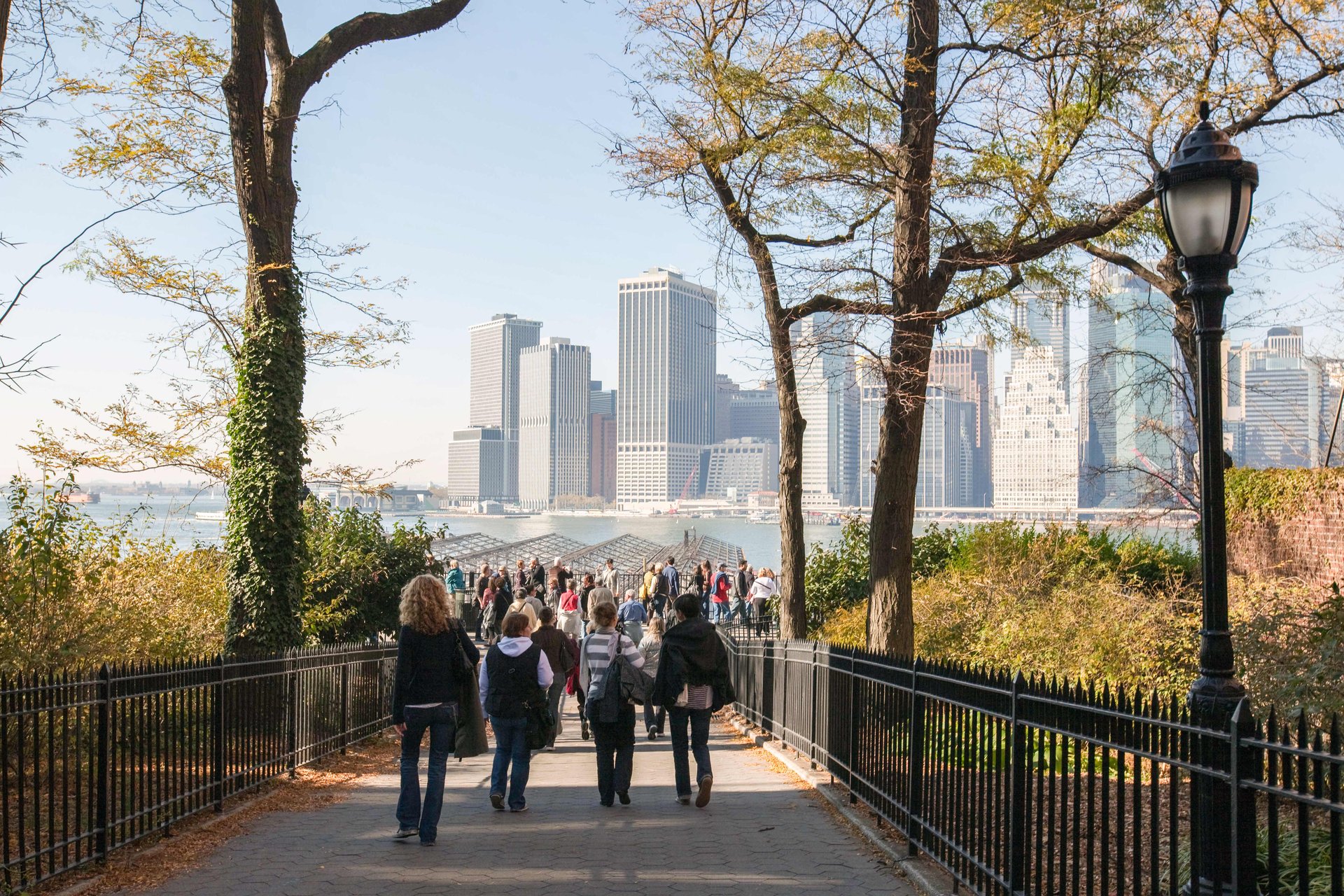
Brooklyn Heights is often the easiest transition for Manhattan families who want to remain closely connected to Manhattan.
The neighborhood offers a calm, historic setting with quick access to Downtown Manhattan. Its streets feel established, quiet, and architecturally consistent, which appeals to buyers who want a more residential atmosphere without giving up convenience.
Brooklyn Bridge Park adds a major lifestyle advantage, with waterfront recreation, open space, and views that make the area especially attractive for families. Brooklyn Heights is also known for a strong mix of public and private school options.
For buyers who want Brooklyn charm with the most seamless Manhattan access, Brooklyn Heights remains one of the strongest choices.
Carroll Gardens
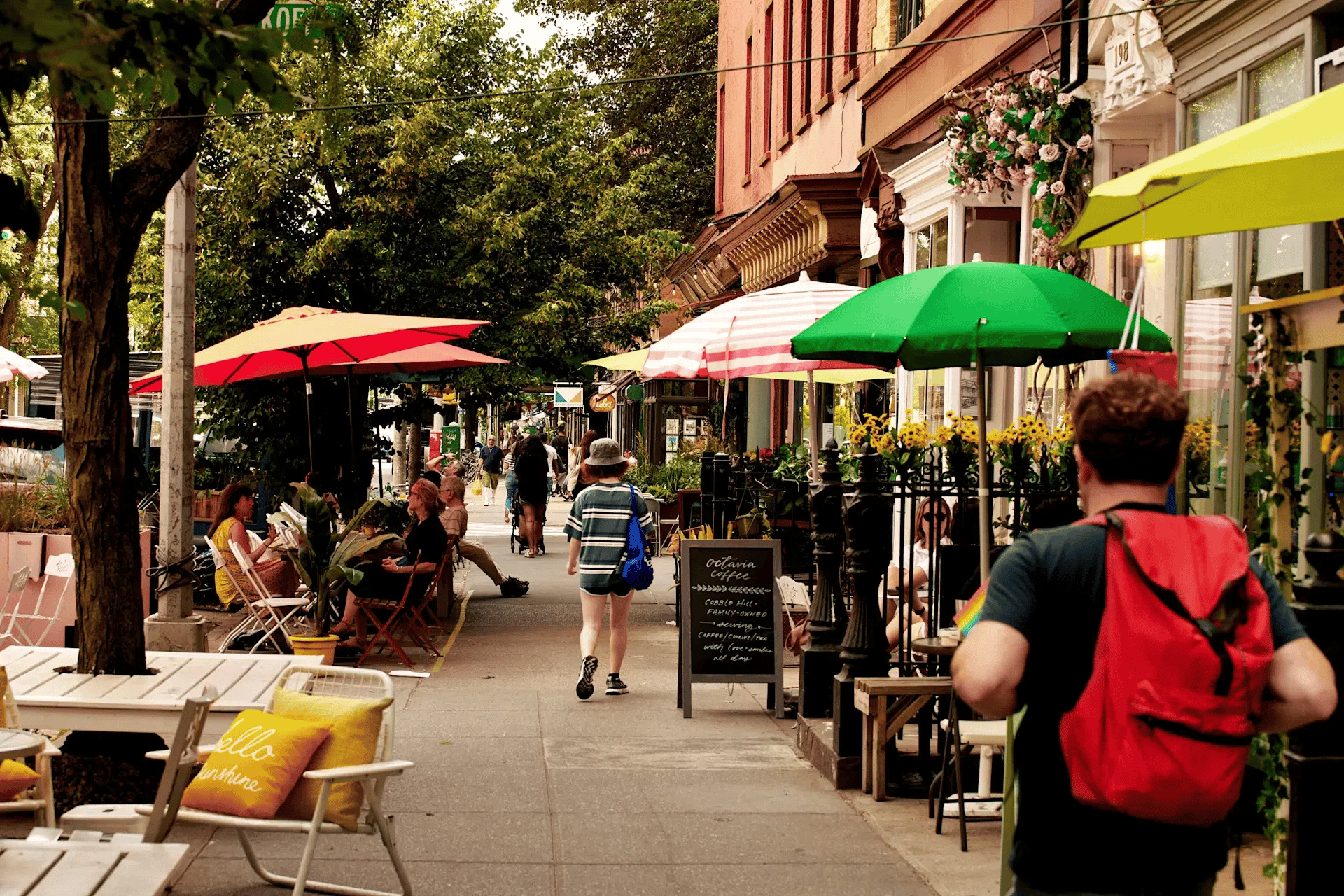
Carroll Gardens offers a softer, more relaxed neighborhood feel.
Known for its tree-lined blocks, brownstone homes, and strong sense of community, it appeals to families who value charm, livability, and a less hurried pace. The neighborhood feels residential without feeling isolated, and its scale is often especially appealing to Manhattan buyers looking for a more grounded daily environment.
Carroll Park serves as a neighborhood anchor, and the area offers a mix of public and private school options. The overall feel is warm, local, and community-oriented.
For families prioritizing charm, space, and neighborhood character, Carroll Gardens is consistently worth considering.
Windsor Terrace
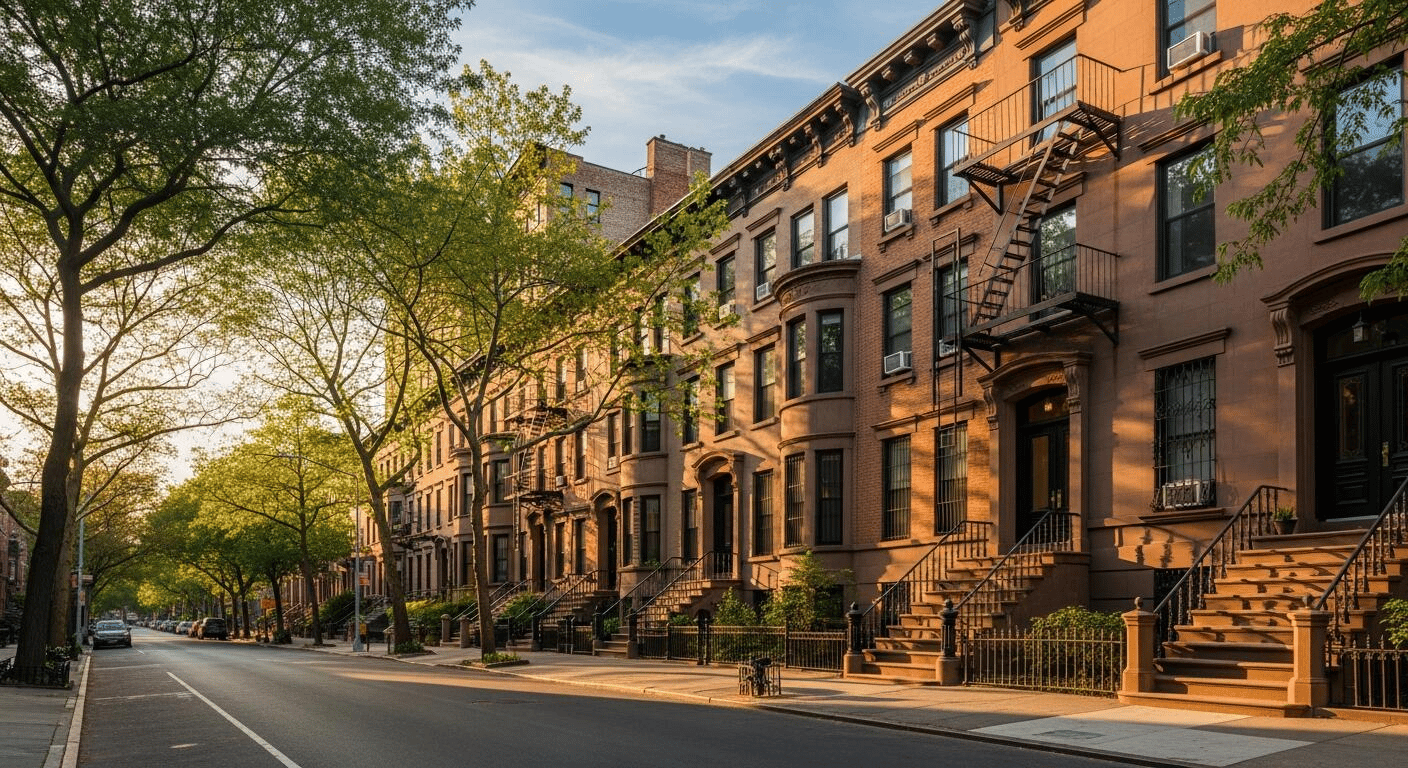
Windsor Terrace is often appealing to buyers who want the benefits of Park Slope with a quieter, more understated feel.
Located along Prospect Park, it offers immediate access to green space while maintaining a slower pace and a more local atmosphere. The streets are consistently residential, and the neighborhood tends to feel calm and contained.
For families who want park access, a quieter daily rhythm, and a lower-profile alternative to more high-demand brownstone neighborhoods, Windsor Terrace can be an especially smart fit.
Cobble Hill
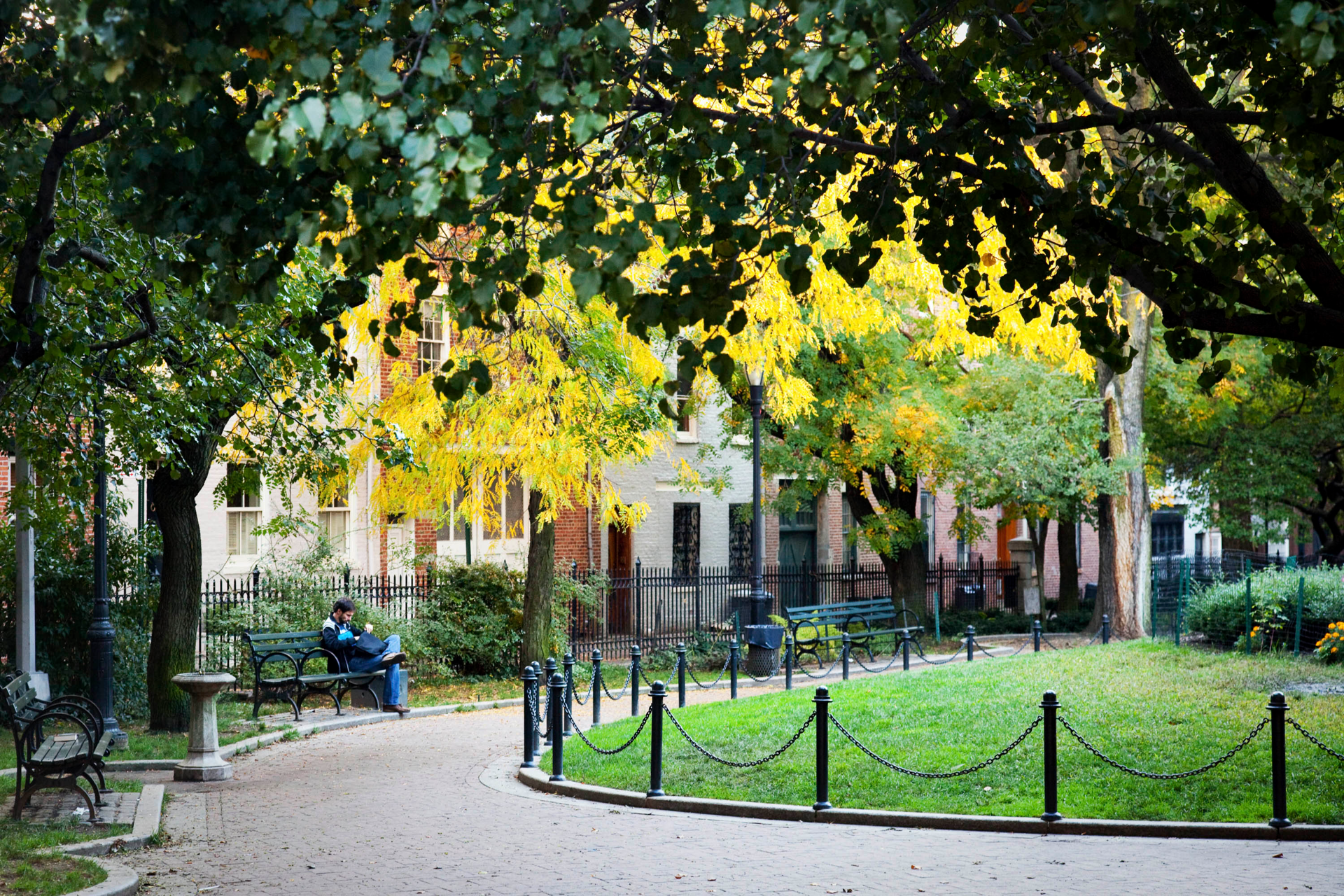
Cobble Hill offers a compact, highly livable neighborhood structure that works well for families, especially those with younger children.
It is one of Brooklyn’s smaller brownstone neighborhoods, with a strong identity and a quieter street presence. That intimacy is part of its appeal. The neighborhood feels manageable, residential, and well connected at the same time.
Cobble Hill Park provides local green space, while nearby access to larger parks and Downtown Brooklyn adds convenience. For Manhattan families looking for a neighborhood that feels contained but not disconnected, Cobble Hill remains a strong option.
Prospect Heights
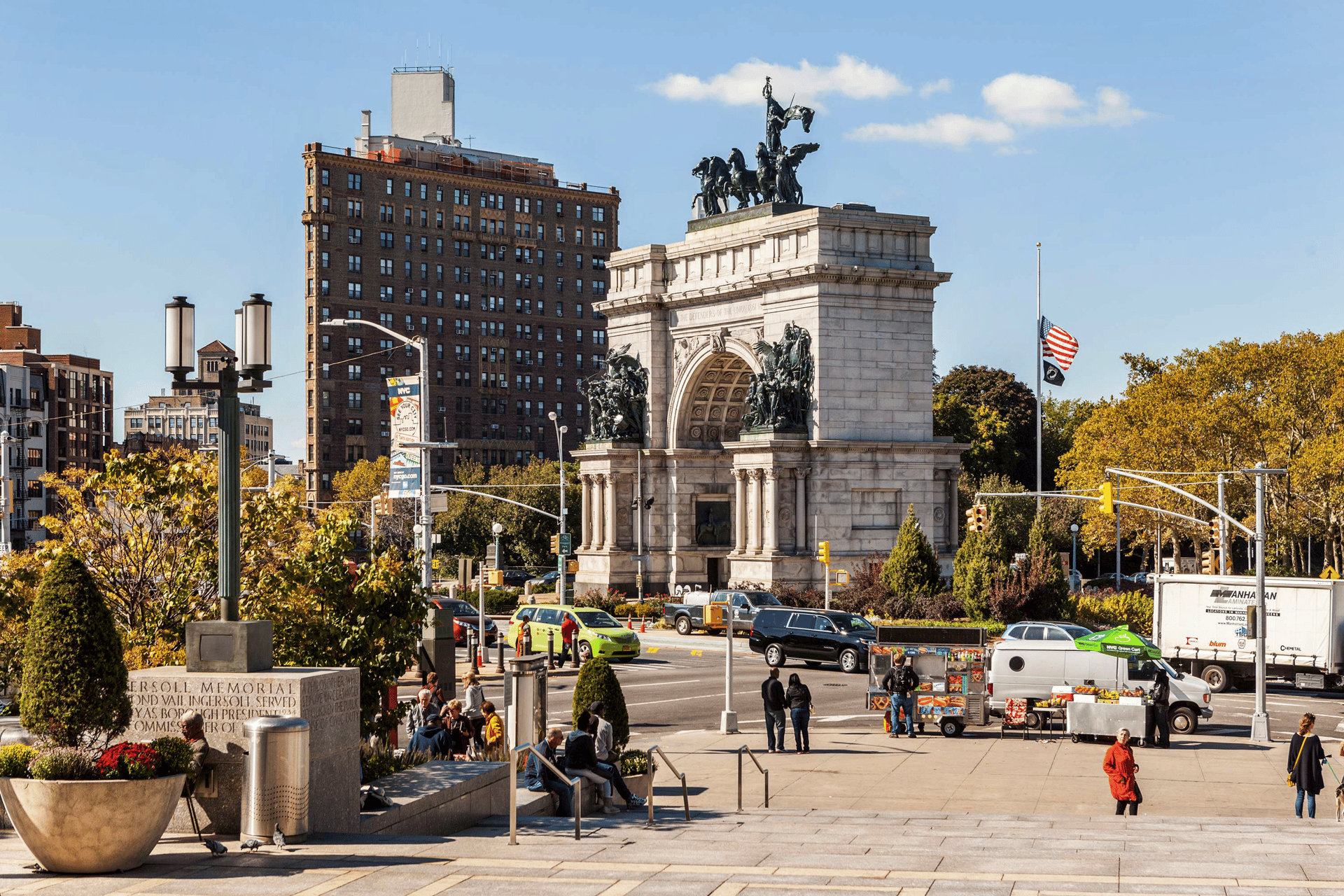
Prospect Heights appeals to families who want a balance of residential living and cultural energy.
Its location near Prospect Park and the Brooklyn Botanic Garden gives it strong access to outdoor space, while the neighborhood itself offers a mix of residential blocks, restaurants, and cultural institutions. It can feel slightly more active than Brooklyn Heights or Windsor Terrace, but still offers pockets that work very well for family life.
For buyers looking for space, green space, and a bit more activity without sacrificing long-term livability, Prospect Heights offers a compelling middle ground.
What to Consider Before Moving from Manhattan to Brooklyn
Choosing the right Brooklyn neighborhood involves more than identifying a general area. Families should think through a few key factors before making a move.
Schools
School zoning and admissions policies can materially shape a home search. Buyers should confirm current zoning and explore both public and private options before making an offer.
Commute
The right neighborhood can feel very different depending on where and how often you commute. Subway access, driving patterns, and proximity to Manhattan all matter.
Housing Type
Townhouses, condominiums, and cooperatives each offer a different ownership experience. The right fit depends on budget, space needs, flexibility, and long-term plans.
Lifestyle
Some families want a quieter, more residential setting. Others want access to restaurants, culture, and activity. The best neighborhood is the one that aligns with how you actually live.
Brooklyn Is Not a Compromise
For many families, Brooklyn is not a second choice. It is a more functional version of city living.
It can offer more space, better access to parks, and a stronger neighborhood feel, all while allowing families to remain in New York City. For Manhattan buyers making this move, the decision is rarely about leaving something behind. More often, it is about moving toward a version of the city that better supports long-term life.
If you are considering a move from Manhattan to Brooklyn, the right neighborhood strategy can make a meaningful difference. Budget, school considerations, commute, and timing all shape the outcome, and a more targeted approach usually leads to a better result.