A Data-Driven Guide for Buyers Prioritizing Access to Midtown
In Brooklyn, commute time is not a secondary consideration. For many buyers, it is the first filter.
The Brooklyn real estate market spans a wide geographic area. Travel times to Midtown Manhattan can vary from under 20 minutes to nearly an hour depending on location, subway access, and transfer requirements. For this analysis, Midtown refers broadly to the 34th to 59th Street corridor, including Grand Central, Times Square, and Penn Station.
Below is a structured look at the Brooklyn neighborhoods that consistently offer the shortest commutes to Midtown and why.
Downtown Brooklyn

Typical commute to Midtown: 15 to 22 minutes
Downtown Brooklyn is the borough's most transit-connected neighborhood. Multiple subway lines converge here, including the 2, 3, 4, 5, B, D, N, Q, R, A, C, and F trains. This concentration of service creates one of the fastest and most reliable Midtown connections in Brooklyn.
Approximate travel times:
-
34th Street Herald Square: 18 to 20 minutes
-
Times Square 42nd Street: 20 to 22 minutes
-
Grand Central 42nd Street: 18 to 22 minutes
Why it works:
-
Direct Manhattan-bound express service
-
Minimal need for transfers
-
Frequent train intervals during peak hours
From a housing perspective, the neighborhood is condominium-heavy, with significant new development inventory. Buyers prioritizing both commute efficiency and modern building amenities often begin their search here.
Brooklyn Heights
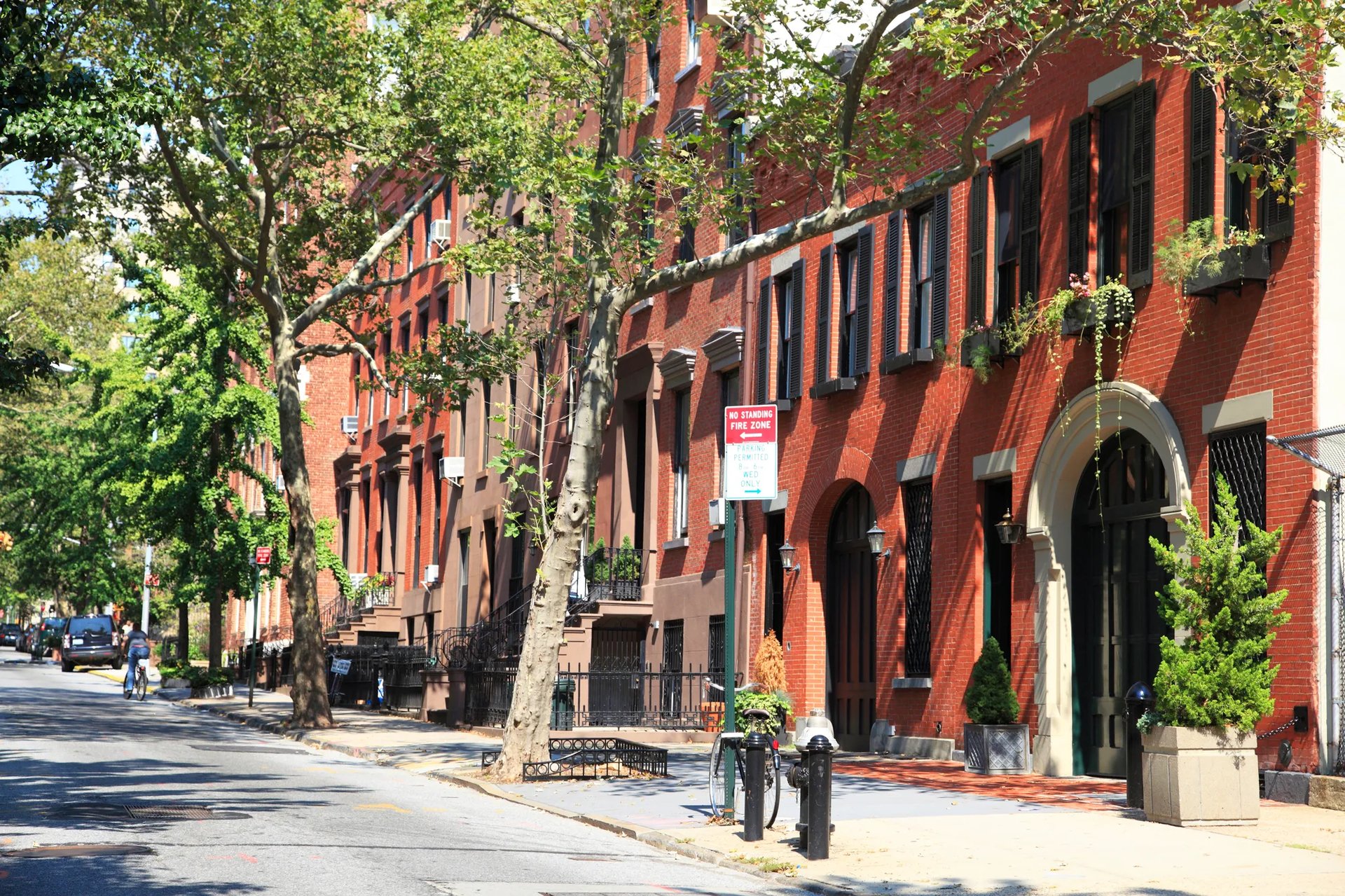
Typical commute to Midtown: 18 to 22 minutes
Brooklyn Heights combines residential scale with strong transit access. Borough Hall and nearby stations provide direct access to the 2, 3, 4, 5, and R trains, creating efficient Midtown routing without complicated transfers.
Approximate travel times:
-
Midtown East (Grand Central): 18 to 20 minutes
-
Midtown West (Times Square): 20 to 22 minutes
Unlike Downtown Brooklyn, the housing stock here is primarily prewar co-ops and boutique condominiums. Inventory is limited, turnover is lower, and pricing reflects the neighborhood's established prestige. For buyers seeking short commutes within a more residential setting, Brooklyn Heights remains one of the strongest options in the borough.
Boerum Hill and Fort Greene

Typical commute to Midtown: 18 to 24 minutes
Proximity to Atlantic Avenue–Barclays Center significantly enhances commute speed in both neighborhoods. With access to express and local lines, residents can reach Midtown in under 25 minutes during peak hours.
Why these neighborhoods work for commuters:
-
Strong train redundancy with multiple line options
-
Express service availability at a major hub
-
Flexible routing depending on Midtown destination
Brownstone and boutique condominium housing stock make these neighborhoods well suited for Midtown professionals who also value neighborhood character.
Williamsburg
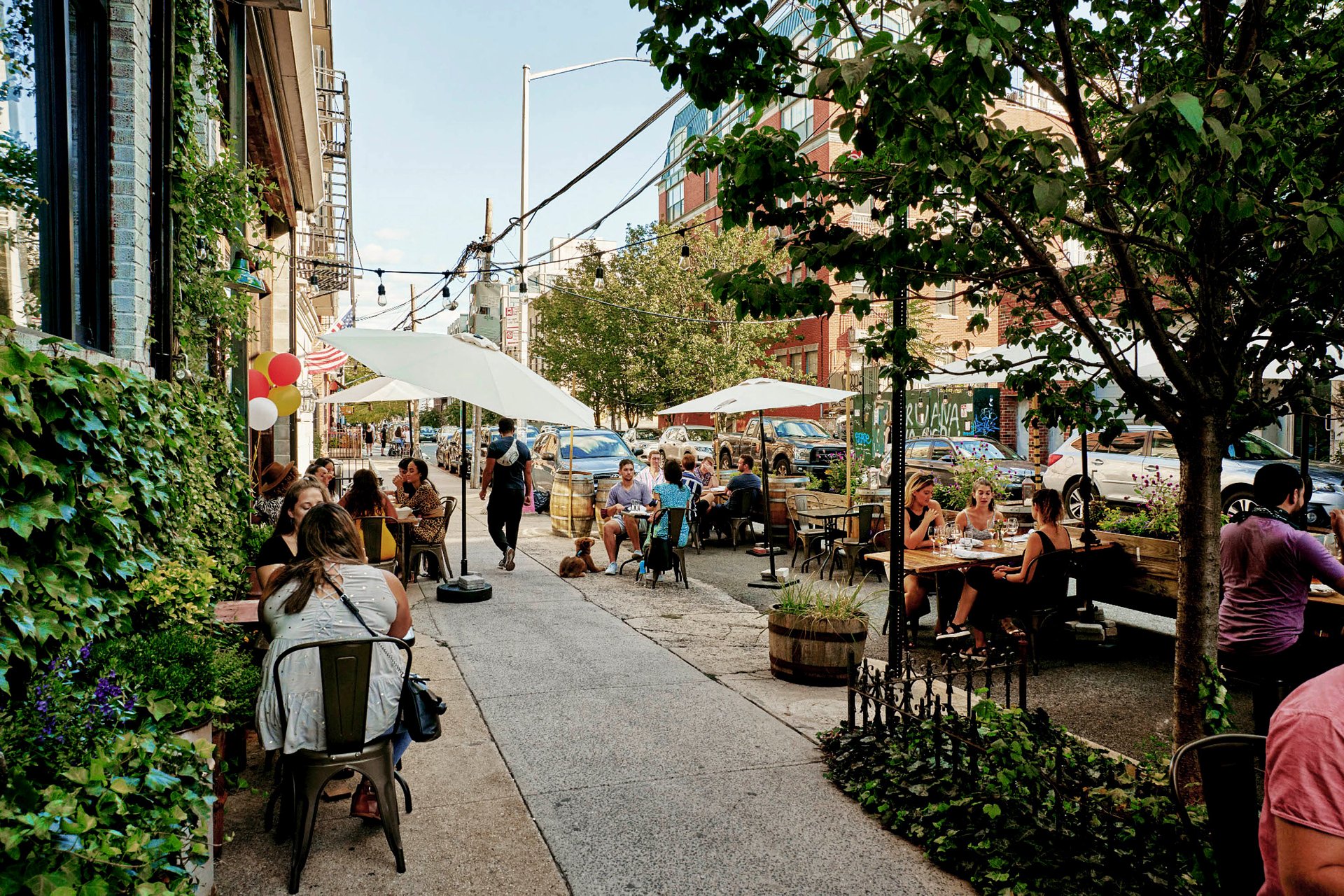
Typical commute to Midtown: 20 to 25 minutes
Williamsburg's L train provides fast access to Manhattan via Union Square in approximately 5 to 7 minutes. From there, riders transfer to northbound lines serving Midtown.
Approximate travel times:
-
Union Square: 5 to 7 minutes
-
Times Square or Grand Central with transfer: 20 to 25 minutes total
Williamsburg stands out because it combines:
-
One of the borough's most liquid condominium markets
-
Strong rental demand
-
Lifestyle-driven amenities
-
Reliable Manhattan access
For buyers seeking both commute efficiency and market liquidity, it remains one of Brooklyn's most practical choices.
DUMBO
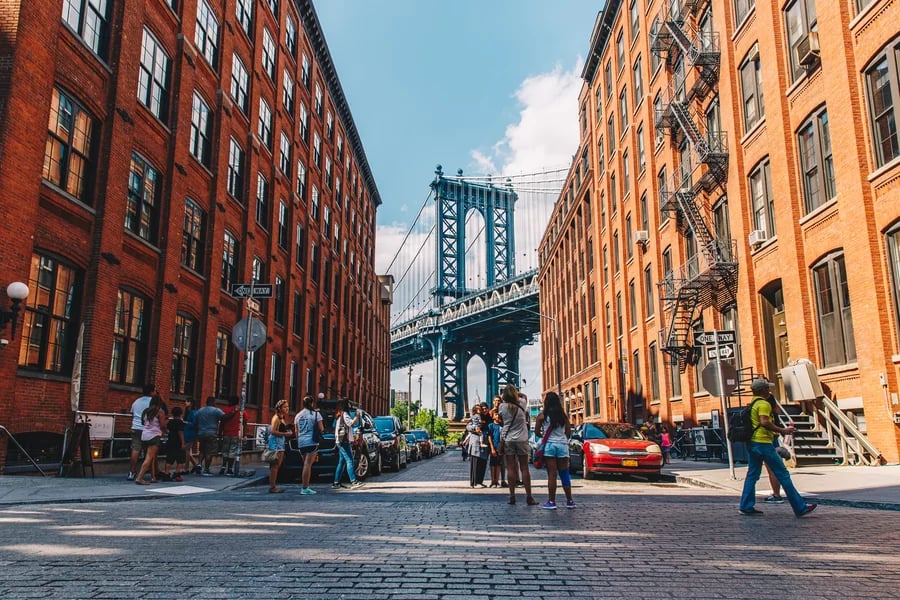
Typical commute to Midtown: 18 to 25 minutes
DUMBO benefits from proximity to the A, C, and F lines, offering relatively direct Manhattan access. Commute times typically range from the high teens to mid-twenties depending on destination and transfer requirements.
Housing here is largely condominium-based, with converted warehouse lofts and newer luxury developments. Inventory is limited, and pricing reflects both commute access and waterfront positioning.
Greenpoint
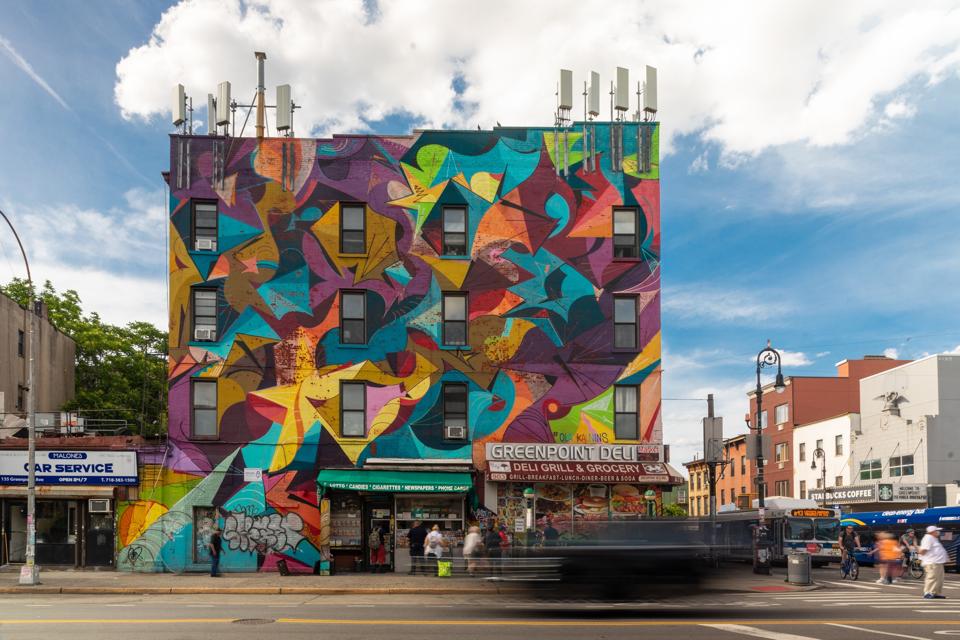
Typical commute to Midtown: 22 to 28 minutes
Greenpoint's G train connects to transfer hubs that route into Midtown. While most Midtown commutes require a transfer, overall travel time remains competitive.
What makes Greenpoint work for commuters:
-
Close geographic proximity to Manhattan
-
Quick connections to Queens-bound and Manhattan-bound lines
-
Increasing condominium development adding inventory
Commute efficiency here depends more on smooth transfers than in Downtown Brooklyn, but total time remains within an acceptable range for many buyers.
Park Slope
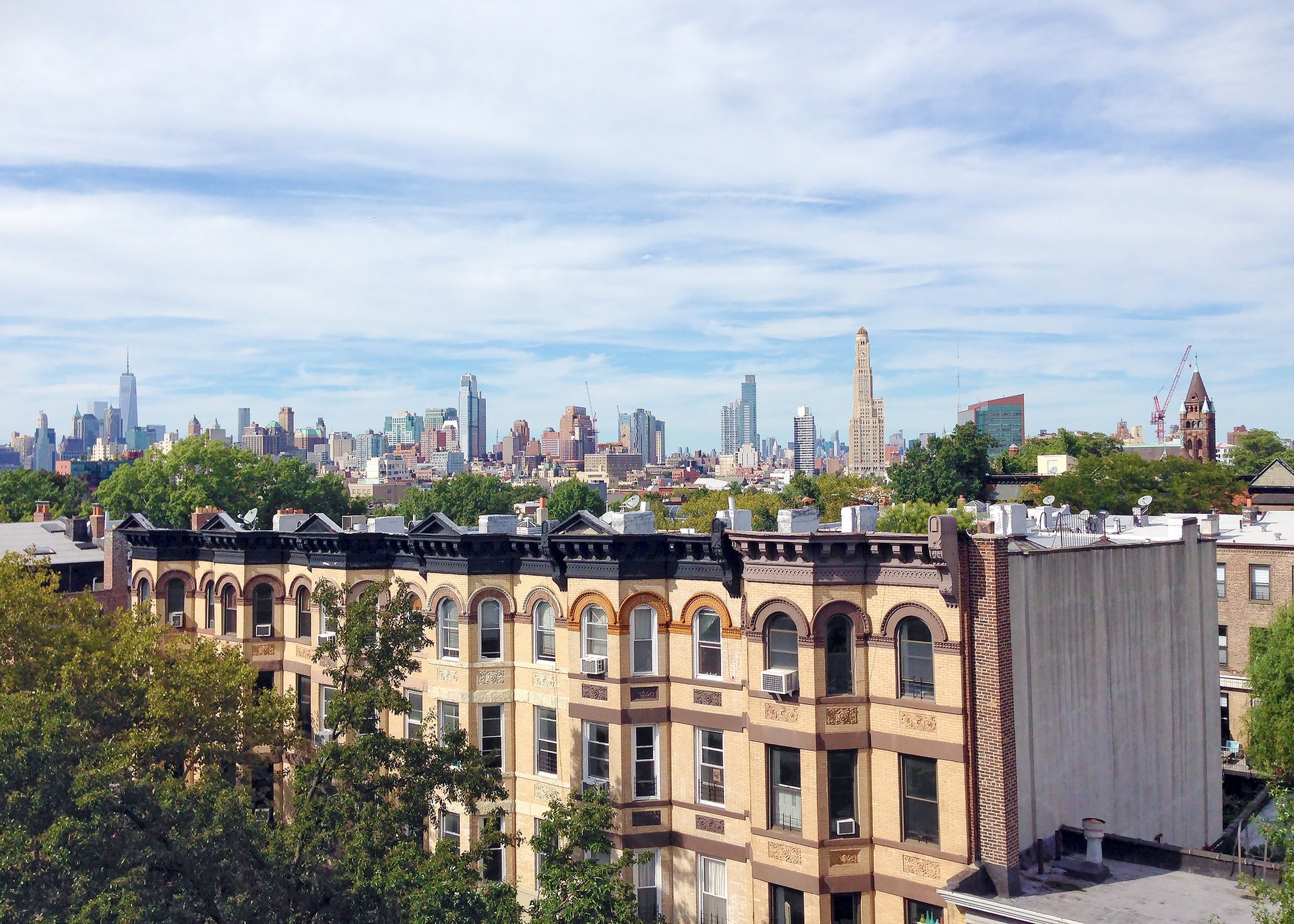
Typical commute to Midtown: 25 to 35 minutes
Park Slope offers multiple subway options, including the F, G, R, and 2/3 lines depending on location within the neighborhood. Northern Park Slope commuters often experience shorter travel times than those in the southern sections.
While not as fast as Downtown Brooklyn or Brooklyn Heights, Park Slope remains highly viable for Midtown professionals, particularly those prioritizing schools and proximity to Prospect Park.
Longer Midtown Commutes: South and East Brooklyn

Neighborhoods deeper into South and East Brooklyn generally see commute times extend beyond 35 minutes, and in some cases beyond 45 to 50 minutes.
-
Bay Ridge: approximately 35 to 45 minutes
-
Sheepshead Bay: approximately 40 to 50 minutes
-
Coney Island: 50 or more minutes
-
Canarsie: approximately 40 or more minutes
These markets attract buyers prioritizing larger square footage, lower entry prices, and quieter residential environments. A longer commute is not a flaw. It is a structural tradeoff, and for many buyers it is the right one.
What Defines Brooklyn's Shortest Midtown Commutes
The fastest-commuting neighborhoods share common characteristics:
-
Proximity to major subway hubs
-
Access to multiple train lines
-
Express service availability
-
Minimal transfer dependency
Downtown Brooklyn, Brooklyn Heights, Boerum Hill, and Fort Greene consistently offer the most direct Midtown routing. Williamsburg and DUMBO remain highly competitive due to strong Manhattan connectivity and housing liquidity.
Buyer Consideration: Commute Time as a Primary Filter
For Midtown professionals, commute time should be evaluated early in the search process. Establishing a maximum acceptable travel time, whether 20, 30, or 40 minutes, narrows neighborhoods quickly and prevents misaligned searches.
In Brooklyn, travel efficiency often correlates directly with pricing and housing density. The shorter the commute, the stronger the competition for inventory. Understanding that relationship helps buyers evaluate tradeoffs clearly and act decisively when the right opportunity presents itself.