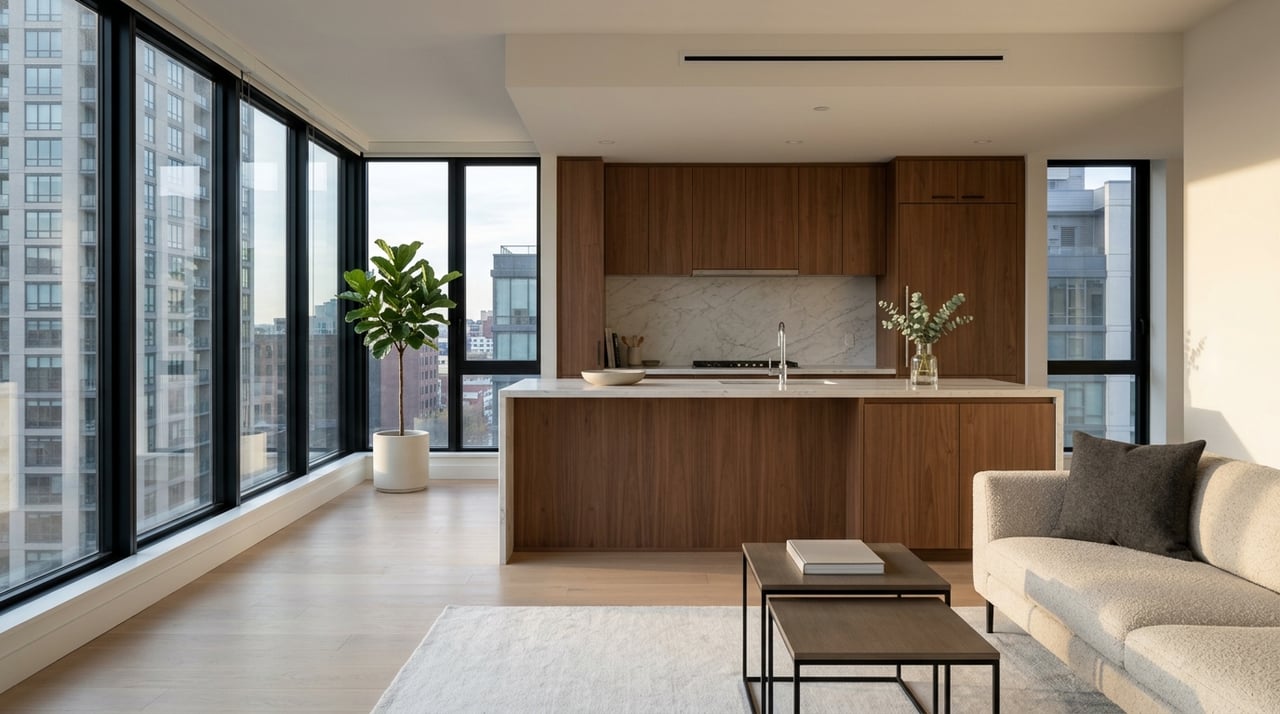
If you are searching for a condo in Flatiron, you are really choosing between two very different lifestyles. In one direction, you have landmark conversions with loft proportions, prewar details, and a direct connection to the neighborhood’s historic streetscape. In the other, you have newer development with modern systems, polished finishes, and deeper amenity packages. Understanding that split can help you focus on what actually fits your priorities. Let’s dive in.
Why Flatiron Offers Both
Flatiron is one of those Manhattan neighborhoods where old and new sit side by side in a very visible way. According to the Flatiron NoMad Partnership’s annual report, the area includes three historic districts, more than 30 landmarks, over 35,000 residents, and 500-plus housing units in development.
That local backdrop helps explain why condo buyers here often compare conversions and new development in the same search. The district has a long history of loft buildings and residential conversions, while also continuing to add modern residential product. In practical terms, Flatiron has not moved fully in one direction. It continues to support both categories.
What a Condo Conversion Means
A condo conversion is an existing building that has been repositioned into condominium use. As Brick Underground explains, that can involve former rental, office, or manufacturing stock.
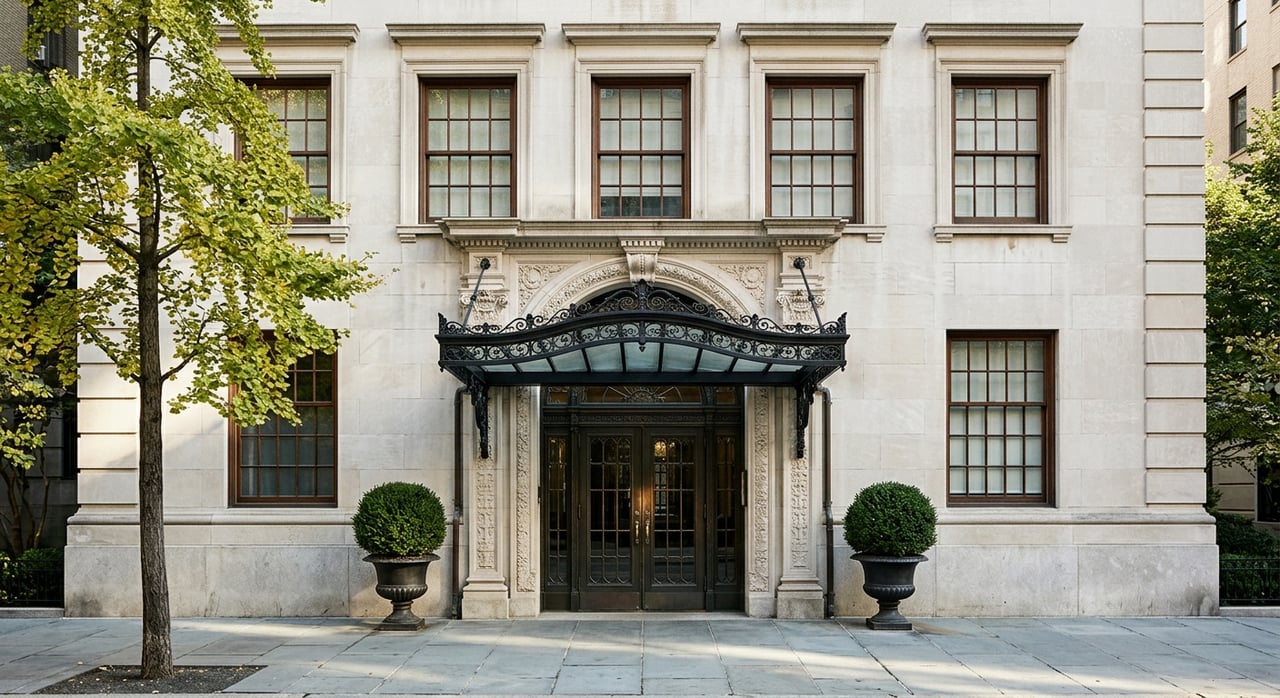
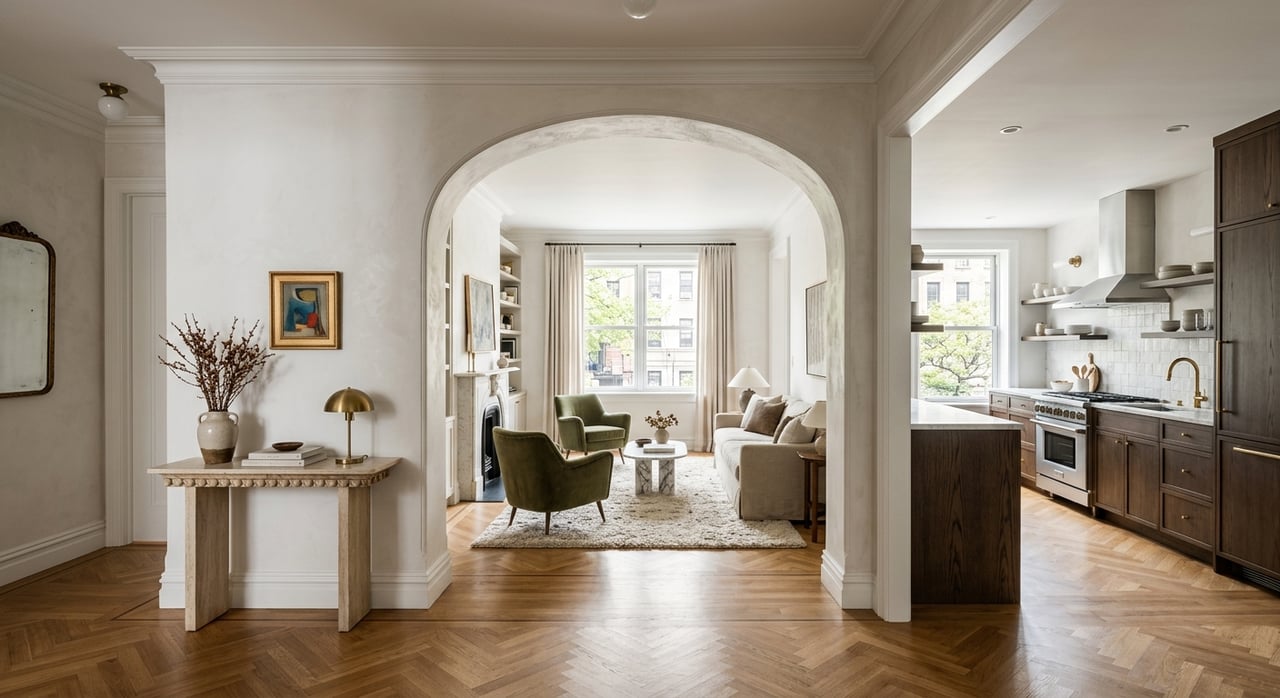
In Flatiron, conversions often carry the visual language many buyers associate with classic downtown Manhattan. You may find higher ceilings, larger rooms, thicker walls, more architectural detail, and layouts shaped by the original building rather than by a fully modern tower template.
How Conversions Feel in Flatiron
Two strong local examples are 212 Fifth Avenue and The Grand Madison at 225 Fifth Avenue. The Flatiron NoMad Partnership’s history page on 212 Fifth Avenue notes that the building dates to 1912-13, while the project was completed as a condo conversion in 2017. The building has 48 units and is widely associated with loft-style interiors.
The Grand Madison history page describes that building as an early-1900s landmark property reborn as a condominium in 2009. Today, it stands as one of the neighborhood’s best-known conversion examples, especially for buyers drawn to Madison Square Park frontage and classic architecture.
These buildings show why conversions still matter in Flatiron. They offer homes that feel tied to the neighborhood’s physical history, which can be a major draw if you care about character as much as convenience.
What Buyers Often Like About Conversions
- Loft-style scale and ceiling height
- Historic facades and architectural detail
- Homes that feel more distinct from unit to unit
- A closer connection to Flatiron’s older streetscape
- Scarcity value in well-located landmark buildings
That said, the appeal is not just emotional. For many buyers, conversions offer a kind of product you simply cannot recreate in a ground-up tower.
What New Development Means
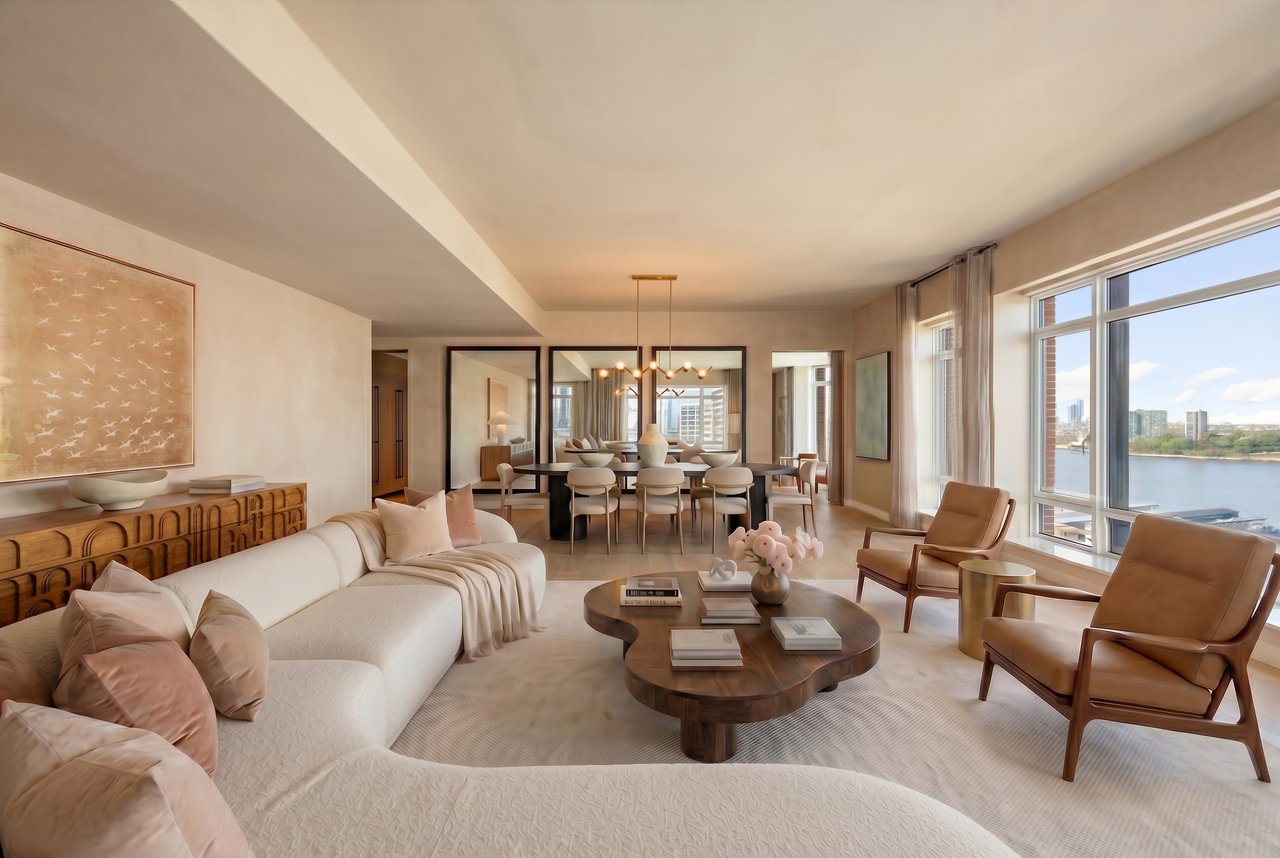
New development generally refers to recent-build condominium product. According to Brick Underground’s NYC building guide, buyers often associate this category with newer infrastructure, more contemporary layouts, floor-to-ceiling windows, smart systems, and broader amenity packages.
That same guide also notes that new construction typically trades at a premium compared with older product types. In Flatiron, that premium often reflects not only newer finishes, but also the turnkey quality of the homes and the lifestyle package offered by the building.
How New Development Feels in Flatiron
Flatiron House at 39 West 23rd Street is a strong example of a purpose-built modern condominium. Its fact sheet highlights 44 residences, planted Juliet balconies or loggias, a central garden, lounge, game room, gym, yoga studio, storage, bicycle storage, and limited parking. Interior finishes include white oak floors, Calacatta Lincoln marble, and appliances by Thermador, Bosch, and Gaggenau.
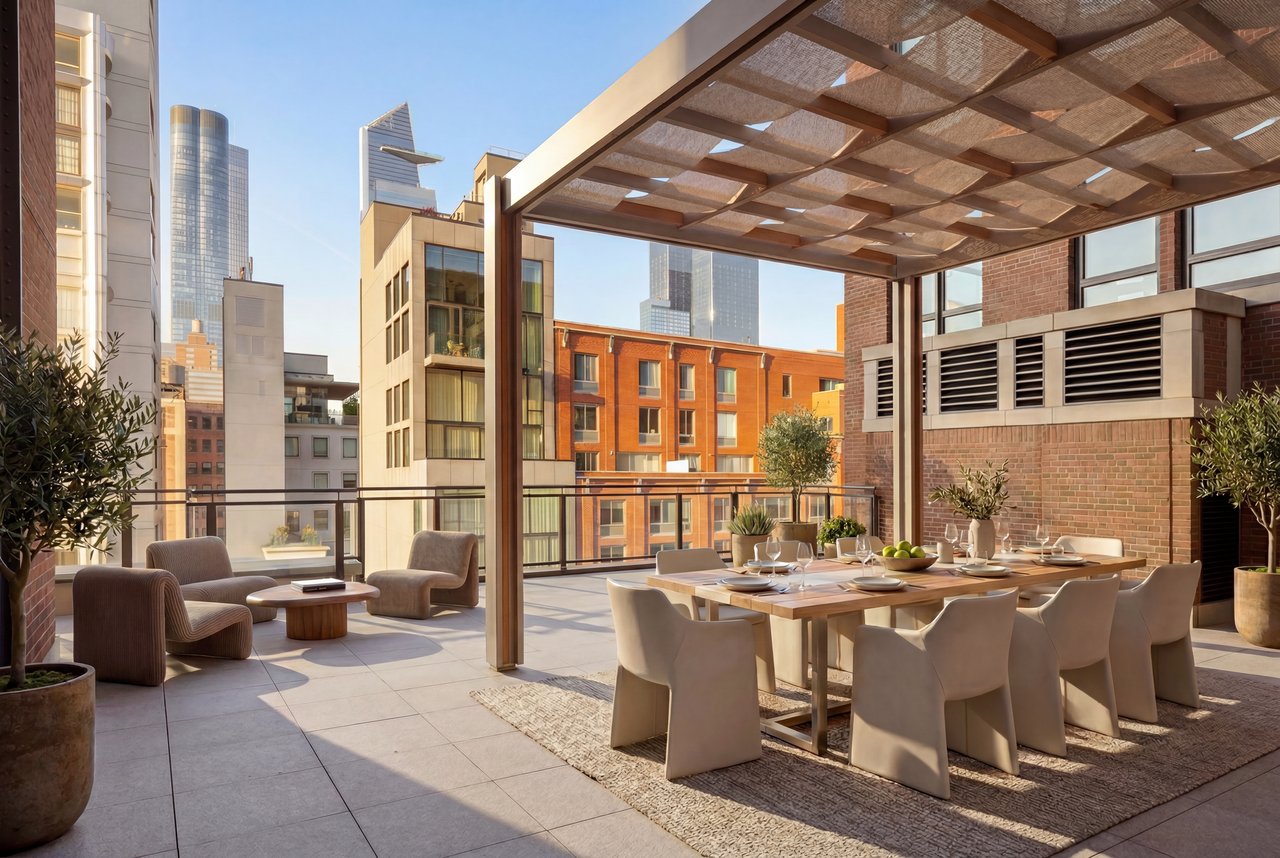
Madison Square Park Tower at 45 East 22nd Street represents the neighborhood’s more vertical luxury product. The developer press release says the tower rises 777 feet, spans 65 stories, and contains 83 residences. It also features floor-to-ceiling windows, marble kitchen and bath finishes, custom cabinetry, and five floors of amenities, including a fitness center, training studio, basketball court, golf simulator, terrace, and club spaces.
This is the clearest contrast with conversions. New development in Flatiron often delivers a more uniform, design-forward, service-rich experience from the moment you walk into the lobby.
What Buyers Often Like About New Development
- Newer systems and infrastructure
- Contemporary finishes and cleaner lines
- More predictable layout efficiency
- Larger amenity packages
- Turnkey condition with less immediate renovation planning
If your priority is ease, consistency, and a modern lifestyle package, new development will usually check more of those boxes.
Amenities and Monthly Costs
One of the biggest misconceptions in this category debate is that conversions always mean lower monthly costs. In reality, carrying costs depend on several factors, including staffing, reserves, unit size, and amenity load.
Recent StreetEasy examples at 212 Fifth Avenue show common charges of $3,190 per month for one residence, while examples at The Grand Madison have shown common charges of $2,553 per month for a listed unit. Those buildings can still be full-service, with features such as doorman service, elevators, gym access, storage, bike rooms, concierge support, and live-in super coverage depending on the property.
Recent StreetEasy listings at Flatiron House show common charges ranging from $1,634 per month for a one-bedroom sponsor unit to $5,799 per month for a larger four-bedroom sponsor unit. Madison Square Park Tower listings have shown common charges around $1,728 per month for a one-bedroom and $2,828 per month for a two-bedroom.
The takeaway is simple: age alone does not determine monthly cost. A well-staffed conversion with large units can carry significant charges, while a newer building may be more or less expensive depending on size and service level.
Character Versus Convenience
When buyers compare conversions and new development, the real decision usually comes down to character versus convenience. That sounds simplistic, but in Flatiron it is often the most useful starting point.
If you are drawn to a home with visual texture, unique proportions, and a sense of place, a conversion may feel more compelling. If you want predictable finishes, newer systems, and a stronger amenity package, new development may feel more aligned.
Neither option is automatically better. The better choice is the one that matches how you actually live and what you want your home to do for you over time.
Resale Value Is Building-Specific
In Flatiron, the safest way to think about long-term value is not conversion versus new development in the abstract. It is building versus building.
The neighborhood supports both product types because buyers continue to value both. A strong conversion can hold appeal because of rarity, architecture, and location. A strong new development can justify its premium through views, turnkey condition, and amenity depth. In other words, resale performance is usually more specific than the category label.
That is especially true in a neighborhood with both historic inventory and an active residential pipeline. Flatiron’s mix is part of the market story, not a temporary phase.
How to Choose the Right Fit
If you are deciding between a Flatiron conversion and a new development condo, it helps to narrow your priorities before you start touring seriously.
Ask yourself:
- Do you care more about architectural character or a turnkey finish package?
- How important are amenities like fitness space, lounge areas, or specialty recreation rooms?
- Would you prefer a home with loft-like proportions or a more contemporary layout?
- How much weight do you place on newer building systems?
- Are monthly common charges in line with the value you expect from the building?
These questions can save you time. They also help you compare properties more clearly, especially in a neighborhood where the inventory can look dramatically different from one block to the next.
Flatiron Buyers Need a Nuanced View
Flatiron is not a one-note condo market. It is a neighborhood where landmark conversions and modern towers continue to coexist because each offers something real and distinct.
For some buyers, a residence in a building like 212 Fifth Avenue or The Grand Madison will capture the exact blend of scale, history, and presence they want. For others, a property like Flatiron House or Madison Square Park Tower will make more sense because of the newer systems, more contemporary design language, and richer amenity package.
If you are weighing those options, the most effective strategy is to compare not just price per square foot or monthly charges, but the full living experience each building offers. The right choice is usually the one that fits your day-to-day priorities as much as your long-term plan. If you want tailored guidance on buying or selling in Flatiron, the Steven Cohen Team offers white-glove, data-driven advisory support across Manhattan’s luxury condo market.
FAQs
What is the difference between a condo conversion and new development in Flatiron?
- A condo conversion is an existing building repositioned into condominium use, while new development is purpose-built recent construction that usually offers newer systems, more contemporary finishes, and larger amenity packages.
Are Flatiron condo conversions less expensive than new development?
- Not necessarily. The research shows that monthly common charges and pricing can vary widely by building, unit size, staffing, and amenities, so conversions are not automatically the lower-cost option.
Which Flatiron condo buildings are examples of conversions?
- Notable examples include 212 Fifth Avenue and The Grand Madison at 225 Fifth Avenue, both of which pair historic architecture with condominium living.
Which Flatiron condo buildings are examples of new development?
- Flatiron House at 39 West 23rd Street and Madison Square Park Tower at 45 East 22nd Street are representative examples of newer condominium development in the neighborhood.
Are amenities better in Flatiron new development condos?
- New development buildings often have broader amenity packages, but some Flatiron conversions are still full-service and include features such as doorman service, gyms, storage, and concierge support.
How should you evaluate resale potential for a Flatiron condo?
- The most reliable approach is to evaluate resale potential on a building-specific basis, since long-term appeal in Flatiron depends on factors like location, character, views, condition, and amenity package rather than category alone.