Buying a co-op on the Upper West Side can feel like a master class in paperwork. The board package is where most deals succeed or stall, especially in prewar buildings with conservative standards. If you are new to co-ops or relocating to Manhattan, a clear roadmap will save time and stress. In this guide, you will learn what the board expects, how to assemble a strong package, how the interview works, and how to avoid common pitfalls. Let’s dive in.
What a board package is
A co-op board package is the full application you submit for approval to purchase shares and live in the apartment. It shows who you are, how you earn and manage money, and how you plan to use the home. Think of it as a complete profile of your identity, finances, references, and intent.
On the Upper West Side, many prewar co-ops are long-established and detail oriented. A complete, well-organized submission improves your odds and often speeds up the interview and decision.
Why UWS co-ops are different
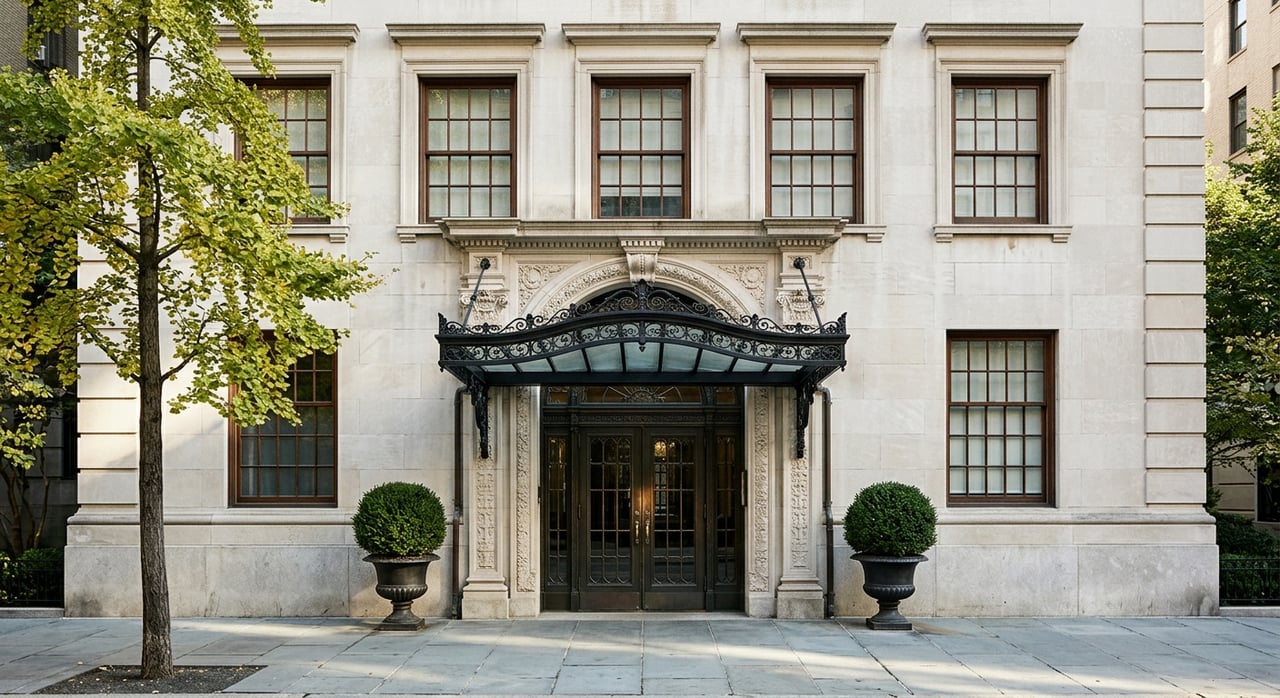
Prewar Upper West Side buildings tend to prioritize stability and community. Boards often prefer buyers who will use the home as a primary residence and who demonstrate long-term financial strength. These buildings may have firm policies on down payments, subletting, pets, and renovations.
Apartments can also come with prewar quirks, like unique room layouts and renovation limits. Clear disclosure and neat documentation help your package stand out for the right reasons.
What to include
Your goal is to answer every likely question upfront. Organize the file to make review effortless.
Financials to prepare
- Signed, fully executed purchase contract.
- Completed building application forms.
- Federal tax returns for the last 2 years. Provide 3 years if you are self-employed.
- W-2s and/or 1099s for the same years.
- Recent pay stubs.
- Employer letter on letterhead confirming title, salary, and start date.
- Recent bank statements showing funds for down payment, closing costs, and reserves.
- Investment and retirement account statements as applicable.
- Documentation of liabilities: mortgages, student loans, car loans, credit cards.
- Mortgage commitment letter or pre-approval if financing.
- Gift letters, if any, clearly stating the amount, relationship, and that funds are not a loan.
Best practice: label each item clearly, redact full account numbers, and include a simple table of contents. A clean PDF or binder signals reliability.
Forms and questionnaires
- Co-op purchase application and board questionnaire provided by the building or management.
- Financial statement detailing income, assets, liabilities, and sources of funds.
- Pet questionnaire if applicable.
- Co-signer or guarantor forms with full financials if required.
- Sublet or renovation disclosures if relevant.
Many buildings use industry-standard materials. Always confirm the exact packet your building requires and whether it includes proprietary addenda.
Reference letters that help
- 2 to 3 personal references who can speak to your reliability. Avoid family members unless allowed.
- 1 professional reference, such as a current or former employer or business partner.
- Bank or financial references if requested.
- A landlord reference can be useful if you rent in New York City.
Quality beats quantity. Letters should be brief, dated, and on letterhead when possible, with full contact information.
ID and proof of residency
- Government ID, such as a passport or driver’s license.
- Proof of current address, like a lease or utility bill.
- If relocating, an employment transfer letter or documentation of school plans can help show primary residence intent.
Helpful extras
- A concise cover letter to the board explaining who you are, why you chose the building, and that you plan to occupy the home.
- A resume or short professional bio, especially if your career path needs context.
- For planned renovations, add a brief outline from your architect or contractor noting scope, permits, and timing.
How to present the package
Presentation matters. Organize your submission so a board member can review it quickly and confidently.
- Use a single bookmarked PDF or a neatly tabbed binder.
- Keep the tone factual, consistent, and free of contradictions.
- Double-check signatures, dates, and totals across tax returns and financial statements.
- Make sure your stated reserves match the statements you include.
Timeline to expect
After you sign a contract, you will assemble and submit your package. The board reviews it, invites you to an interview, then votes. Total time from submission to a decision typically ranges from a few weeks to 6 to 8 weeks.
Most boards meet monthly. Some smaller buildings meet less often, which can add time. Plan your move and financing timeline with at least a 4 to 6 week cushion.
Board interview tips
Interviews usually run 15 to 45 minutes, often around 20 to 30. They are commonly in person, though some buildings allow virtual interviews.
- Dress business casual to professional.
- Arrive on time and be courteous to staff.
- Bring photo ID and, if requested, copies of key documents.
- Keep answers clear, concise, and honest.
- Emphasize that you plan to make the apartment your primary residence, if true, and share practical reasons for choosing the building and neighborhood.
Expect questions about your job, income stability, down payment source, liquidity after closing, household composition, pets, any renovation plans, and how long you intend to stay. Avoid exaggerations and do not volunteer unnecessary details that could be misunderstood.
Building policies to confirm
Policies vary by building. Confirm details early so your offer and package align with expectations.
- Minimum down payment. Many Manhattan co-ops require at least 20 percent. Some conservative buildings prefer or require higher, especially for non-primary use.
- Post-closing reserves. Some boards want to see a specific number of months of mortgage and maintenance in liquid accounts.
- Subletting. Many prewar buildings restrict subletting and may require a minimum ownership period before you can sublet.
- Renovations. Large projects usually need board and managing agent approval, licensed contractors, and permits.
- Pets. Rules vary. Disclose pet details upfront if applicable.
Common pitfalls to avoid
Small oversights can slow down or sink a package. Watch for these issues.
- Incomplete forms, missing tax returns, or unsigned pages.
- Low liquidity after closing or unclear reserves.
- Inconsistent statements across documents.
- A down payment out of step with the building’s norms.
- Unexplained financial events, like a bankruptcy, without a clear recovery story.
- A disorganized submission that makes review difficult.
Pre-submission checklist
Use this quick list before you hand in your package.
- Confirm the exact, current application from the managing agent or listing broker.
- Gather 2 years of tax returns, plus a third if self-employed.
- Obtain an employer letter and recent pay stubs.
- Compile bank and investment statements showing funds and reserves.
- Secure 2 to 3 strong references, including at least one professional reference.
- Draft a short, sincere cover letter stating primary residence intent.
- Confirm the board’s meeting schedule and typical timeline.
- Practice with a mock interview.
- Keep organized digital and paper copies of everything.
If you face a denial or conditions
If you receive a rejection or a conditional approval, ask for written reasons when possible. You can often address concerns by adding reserves, adjusting the down payment, supplying a guarantor, or clarifying documents. If you believe the decision was improper, consult your attorney about your options.
Guidance for relocating families
When you are moving to the Upper West Side for work, school logistics, or to be close to loved ones, clarity helps. Provide documentation that supports your plan to make the apartment your primary residence, such as an employer transfer letter or school-related paperwork. Keep the tone simple and focused on practical needs, not personal characteristics.
Work with a board-savvy team
Success with Upper West Side co-ops comes down to preparation, organization, and communication. A seasoned team will help you anticipate building norms, craft a clean financial presentation, and prepare for the interview so you can move forward with confidence.
Ready to navigate your board package with clarity and speed? Schedule a private consultation with the Steven Cohen Team to get started.
FAQs
What is a co-op board package in Manhattan?
- It is the complete application a buyer submits to a co-op board, including identity, financials, references, and intent to occupy, for approval to purchase and live in the apartment.
How long does Upper West Side board approval take?
- From submission to decision, most buyers see a timeline of a few weeks to 6 to 8 weeks, depending on meeting schedules and whether the board requests more information.
What down payment do UWS co-ops often require?
- Many Manhattan co-ops require at least 20 percent, and some conservative buildings prefer or require higher percentages, especially for non-primary use.
What are post-closing reserves and why do they matter?
- Some boards ask buyers to show a set number of months of mortgage and maintenance in liquid accounts after closing to demonstrate financial stability.
Can I buy an Upper West Side co-op as a pied-à-terre or investment?
- Many prewar co-ops have strict limits on pied-à-terre and subletting, and often favor primary residents; confirm the building’s policy before you submit an offer.
What should I bring to the co-op interview?
- Bring photo ID and, if requested, copies of key financial documents; arrive on time, dress neatly, and keep answers straightforward and consistent with your package.
How do pet policies work in prewar UWS buildings?
- Rules vary by building; disclose pet details early and follow any required forms or questionnaires in the application.
Can a guarantor help if my financials are close?
- Some boards accept guarantors or may condition approval on a guarantor; the guarantor’s full financials are typically required.
What can I do if my board package is rejected?
- Request the reasons in writing if possible, address deficits like reserves or documentation, consider resubmission, and speak with your attorney about next steps.