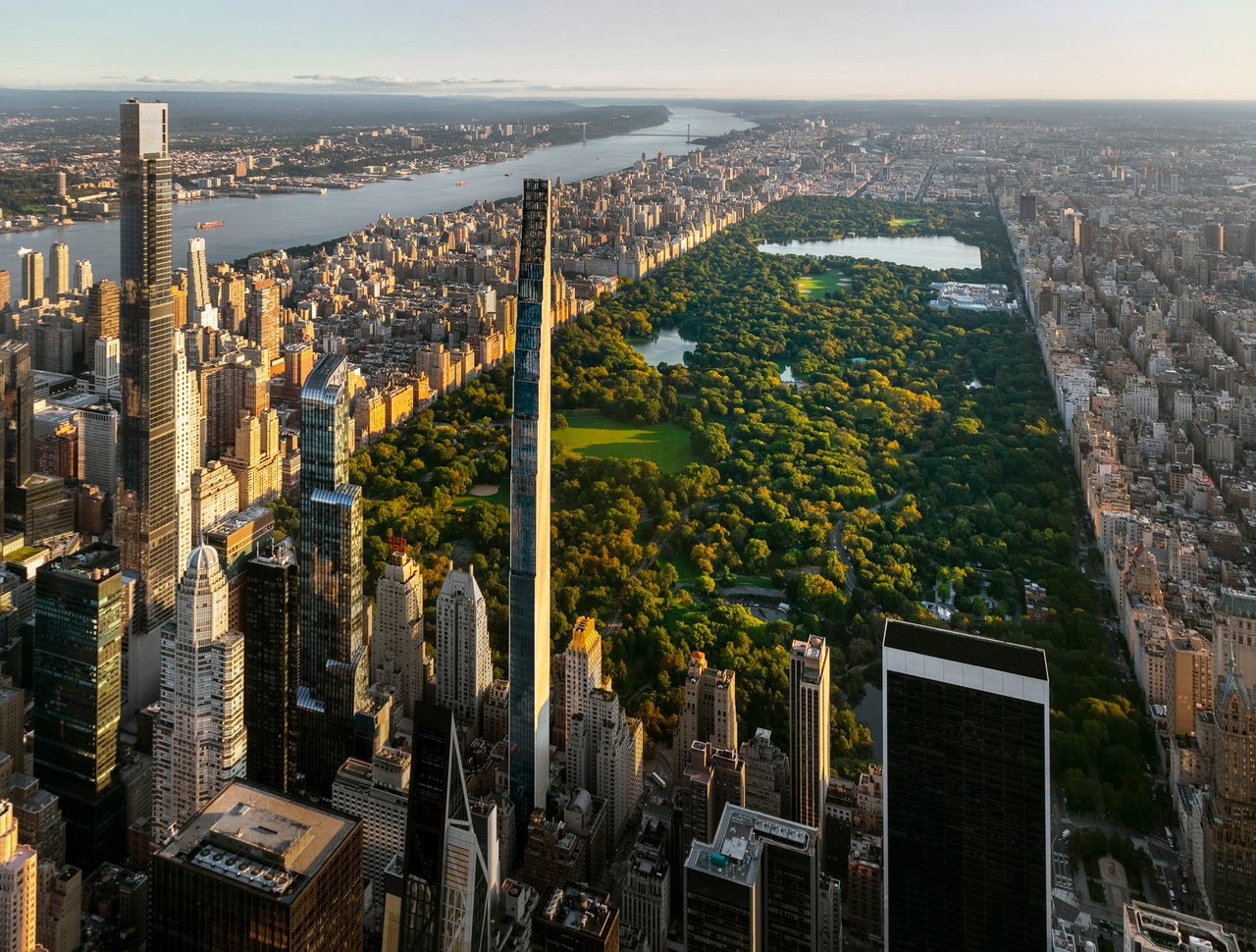
A Data Driven Look at the City’s Highest Performing Developments
New York City’s residential real estate market in 2025 was shaped by disciplined demand, steady absorption, and sustained buyer interest in new and recently completed developments. In 2025, Manhattan recorded just over 11,000 signed residential contracts, with the overall average last asking price at $2.32 million and the average price per square foot across all property types at $1,636. Despite broader economic uncertainty, contract activity remained strong across the city, particularly in buildings offering a combination of location, architectural distinction, and comprehensive amenity programs.
While legacy addresses and iconic towers continued to command attention, the city’s best selling residential buildings tell a broader story about where buyers committed capital in 2025. From supertall luxury towers in Midtown to large scale developments in Brooklyn, sales volume concentrated in projects that balanced inventory depth with long term value.
Below are the ten best selling residential buildings in New York City in 2025, ranked by total dollar volume of signed contracts, followed by key insights into what these rankings reveal about the market.
NYC’s Top 10 Best Selling Residential Buildings of 2025
1. 111 West 57th Street Midtown Manhattan
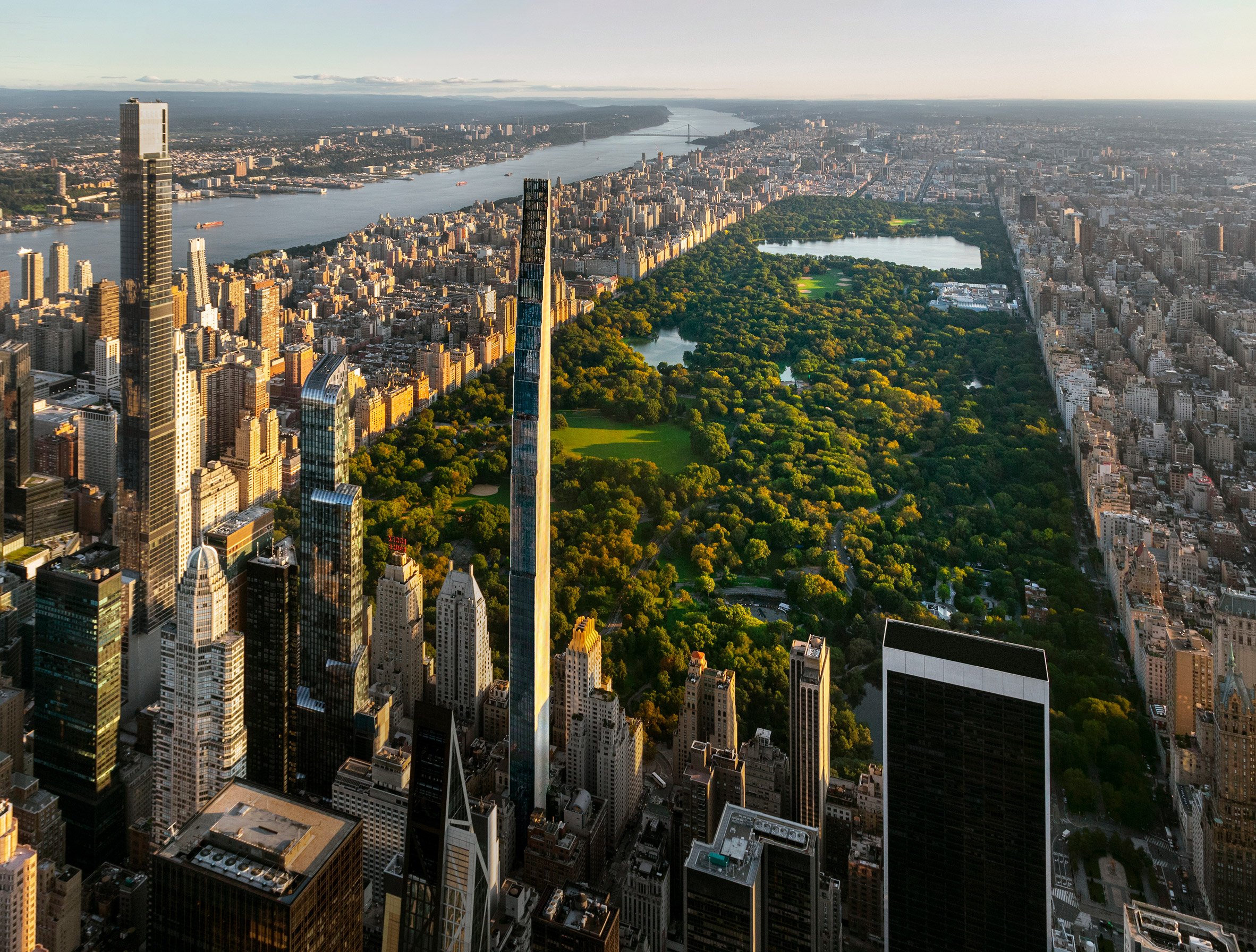
2025 Sales Volume $416.8 million
Number of Closings 19
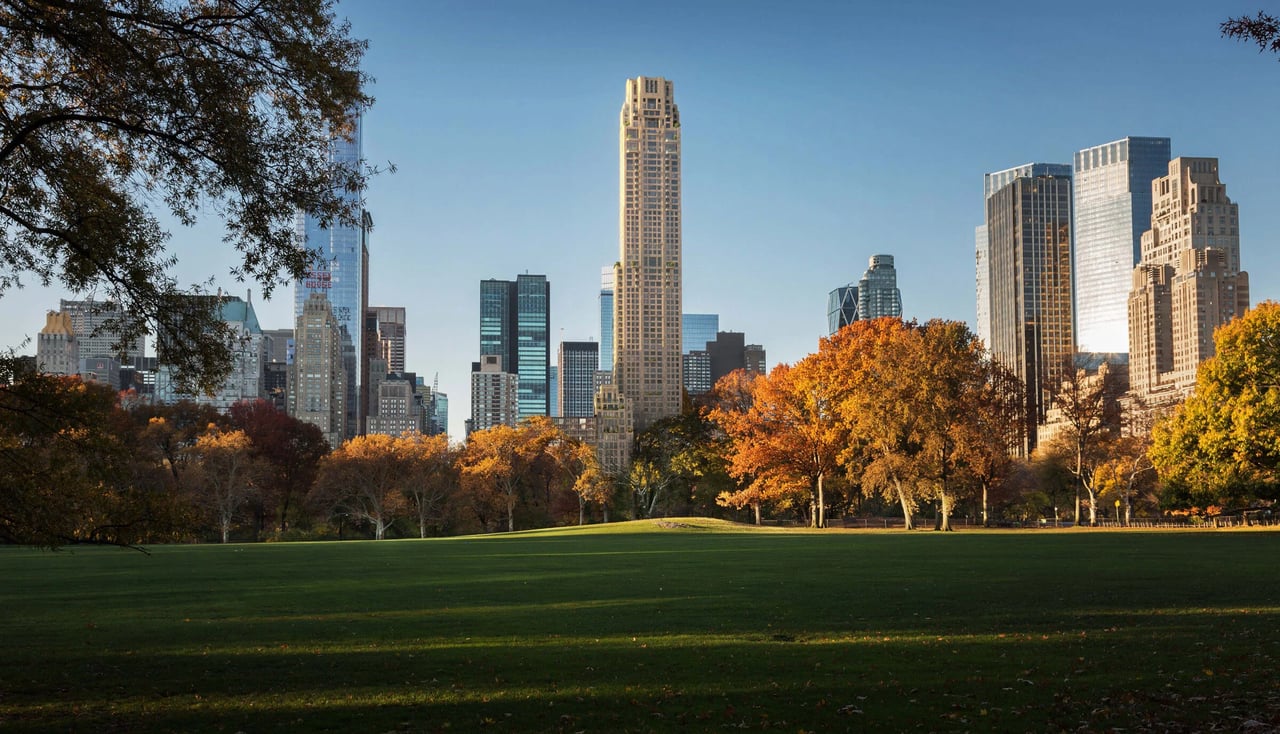
Leading the city by a wide margin, 111 West 57th Street emerged as the top selling residential building of 2025 by dollar volume. The ultra slender supertall appealed to global buyers seeking rarity, privacy, and unobstructed skyline and Central Park views, reinforcing the enduring strength of trophy assets at the very top of the market.
2. 50 West 66th Street Upper West Side

2025 Sales Volume $314.7 million
Number of Closings 30
This newly developed tower near Central Park West benefited from a large pipeline of available inventory and consistent buyer demand across unit types. Its modern design and full service amenity offering helped drive steady contract activity throughout the year.
3. 255 East 77th Street Upper East Side
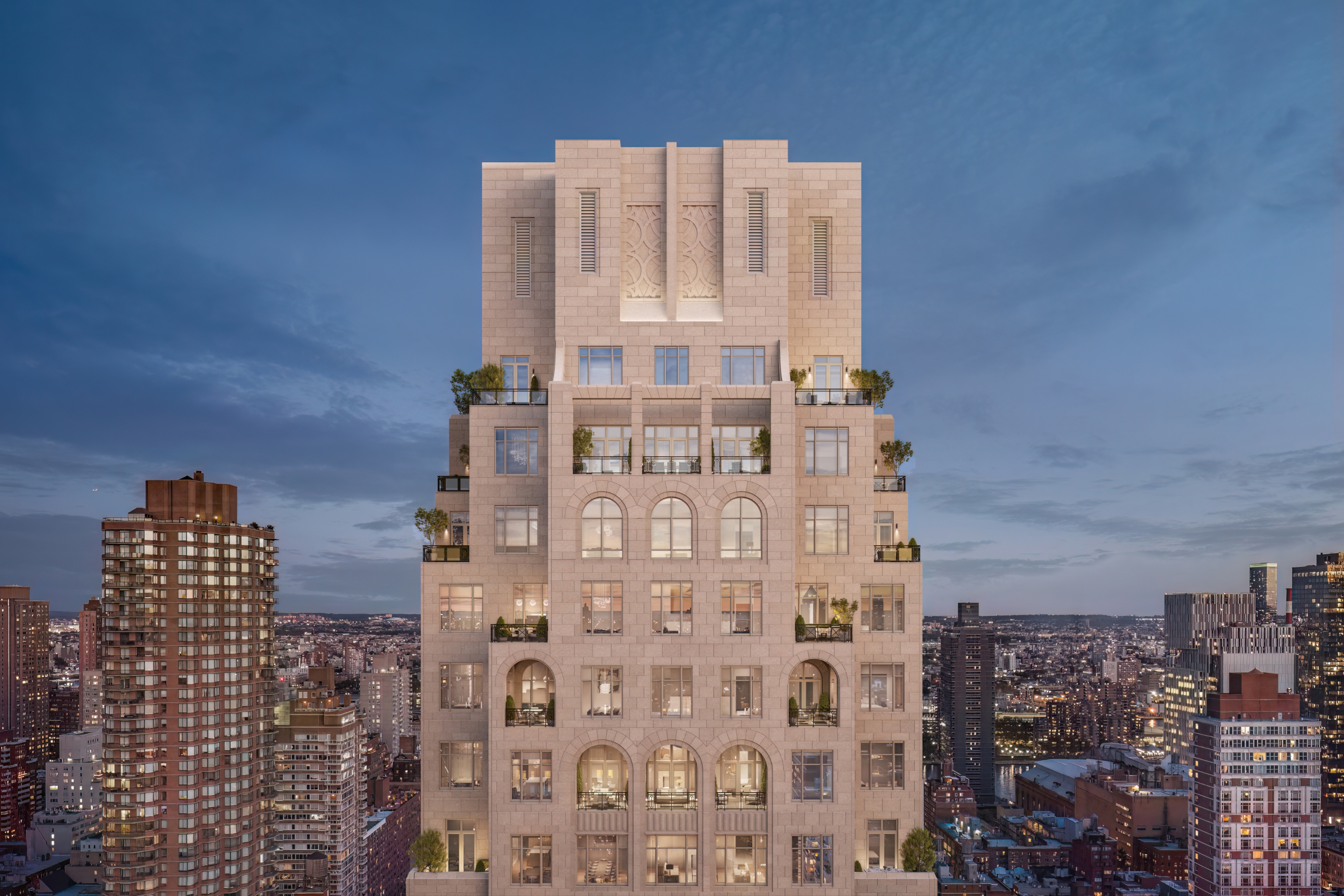
2025 Sales Volume $231.67 million
Number of Closings 29
A classically designed condominium, 255 East 77th Street reaffirmed the Upper East Side’s long standing appeal. Buyers were drawn to its timeless architecture, full floor residences, and proximity to Central Park, underscoring the continued strength of legacy neighborhoods.
4. One High Line Chelsea
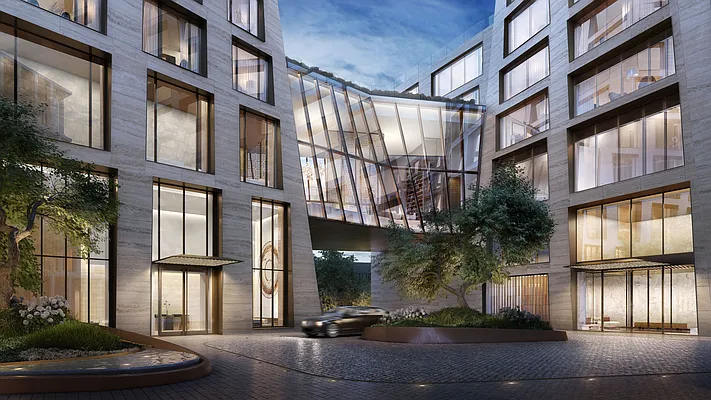
2025 Sales Volume $202.76 million
Number of Closings 34
Overlooking the High Line, this architecturally distinctive development delivered strong results by combining bold design with an expansive amenity program. Its ability to attract buyers across a wide range of price points contributed to its high sales volume.
5. One Domino Square Williamsburg Brooklyn
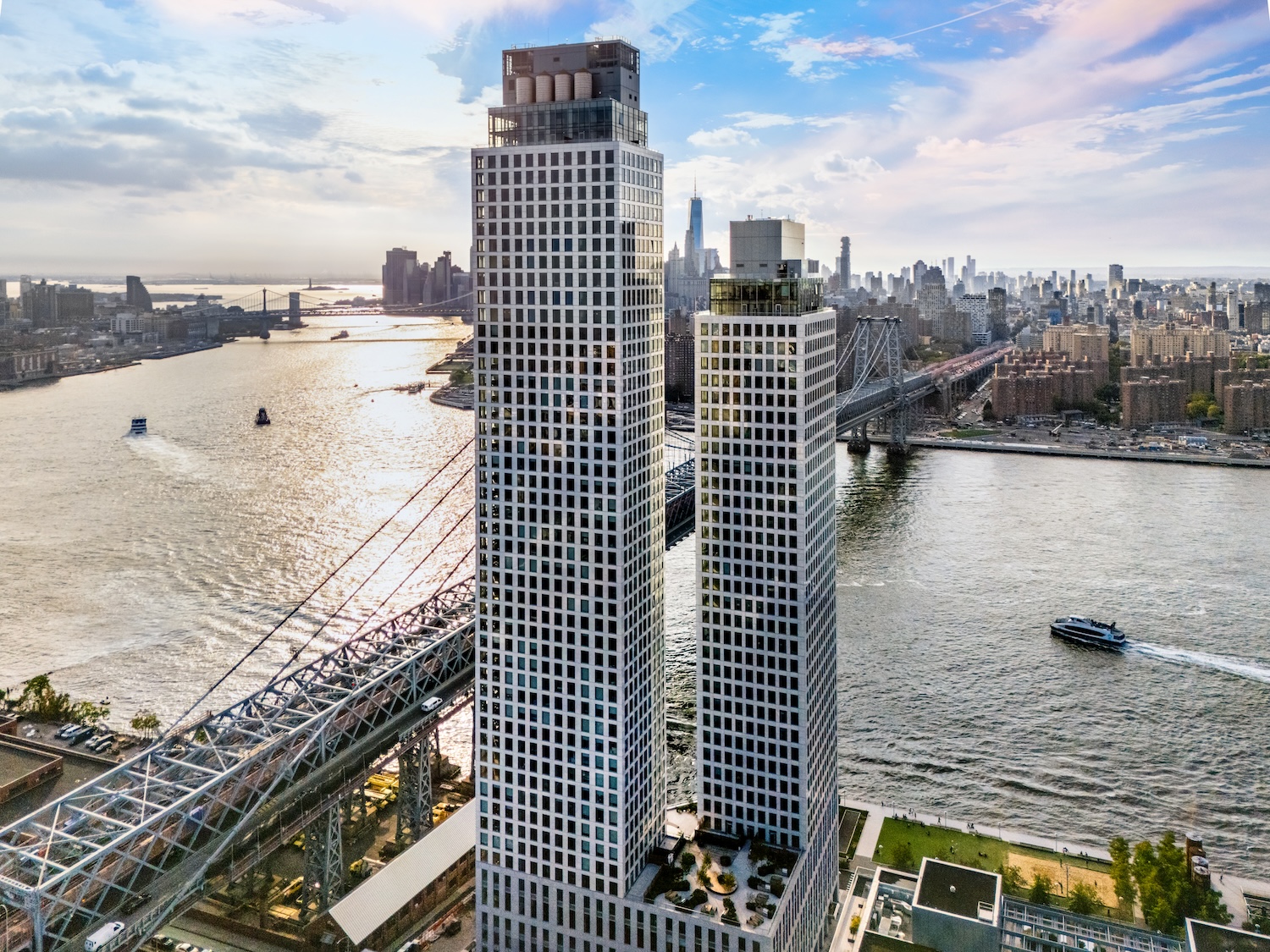
2025 Sales Volume $176.95 million
Number of Closings 65
The top selling building in Brooklyn, One Domino Square recorded the highest number of contracts citywide. Its scale, waterfront location, and mix of condominium and rental components positioned it as a standout within the evolving Brooklyn residential market.
6. Sutton Tower Sutton Place

2025 Sales Volume $170.84 million
Number of Closings 34
As the tallest residential building in Sutton Place, Sutton Tower drew buyers seeking expansive layouts, river views, and a quieter residential setting. Its performance highlights renewed demand for boutique luxury outside traditional core corridors.
7. 140 Jane Street West Village
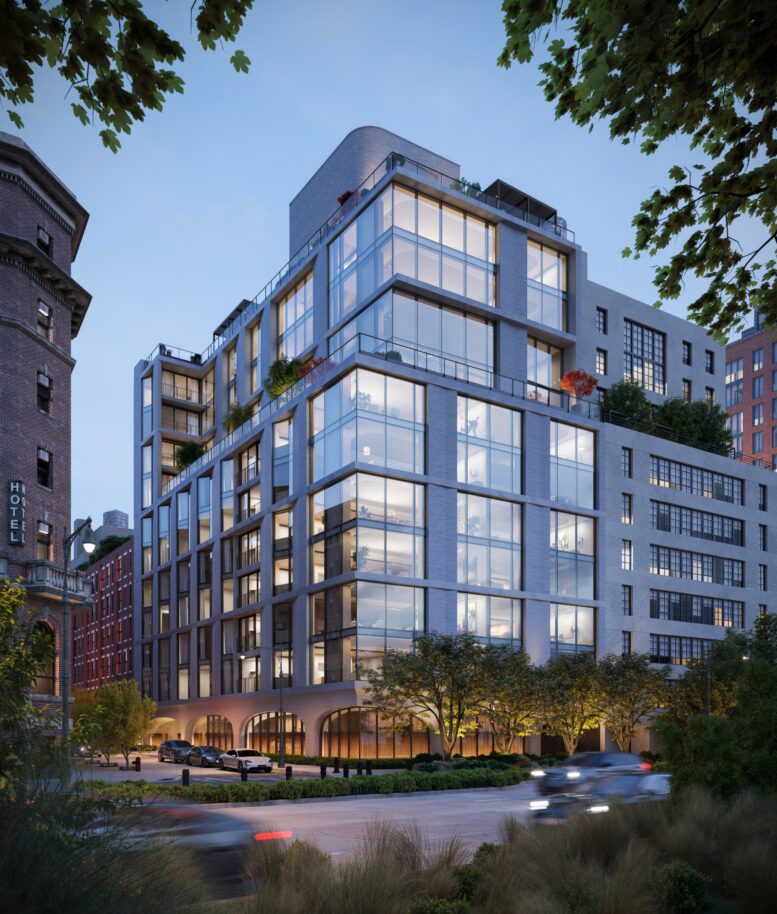
2025 Sales Volume $170.45 million
Number of Closings 4
Despite a low transaction count, this boutique West Village development ranked among the year’s top sellers due to a record setting duplex penthouse that entered contract for approximately $87.5 million, illustrating how ultra luxury downtown inventory can drive outsized dollar volume.
8. Central Park Tower Midtown Manhattan
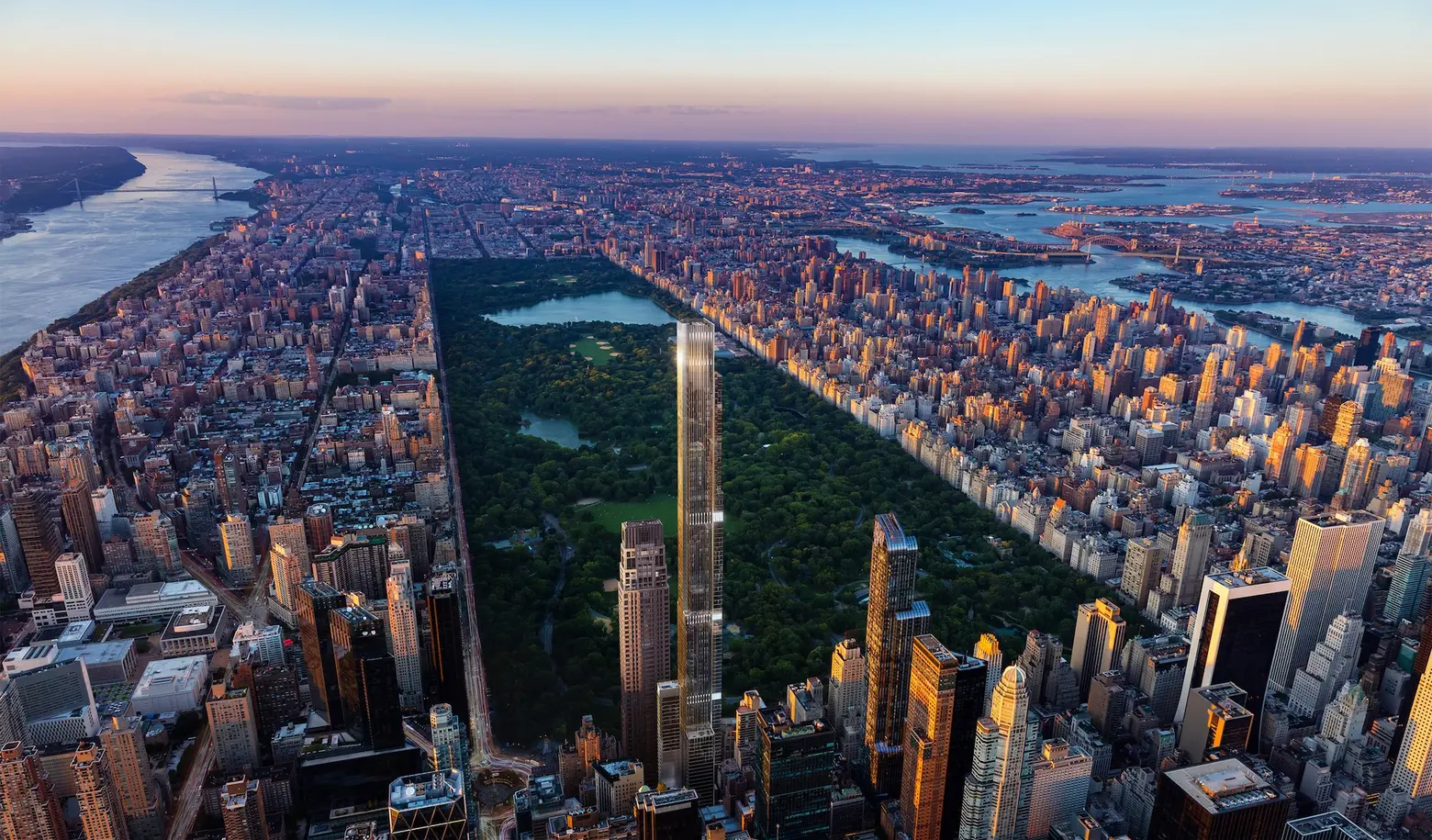
2025 Sales Volume $169.33 million
Number of Closings 6
One of the tallest residential buildings in the world, Central Park Tower continued to attract buyers seeking prestige addresses along Billionaires’ Row, even as luxury buyers became more selective.
9. 35 Hudson Yards Hudson Yards
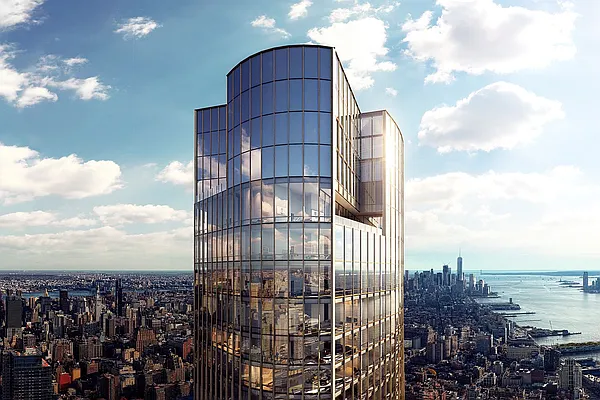
2025 Sales Volume $166.51 million
Number of Closings 22
Part of the Hudson Yards master planned neighborhood, this tower benefited from its integrated lifestyle offering, river views, and access to one of Manhattan’s most comprehensive amenity ecosystems.
10. 53W53 Midtown Manhattan
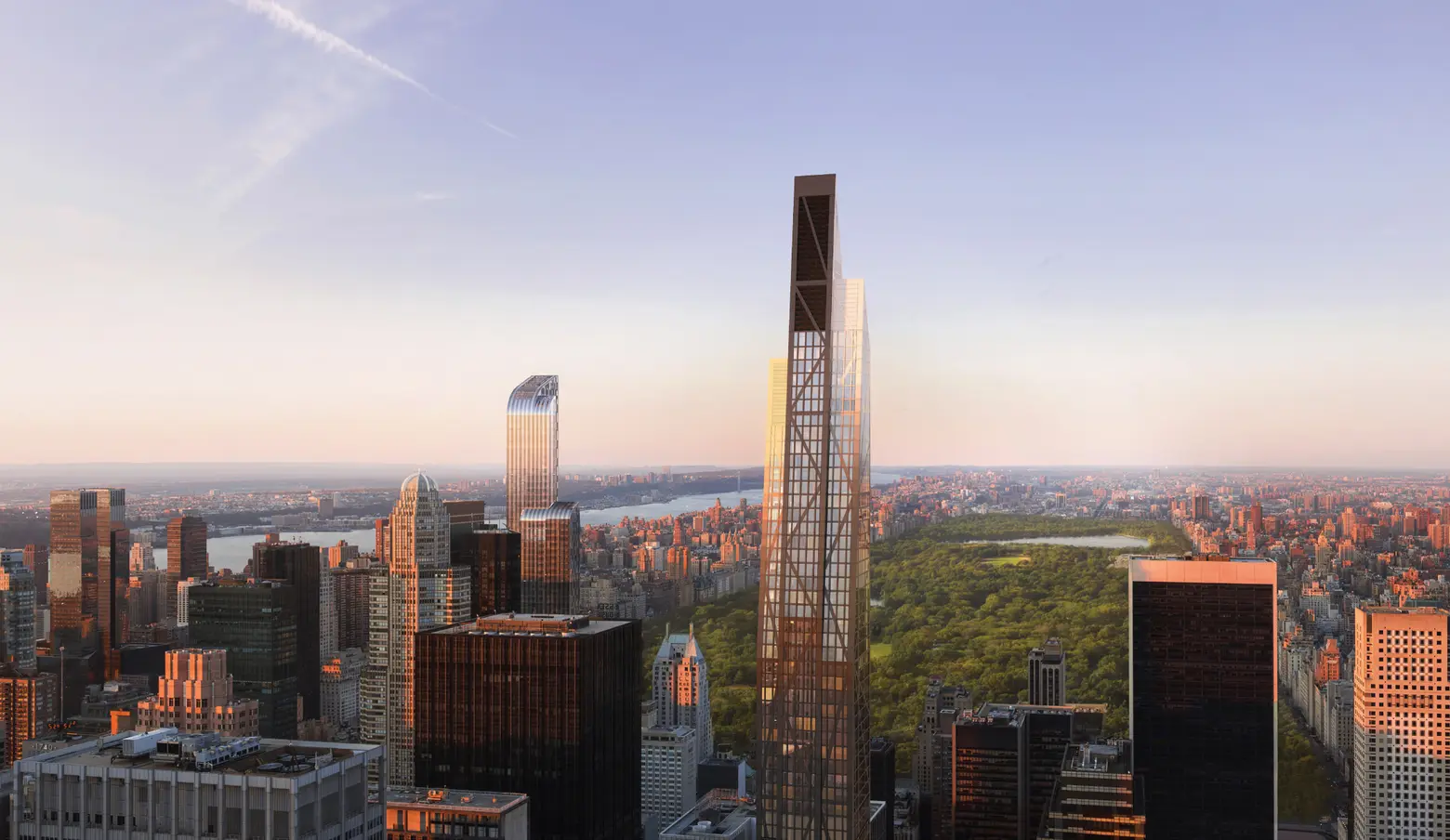
2025 Sales Volume $165.69 million
Number of Closings 16
Known for its proximity to cultural institutions, 53W53 rounded out the top ten with steady absorption across multiple price points, supported by distinctive architecture and a robust amenity suite.
What These Rankings Reveal About NYC’s Residential Market
New Development Continues to Drive Sales Volume
New and recently completed buildings dominated the rankings, confirming that buyers continue to prioritize modern layouts, amenities, and turnkey ownership.
Manhattan Leads While Brooklyn Expands
Manhattan accounted for the majority of top selling buildings, but Brooklyn’s presence on the list reflects growing confidence in large scale and waterfront developments outside the traditional luxury core.
Inventory Depth Shapes Contract Activity
Buildings with a broader range of available units captured higher contract counts, while boutique developments relied on landmark penthouse sales to compete on total dollar volume.
Design and Location Remain Core Value Drivers
Across all boroughs, architectural identity, proximity to parks or waterfronts, and neighborhood prestige continued to play a central role in buyer decision making.
The Bigger Picture
New York City’s best selling residential buildings of 2025 reflect a market defined by confidence without excess. Buyers were deliberate, informed, and focused on long term value, gravitating toward developments that offered location, design integrity, and lifestyle over speculation.
While transaction volume varied widely by building, each of these developments captured meaningful buyer commitment, reinforcing that momentum in new and near new residential product remains a defining feature of the city’s housing market.
Data sourced from publicly reported transactions and NYC ACRIS records.