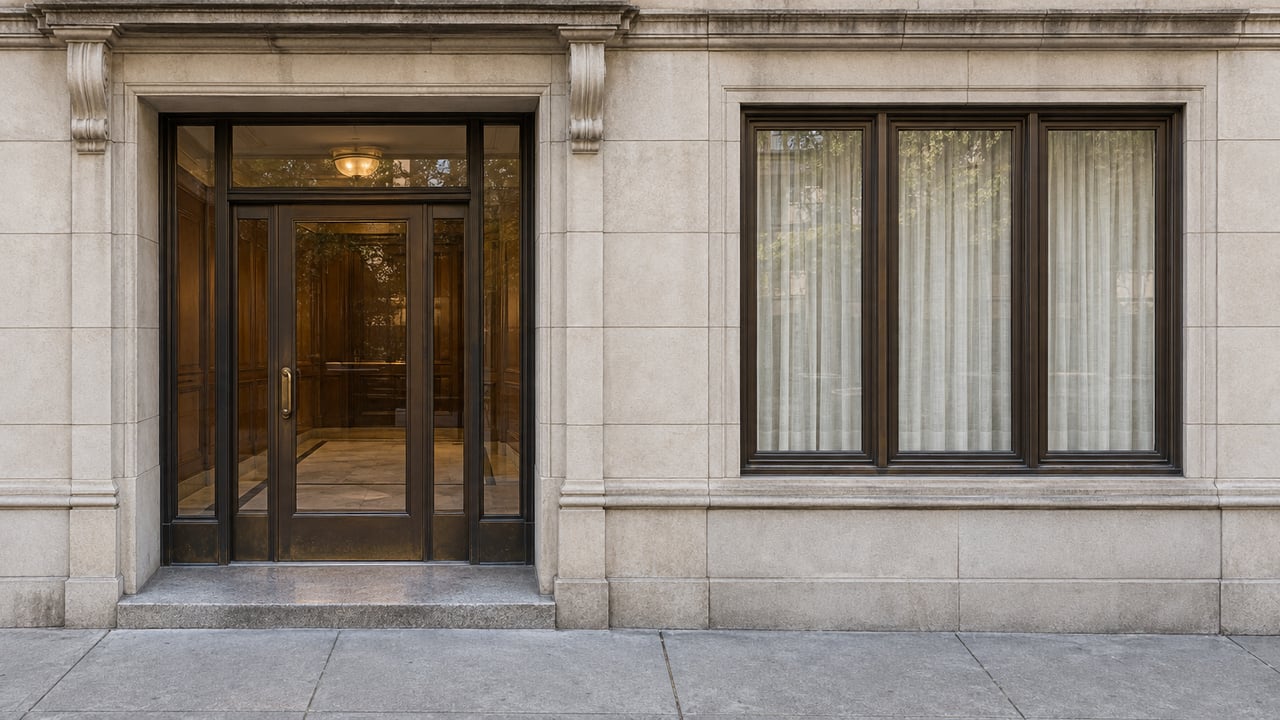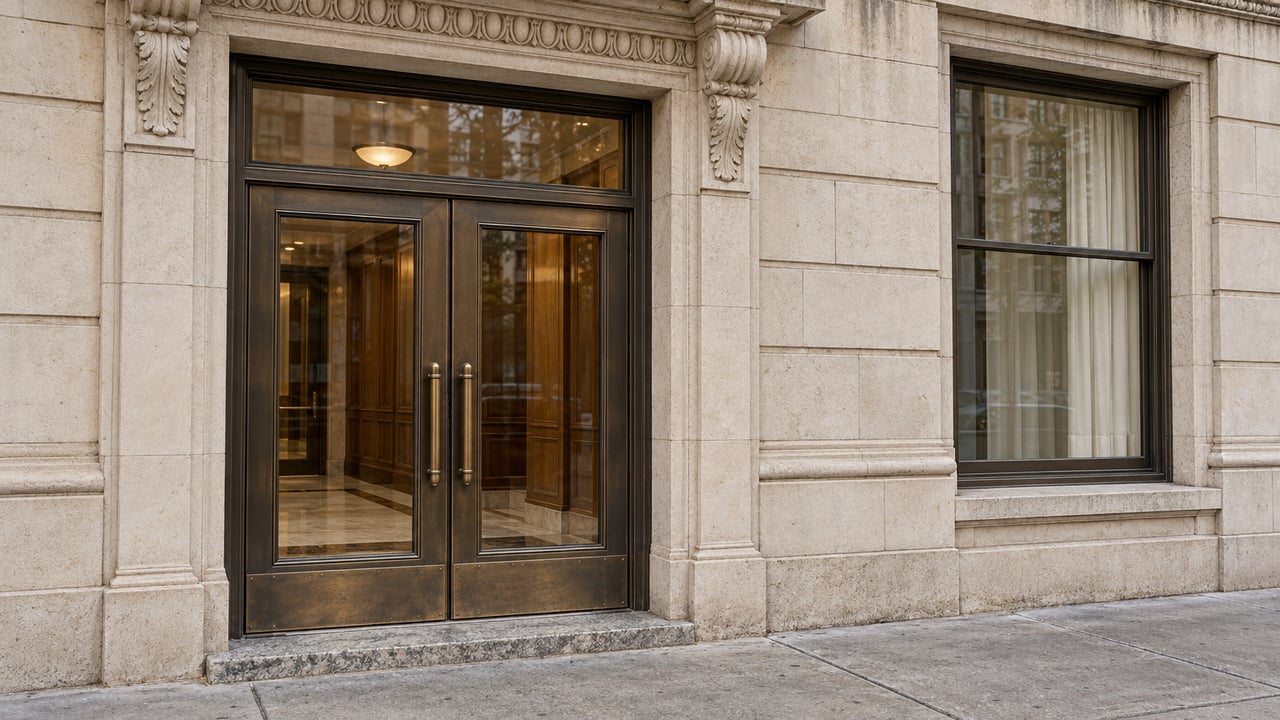
Thinking about a place of your own near Central Park and Museum Mile, without moving full‑time? You are not alone. Many buyers want a comfortable, secure base on the Upper East Side that fits a part‑time lifestyle. In this guide, you will learn what a pied‑à‑terre is in New York, how it works specifically on the Upper East Side, and what to check before you buy. Let’s dive in.
What a pied‑à‑terre means
A pied‑à‑terre is a secondary home you use part‑time. It can be a studio, a one‑bedroom, or something larger. Your primary residence is elsewhere, and you come to the city for work, culture, or family. On the Upper East Side, many buyers choose full‑service buildings that make part‑time living simple.
Typical owners include executives, out‑of‑state professionals, seasonal residents, empty‑nesters, and international buyers. You are looking for convenience, privacy, and a building that runs smoothly when you are away.
Why the Upper East Side works
You get walkable access to cultural landmarks along Museum Mile, including world‑class museums and Central Park. Many blocks are quiet and residential, with doormen and strong building operations that appeal to part‑time owners. The Upper East Side also offers a wide mix of prewar co‑ops and full‑service condos.
Transit is straightforward for quick in‑and‑out trips. You can ride the 4/5/6 on Lexington Avenue and the Q line near 86th to 96th Streets. That coverage helps if you fly in, come for meetings, or plan frequent cultural visits.
Co‑op vs condo: what changes for you
Your ownership structure shapes how you can use the apartment. Here is how the two most common options compare.
Co‑ops in a nutshell
- You buy shares and receive a proprietary lease.
- Boards have strong control over approvals and apartment use.
- Subletting is often limited by frequency and duration.
- Some co‑ops scrutinize part‑time use, and a few discourage long periods of non‑occupancy.
What it means: co‑ops can be excellent homes with attentive services, but approvals are board‑driven. If you want maximum flexibility, some co‑ops may not fit. Co‑op policies can also influence resale speed and the size of your future buyer pool.
Condos in a nutshell
- You buy real property with a deeded unit.
- Approval is usually lighter than a co‑op’s.
- Rental and guest rules vary by building but are often more flexible.
What it means: condos are popular with pied‑à‑terre buyers who want simpler approvals and more freedom for part‑time use. Rules still matter, so read building documents carefully.
Condops and conversions
Some buildings blend features. Policies vary by the offering plan and house rules. Review the exact documents with your attorney before you decide.
Building rules to review before you bid
Even pied‑à‑terre‑friendly buildings have rules. Confirm the following:
- Sublet policy and any waiting period after purchase
- Minimum lease terms and any ban on rentals under 30 days
- Guest and registration rules for friends or household staff
- Insurance requirements and vacancy provisions
- How you pay taxes and ongoing charges: co‑op maintenance often includes the building’s property tax share, while condo owners pay taxes directly
- Service details that matter when you are away: doorman hours, package handling, storage, laundry, bike rooms, and super availability
A clear picture of these items helps you avoid surprises and align the apartment with your lifestyle.
Financing a pied‑à‑terre
Lenders may classify a pied‑à‑terre as a second home if you will use it part‑time and not rent it frequently. Some lenders take a more conservative approach. That can mean larger down payments, tighter debt‑to‑income standards, and higher cash reserve requirements than a primary residence.
Common patterns you may see include:
- Down payments in the 20 to 40 percent range, sometimes higher in co‑ops
- Stricter review of assets and reserves to cover maintenance or common charges
- Specialized second‑home or pied‑à‑terre loan products at select banks
For co‑ops, your financing can also be shaped by the building’s policies and underlying mortgage. Some boards require buyers to show several months of post‑closing liquidity and may limit financing ratios.
Taxes, closing costs, and ongoing expenses
There is no special NYC property tax class just for pied‑à‑terres. A condo owner pays taxes directly. A co‑op shareholder pays a portion through monthly maintenance. Usual city and state transfer taxes and standard closing costs apply to both primary and secondary buyers.
For federal taxes, the primary‑residence capital gains exclusion generally does not apply when you sell a pied‑à‑terre. The IRS requires ownership and use of a home as a primary residence for two of the five years before the sale to qualify for the exclusion.
Budget for ongoing costs such as:
- Monthly maintenance or common charges
- Utilities and internet
- Insurance tailored to intermittent occupancy
- Possible special assessments
- Seasonal services like heating oversight and periodic inspections when you are away
NYC short‑term rental rules
New York City restricts short‑term rentals. Renting an entire apartment for fewer than 30 days is generally not allowed unless the host is present. Buildings may layer on stricter rules and penalties. If you expect to rent the unit when you are not in town, you should plan for longer lease terms and confirm building policies in writing.
Choosing the right micro‑location
The Upper East Side offers several pockets that work well for part‑time living:
- Fifth and Madison corridors near Museum Mile for cultural access and park proximity
- Park Avenue and nearby prewar co‑ops with strong services
- East of Lexington with newer condo options and convenient Q line access
Look for blocks that match your routine. If museum openings, lectures, and evening events shape your visits, you may prefer addresses near Central Park and cultural institutions. If you value a quick commute downtown, focus on easy subway access.
Resale outlook on the Upper East Side
Building policies influence liquidity. Co‑ops with strict sublet or residency rules can limit the buyer pool and may take longer to sell. Condos with flexible policies often attract more second‑home buyers and can trade faster at different price points.
For a smooth exit later, review:
- The building’s resale history and typical buyer profile
- Financial statements, reserves, assessments, and any land lease factors
- House rules that may deter or attract future buyers
Timing your sale with peak cultural seasons can also help visibility for smaller units marketed as pied‑à‑terres.
A practical due‑diligence checklist
Use this quick list as you evaluate options:
- Gather building documents: proprietary lease and house rules for co‑ops, or bylaws and house rules for condos
- Review the offering plan and any rider on sublets or owner occupancy
- Request building financials, recent assessments, and maintenance or common charge history
- Confirm short‑term rental policy, minimum lease terms, and guest rules
- Ask about doorman coverage, package handling, storage, laundry, and super hours
- Speak with lenders early to confirm down payment, reserves, and whether the loan is treated as a second home
- Discuss insurance needs, including coverage for periods when the apartment is unoccupied
- Map daily logistics: transit access, services you want on the block, and seasonal use
Steps to buy with confidence
Here is a simple path to move forward:
Define your use case. Frequency of visits, guest usage, and whether you plan any long‑term renting.
Select structure and rules. Decide if a co‑op or condo fits your needs, then filter buildings based on their house rules.
Pre‑underwrite your budget. Speak to lenders about second‑home terms and gather proof of reserves.
Review building documents. Analyze house rules, financials, and sublet policies with your attorney.
Craft a board‑ready offer. Present clean terms and a profile that aligns with the building’s expectations.
Prepare the package. If buying in a co‑op, assemble a thorough application and get ahead of questions.
Plan for ownership. Set up utilities, insurance endorsements for intermittent occupancy, and any seasonal services.
How we can help
You want a pied‑à‑terre that is beautiful, practical, and board‑ready. Our team focuses on luxury resale across Manhattan, with deep experience in co‑op approvals, condo bylaws, and house rules that affect part‑time living. We pair data‑driven pricing and building analysis with white‑glove execution, so you can buy with clarity and use your new home the way you intend.
If you are considering a pied‑à‑terre near Museum Mile or across the Upper East Side, connect with the Steven Cohen Team for a private consultation.
FAQs
What is a pied‑à‑terre on the Upper East Side?
- A pied‑à‑terre is a secondary home you use part‑time, often a studio or one‑bedroom in a full‑service co‑op or condo near cultural and park amenities.
Are co‑ops or condos better for part‑time use in NYC?
- Condos usually allow more flexibility and lighter approvals. Co‑ops can be excellent but often have stricter rules on subletting and part‑time residency.
Can I rent my pied‑à‑terre on a short‑term platform?
- Renting an entire apartment for fewer than 30 days is generally not allowed unless the host is present. Many buildings ban short‑term rentals entirely.
How do lenders treat pied‑à‑terre mortgages?
- Many lenders view them as second homes and may require larger down payments, tighter debt‑to‑income ratios, and significant cash reserves.
Do pied‑à‑terre owners get the primary residence tax exclusion?
- Generally no. The federal capital gains exclusion applies when a home is used as your primary residence for at least two of the five years before the sale.